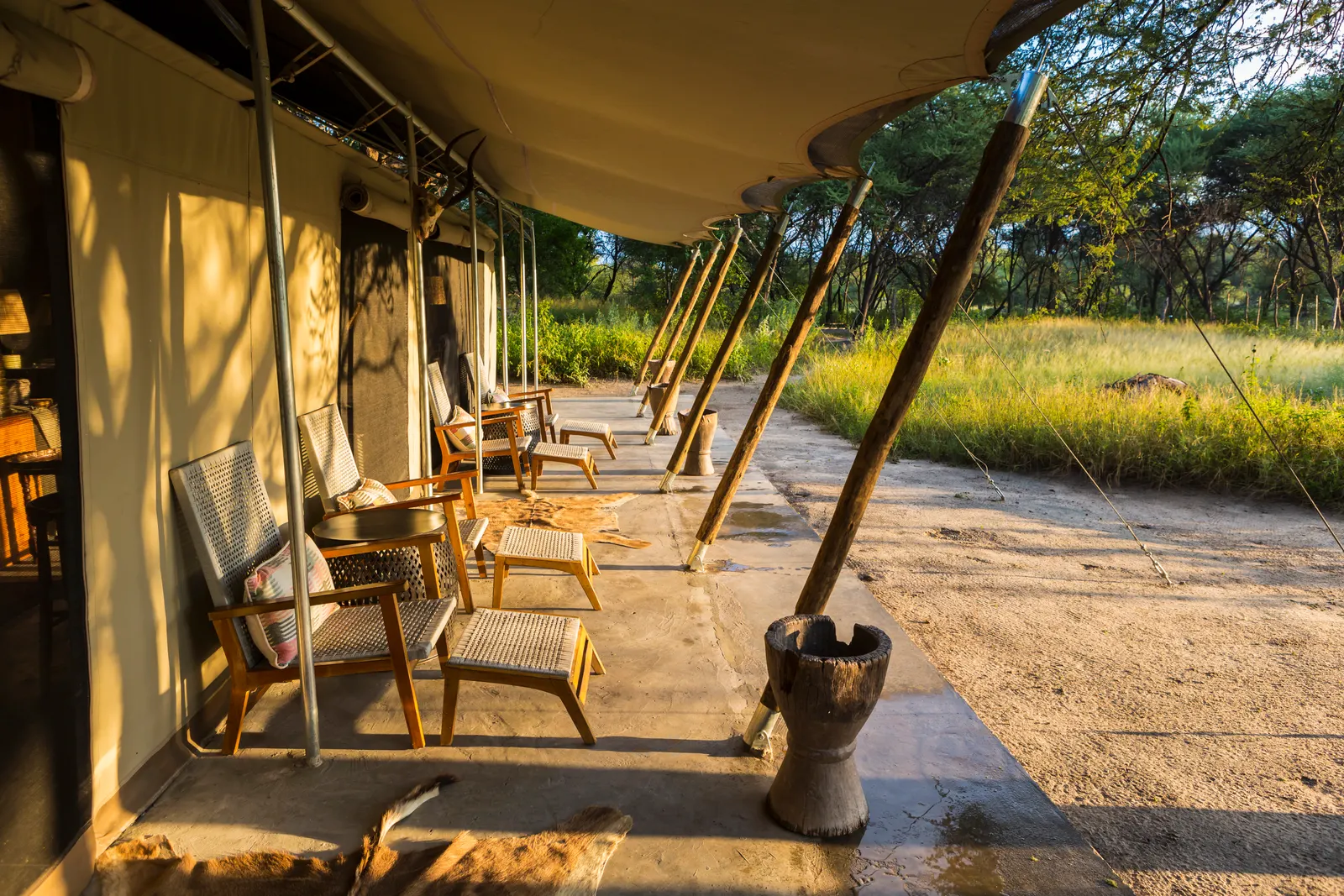
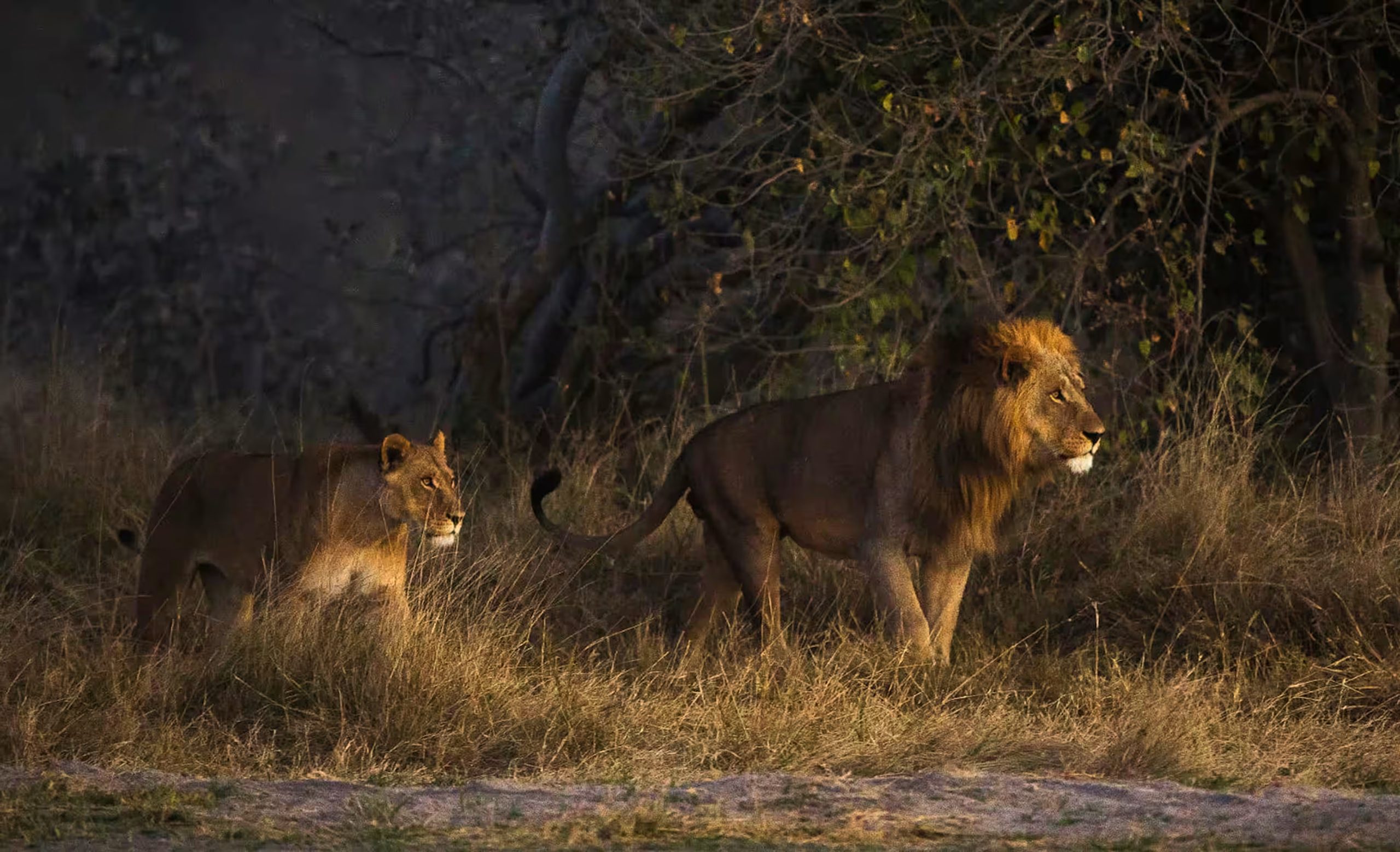
THE CLASSIC ROUTE
The Northern Circuit, Properly Paced
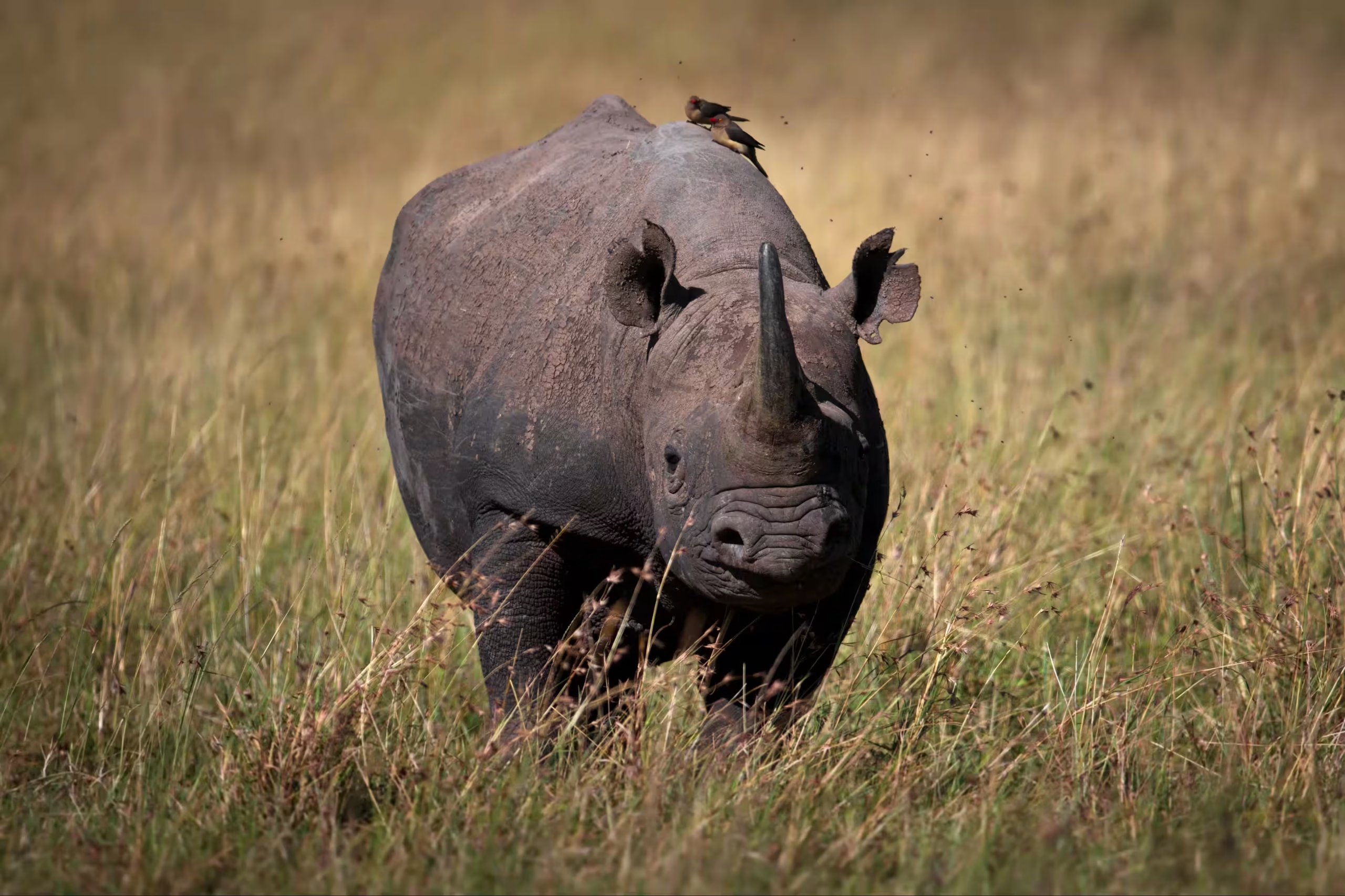
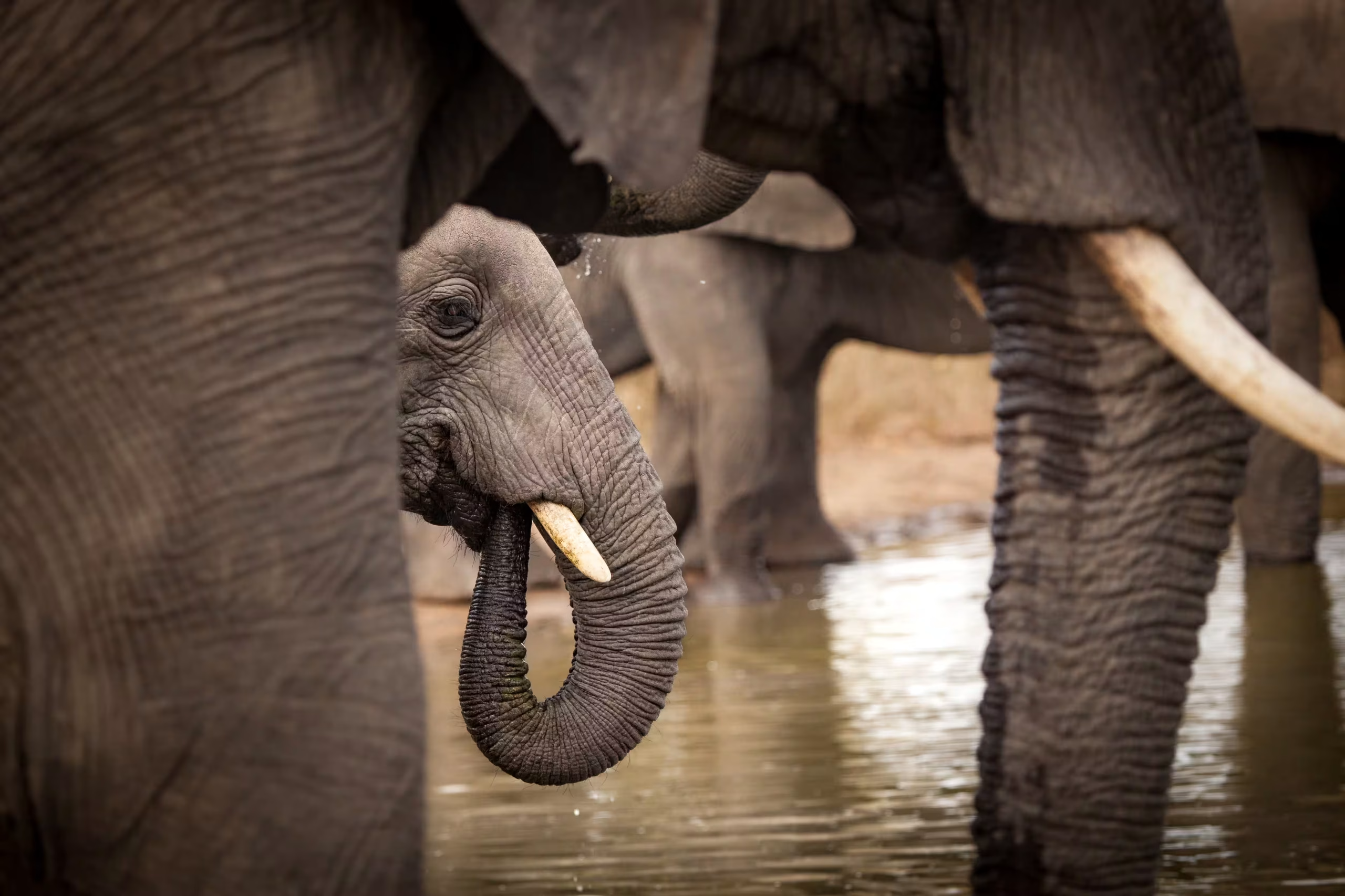
Tarangire, Manyara, the Ngorongoro Crater and the Serengeti, with two nights everywhere that deserves them and no single-night stops.
Per guest, from:
$4,680$669 per night
DESTINATIONS
SAFARI COLLECTIONS
LIFE ON SAFARI
WHY PLACES OF AFRICA
EXCLUSIVE OFFERS

Home/Find a Journey
Every itinerary we run, in one place. Filter by the kind of safari, the park, how long you have and the month you can travel — then talk to the people who will actually run it.
Select one or more destinations
2026
2027
2028
Pick the month you can travel. We run these itineraries every year, so the year you choose tells us which season to hold — the month is what shapes the route.
Departure dates are not published yet. Tell us the month and how long you have and we will build around it.
Start with the month
The Great Migration is in a different part of the Serengeti in February than it is in August, and an itinerary built for the wrong month is the commonest way a Tanzanian safari disappoints. Tell us when you can travel and we will build around where the animals will actually be.
All journeys
Nothing here is a fixed product. Every one of these is a starting shape that we rebuild around your dates, your party and how you like to travel.
31 of 31 journeys
THE CLASSIC ROUTE
Tarangire, Manyara, the Ngorongoro Crater and the Serengeti, with two nights everywhere that deserves them and no single-night stops.
Per guest, from:
$4,680$669 per night
JUL – OCT
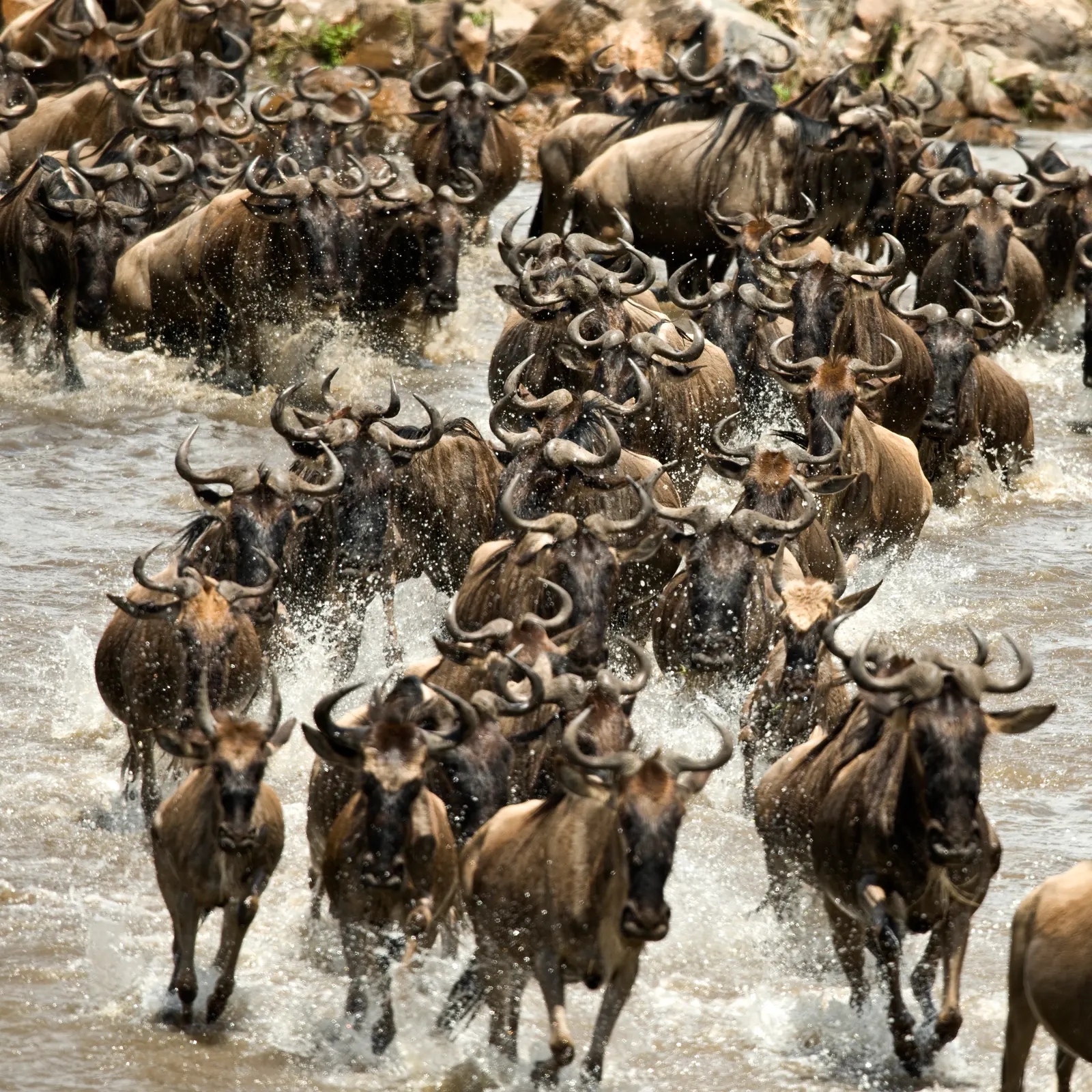
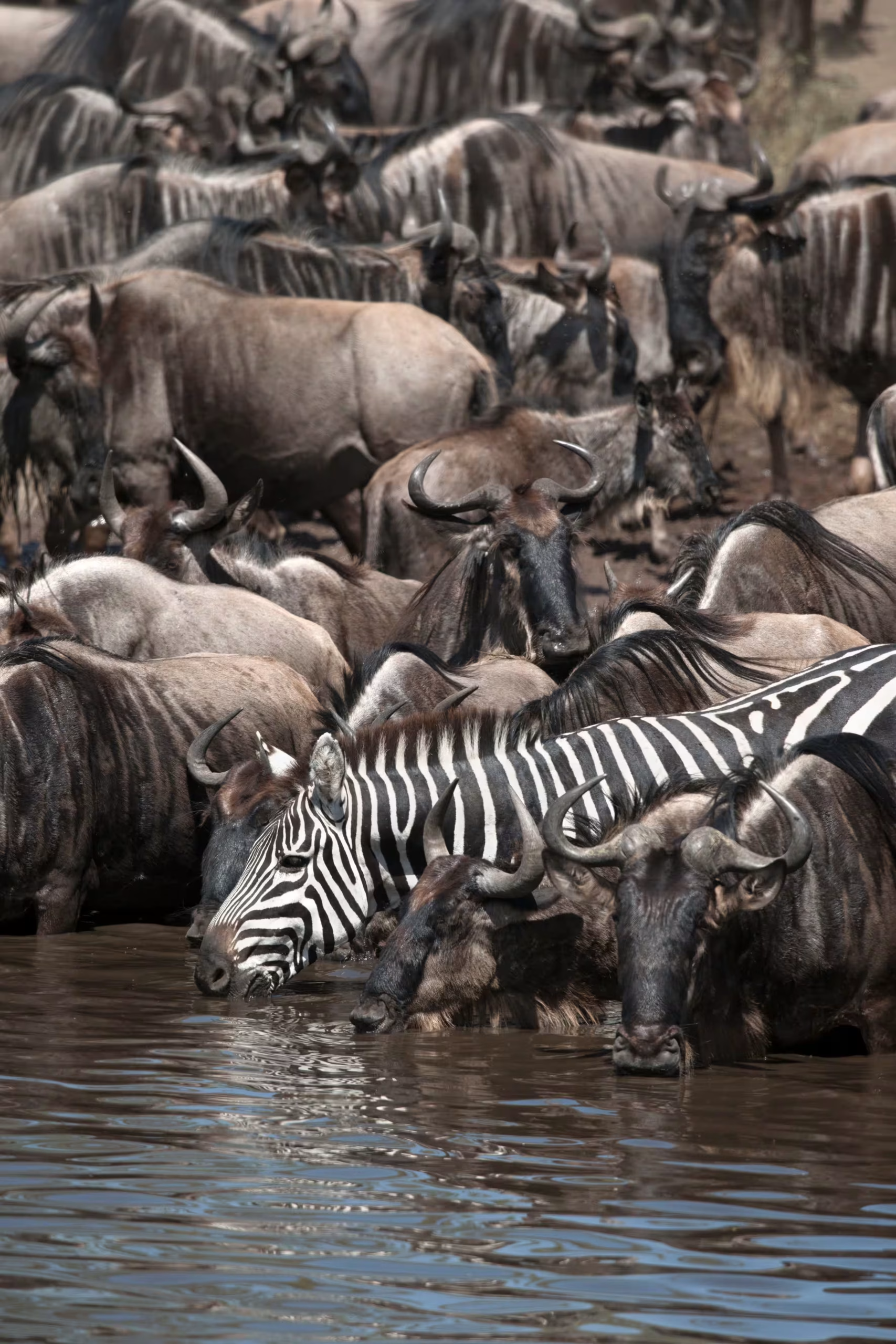
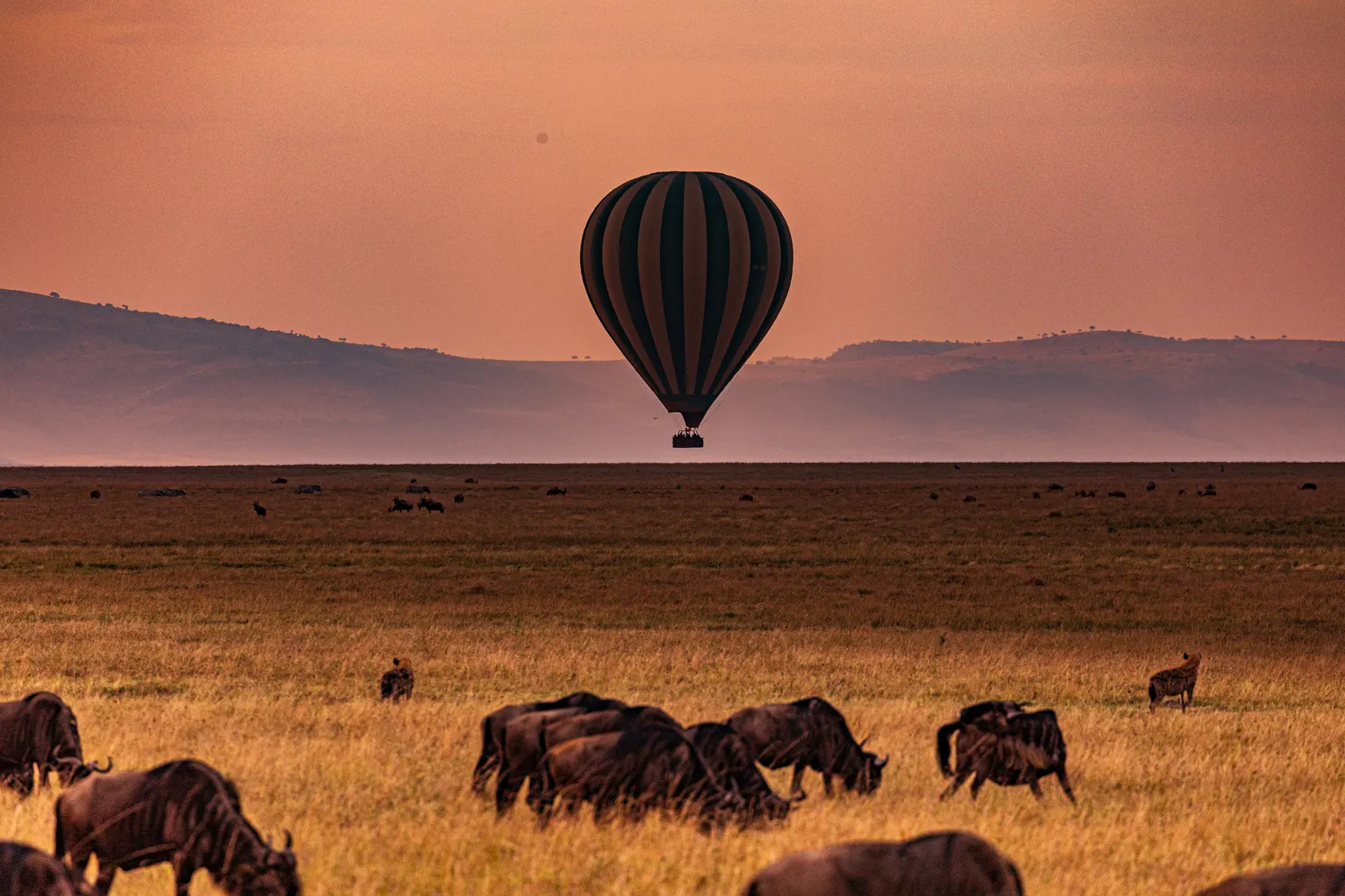
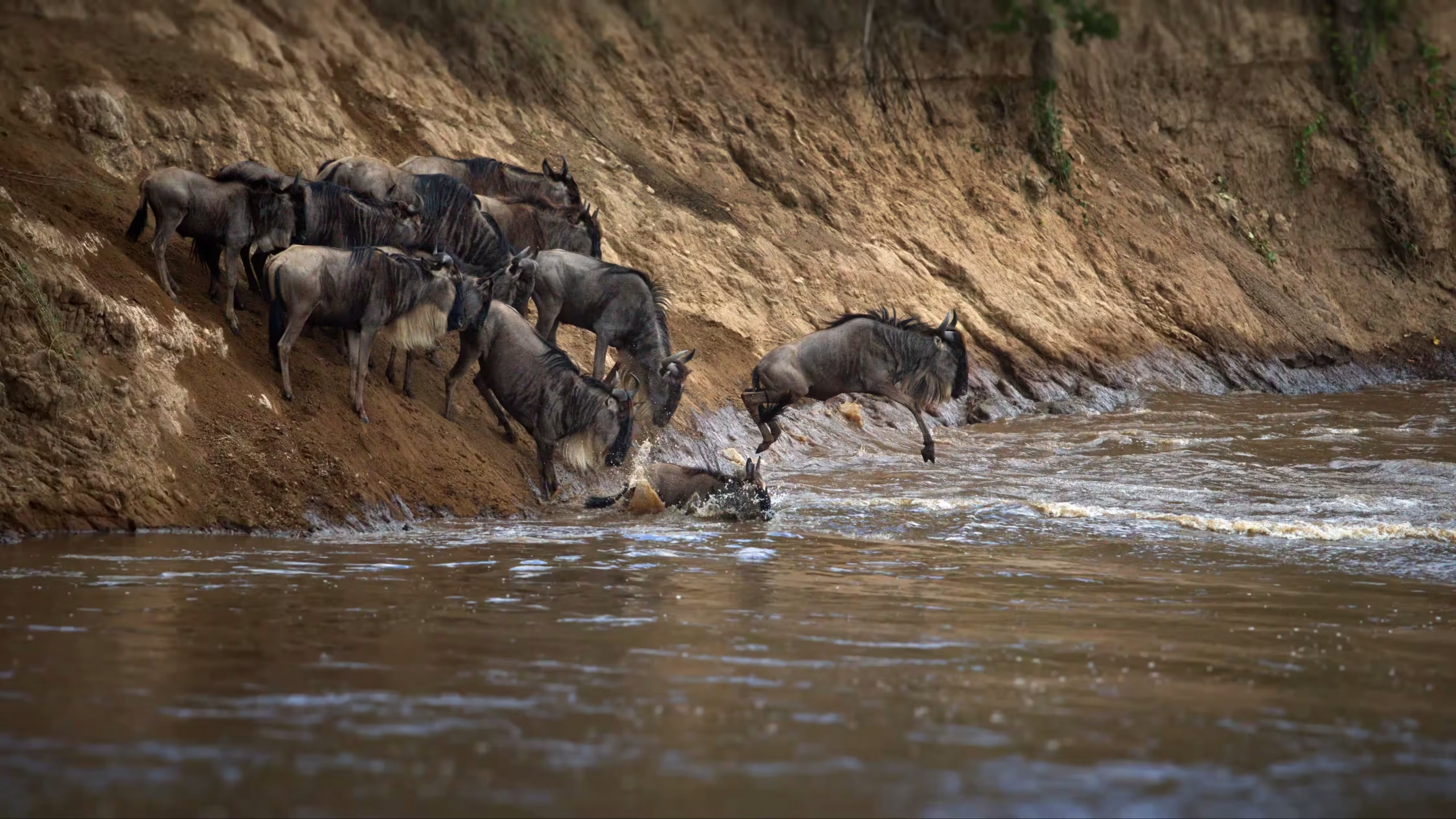
Northern Serengeti when the herds are stacked along the Mara. Crossings cannot be scheduled, so we give you three full days on the river.
Per guest, from:
$5,390$674 per night
JAN – MAR
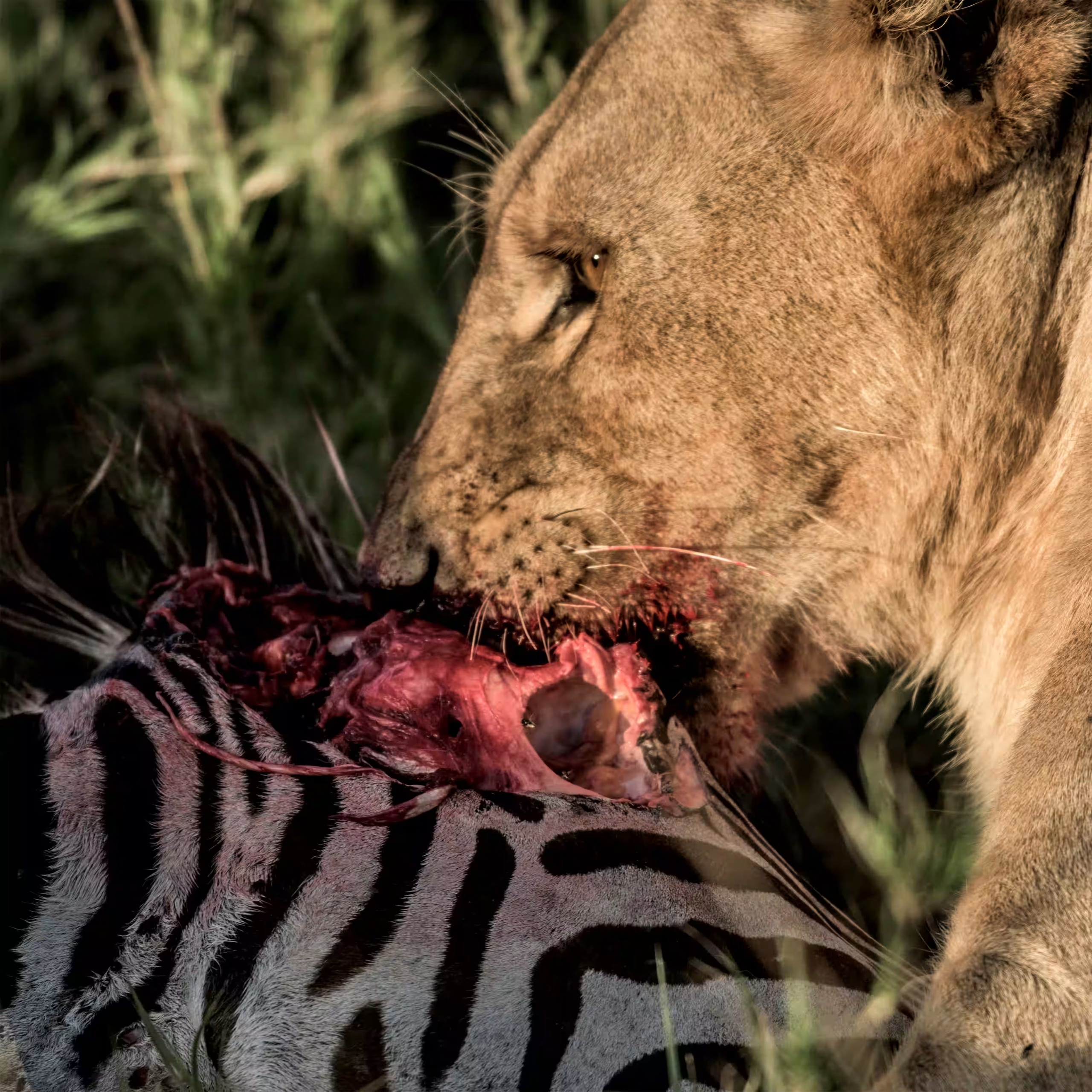
Half a million calves born in a few short weeks on the southern short-grass plains, and every predator in the ecosystem waiting for them.
Per guest, from:
$3,750$625 per night
MOBILE CAMP
A mobile camp that moves with the herds two or three times a year, so you wake where the wildlife is rather than driving to find it.
Per guest, from:
$4,080$680 per night
WILDLIFE WONDER
The crater floor at first light, before the day vehicles descend, then the highland forests and the Maasai grazing land above the rim.
Per guest, from:
$2,290$458 per night
MID-LUXURY
The shortest safari worth flying for: Tarangire's river herds, a full unhurried day on the crater floor, and Lake Manyara on the road home.
Per guest, from:
$1,630$543 per night
DRY SEASON
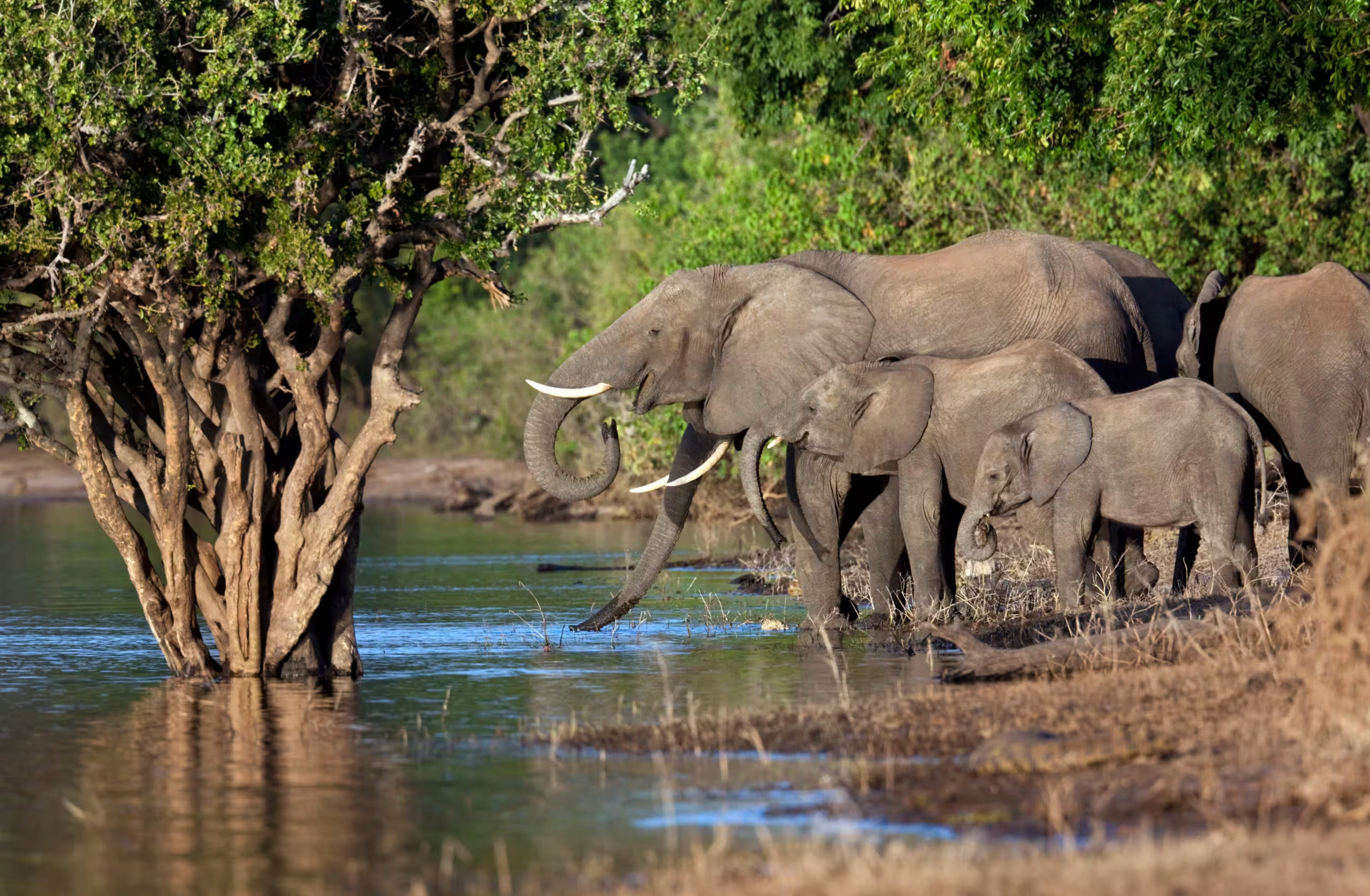
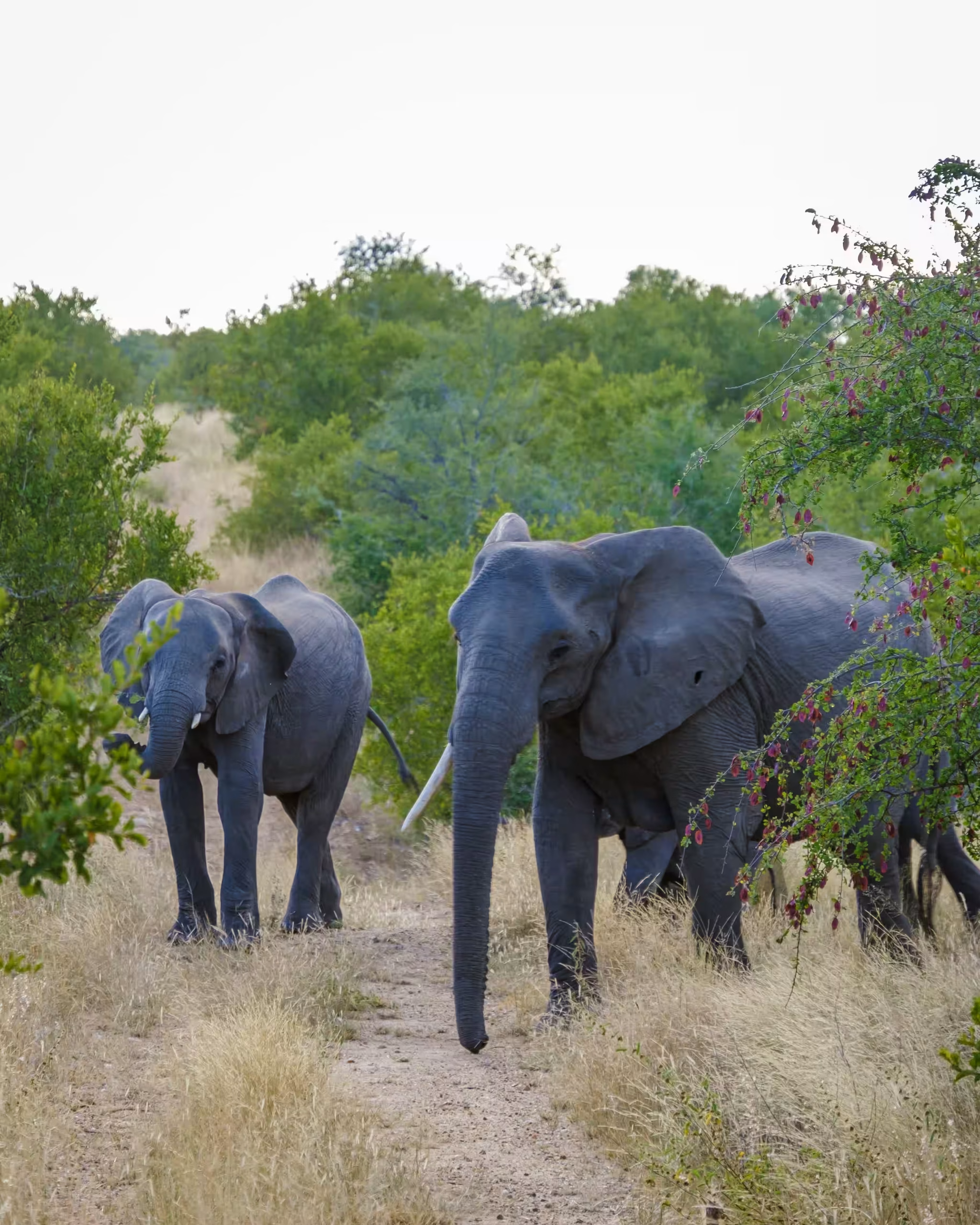
When the Tarangire River is the only water for miles, the elephant concentration here is the densest in northern Tanzania. Night drives are permitted.
Per guest, from:
$2,860$715 per night
WILDLIFE & CULTURE
Groundwater forest, flamingos on the soda lake, and a morning with the Hadzabe at Lake Eyasi arranged on their terms, not ours.
Per guest, from:
$2,700$540 per night
MOST REQUESTED
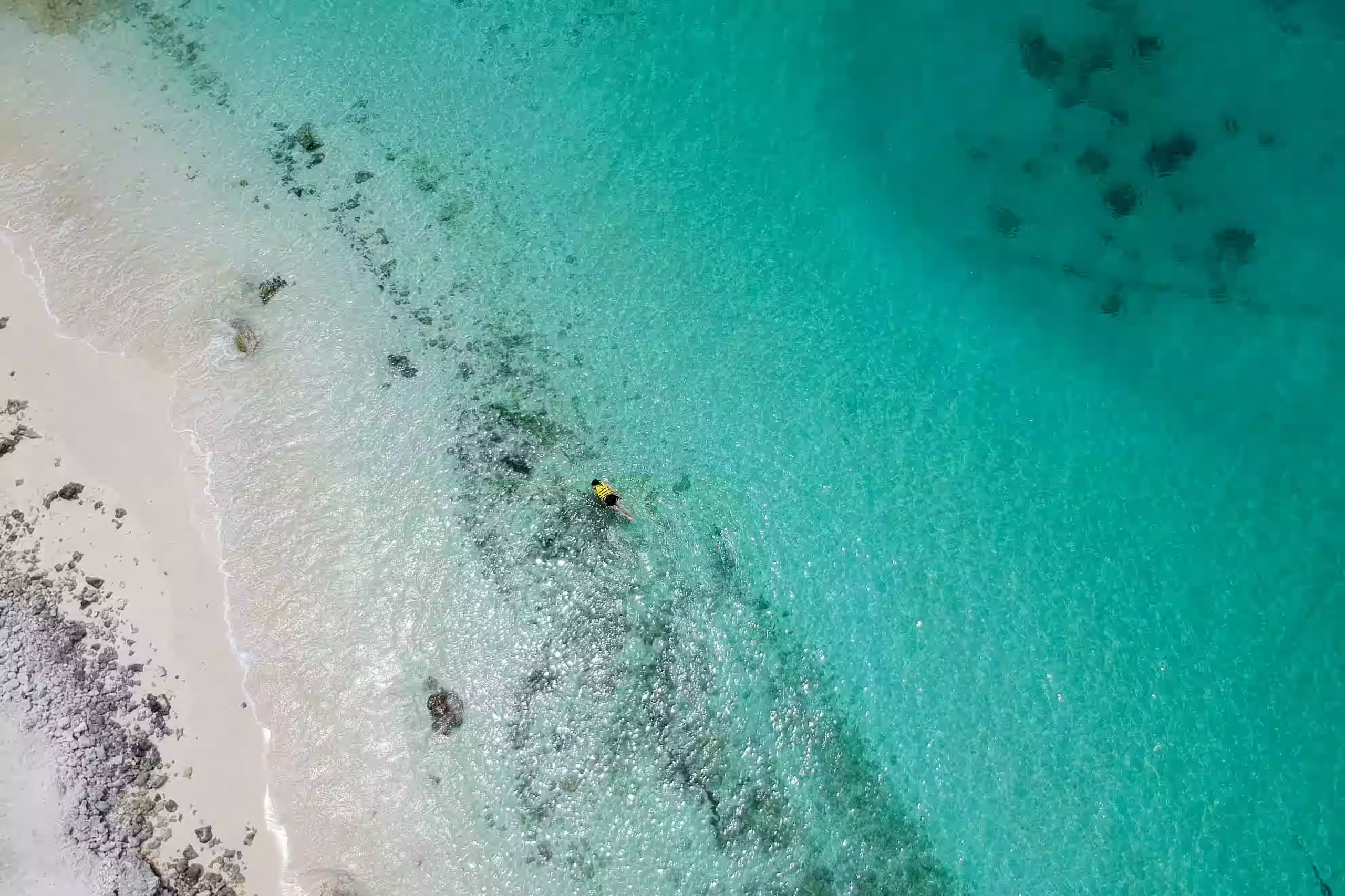
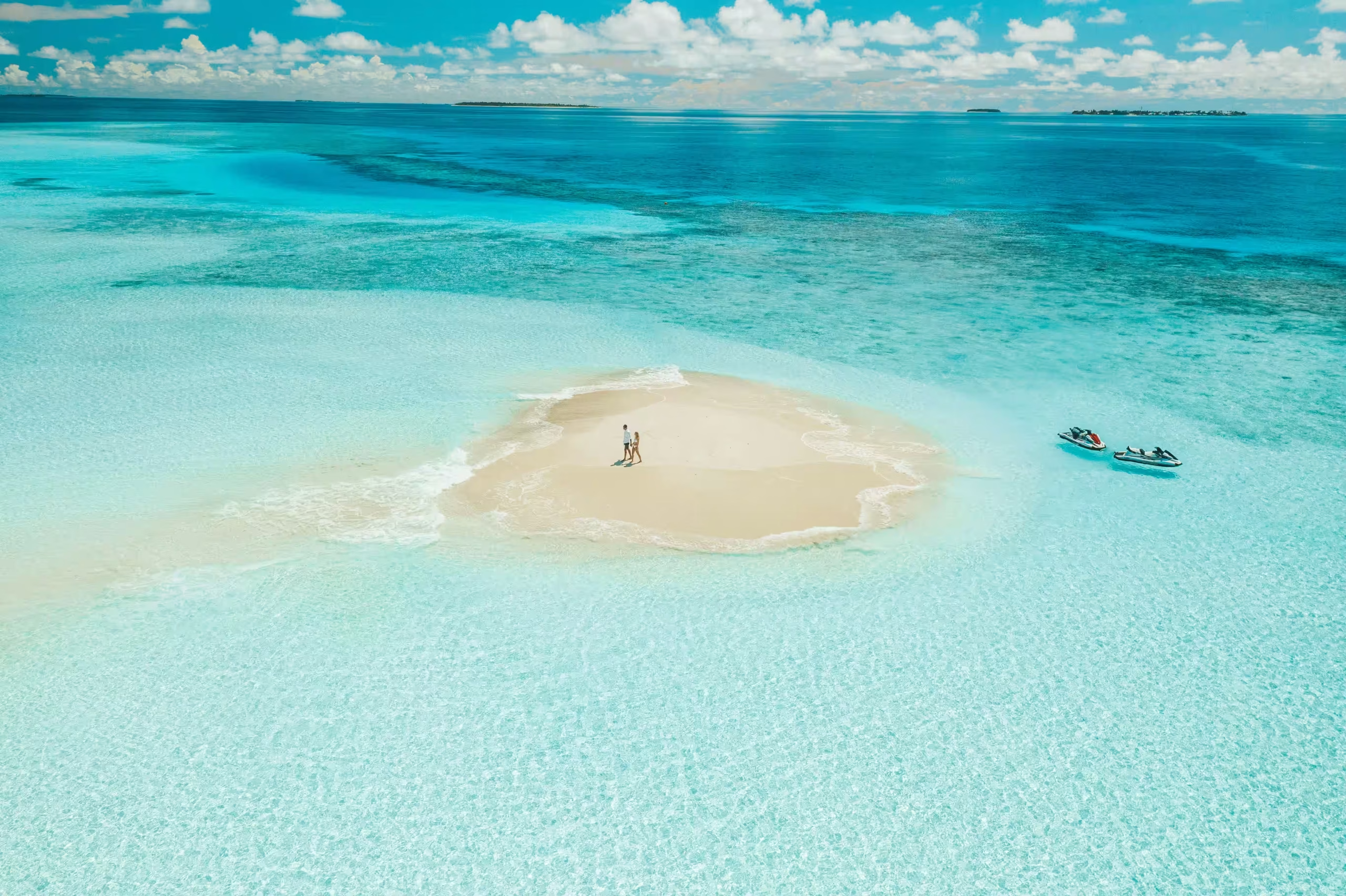
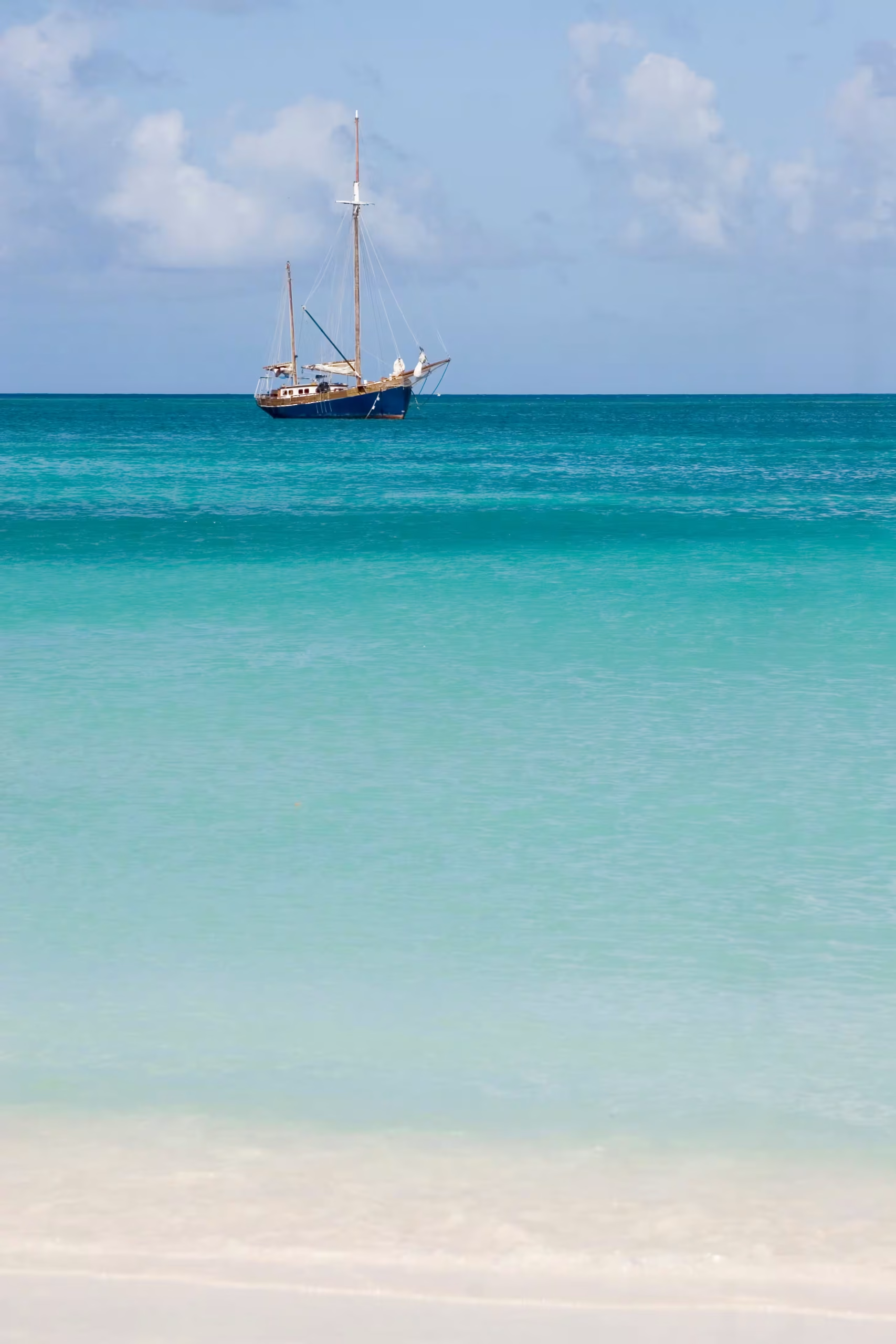
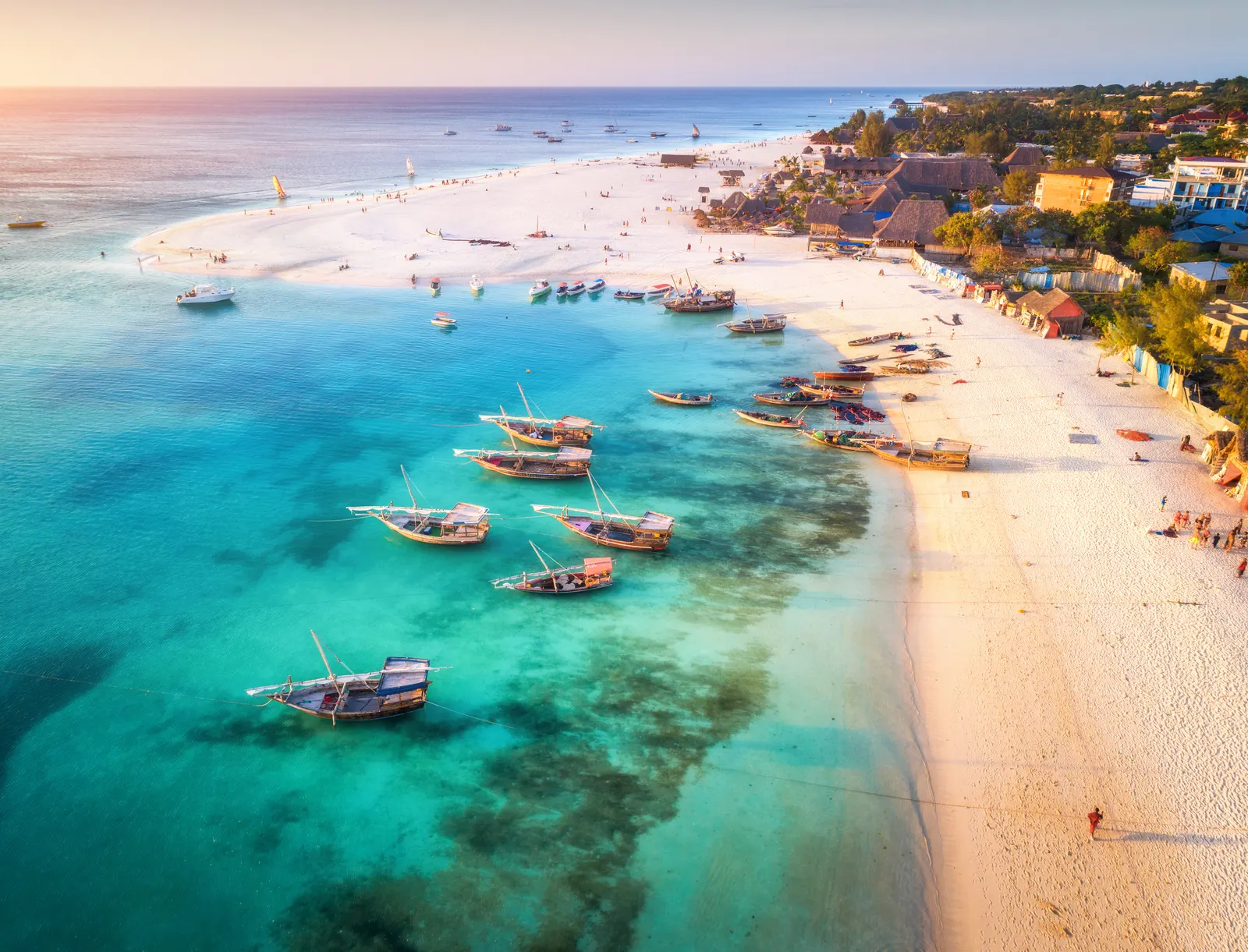
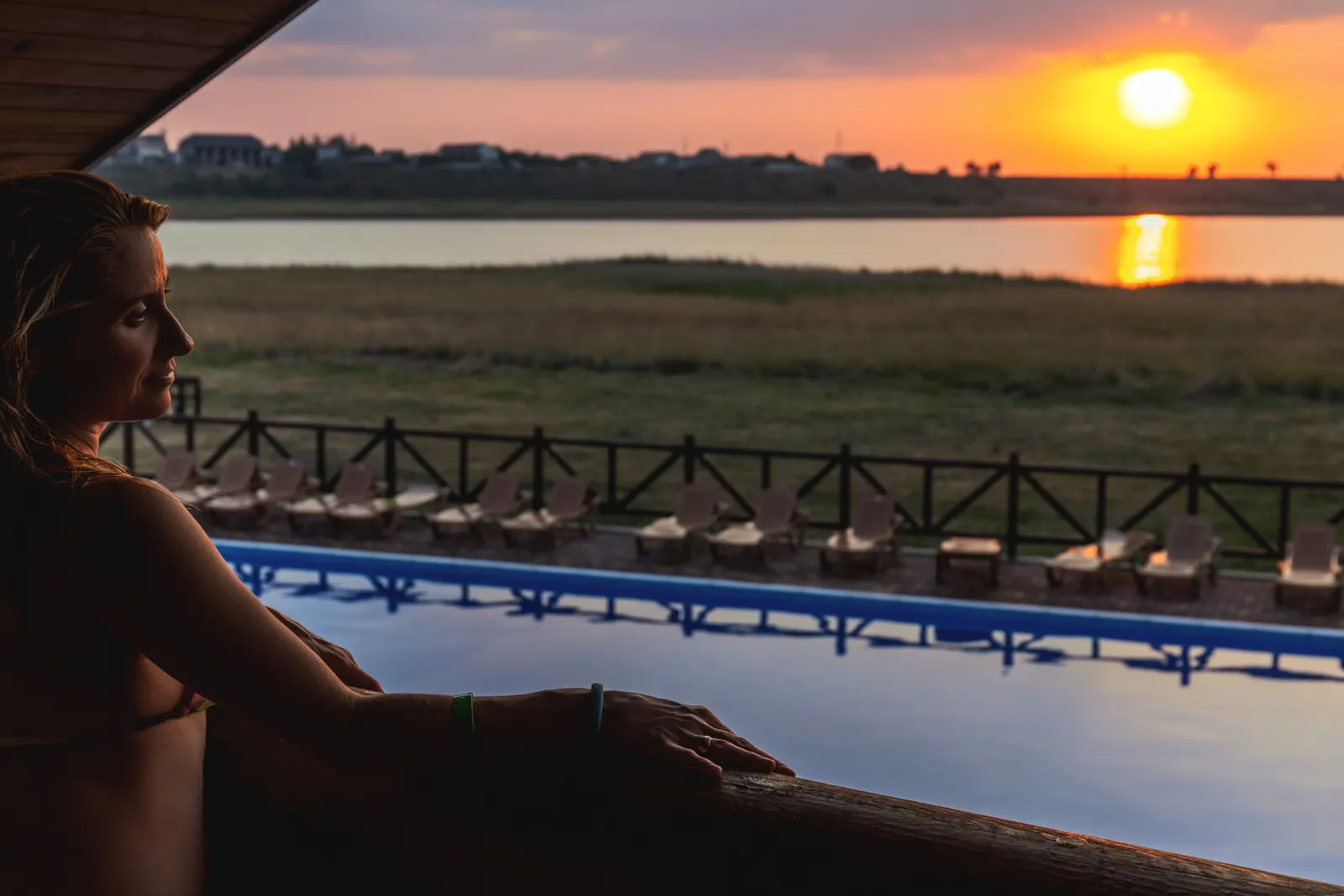
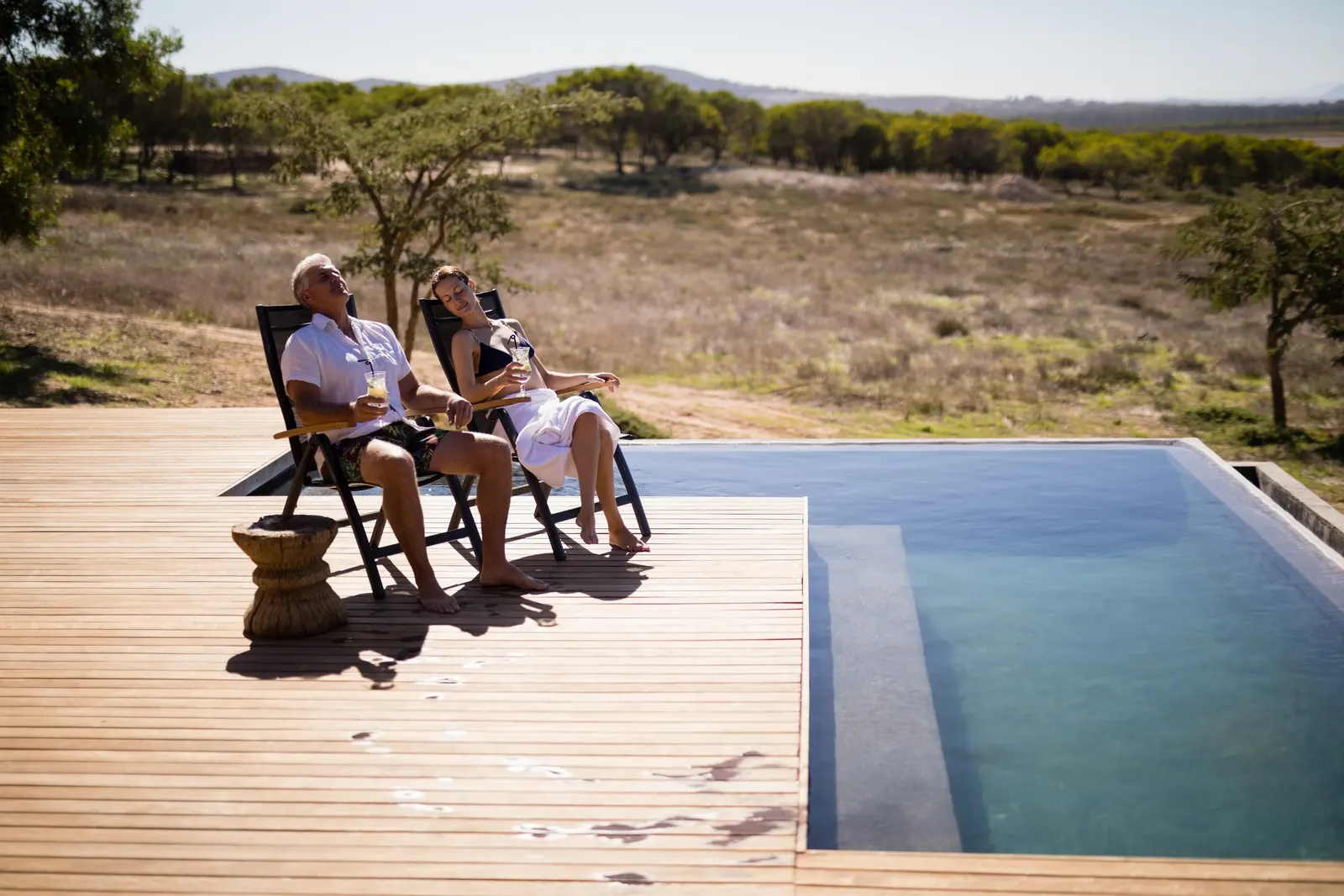
The northern circuit, then a short flight to the coast. Six nights of game viewing and four of doing nothing at all, in that order.
Per guest, from:
$5,440$544 per night
PEMBA ISLAND
Pemba instead of Zanzibar — the same ocean with a fraction of the people, and the better diving of the two by some distance.
Per guest, from:
$5,780$525 per night
AGES 6+
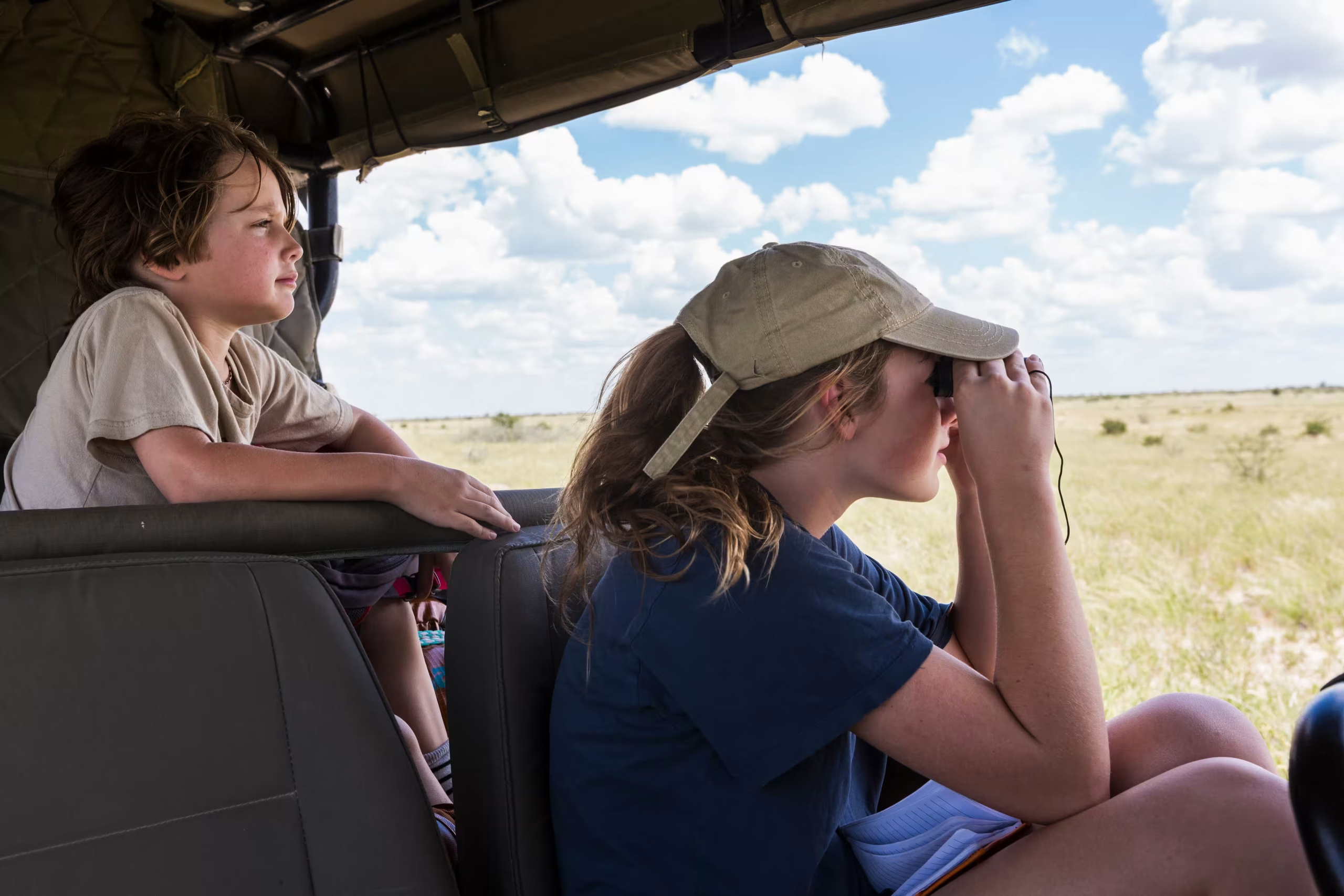
Private vehicle throughout so the day runs to your children's clock, shorter drives, and camps that actually want families rather than tolerating them.
Per guest, from:
$4,940$618 per night
FOR TWO
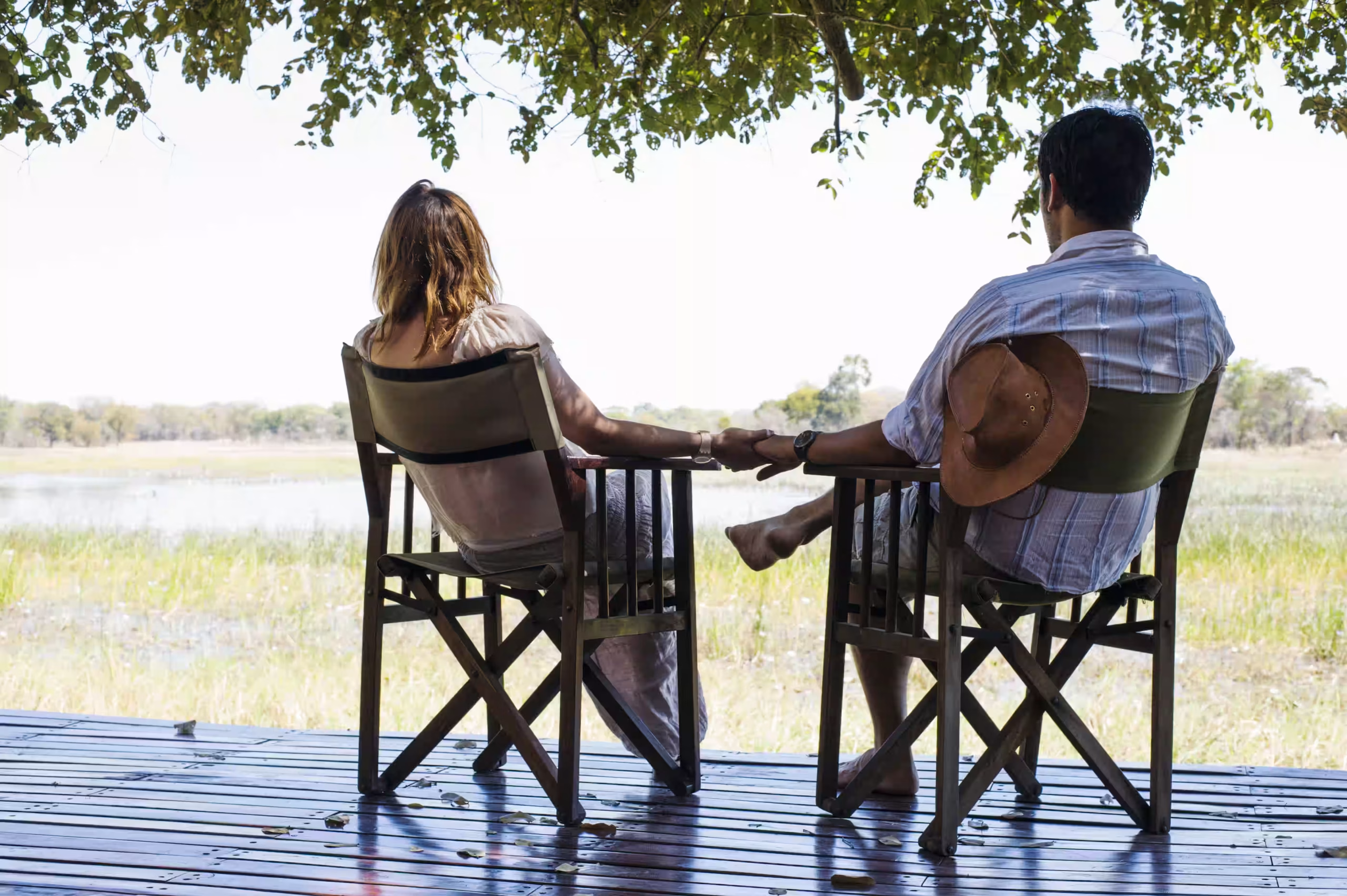
Small camps, a private vehicle, and a beach at the end of it. We write to every property in advance — camps are generous to honeymooners when somebody asks.
Per guest, from:
$5,570$619 per night
SIXTEEN NIGHTS
North, south and coast in one journey. The only itinerary we run that reaches both circuits without rushing either of them.
Per guest, from:
$10,690$668 per night
FEW VEHICLES
Tanzania's largest national park, and you will go whole mornings without seeing another vehicle. Big elephant, big lion prides, walking and night drives permitted.
Per guest, from:
$4,760$680 per night
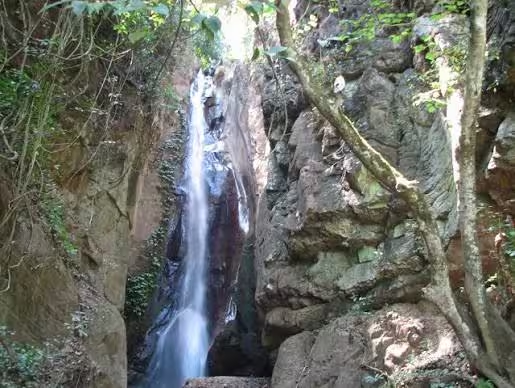
BOAT SAFARI
The Rufiji River makes this the one park where you can swap the vehicle for a boat, and see the bank from the water at the hour everything comes down to drink.
Per guest, from:
$5,140$857 per night
BOTH SOUTHERN PARKS
Both southern parks with a light-aircraft hop between them. The circuit most people never do, and the one guides ask to be sent on.
Per guest, from:
$8,650$865 per night
AGE 12+
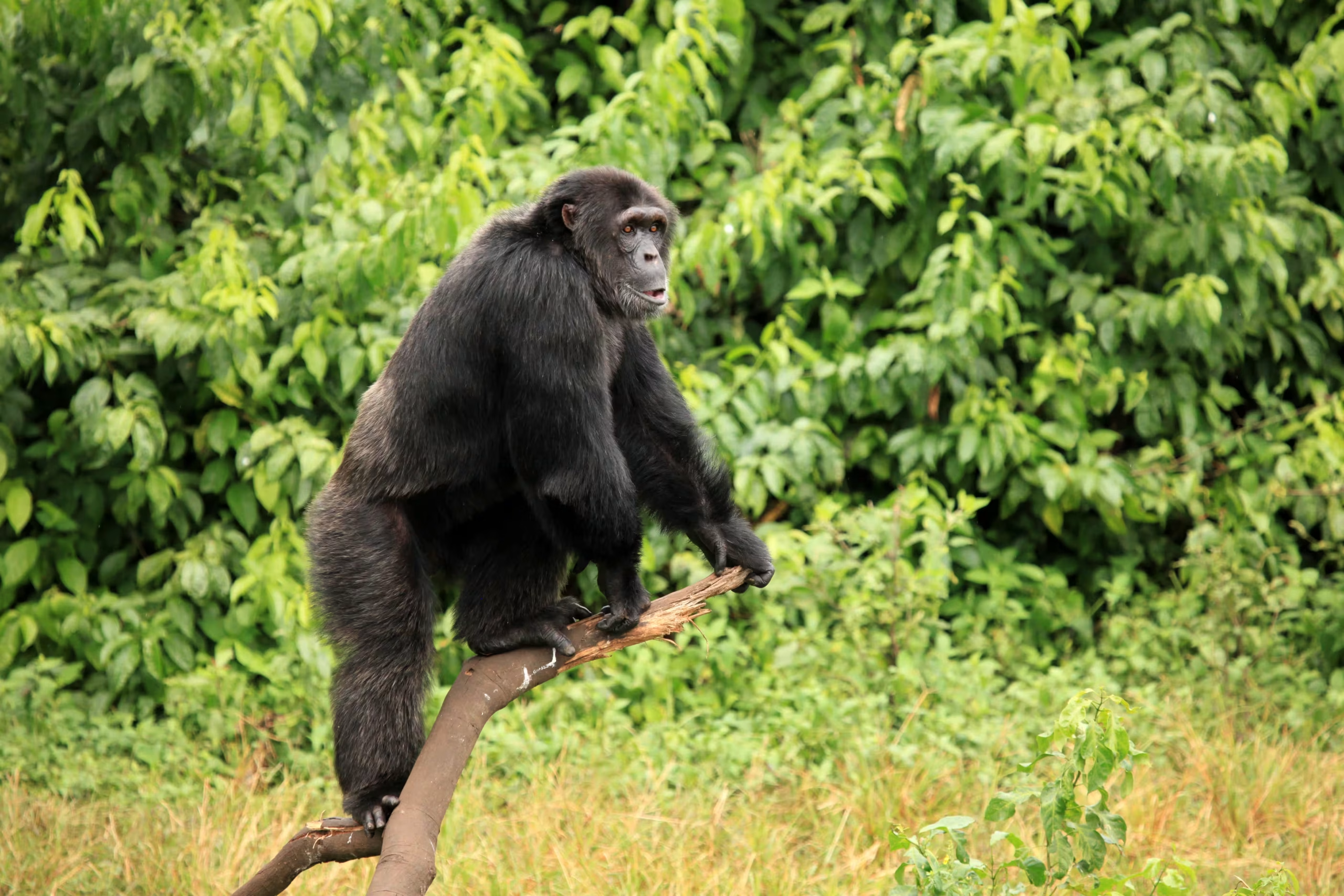
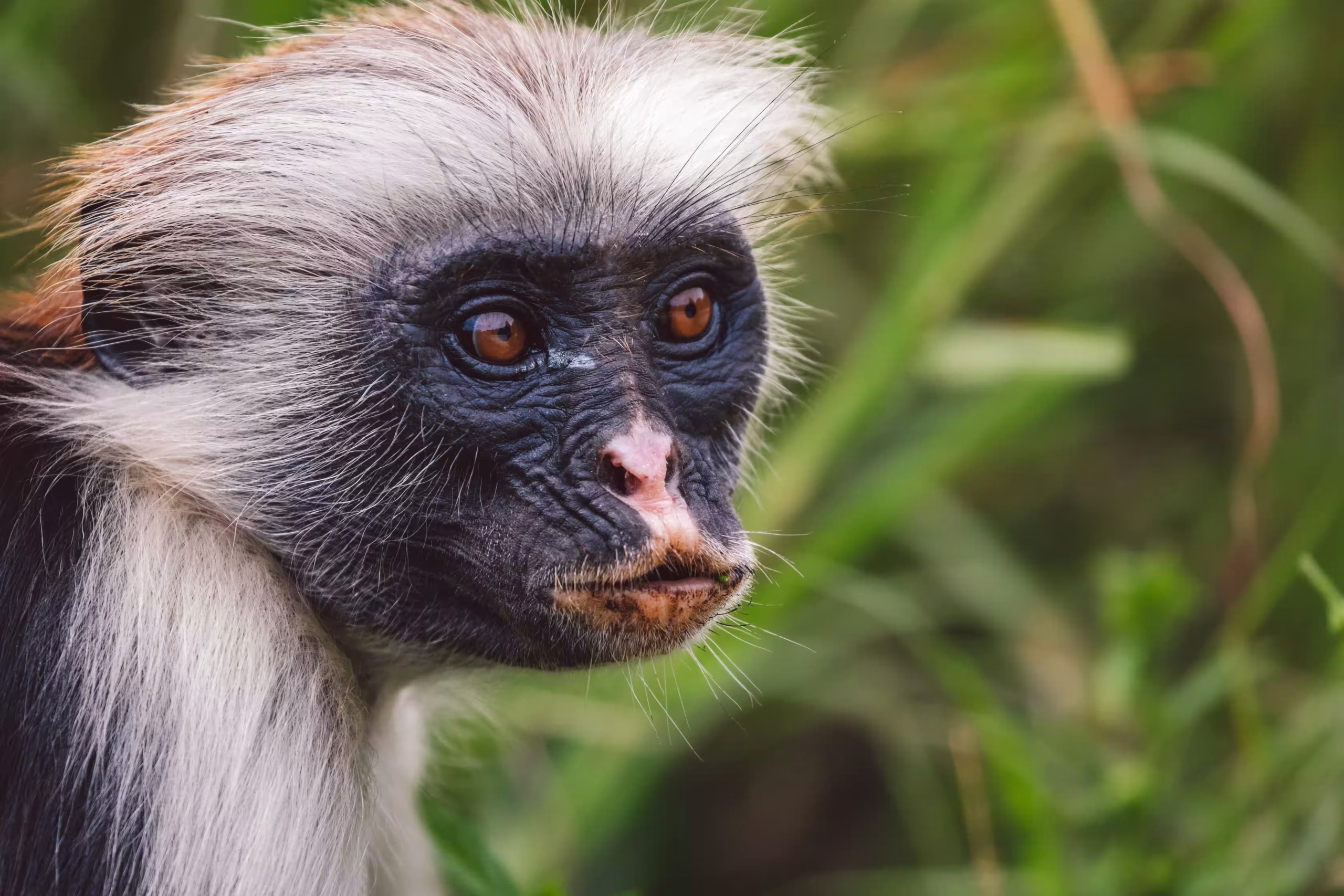
Forested mountains dropping straight into the clearest lake in Africa, and a habituated chimpanzee community you track on foot from the beach.
Per guest, from:
$13,610$1,944 per night
AGE 15+
The smallest national park in Tanzania and the most consequential — sixty years of continuous chimpanzee research, and you walk the same valleys.
Per guest, from:
$2,960$592 per night

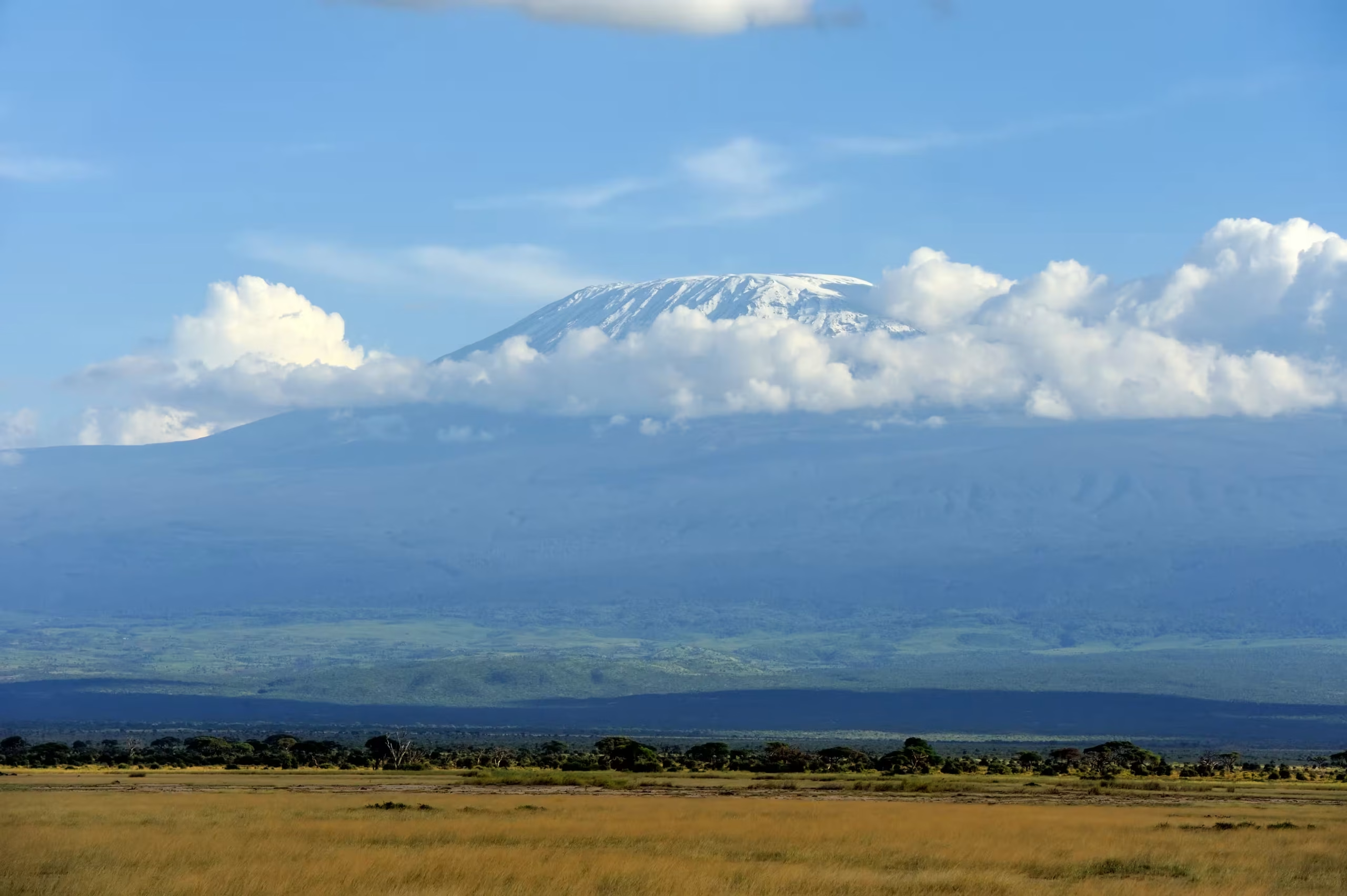
7 DAYS ON THE MOUNTAIN
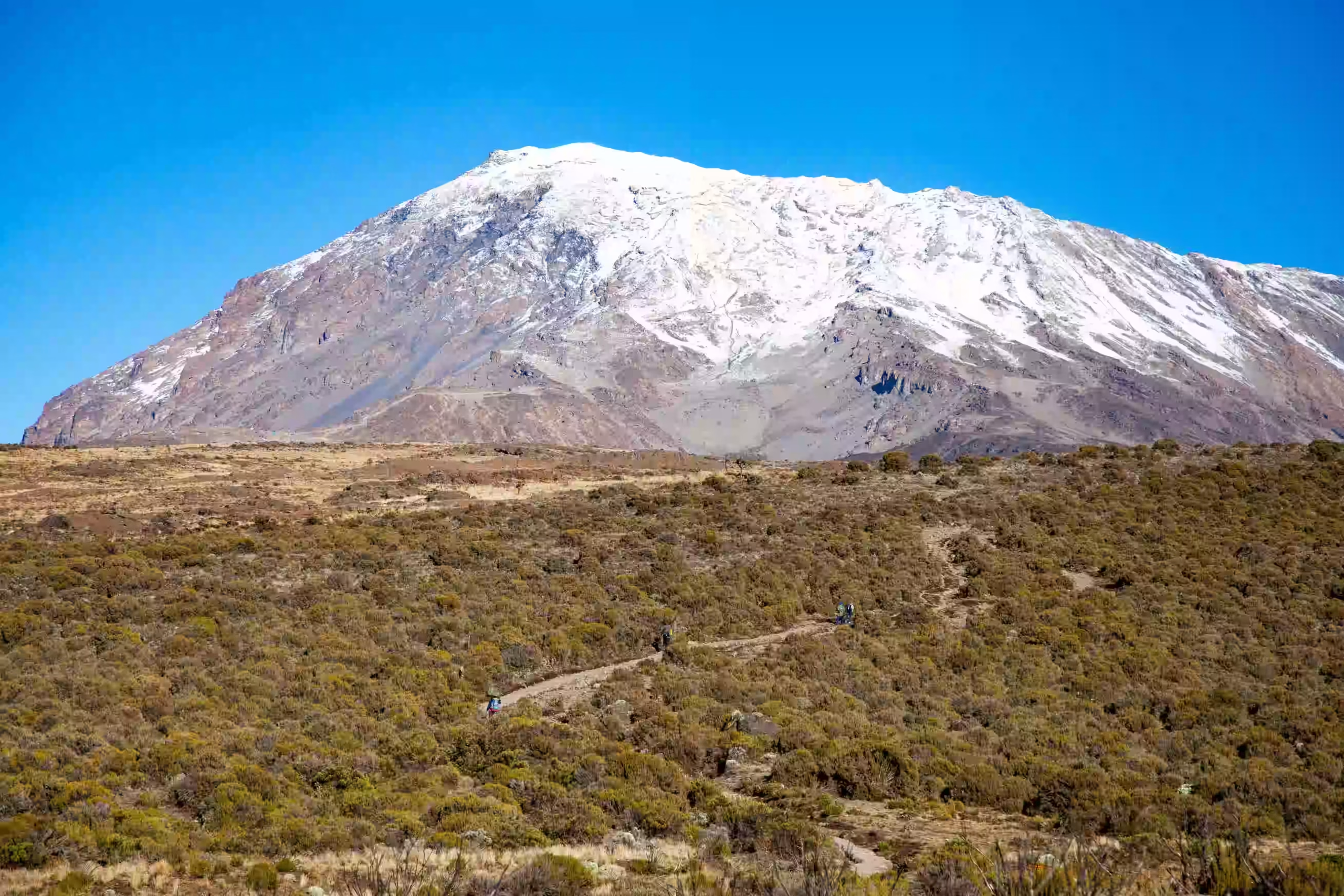
The most walked route to Uhuru Peak, and rightly — it climbs high and sleeps low, which is what gets people to the summit.
Per guest, from:
$2,330$333 per night

HUTS, NOT TENTS
The only route with sleeping huts, and one acclimatisation day at Horombo that the five-day version leaves out.
Per guest, from:
$1,900$317 per night
STEEP AND DIRECT
The steepest way up and the quietest forest, joining the southern circuit at Barranco. For climbers who have been high before.
Per guest, from:
$2,020$337 per night
THE DRY NORTH SIDE
Up from the Kenyan border through quiet wilderness and past Mawenzi Tarn, down the Marangu side. The drier choice in the shoulder months.
Per guest, from:
$2,350$336 per night
NINE DAYS ON THE MOUNTAIN
The longest route, around the quiet northern slopes. Nine days on the mountain give the body the most time to adjust of any route.
Per guest, from:
$2,960$329 per night
BEST ACCLIMATISATION
Longer, quieter and with the highest success rate of the popular routes. An extra day on the mountain buys more than any amount of training.
Per guest, from:
$2,650$331 per night
CLIMB THEN REST
Summit first, then four nights being driven around instead of walking. The order matters, and this is the right way round.
Per guest, from:
$5,740$522 per night
SHARED VEHICLE
A set departure shared with up to six others. The same guide and the same parks as a private trip, at the price that sharing a vehicle makes possible.
Per guest, from:
$3,780$630 per night
GROUP CLIMB
A scheduled group climb. Climbing with others is not a compromise on Kilimanjaro — a bigger group is a stronger one on summit night.
Per guest, from:
$2,310$330 per night
SHARED TRANSFERS
Stone Town, a spice farm and the east-coast beaches on shared transfers — the cheapest honest way to add the island to a safari.
Per guest, from:
$1,310$262 per night
YOUR GUIDE ONLY
One guide, one vehicle, no fixed schedule. You decide each morning whether to follow yesterday's tracks or go somewhere else entirely.
Per guest, from:
$7,890$877 per night
NOV – MAR
Storm light, clean skies and newborn animals. Fewer vehicles, lower rates, and the best photographic conditions of the year if you can take the rain.
Per guest, from:
$5,340$668 per night
DEC – JAN
Christmas and New Year in the Serengeti. Camps fill a year ahead for these dates, which is the whole argument for booking early.
Per guest, from:
$5,990$749 per night
No journey matches all of those filters — but that does not mean we cannot build it.
Tell us what you wantBefore you book anything
Most of what separates a good Tanzanian safari from a tiring one is decided before anybody quotes you a price.
In Tanzania the calendar sets the trip, not the other way round. The migration is in a different part of the Serengeti in February than in August, and a route built for the wrong month is the most common way a safari disappoints. Tell us your dates first.
See where the herds are, month by monthOne night in a park means arriving at dusk and leaving after breakfast, with a half-day drive in between. Four parks in four nights reads well on paper and is exhausting in practice. Fewer places, properly seen, is the single biggest difference between a good safari and a tiring one.
How the classic route is pacedA joining safari puts up to seven guests in one vehicle with the same guide, the same parks and the same camps. If your dates are fixed and your budget matters more than your schedule, it is the better trip. If you want to decide each morning what the day looks like, go private.
Compare joining and privateRuaha and Nyerere carry a fraction of the vehicles for comparable game viewing, and both permit walking and night drives that the Serengeti and the Crater do not. On a second Tanzanian safari, go south.
The southern parksSafari days start before dawn and involve a lot of driving. Doing that after a week on a beach is a shock; doing the beach afterwards is a reward. Every bush-and-beach itinerary we sell runs in that order for a reason.
Bush & beach itinerariesPark entry, the Ngorongoro conservation levy and the crater descent fee are roughly a third of the cost of a northern-circuit safari. An operator who will not itemise them is hiding something, and a tariff rise becomes your surcharge later.
What our prices includeWhen to go
Where the herds are, what the weather does, and which parks are at their best. The migration is a continuous circuit, not an event with a date.
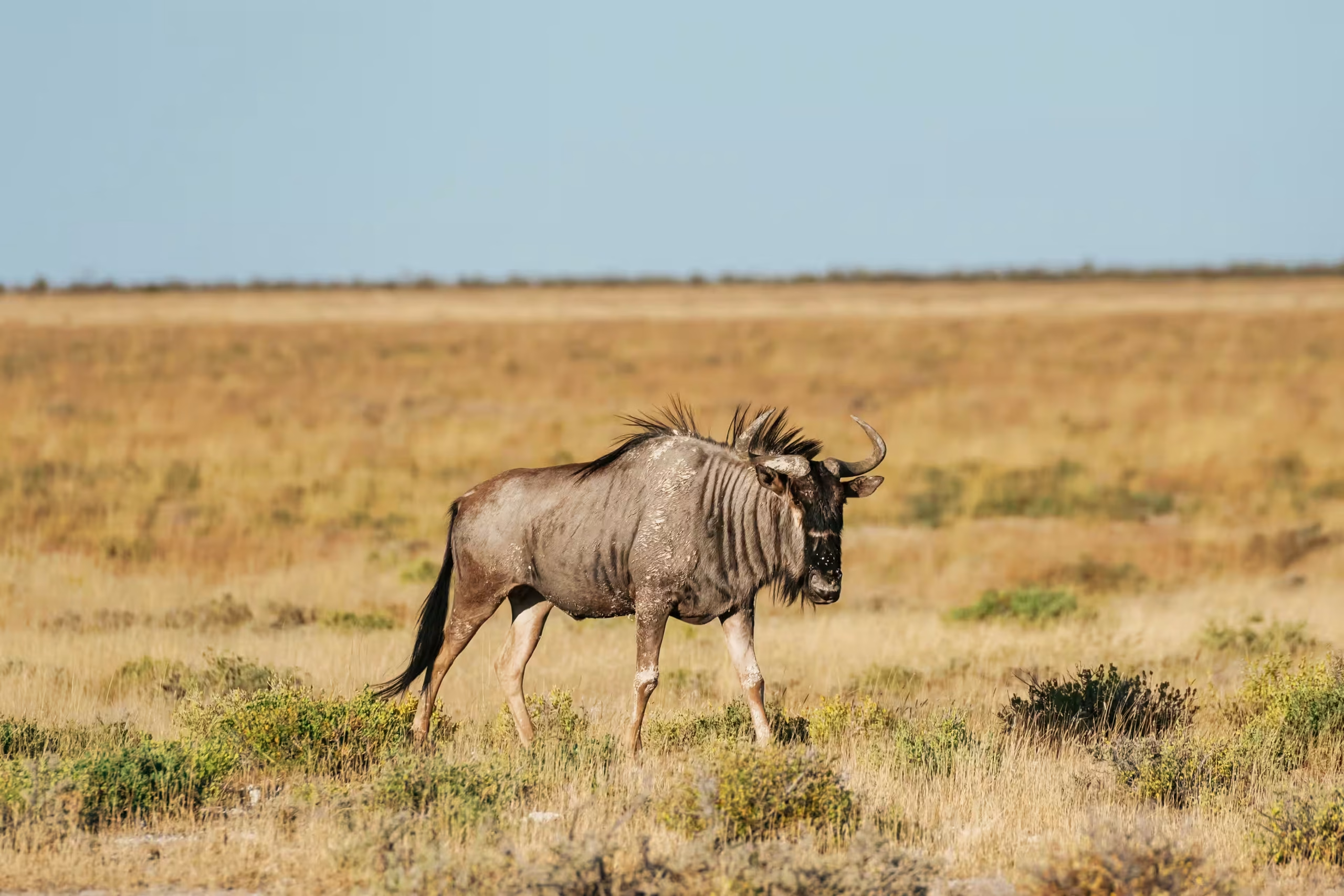
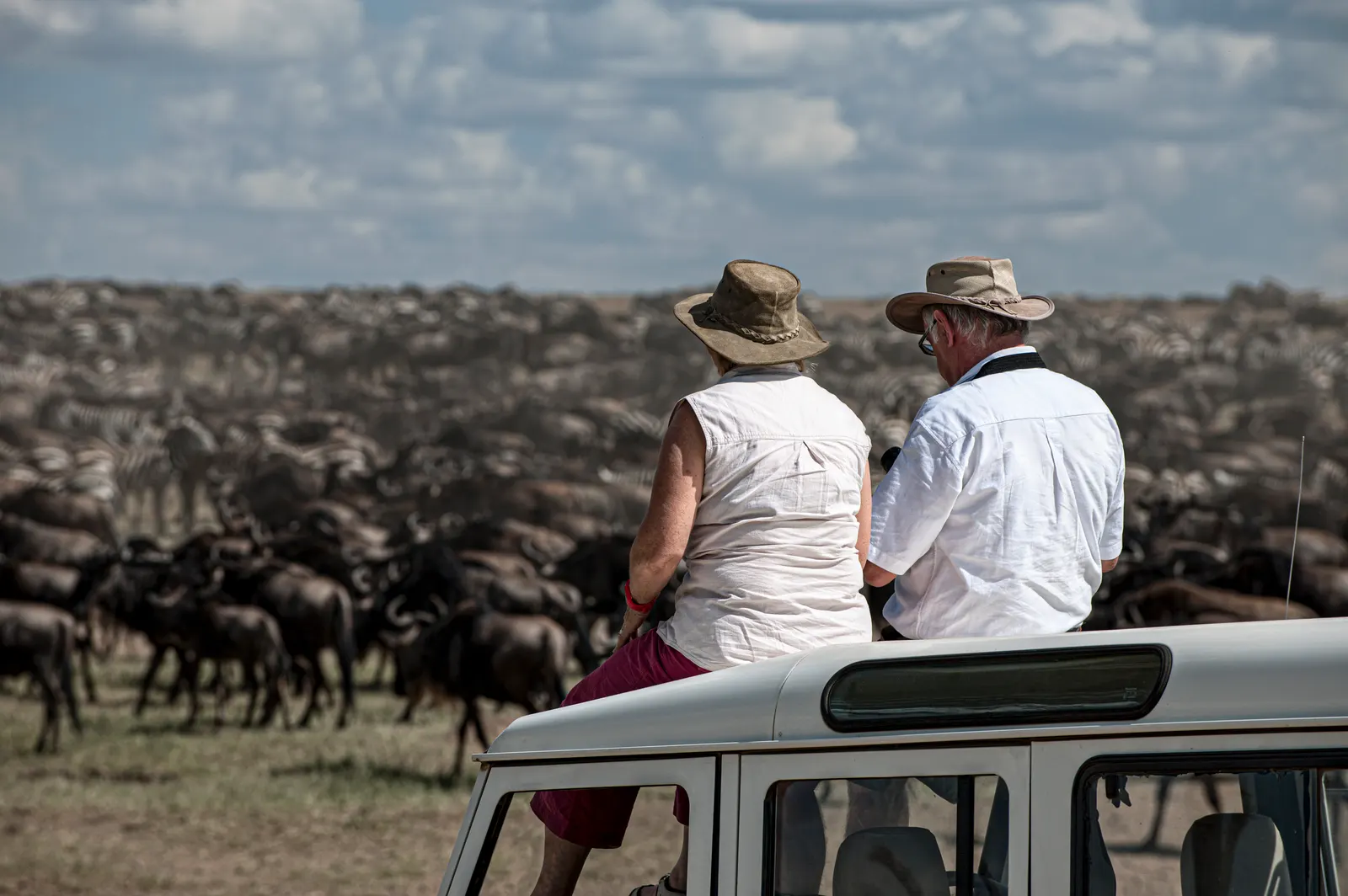
The herds are on the short-grass plains around Ndutu. Roughly half a million calves are born inside a few weeks, and the predator action is the most concentrated of the year.
Read moreGreen, quiet and cheap. The herds drift north-west through the central Serengeti. Some camps close; roads in the southern parks can become difficult. The photography is the best of the year if you accept the weather.
Read moreHerds mass in the Western Corridor with the Grumeti River to cross. Elsewhere the bush thins and animals concentrate on permanent water, which is why June onward is the classic safari window.
Read moreThe season people picture when they picture the migration. Crossings are unpredictable and cannot be booked — the only defence is to give yourself several days on the river.
Read moreThe columns head back down through Lobo and Loliondo. Shoulder-season rates, and the first green after the dry months.
Read moreThe herds are down south again and the festive period fills the northern-circuit camps completely. These dates are booked a year ahead.
Read moreWhere these journeys go
Twelve places, each with its own season, its own rules on walking and night drives, and its own reason to be on your itinerary.

Serengeti National Park
Fourteen thousand square kilometres of plains, woodland and river country, and the stage for the migration. Big enough that where you stay inside it matters more than the fact you are in it.

Ngorongoro Conservation Area
An intact volcanic caldera with its own resident wildlife population, and the one place in Tanzania where Maasai pastoralists and wildlife legally share the land.

Tarangire National Park
Baobabs, and the densest dry-season elephant concentration in the north. Night drives are permitted here, which they are not in the Serengeti or the Crater.

Mahale Mountains National Park
Forested mountains on the shore of Lake Tanganyika, reached by light aircraft and boat, with a habituated chimpanzee community. Minimum age 12.

Zanzibar
Stone Town, the spice farms and the east-coast beaches. Ninety minutes by air from the Serengeti, which is what makes bush and beach work.

Arusha
The gateway to the northern circuit and where our office is. Most northern itineraries begin and end here.

Lake Manyara National Park
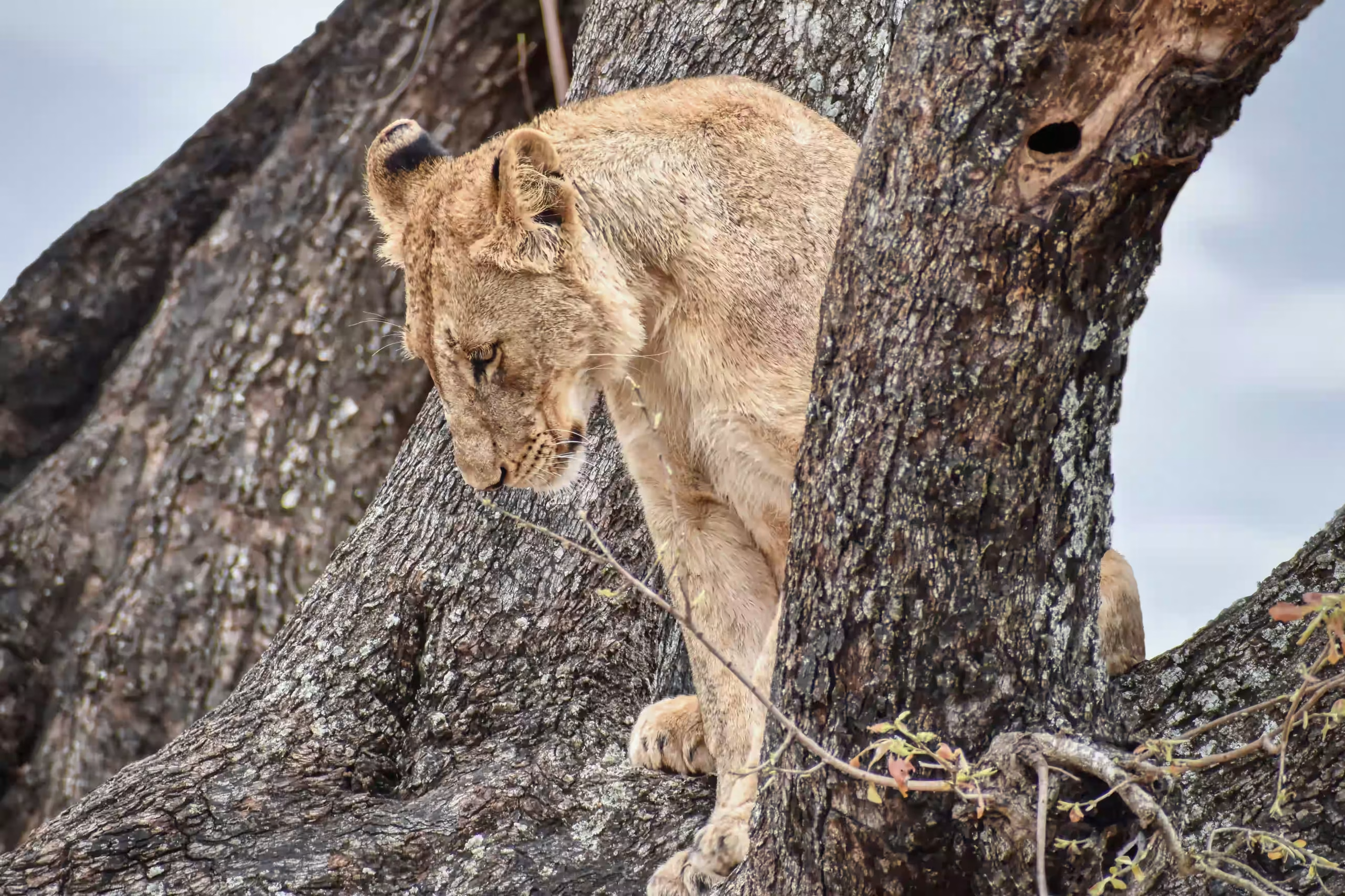
A narrow strip between the Rift wall and a soda lake — groundwater forest, flamingos, and the tree-climbing lions it is known for.

Ruaha National Park
The largest national park in the country and one of the emptiest. Walking and night drives are permitted, and you can spend a morning without meeting another vehicle.

Gombe National Park
Tanzania's smallest national park and the site of the longest-running study of wild chimpanzees anywhere. Minimum age 15.

Pemba Island
Zanzibar's quieter neighbour, greener, far less visited, and the better of the two for diving.

Kilimanjaro National Park
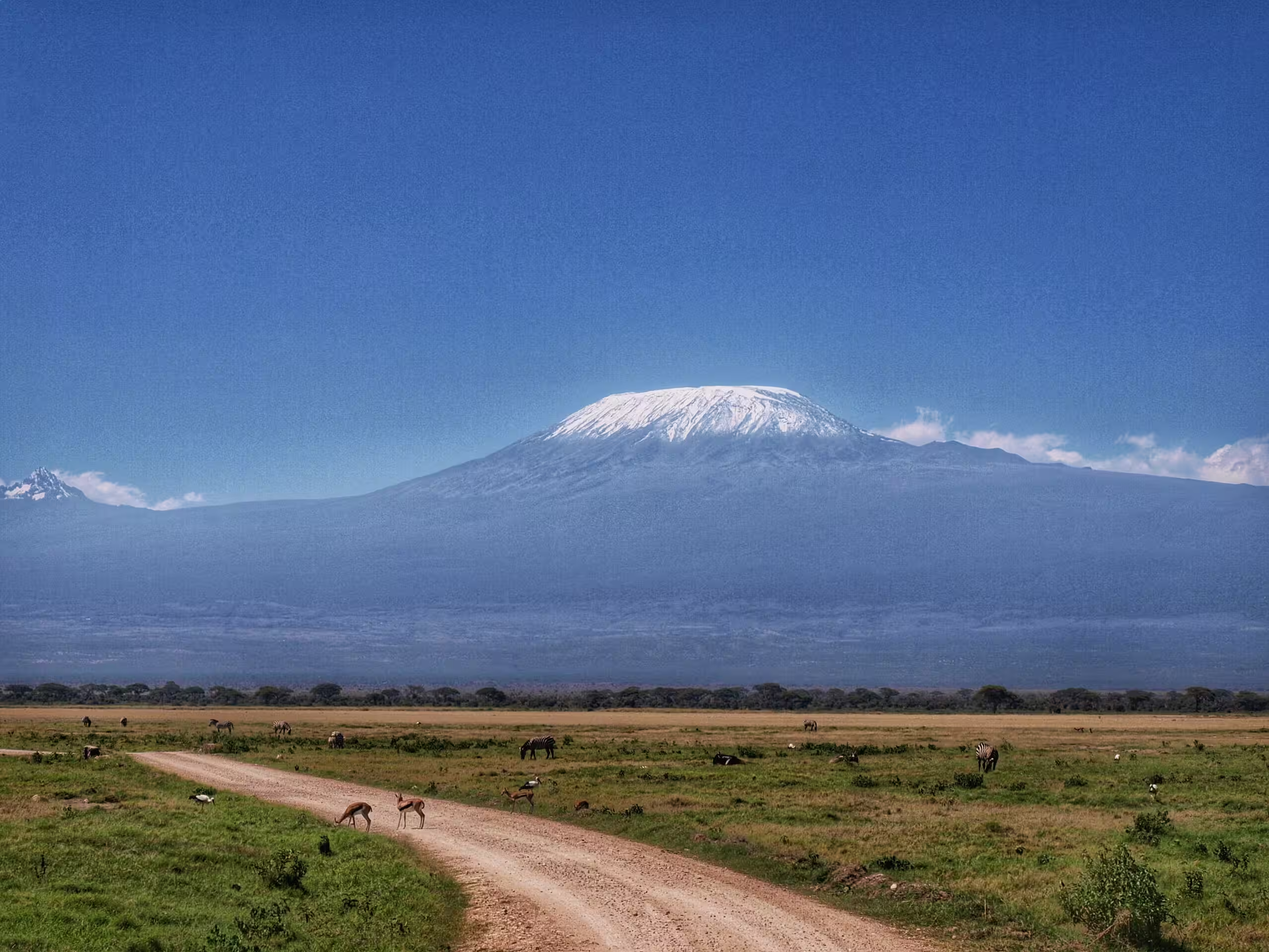
The highest mountain in Africa at 5,895 metres, and a walk rather than a climb — but a walk that a great many people underestimate.

Nyerere National Park
Formerly the northern Selous. The Rufiji River makes boat safaris possible, which no northern park offers.
Common questions
Seven nights is the shortest trip that covers the northern circuit without a single-night stop anywhere. Five nights works if you drop one park. Under four nights, fly between camps rather than drive, or the trip becomes a road journey with animals attached.
June to October is the classic dry season: thin bush, animals concentrated on permanent water, and the Mara River crossings from July. January and February are the calving season on the southern Serengeti plains. March to May is green, quiet and cheapest, with the long rains.
It is a continuous circuit, not an event. Broadly: southern plains and Ndutu from December to March, west through the Grumeti in June and July, the northern Serengeti and the Mara River from July to October, then south again through Lobo in November. Tell us your month and we will build the route around where the herds will actually be.
No. Park entry, the Ngorongoro conservation levy and the crater descent fee are included and itemised in every quote we send. They are roughly a third of the price of a northern-circuit safari, and no operator can discount them — they are set by TANAPA and the Ngorongoro Conservation Area Authority.
A joining safari is a set departure shared with up to seven guests in one vehicle. A private safari is your party alone, with your own guide and vehicle, on dates you choose. The parks, the guide's licence and the camps can be identical — what you buy with a private trip is control of the schedule.
Yes, and most people should. It is a short flight from the Serengeti or Arusha to the coast. We always run the safari first and the beach afterwards — safari days start before dawn, and they are much harder to do after a week of lying still.
Serengeti National Park sets a minimum of five for game drives and most operators apply six. Many camps set six and some luxury lodges set twelve. Under-sixes are possible at family-friendly lodges with a private vehicle. Mahale chimpanzee trekking is twelve and over, Gombe fifteen and over.
In some parks. Night drives are permitted in Tarangire, Lake Manyara, Ruaha, Nyerere, Katavi and Mikumi, and are not permitted in the Serengeti or the Ngorongoro Crater. Walking safaris with an armed ranger are available in several parks and on private concessions bordering them.
Keep looking
Everything else on this site
Kinds of safari
Parks & islands
On safari
Then say so. Every journey on this page started as somebody's awkward set of dates. Tell us the month, the party and roughly the budget, and we will send back a route rather than a brochure.
"Every journey we craft is as unique as the traveller who takes it." — Places of Africa Safaris
Plan Your Safari
Tell us your dream — we'll craft it into reality, step by step.
✓Live Specialist
✓a real-time response.
Tell us a little about the trip you have in mind. A planner in Arusha will write back within one working day.
Talk to us through WhatsApp
Places of Africa SafarisPlanner