THE CLASSIC ROUTE
The Northern Circuit, Properly Paced
Tarangire, Manyara, the Ngorongoro Crater and the Serengeti, with two nights everywhere that deserves them and no single-night stops.
Per guest, from:
$4,680$669 per night
DESTINATIONS
SAFARI COLLECTIONS
LIFE ON SAFARI
WHY PLACES OF AFRICA
EXCLUSIVE OFFERS

Home/Find a Journey/Dry Season 2026
June to October. The bush thins, the animals come to permanent water, and the northern Serengeti fills with herds waiting on the Mara.
COL-01 · Jun – Oct
If somebody tells you there is a best time to go on safari in Tanzania, this is the season they mean. It is also the season everybody else means, which is the one thing worth planning around.
Game viewing
How reliably you see a lot, without luck.
Weather
Dry, clear and predictable, versus not.
Few vehicles
How much of a sighting you get to yourself.
Value
What the same itinerary costs against peak.
The case for it
Grass is short and the leaf cover drops. Animals that spent the green months invisible fifty metres from the track are suddenly in plain sight, and a sighting lasts as long as you want it to rather than as long as the animal stays in the gap.
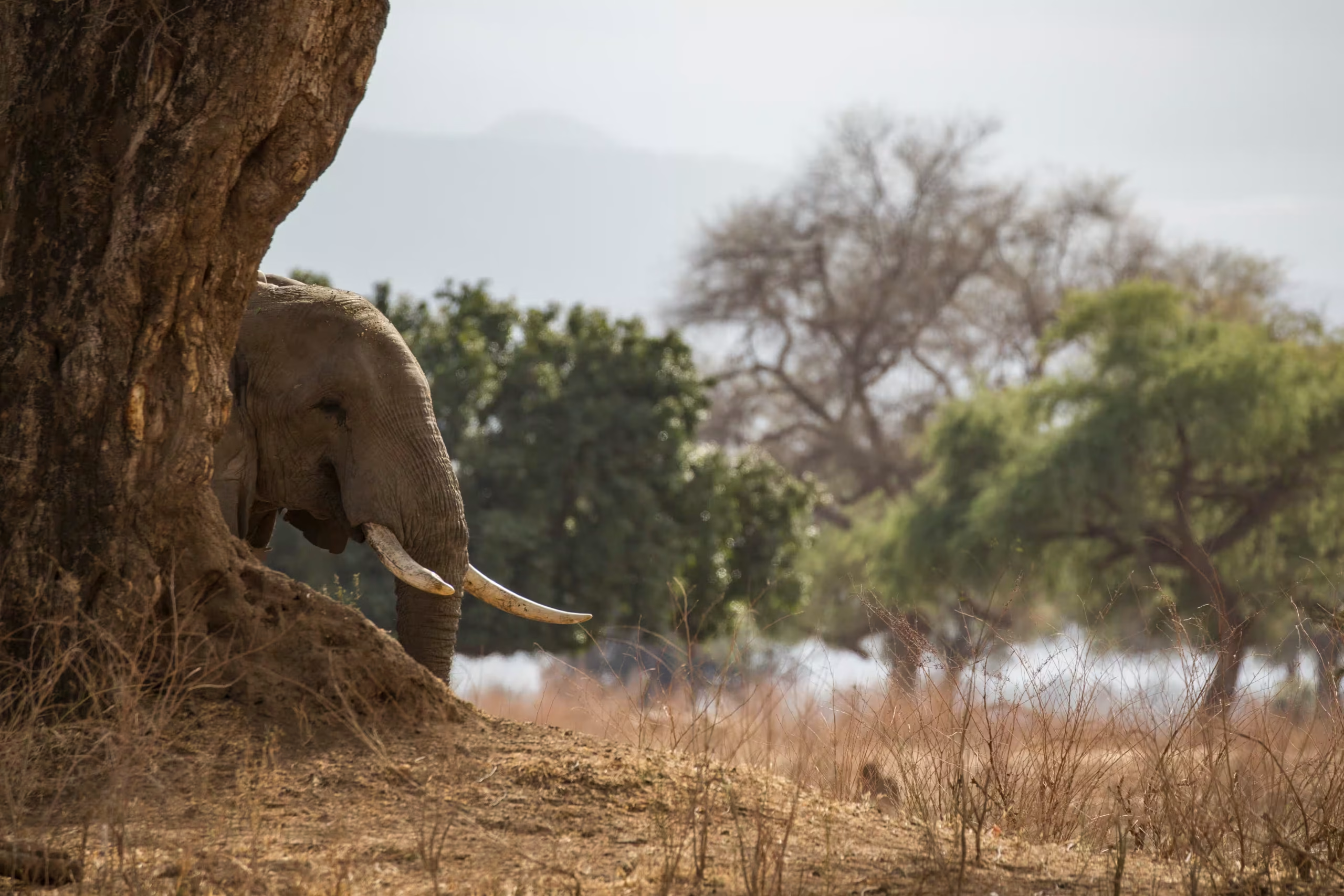
Seasonal pans dry up and everything walks to the rivers and the permanent springs. In Tarangire that means the river, and the elephant concentration along it is the densest in northern Tanzania.
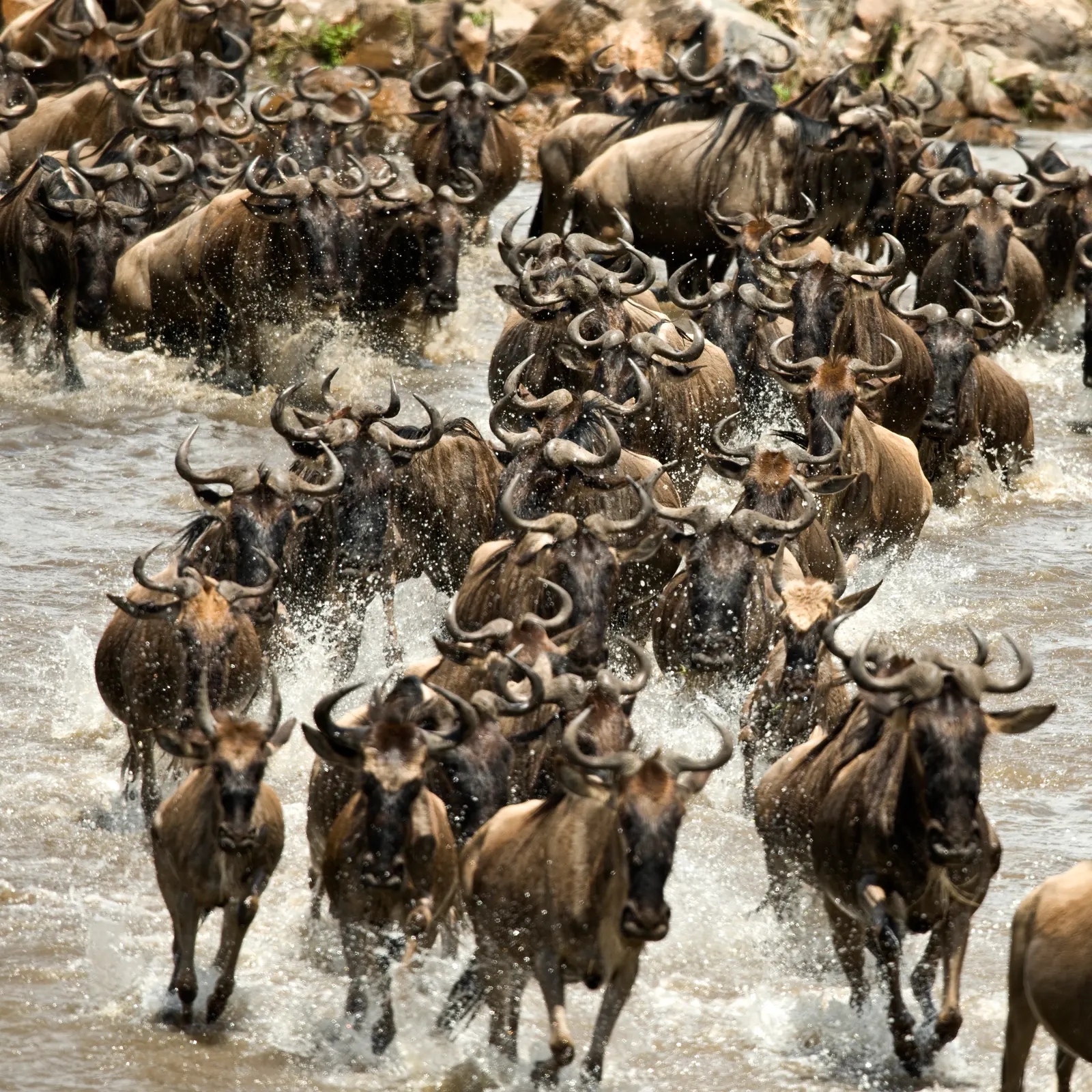
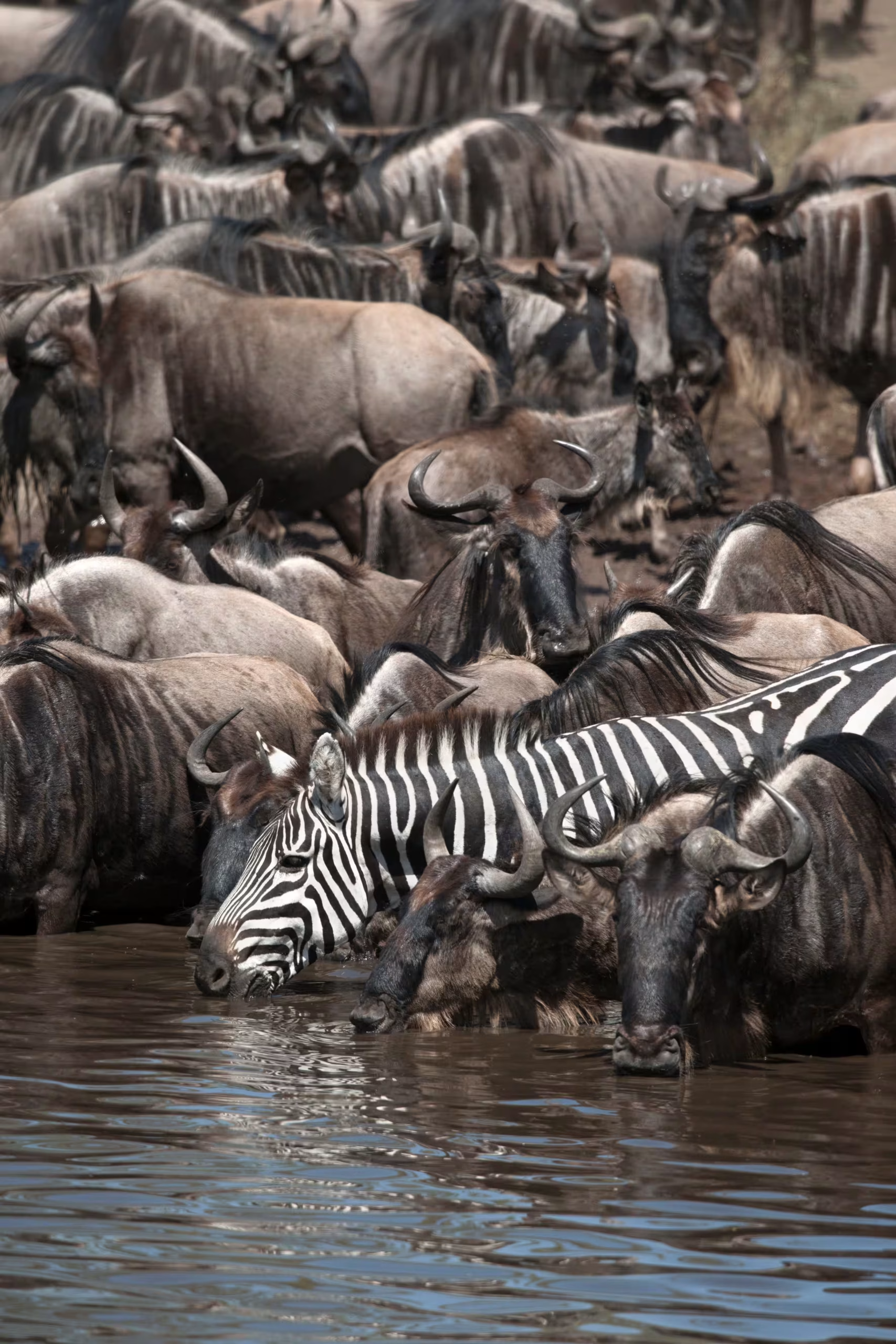
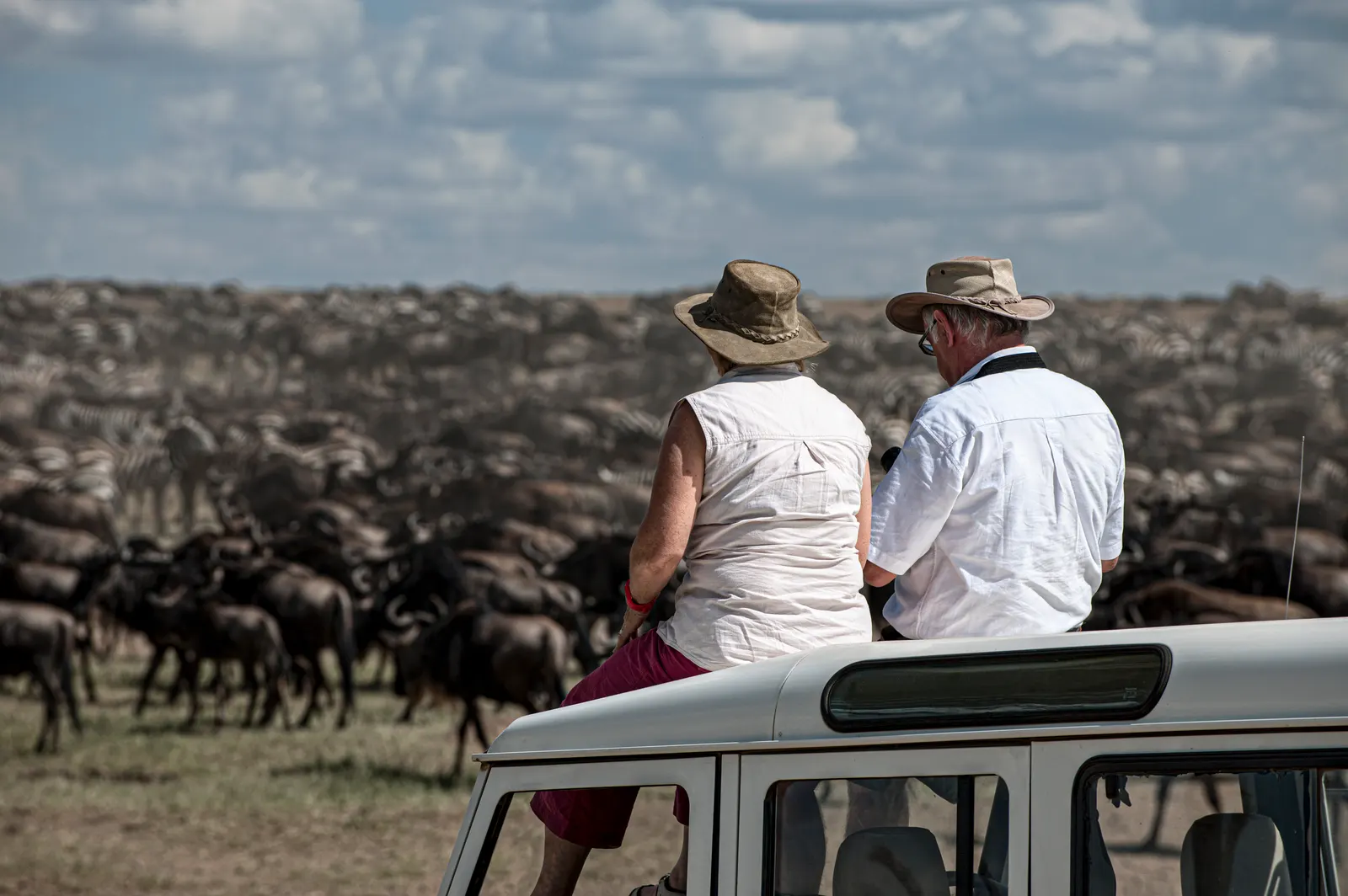
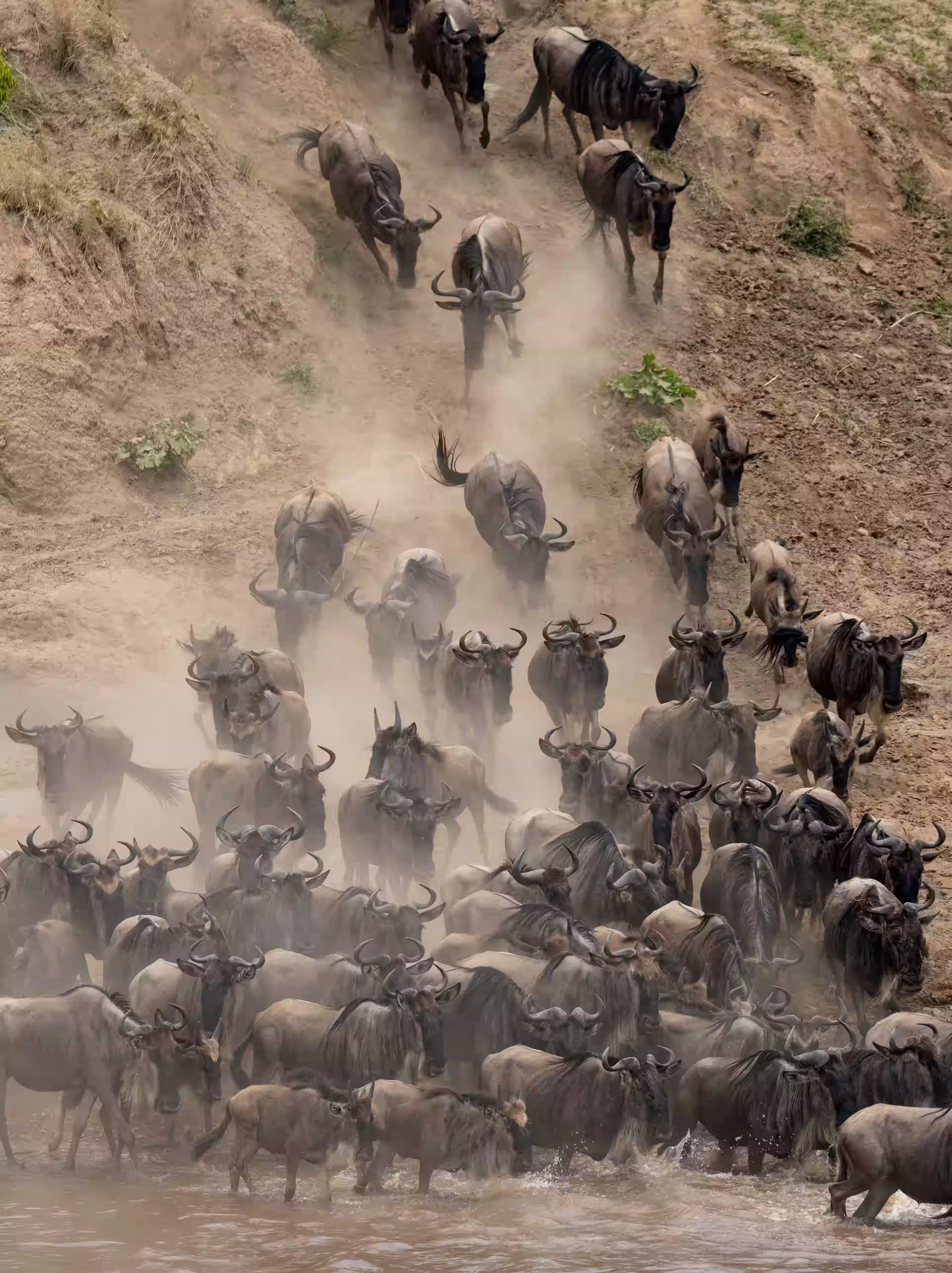
The herds mass on the southern bank of the Mara River in the northern Serengeti and cross when they decide to. Nobody schedules it. What you can do is give yourself several days on the river rather than one.
Black-cotton soil is the reason green-season itineraries sometimes change on the morning. In the dry months the tracks and the airstrips are dependable, which matters more on a tight itinerary than most people expect.
Inside the window
June and October sit at opposite ends of this window and behave completely differently — in where the herds are, in what the sky does, and in how many other vehicles you will share a sighting with.
The long rains have finished but the land has not yet given up its colour, so June photographs greener than the months that follow. The herds are moving west into the Western Corridor toward the Grumeti. Mornings are genuinely cold on the plains — a fleece is not optional. Vehicle numbers are still well below the July peak.
Grumeti crossings become possible and the northward push begins in earnest. The bush thins noticeably and the dust arrives. This is where the season changes character: from here to September the northern Serengeti carries most of the country's visitors.
The classic month, and the busiest. Herds mass along the Mara River and crossings can happen any day, or not for several. Visibility is at its best all year, the light is hard and clean, and you will not be alone at a crossing.
Herds are still north and crossings continue, but the August crush eases. For most guests September is the best single month of the window — the same wildlife, meaningfully fewer vehicles.
The herds begin drifting south and the short rains may arrive late in the month. Camps are emptier, rates soften, and the first green returns to a landscape that has been brown since July. Under-booked, and often the best value in the whole window.
In this collection
Every one is a starting shape we rebuild around your party and your exact dates. Nothing here is a fixed departure.
THE CLASSIC ROUTE
Tarangire, Manyara, the Ngorongoro Crater and the Serengeti, with two nights everywhere that deserves them and no single-night stops.
Per guest, from:
$4,680$669 per night
JUL – OCT
Northern Serengeti when the herds are stacked along the Mara. Crossings cannot be scheduled, so we give you three full days on the river.
Per guest, from:
$5,390$674 per night
MOBILE CAMP
A mobile camp that moves with the herds two or three times a year, so you wake where the wildlife is rather than driving to find it.
Per guest, from:
$4,080$680 per night
WILDLIFE WONDER
The crater floor at first light, before the day vehicles descend, then the highland forests and the Maasai grazing land above the rim.
Per guest, from:
$2,290$458 per night
DRY SEASON
When the Tarangire River is the only water for miles, the elephant concentration here is the densest in northern Tanzania. Night drives are permitted.
Per guest, from:
$2,860$715 per night
WILDLIFE & CULTURE
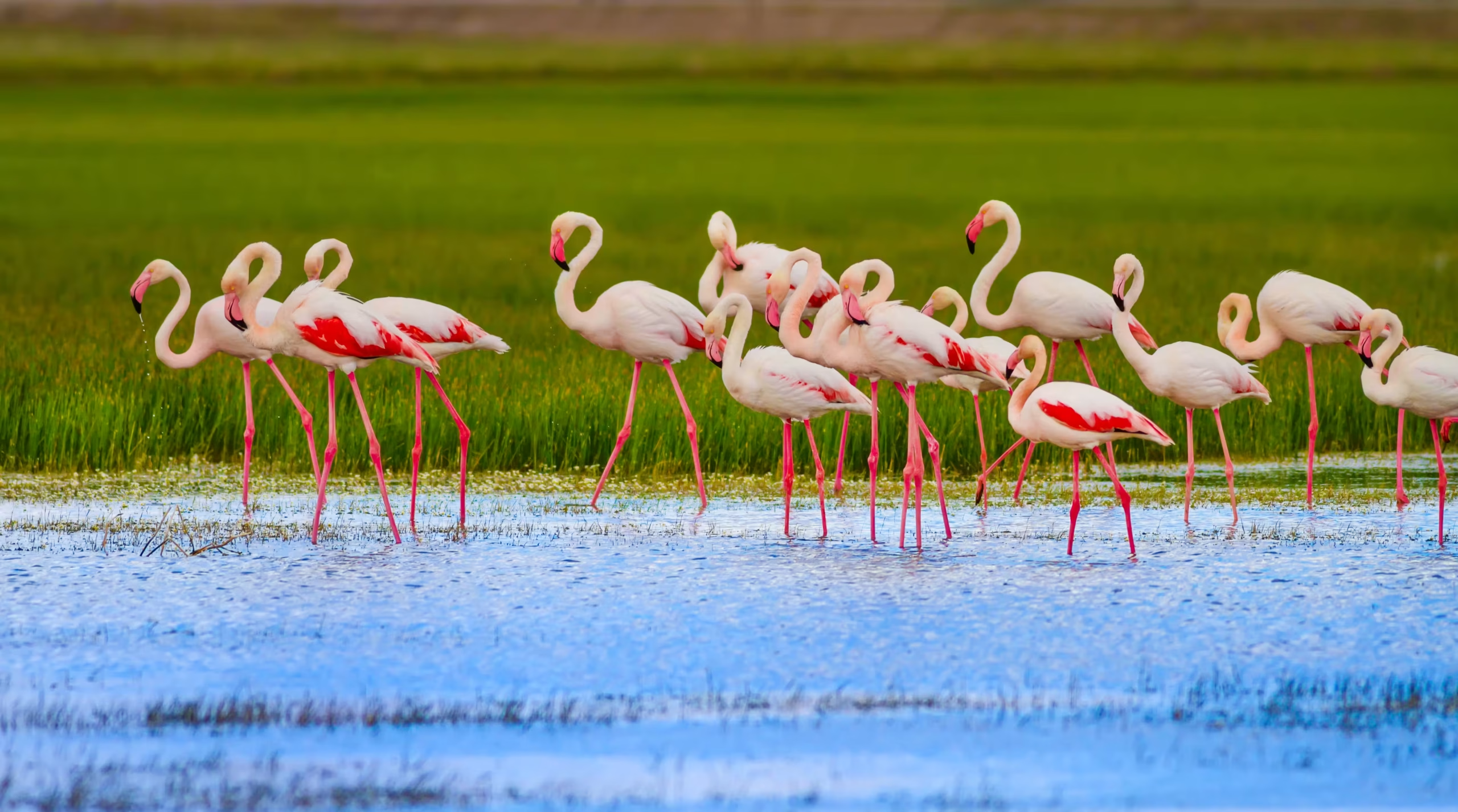
Groundwater forest, flamingos on the soda lake, and a morning with the Hadzabe at Lake Eyasi arranged on their terms, not ours.
Per guest, from:
$2,700$540 per night
MOST REQUESTED
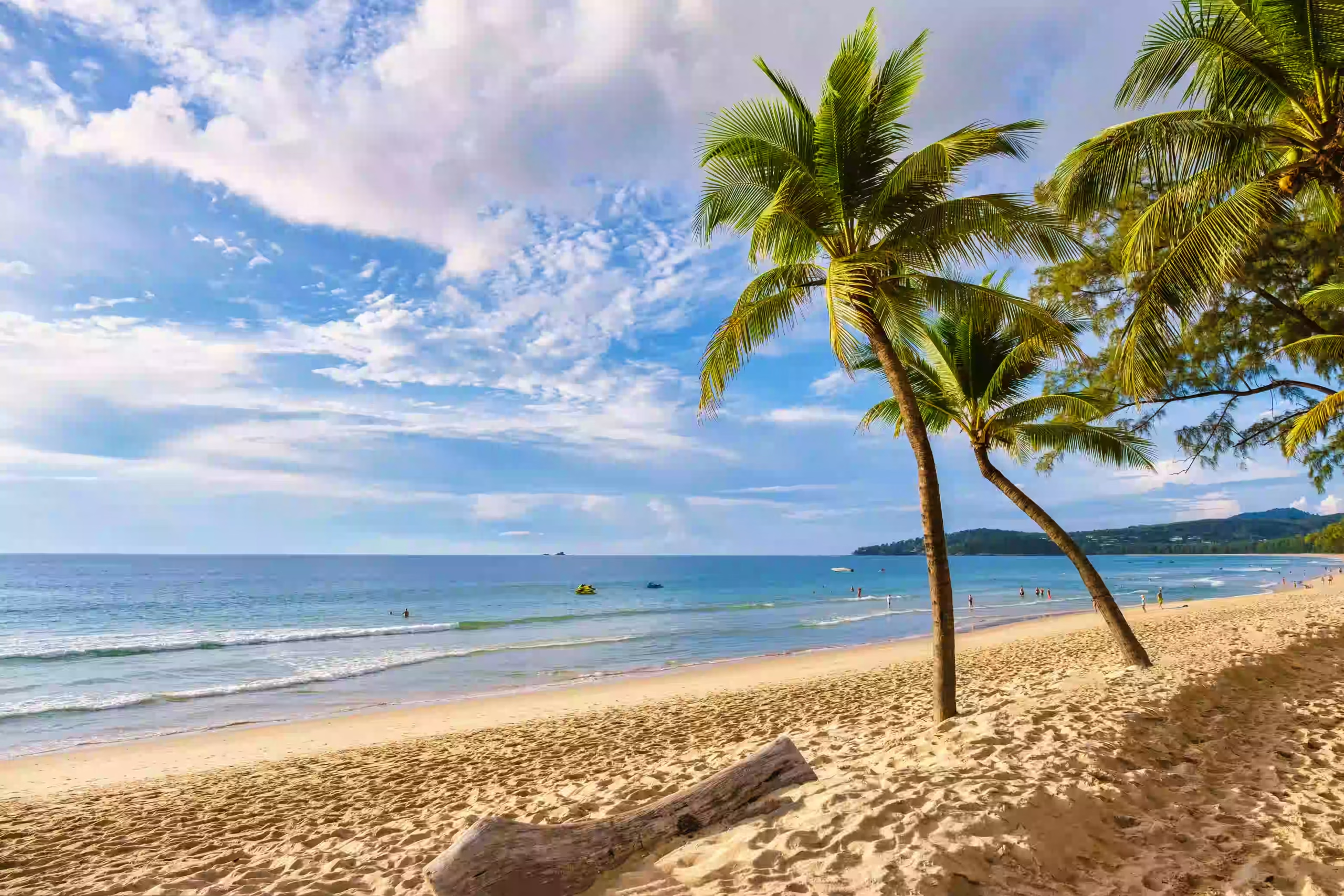
The northern circuit, then a short flight to the coast. Six nights of game viewing and four of doing nothing at all, in that order.
Per guest, from:
$5,440$544 per night
PEMBA ISLAND
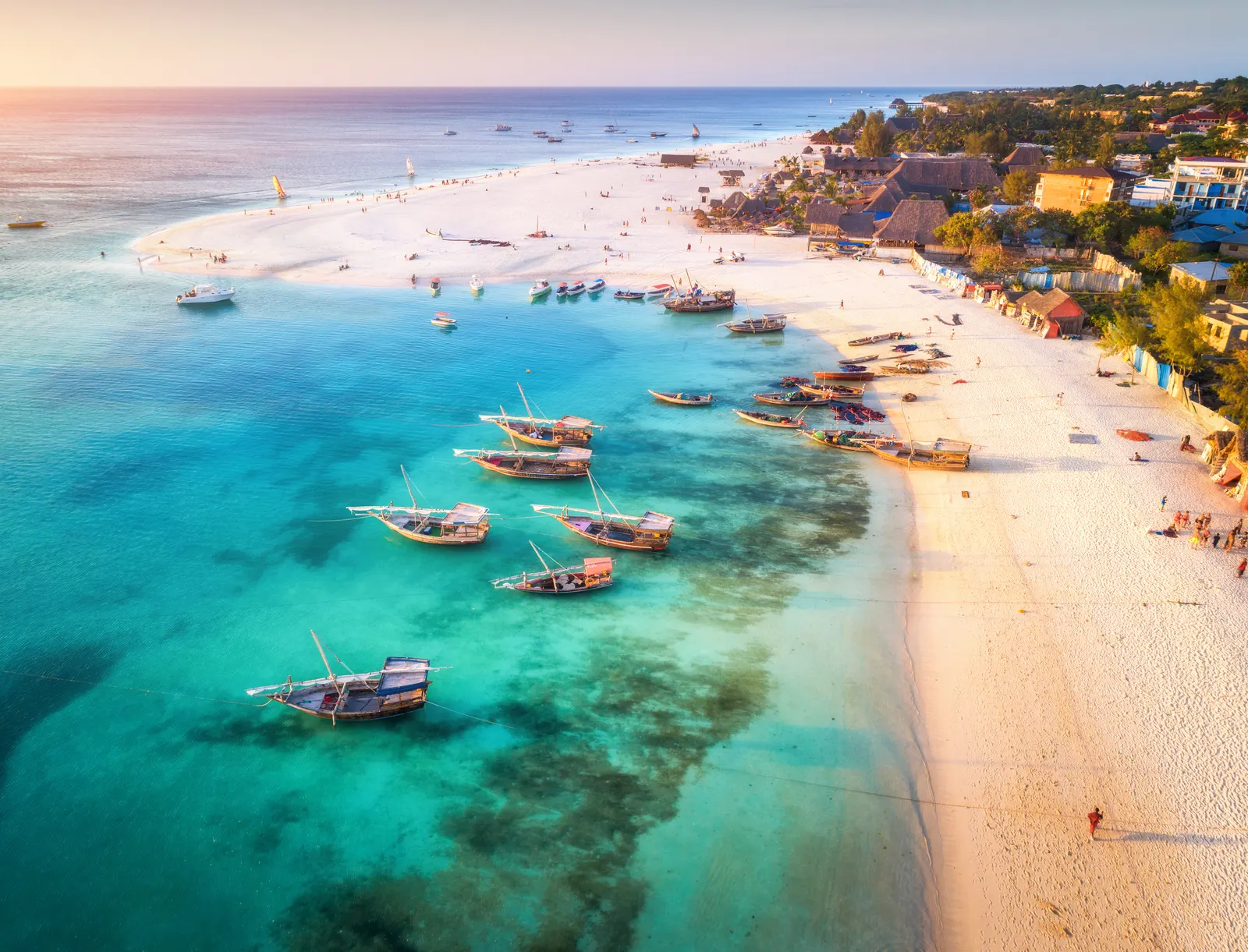
Pemba instead of Zanzibar — the same ocean with a fraction of the people, and the better diving of the two by some distance.
Per guest, from:
$5,780$525 per night
AGES 6+
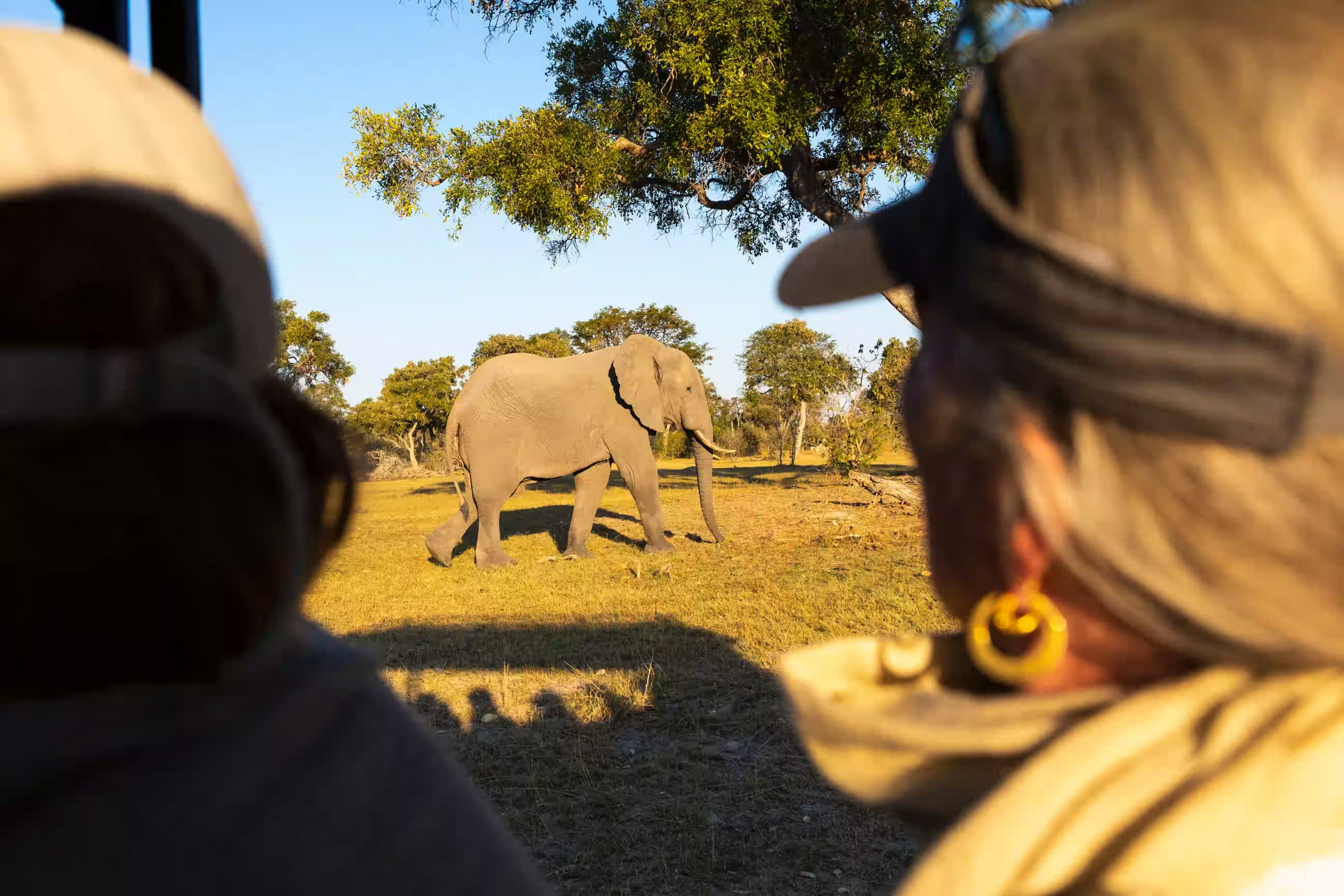
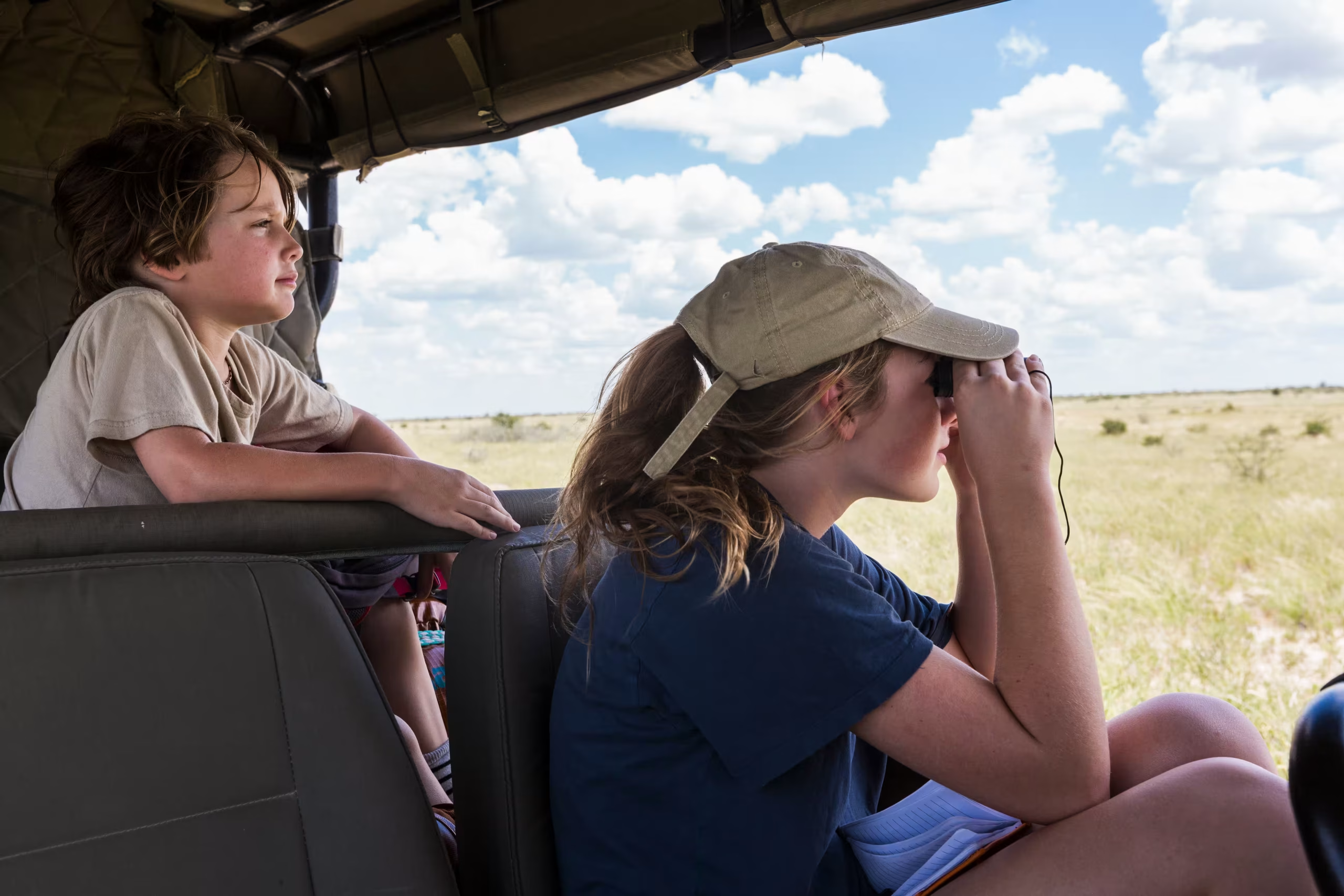
Private vehicle throughout so the day runs to your children's clock, shorter drives, and camps that actually want families rather than tolerating them.
Per guest, from:
$4,940$618 per night
Before you commit
The good camps in the northern Serengeti fill twelve months ahead for July to September. This is not a sales line; it is the reason the Early Booking offer exists.
At a Mara crossing in August you will not be alone. If that matters more to you than the crossing itself, the Grumeti in June and July or the southern parks are the better answer.
Seasonal advice does not apply to the Ngorongoro Crater. It is a closed caldera with a resident population and a single descent road, so it carries vehicles year round. The fix is not a different month, it is being on the floor at first light before the day visitors come down.
Ngorongoro's rim sits around 2,300 metres. In June and July a lodge on the rim is genuinely cold at night and in the pre-dawn hour before a descent. Guests who packed for equatorial Africa regularly spend that morning wishing they had not.
Honestly
Telling you a season is wrong for you costs us one booking and saves you a disappointing trip. Both columns are worth reading.
Right for you if
Probably not if
Common questions
Broadly June, but it is a drying out rather than a switch. Early June still carries green from the long rains, which photographs beautifully. By August the landscape is properly dry.
No. October is often excellent — the herds are still north, the crowds have thinned, and the short rains have usually not begun. It is one of the better-value months in the whole window.
No, and no operator can promise one. Crossings are unpredictable. Booking three or more nights in the northern Serengeti between late July and early October is the only thing that improves your odds.
September, for most people. The herds are still in the northern Serengeti and crossings are still happening, but the August crush has eased. June is the answer if green landscapes and low vehicle numbers matter more to you than the Mara.
Colder than people expect. Dawn game drives on the Serengeti plains in June and July can start close to freezing at altitude, and an open vehicle at 40km/h makes it colder still. Days are warm to hot. Pack a proper fleece and a windproof layer, not a light jacket.
By August and September, yes. Changing lenses in an open vehicle on a dry track is how sensors get dirty. Bring a blower, keep one body sealed if you have two, and a simple dry-bag for the camera between sightings.
It is specific rather than general. The northern Serengeti at a Mara crossing in August genuinely is busy. The Ngorongoro Crater floor is busy year round. Tarangire, Manyara and the southern parks are not, even in peak season.
Tell us your window and we will tell you honestly what is still holdable at the camps worth staying in.
"Every journey we craft is as unique as the traveller who takes it." — Places of Africa Safaris
Plan Your Safari
Tell us your dream — we'll craft it into reality, step by step.
✓Live Specialist
✓a real-time response.
Tell us a little about the trip you have in mind. A planner in Arusha will write back within one working day.
Talk to us through WhatsApp
Places of Africa SafarisPlanner