Places of Africa Safaris

Camp & Lodges

Where You Sleep

Where you sleep changes the safari more than any other single choice. These are the four kinds of bed in Tanzania, and what each one actually buys you.

Discover the experience
The Mobile Camp
The Mobile Camp detail

01 — LIGHTEST

The Mobile Camp

Moves 2–3×Wherever the herds are that month

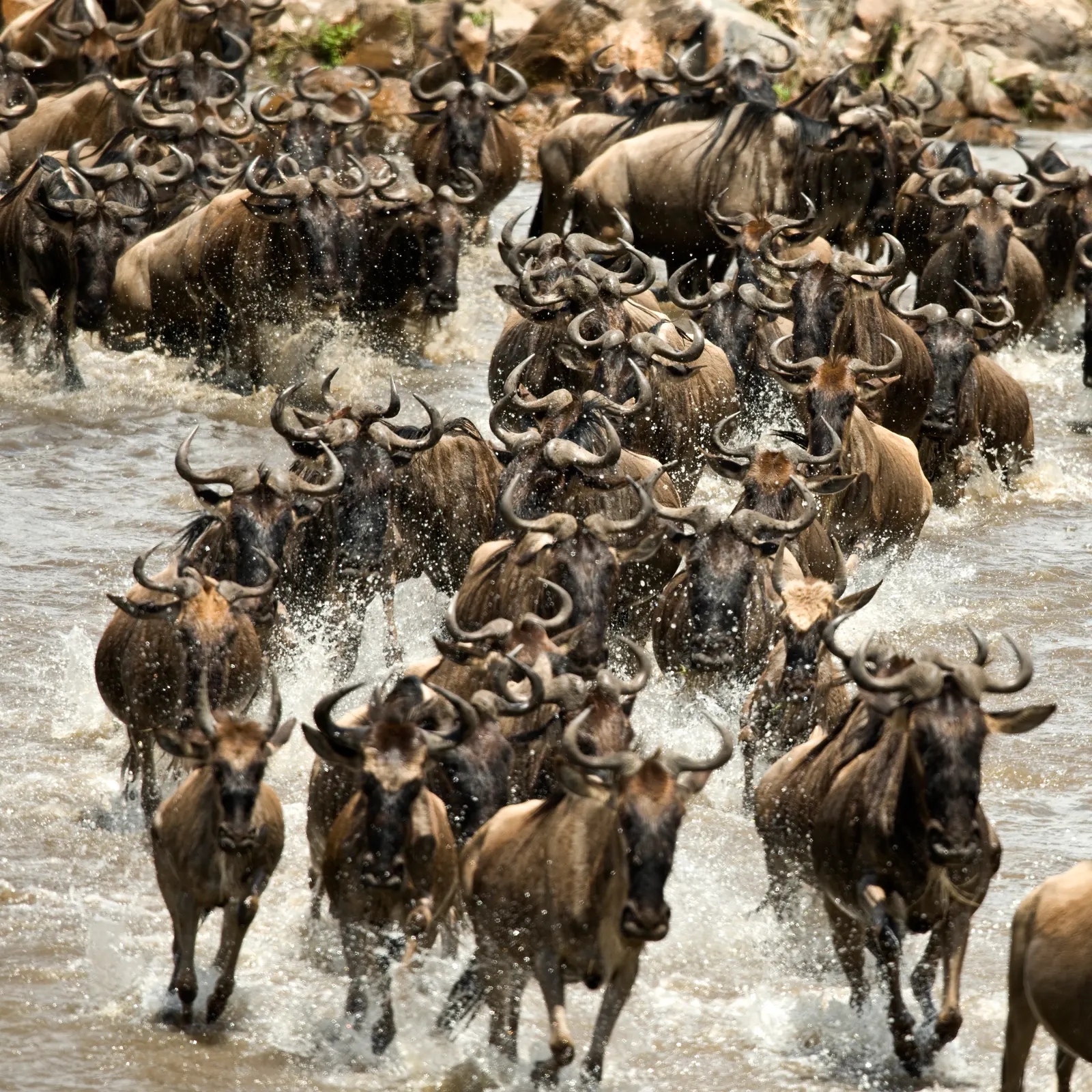
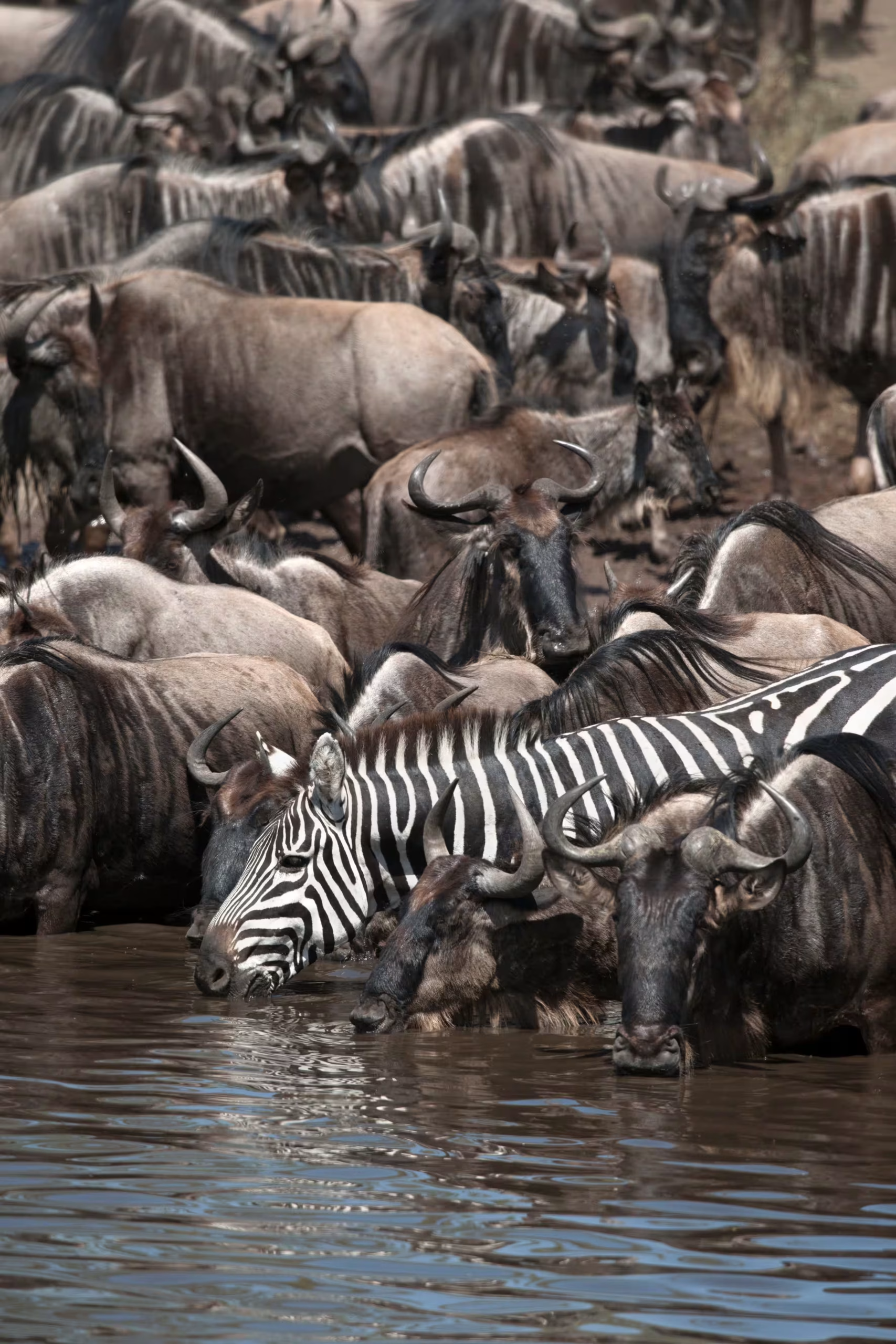
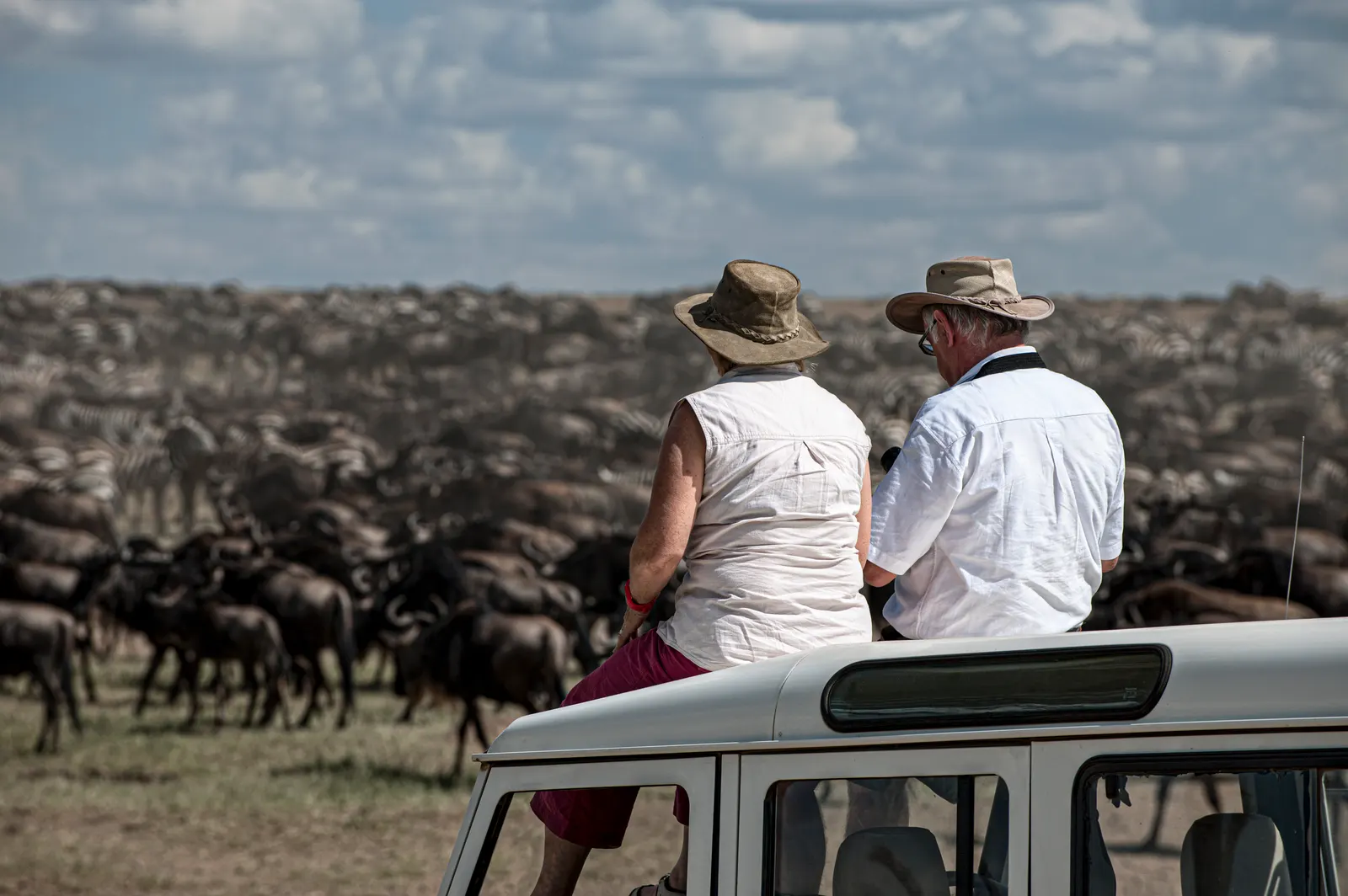
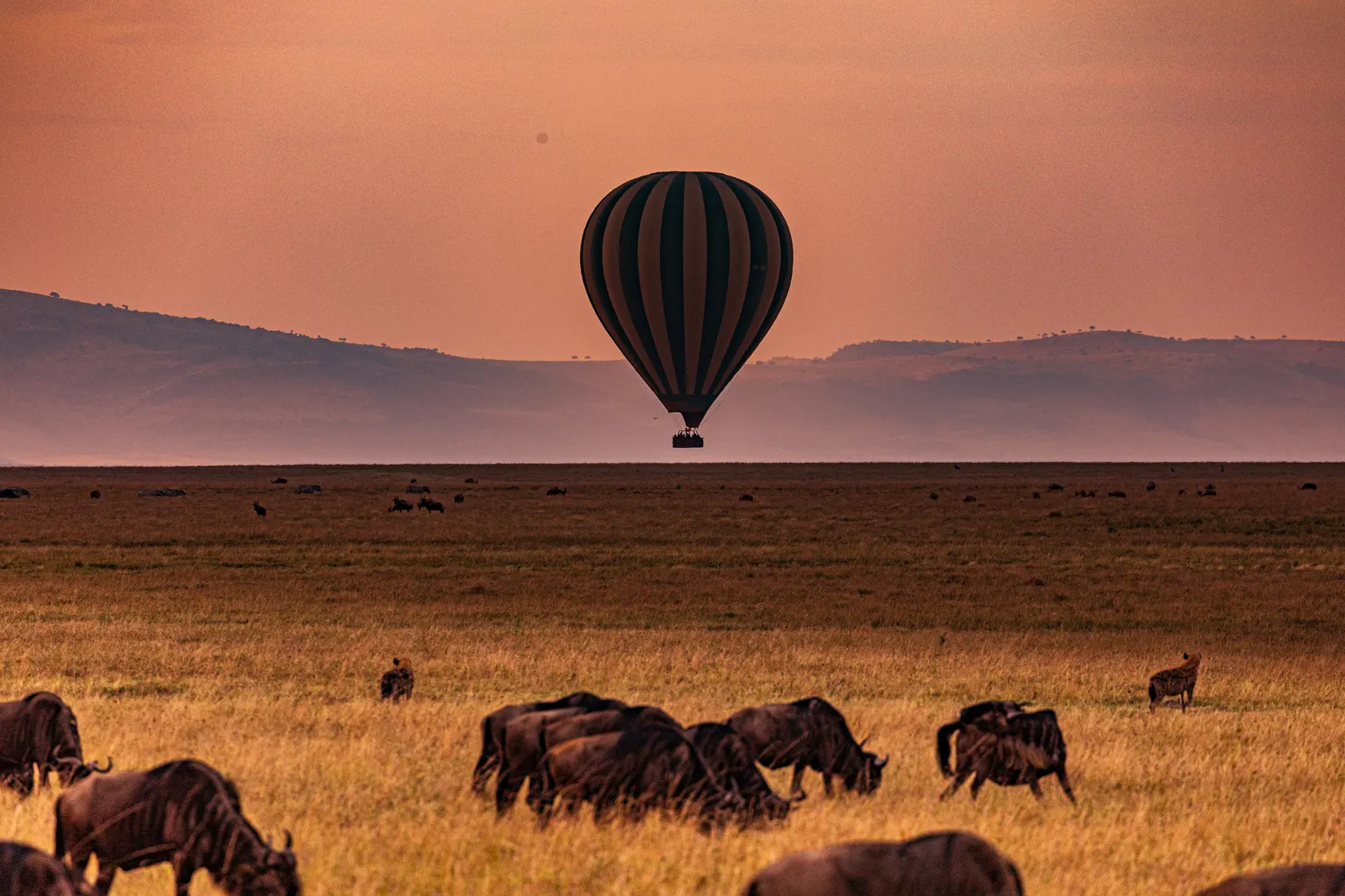
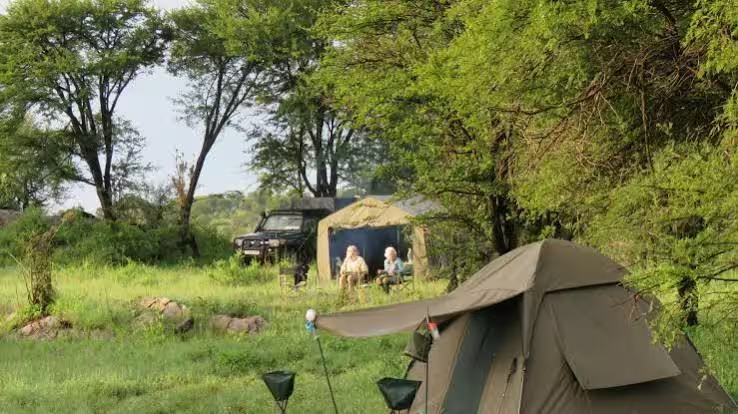
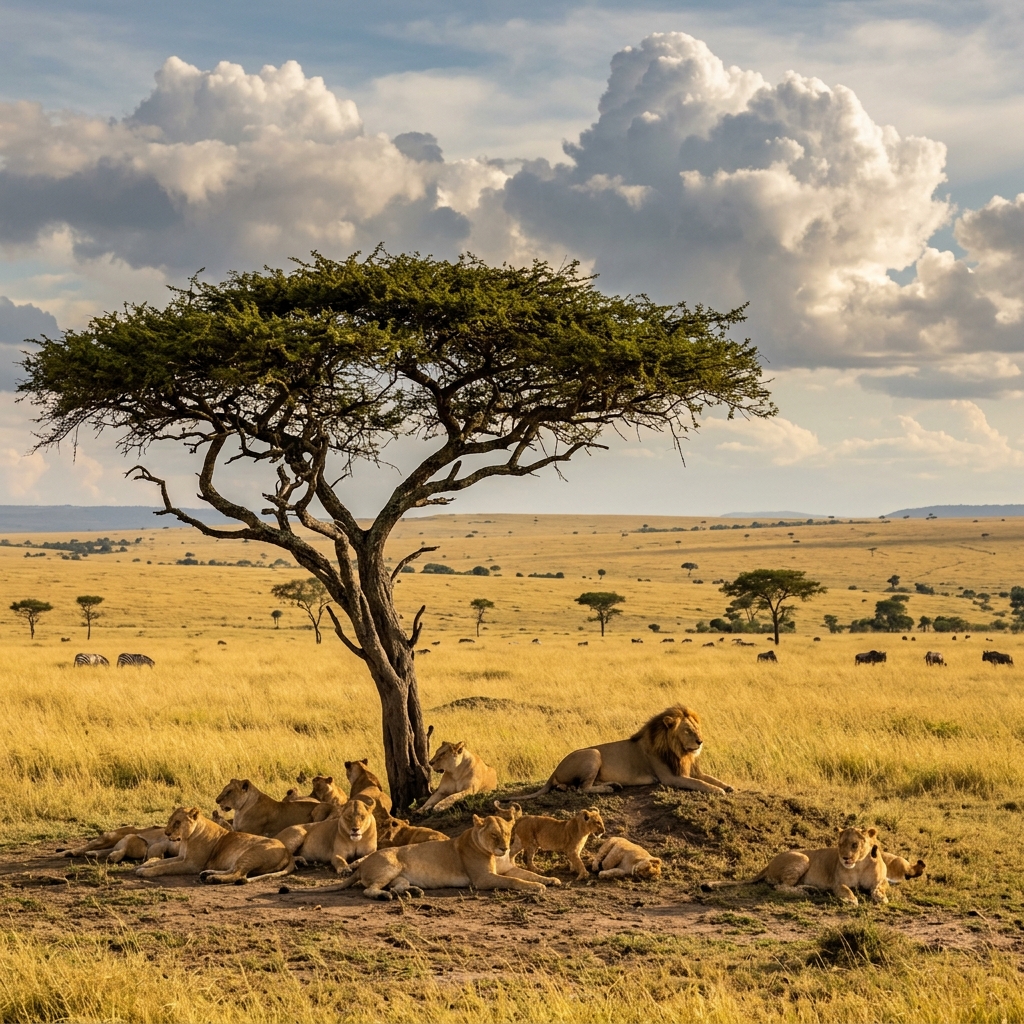
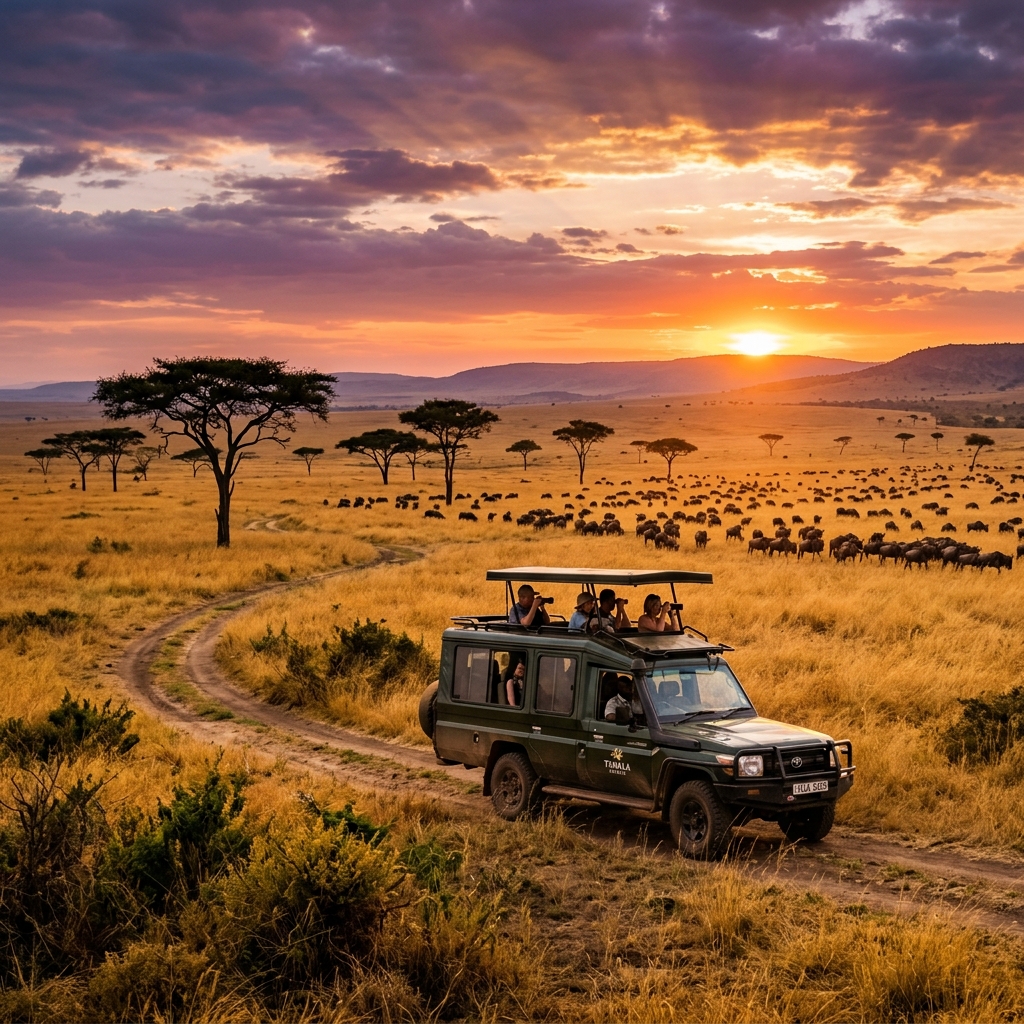
A camp built to be taken down. Mobile camps relocate two or three times a year to stay with the migration, leaving almost nothing behind — canvas on the ground, a mess tent, a fire. What you trade in plumbing you gain in position: you wake where the herds actually are.

  • Relocates with the migration
  • En-suite canvas bathroom
  • Solar lighting only
  • Lowest footprint of any camp
Plan this
The Permanent Tented Camp
The Permanent Tented Camp detail

02 — CLASSIC

The Permanent Tented Camp

Year-roundA fixed site inside the park

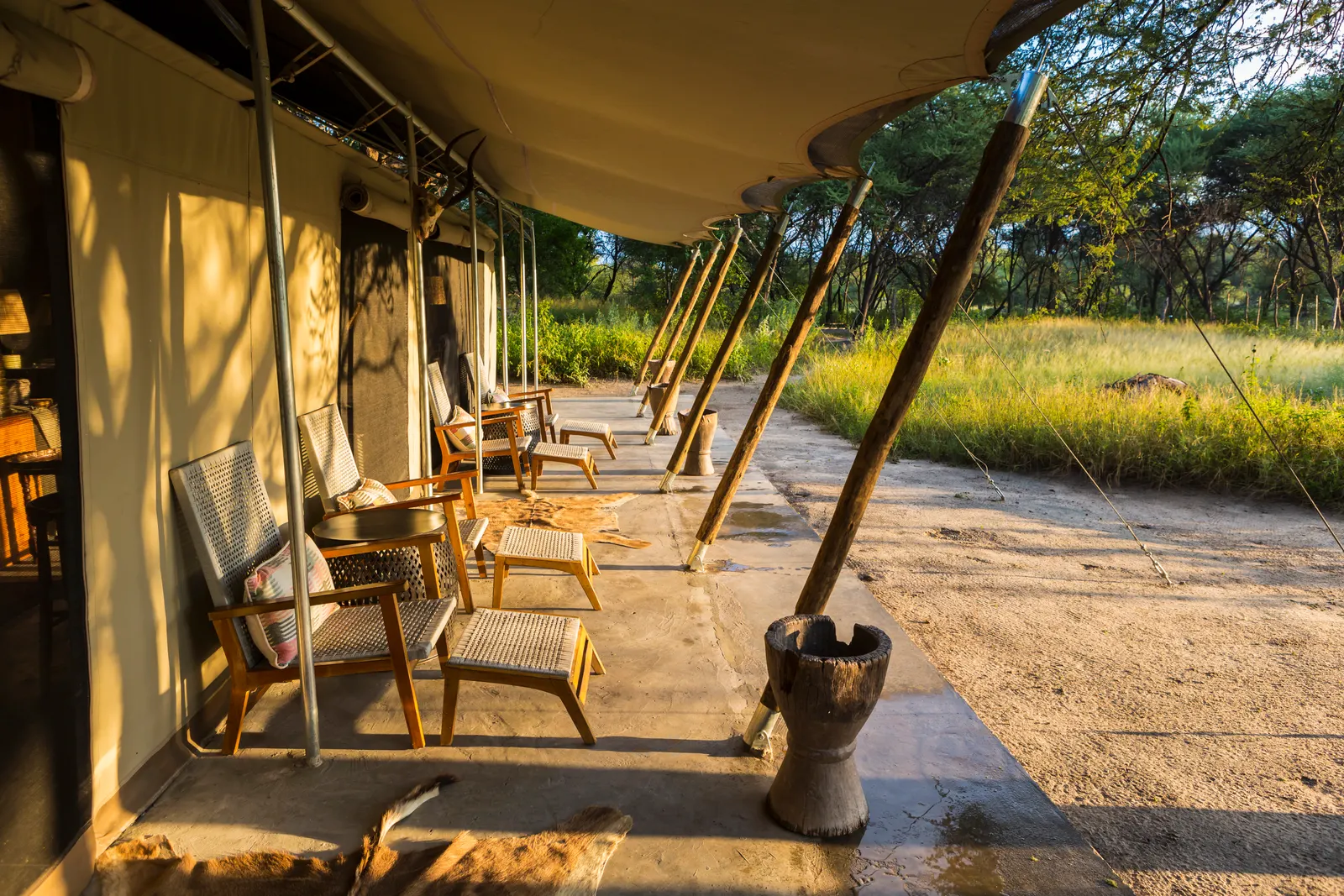
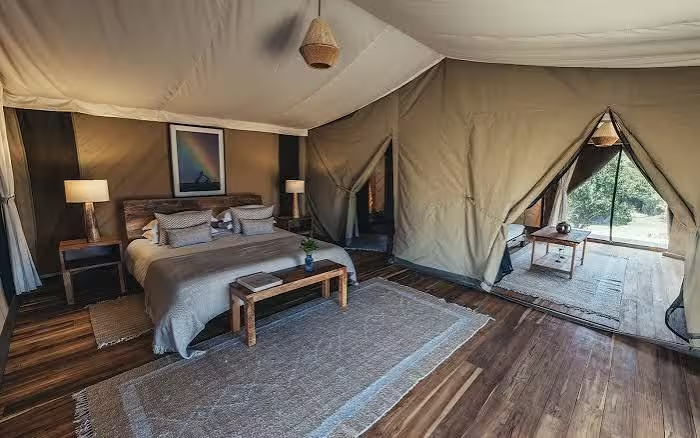
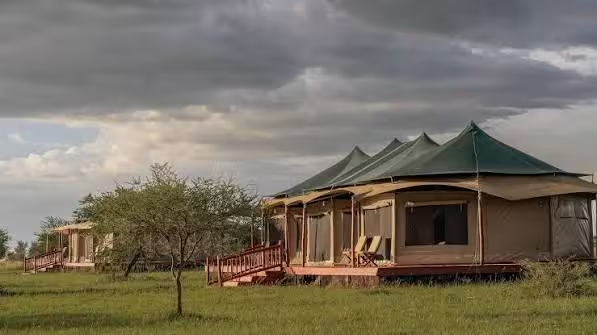
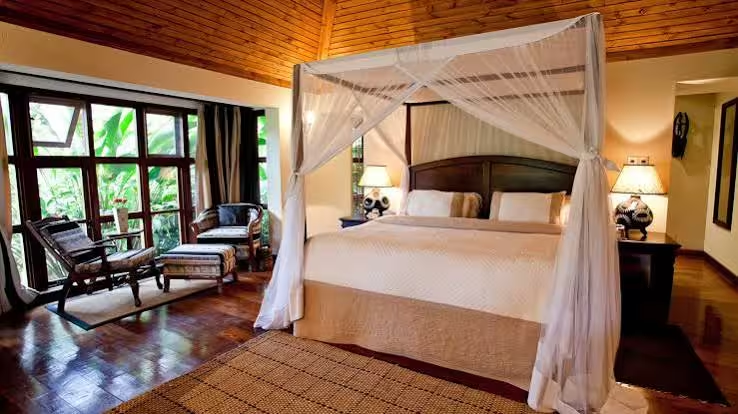
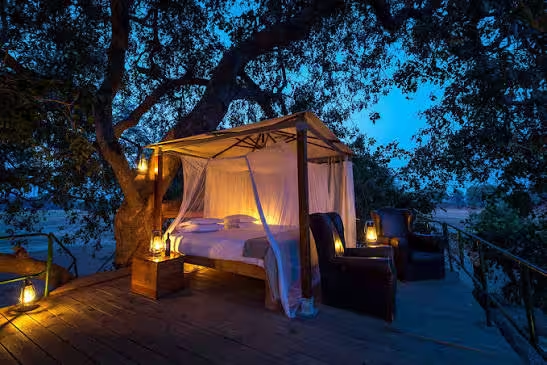
Canvas on raised wooden platforms, in the same place every season. Proper beds, storage trunks, a writing desk, rugs over the canvas floor and a shaded veranda under the outer fly. The middle ground most guests choose, and for good reason.

  • Canvas on timber decks
  • En-suite eco-flush loo
  • Hot bucket or plumbed shower
  • Shaded private veranda
Plan this
The Lodge
The Lodge detail

03 — SOLID

The Lodge

All seasonsEscarpment, rim or riverside

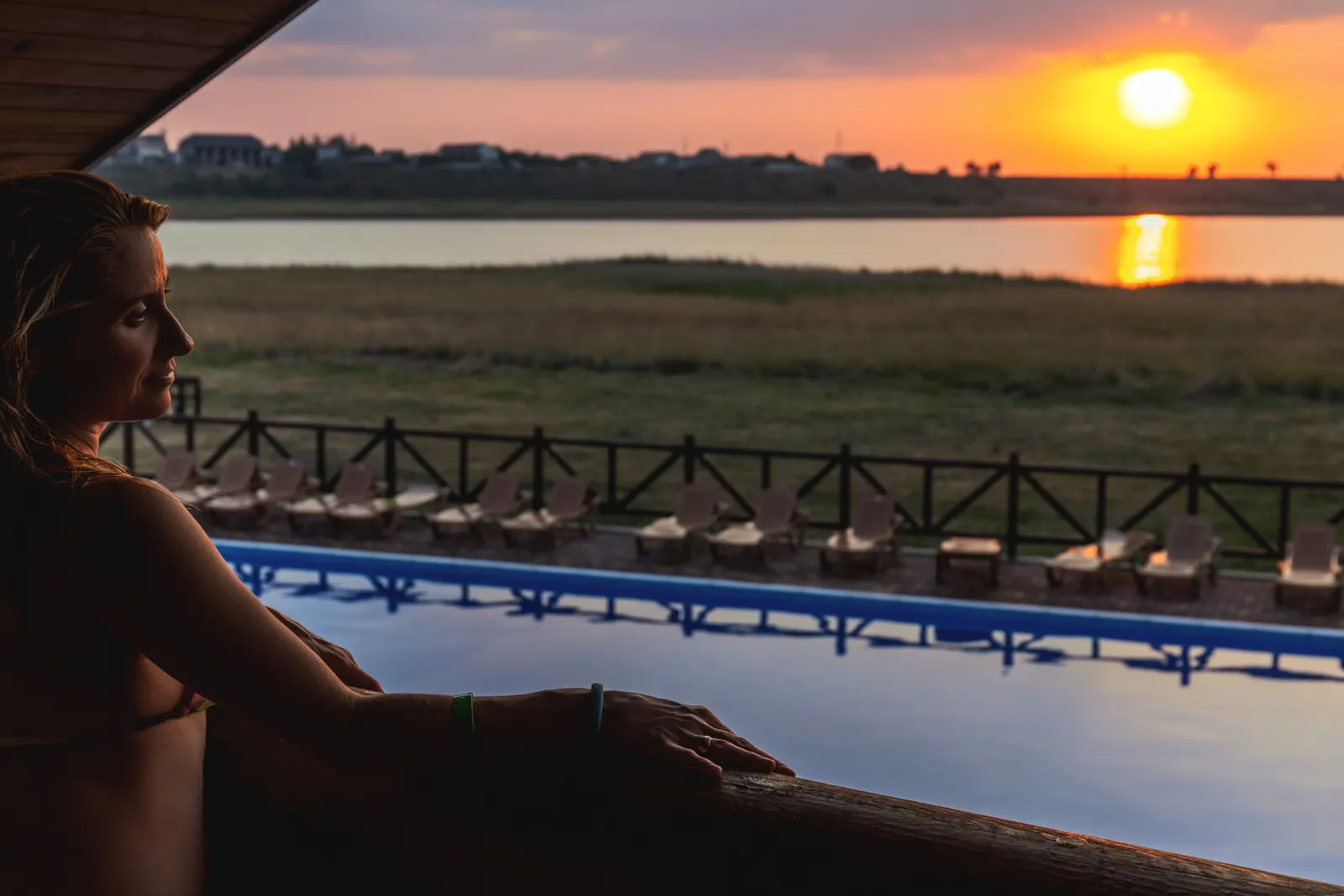
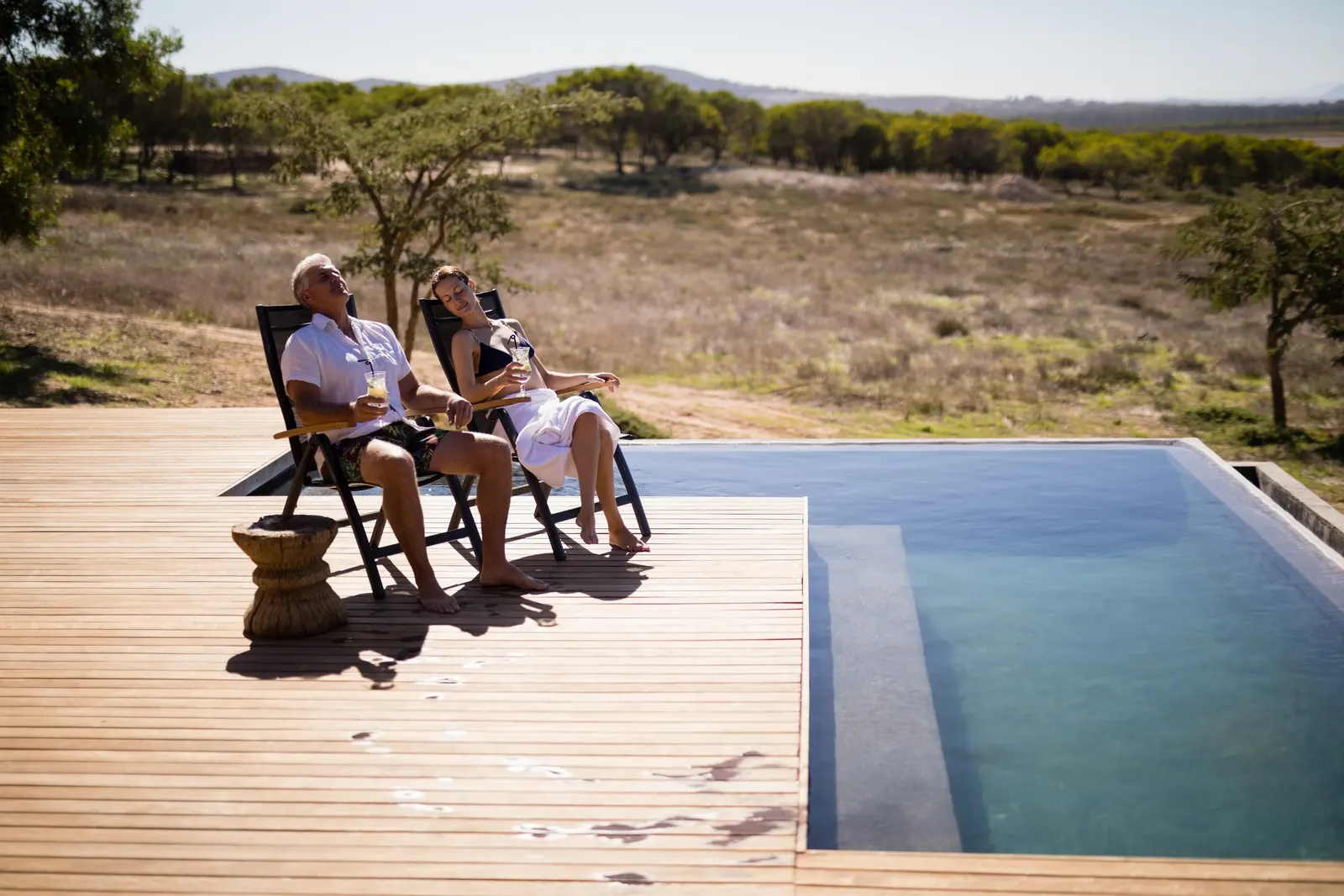
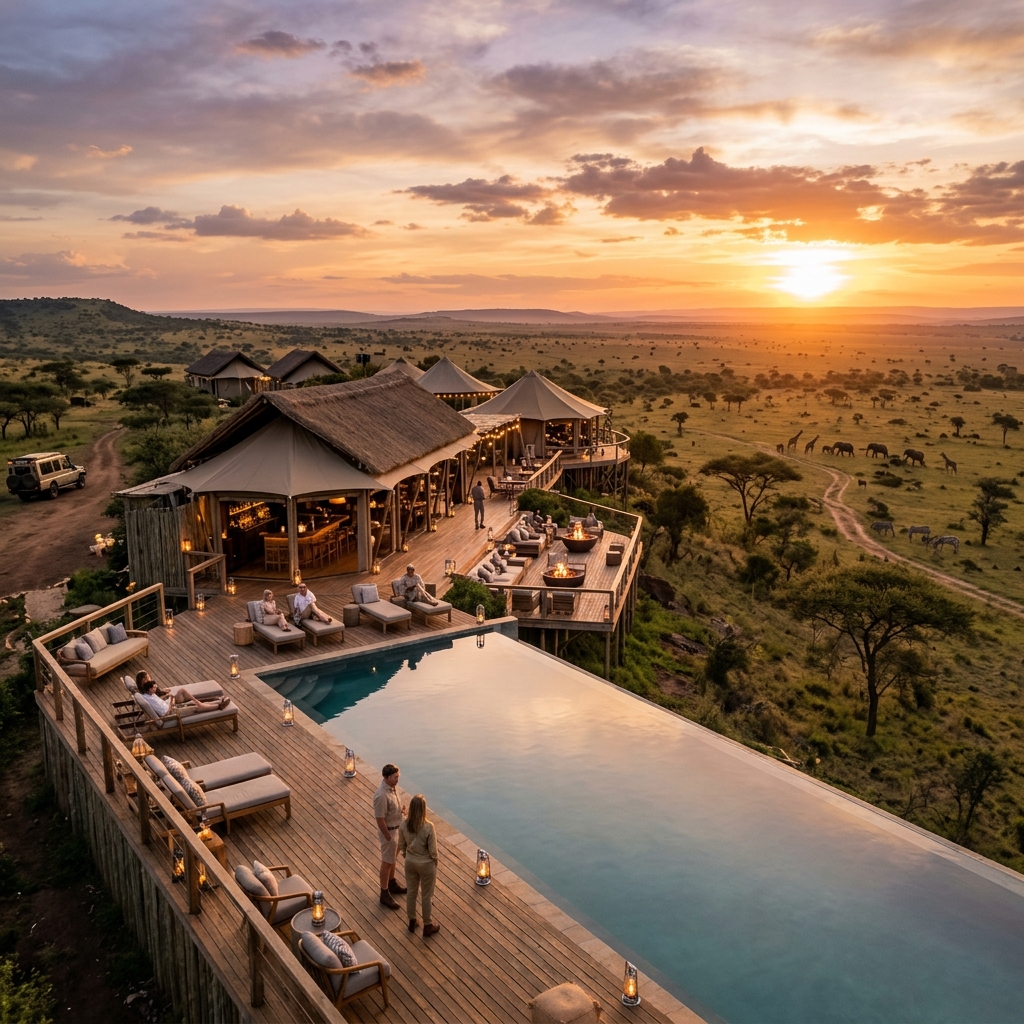
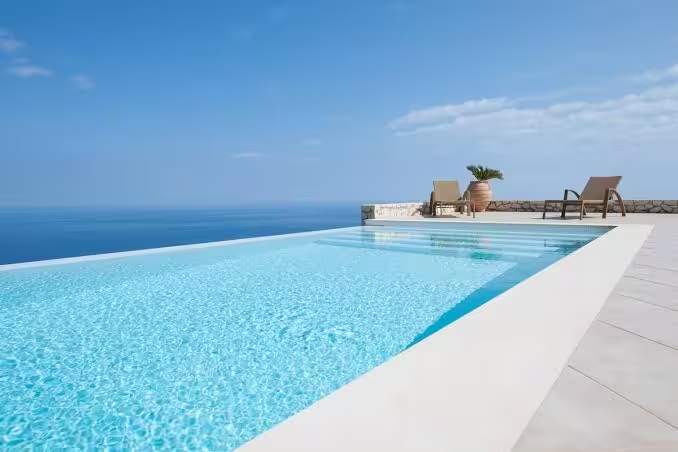
Built of stone, timber and thatch and going nowhere. Glass windows, solid walls, high-pressure hot water, twenty-four hour power and usually a pool. Lodges trade a little intimacy for reliability, and they are the sensible answer in the wet season or with young children.

  • Stone, timber & thatch
  • 24-hour power & Wi-Fi
  • Swimming pool & spa
  • Best wet-season option
Plan this
The Private House
The Private House detail

04 — EXCLUSIVE

The Private House

Sole useYours alone, for the week

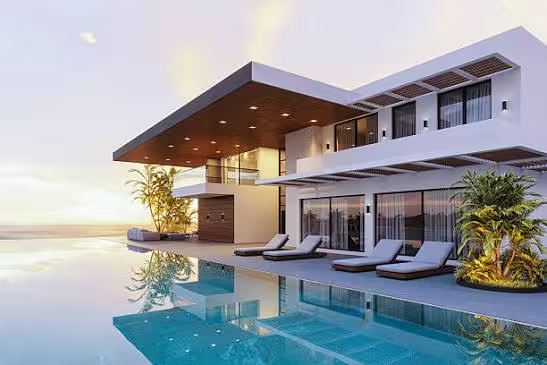
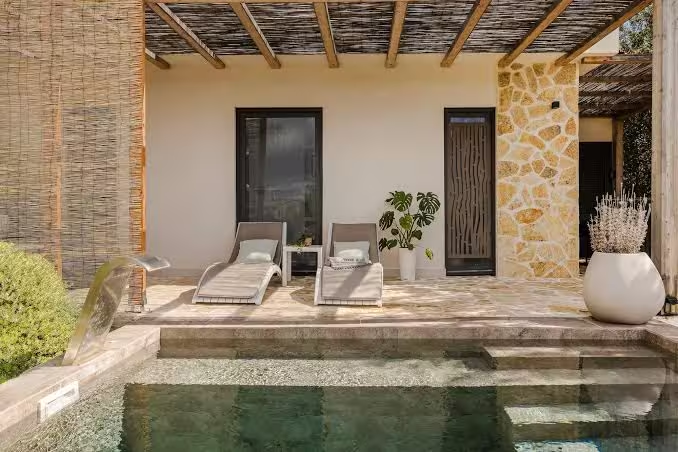
A whole house taken on exclusive use — your own guide, vehicle, chef and staff, and nobody else's schedule to work around. Meals when you want them, drives that start when you are ready, and children who can be as loud as they like.

  • Sole-use of the whole house
  • Private guide & vehicle
  • Your own chef
  • No fixed timetable
Plan this

The difference between camps is not thread count. It is how far you are from the animals when you wake up, and how quiet it is.

Places of Africa Safaris

Power

Solar, and not always all night

Mobile and tented camps run on solar and often shut the inverter down overnight. Bring a power bank, and expect charging in the mess tent rather than at your bed. Lodges run 24 hours.

Wi-Fi

Lodges yes, camps patchy

Lodges generally have working Wi-Fi in public areas. Tented camps range from slow to none, and the remote fly-in camps have none at all. We tell you which is which before you book.

Safety

Unfenced, and escorted after dark

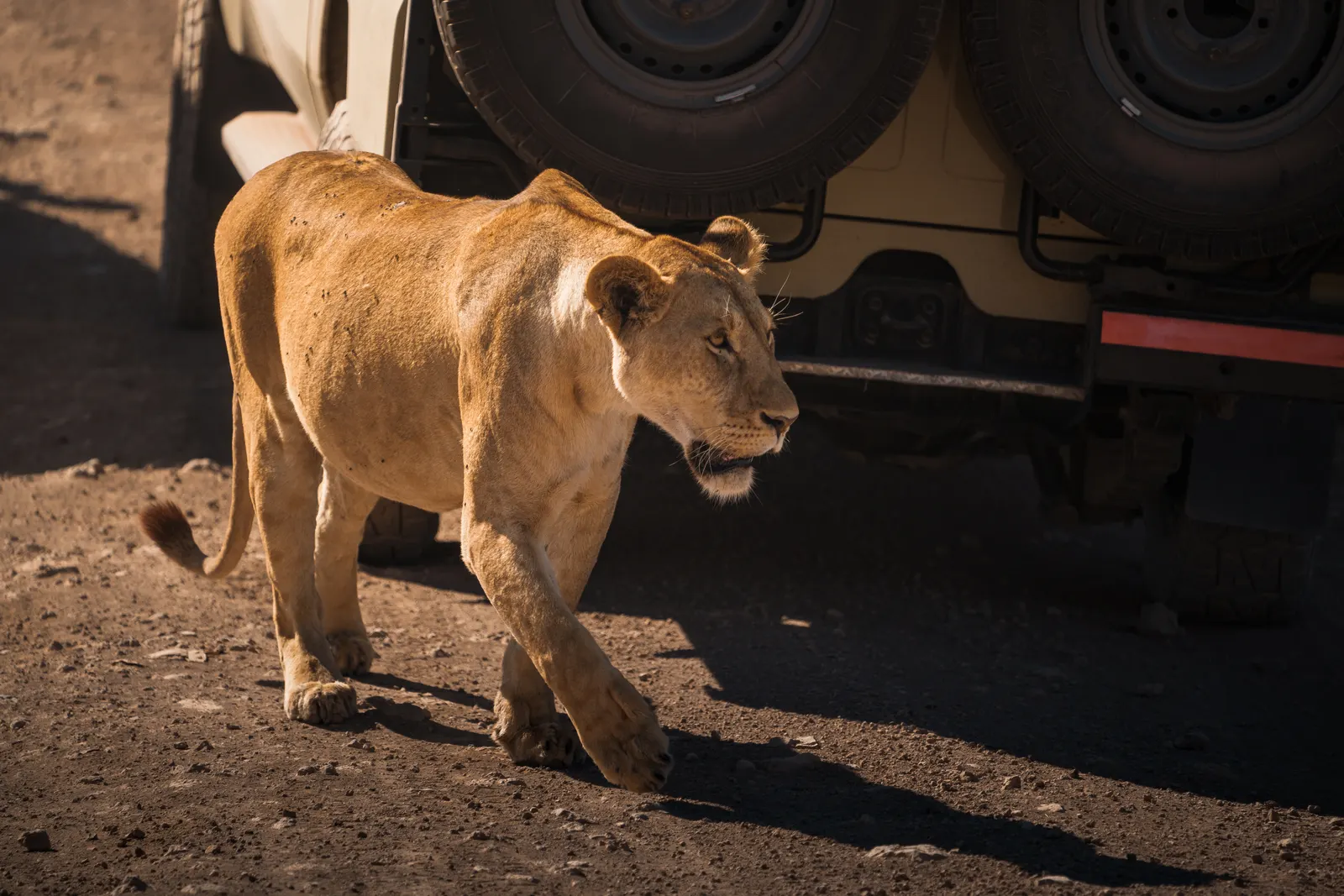
Most camps are unfenced — that is the point. Animals move through at night, so an askari walks you between your tent and the mess after dark. Follow that rule and the record is excellent.

What is the difference between a camp and a lodge?

A lodge is a permanent building of stone, timber and thatch with solid walls, glass windows, plumbed hot water and round-the-clock power. A camp is canvas — either permanent, pitched on timber decks in the same place each season, or mobile, relocating two or three times a year to follow the migration. Camps put you closer to the sound of the bush; lodges are more reliable and more comfortable.

Do safari tents have proper bathrooms?

Yes. Every tent we use is en-suite, typically with an eco-flush loo, a washbasin and a shower cubicle behind the sleeping area. At classic and mobile camps the shower is often a canvas bucket filled with hot water on request; at luxury camps and lodges it is plumbed and pressurised. Nobody is walking to a shared block.

Is there electricity and Wi-Fi?

Lodges have 24-hour mains or generator power and usually working Wi-Fi in public areas. Tented camps run on solar, frequently switching the inverter off overnight, with charging points in the mess tent rather than in your tent. Remote fly-in camps often have no connectivity at all — which many guests come to appreciate.

Are the camps fenced? Is it safe?

Most are deliberately unfenced, because fencing would cut the wildlife corridors the camp exists to sit beside. Animals do walk through at night. The protocol is simple and effective: an armed askari escorts you between your tent and the mess after dark, and you stay inside your tent until collected in the morning. Follow it and the safety record across the industry is excellent.

Which is best in the rainy season?

A lodge, or a permanent tented camp on high ground. Mobile camps are harder work in heavy rain and many close entirely between March and May. Solid roofs, drainage and reliable road access matter far more in the green season than they do in July.

Can we book a whole camp or house exclusively?

Yes. Several small camps of six to ten tents can be taken on sole use, and there are purpose-built private houses across the northern circuit with their own guide, vehicle and chef. It is the usual choice for multi-generational family groups and works out well per head once you are eight or more.

How far are camps from the game?

Camps inside a national park or on a bordering concession put you in the wildlife area from the moment you leave your tent. Lodges outside the gate can mean an hour's drive each way before the day starts. If early-morning light matters to you, that transit time is the single most important thing to check — and we list it for every property we quote.

Do I need to bring my own bedding or towels?

No. Every camp and lodge we use provides bedding, towels, mosquito nets and a laundry service. Even mobile camps supply proper beds with duvets rather than sleeping bags. Bring a torch and a power bank; everything else is there.

Pick the bed, and the safari follows.

Tell us how close to the canvas you want to be and we will build around it.

Tailor-made safari
100% Tailor-Made
Response within 24h
Expert Local Guides
"Every journey we craft is as unique as the traveller who takes it." — Places of Africa Safaris

Plan Your Safari

Design Your Tailor-Made Journey

Tell us your dream — we'll craft it into reality, step by step.

1Safari Type
2Destinations
3Dates & Group
4Budget
5Contact

What kind of safari are you dreaming of?

Which destinations excite you most?

Select all that apply — we'll build a perfect circuit.

When are you planning to travel?

days

Who is travelling with you?

What is your approximate budget?

Per person, excluding international flights. This helps us match the right camps.

Almost there — how do we reach you?

Step 1 of 5
Loading itinerary…
Saved Trips