AGE 12+
Mahale: Chimpanzees & Lake Tanganyika
Per guest, from:
$13,610
$1,944 per night
DESTINATIONS
SAFARI COLLECTIONS
LIFE ON SAFARI
WHY PLACES OF AFRICA
EXCLUSIVE OFFERS
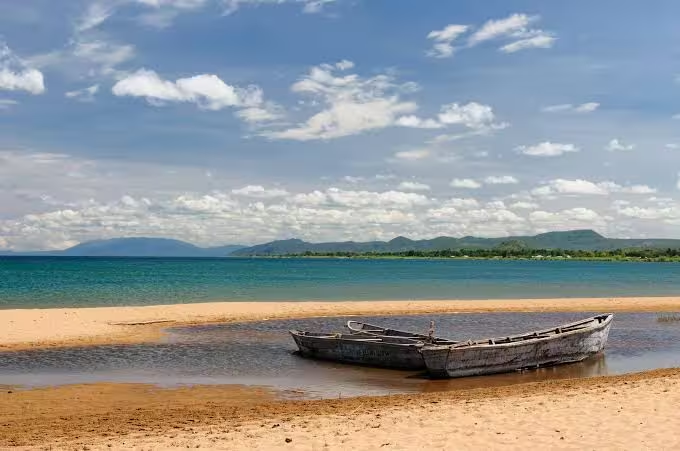
Mahale is arguably the most beautiful national park in Tanzania and certainly the hardest to reach. Forested mountains rise straight out of Lake Tanganyika — the world's second-deepest lake — and there are no roads at all inside the park. You arrive by light aircraft and then by boat, and everything from that point is done on foot or on the water.
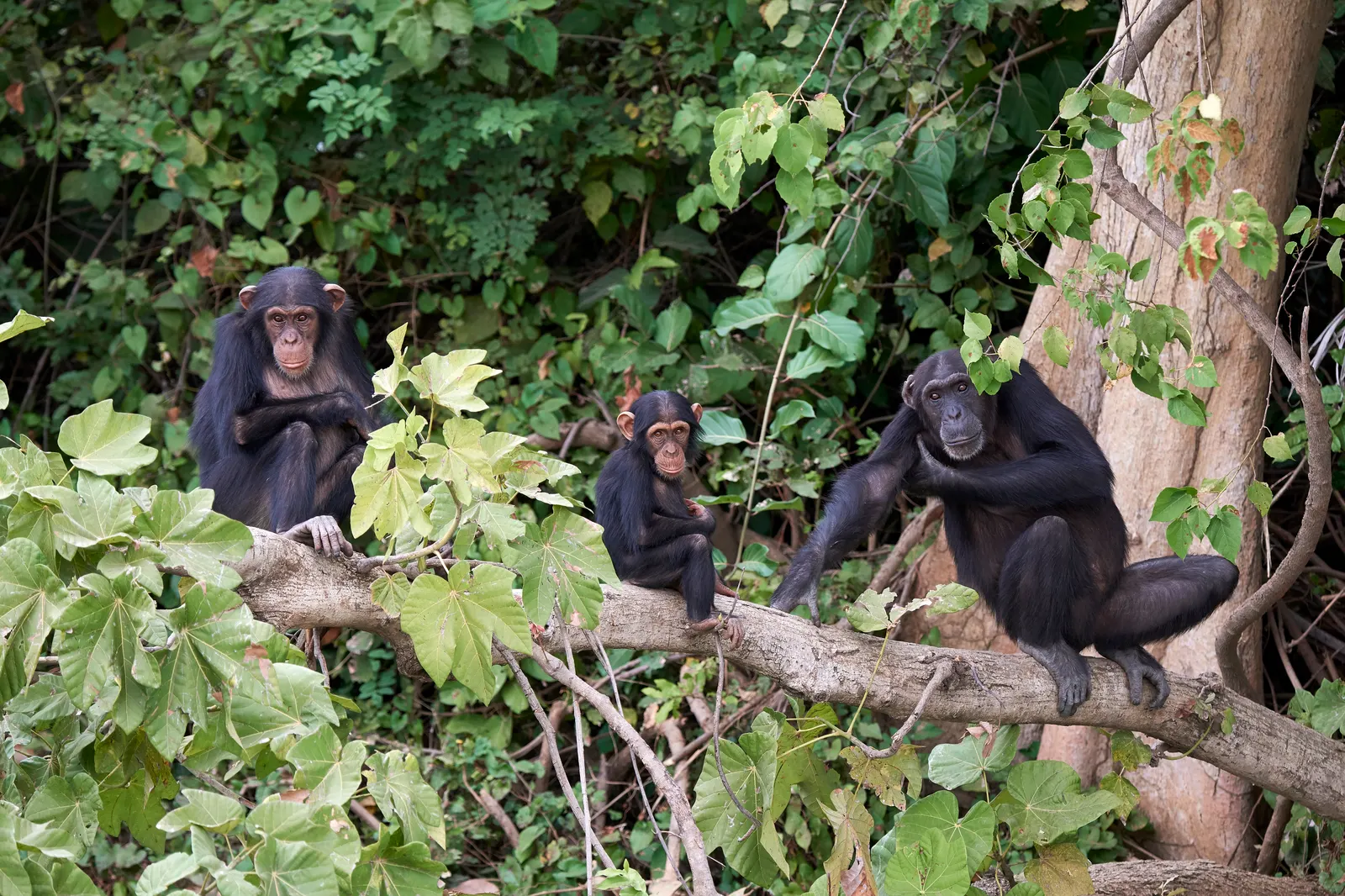
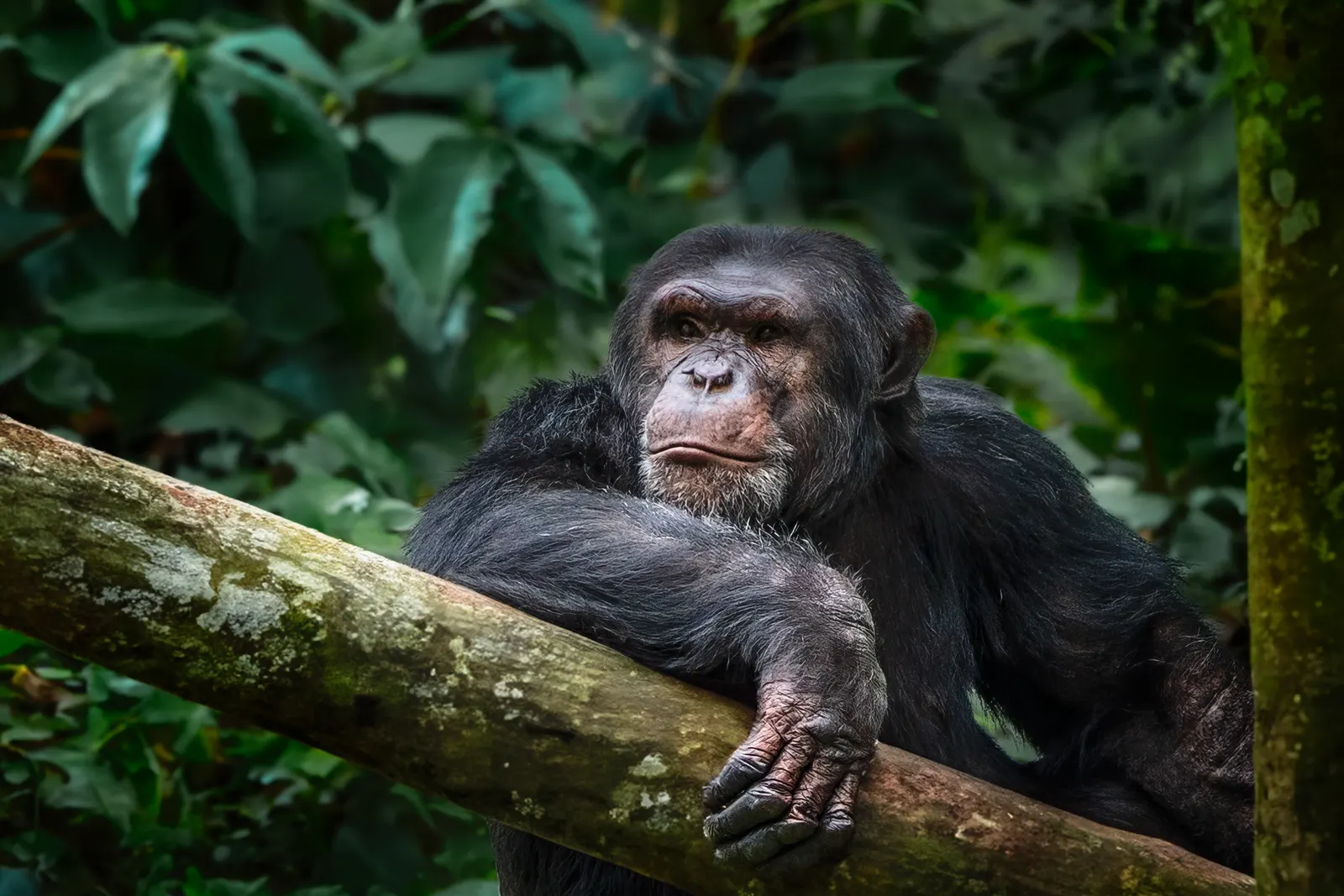
The forest holds around a thousand chimpanzees, one community of which has been habituated since the 1960s.
AGE 12+
Mahale: Chimpanzees & Lake Tanganyika
Per guest, from:
$13,610
$1,944 per night
The dry season and the only period most camps are open. Chimps range lower on the slopes, trekking is shorter and easier, and the lake is calm and clear for swimming.
Short rains bring the forest alive and fruiting trees draw the chimps into predictable areas. Humid and occasionally slippery, but excellent for photography.
Heavy rain, difficult trekking and rough water on the lake. Almost every camp closes and access is impractical.
The Forest & the Lake
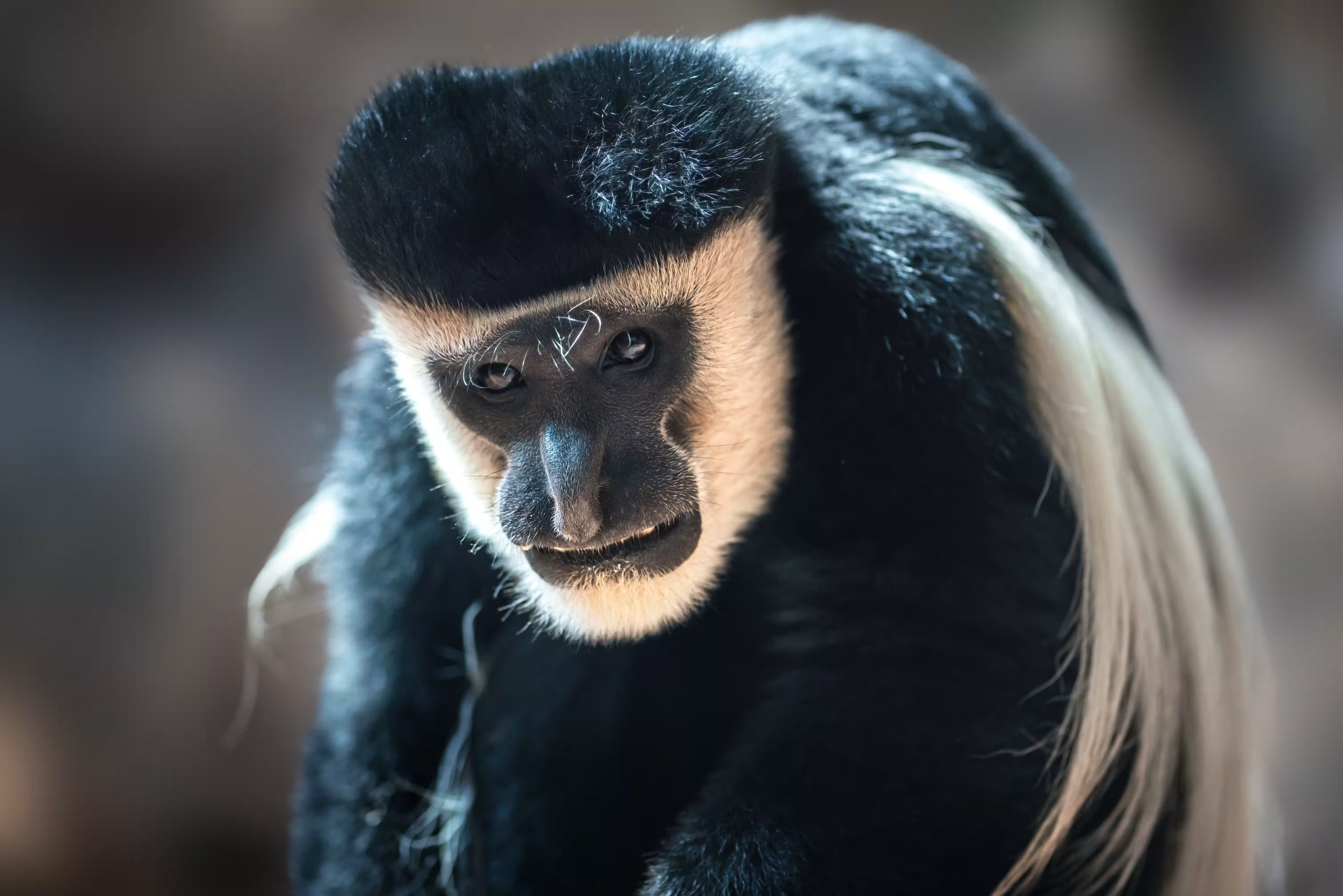
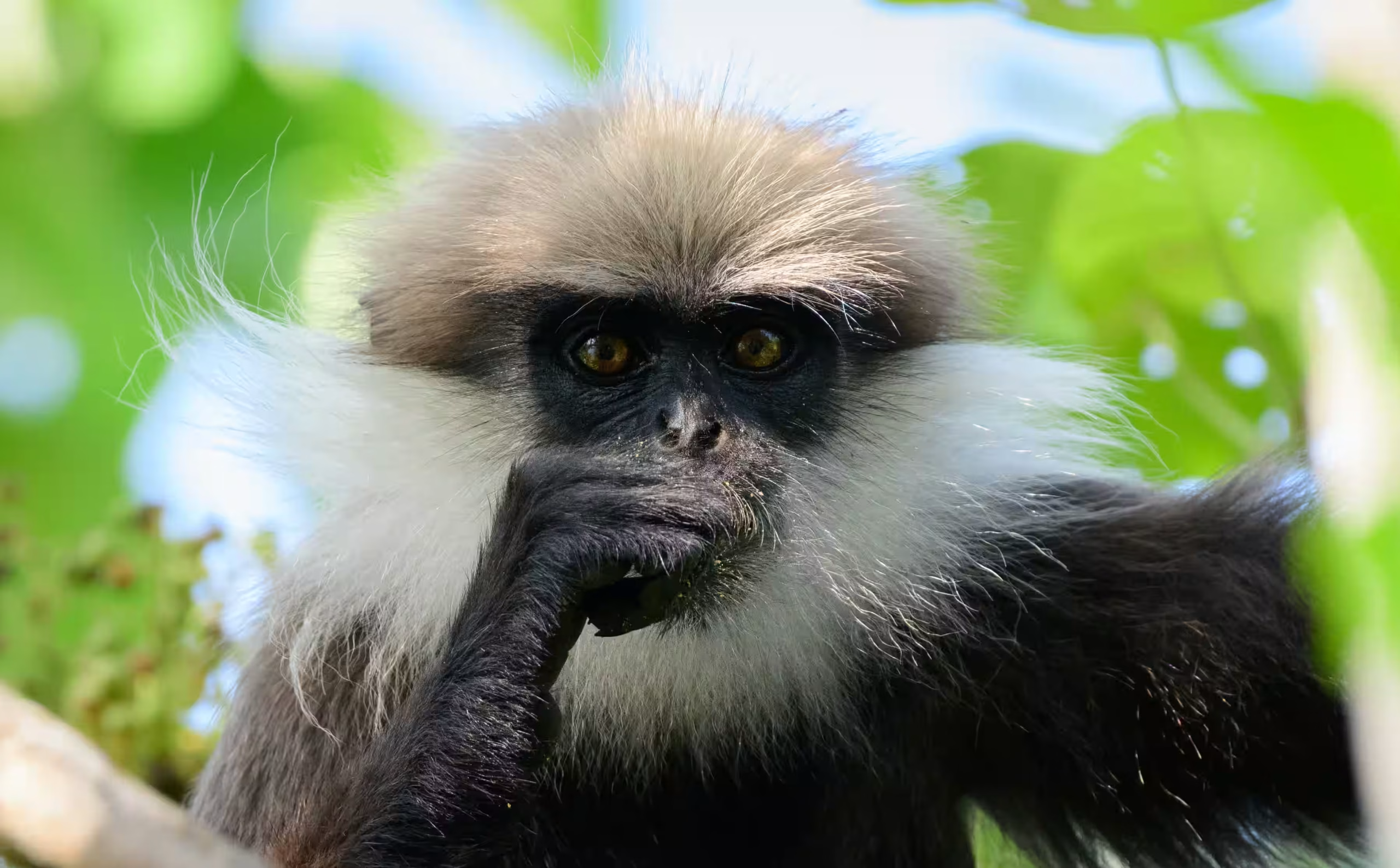
The Mimikire community of roughly sixty chimpanzees has been studied continuously by Japanese primatologists since 1965, and is completely relaxed around people. Beyond the chimps, Mahale holds red colobus, blue and red-tailed monkeys and forest birds found nowhere else in Tanzania, while Lake Tanganyika itself contains more than 250 species of endemic cichlid fish.
DISCOVER OUR SAFARIS →
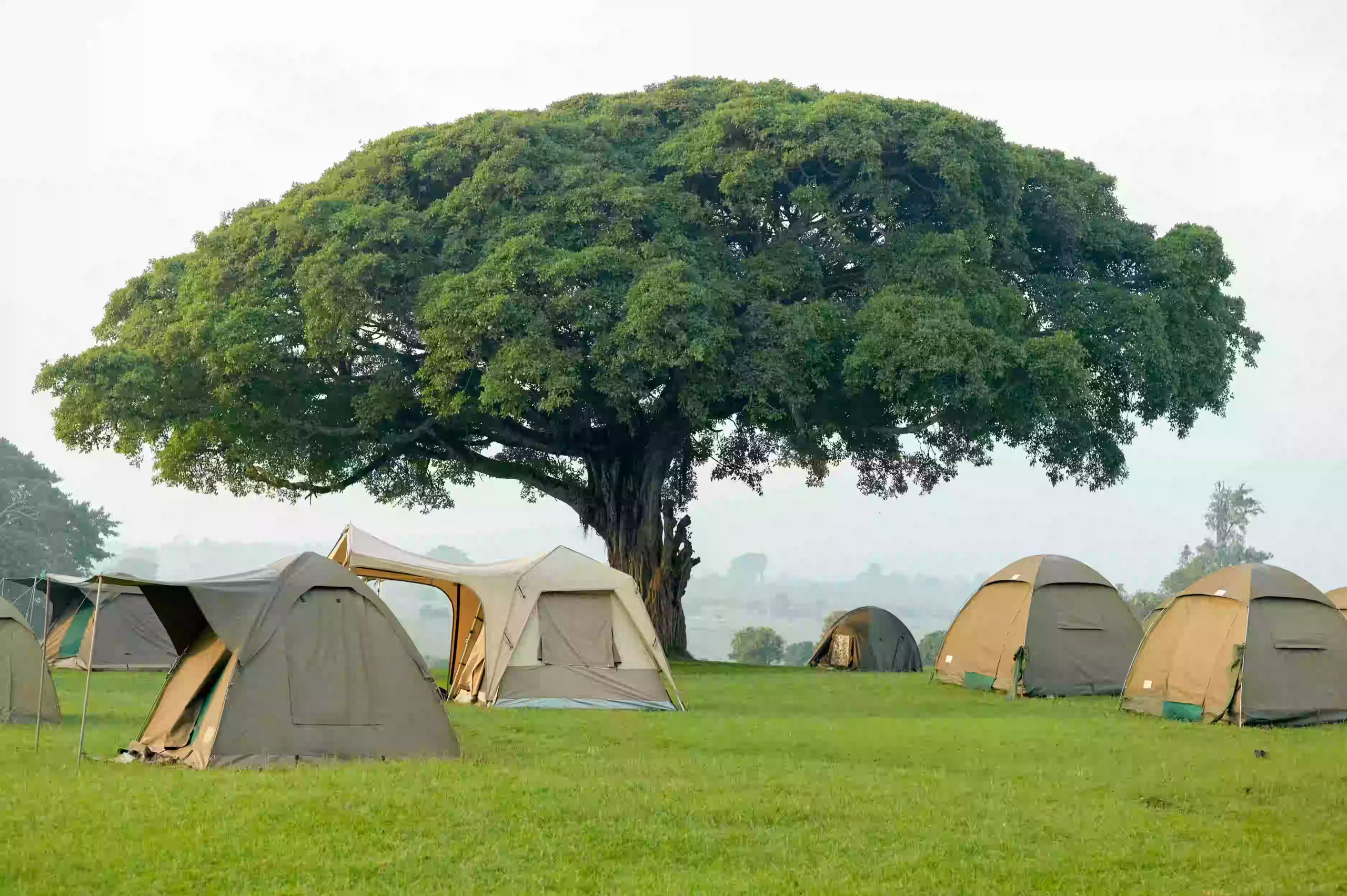
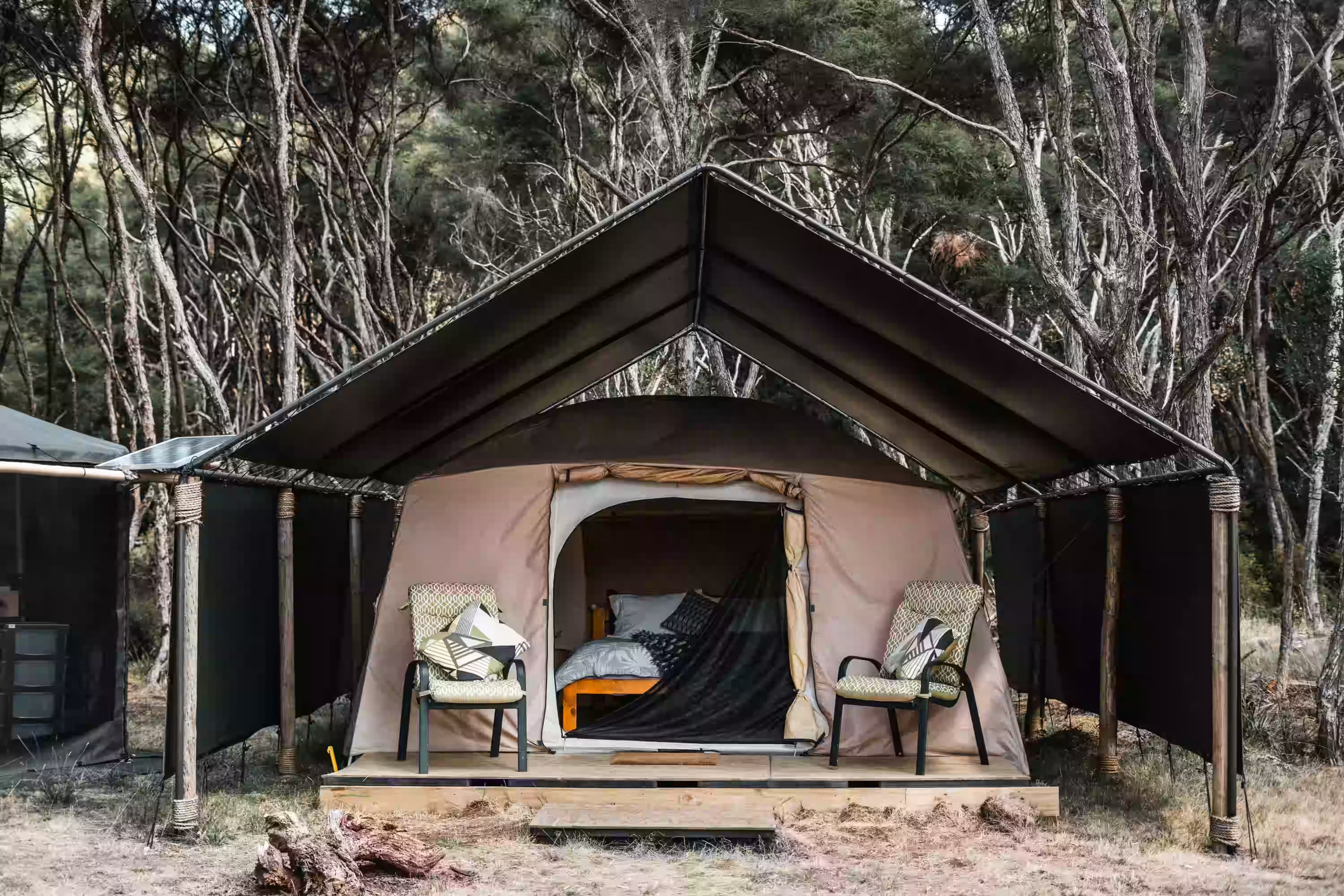
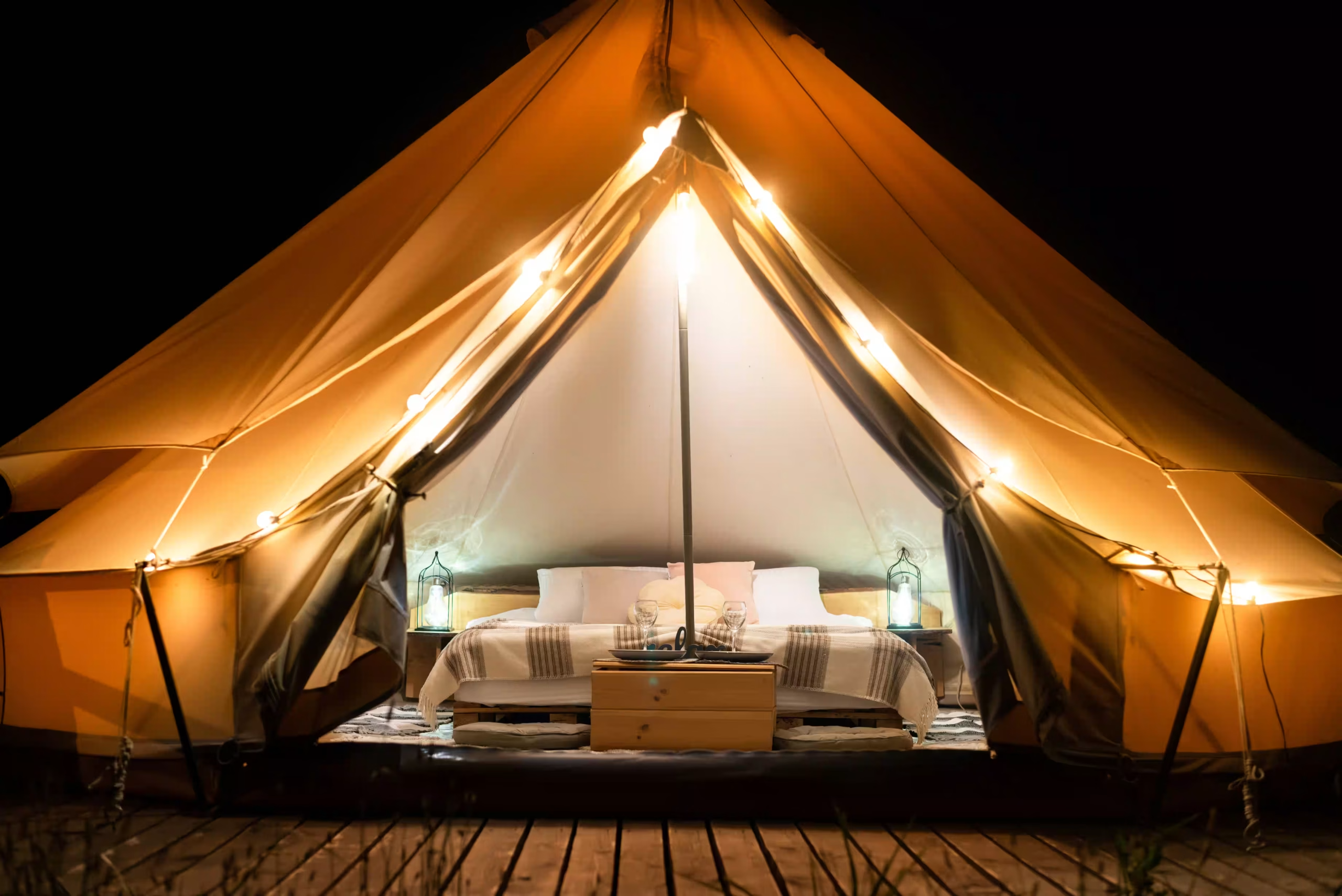
Mahale has only a handful of camps. All are seasonal, all are boat-access, and all book out far in advance.
● Southern Shore
Simple, well-kept bandas run in partnership with the local community. The most affordable way to reach Mahale, with the same chimpanzee access as the luxury camps.
From
Rates on request
● Mahale Shoreline
Our planners will confirm a mid-range camp on the Mahale shoreline for your dates.
From
Rates on request
● Beneath Mount Nkungwe
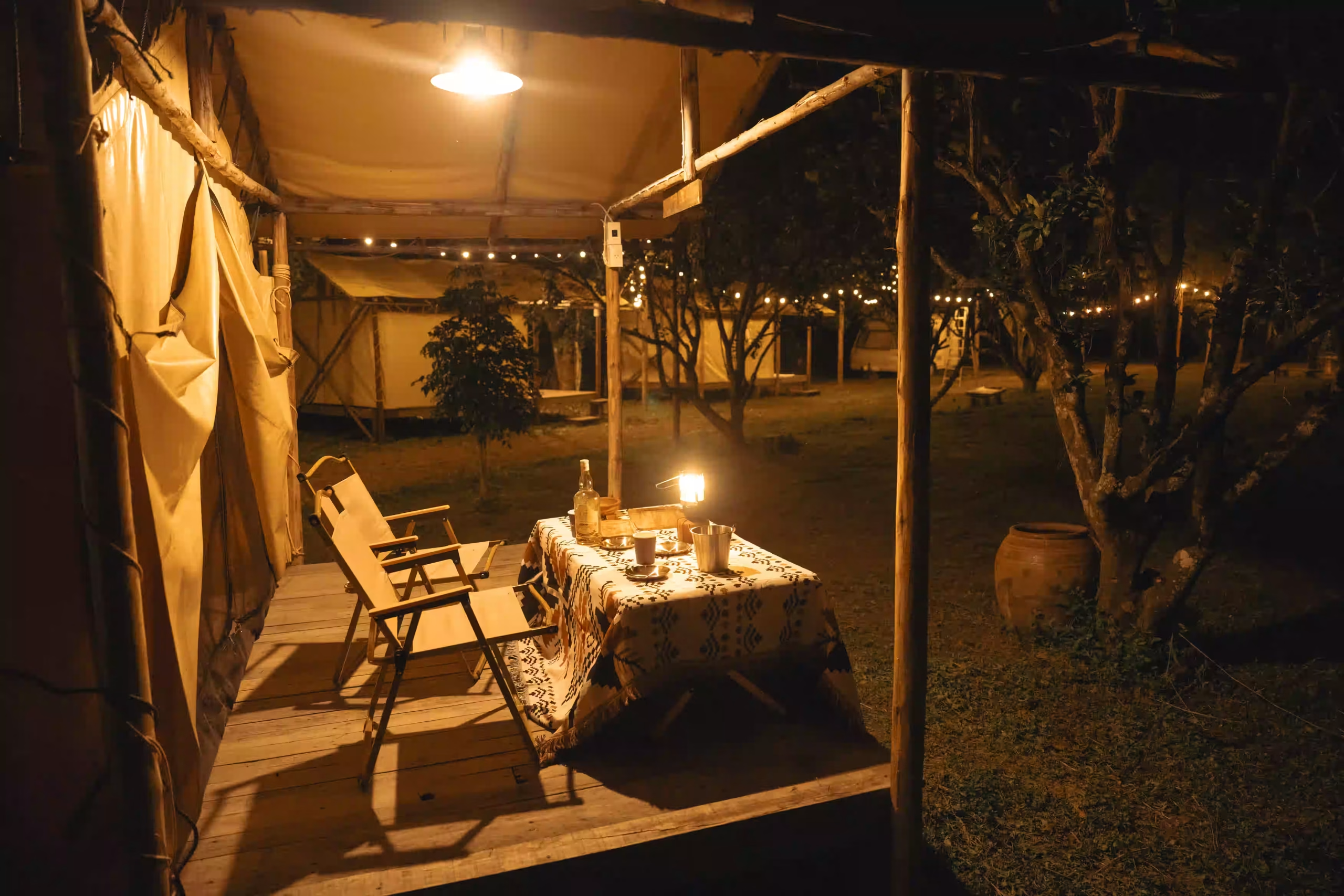
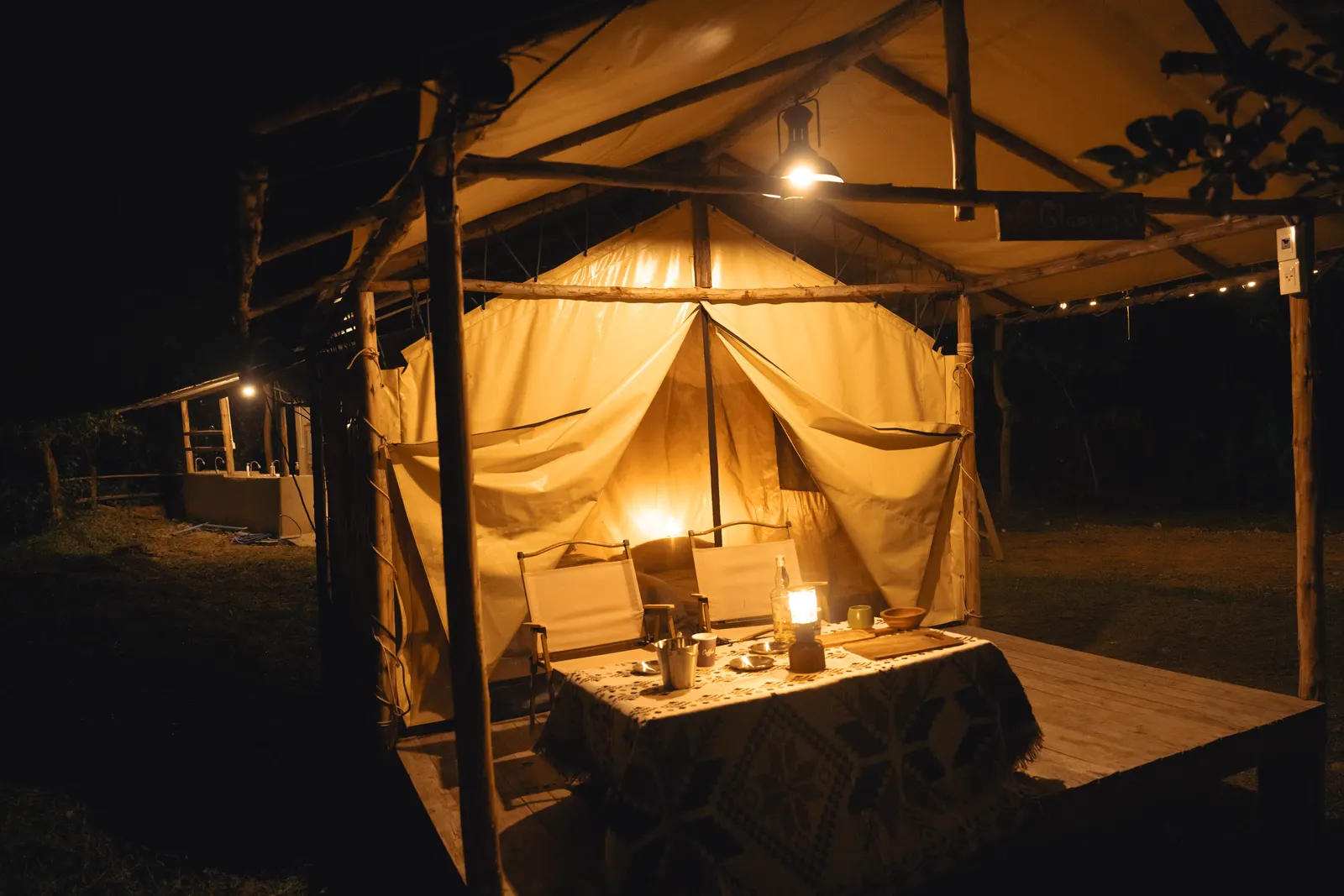
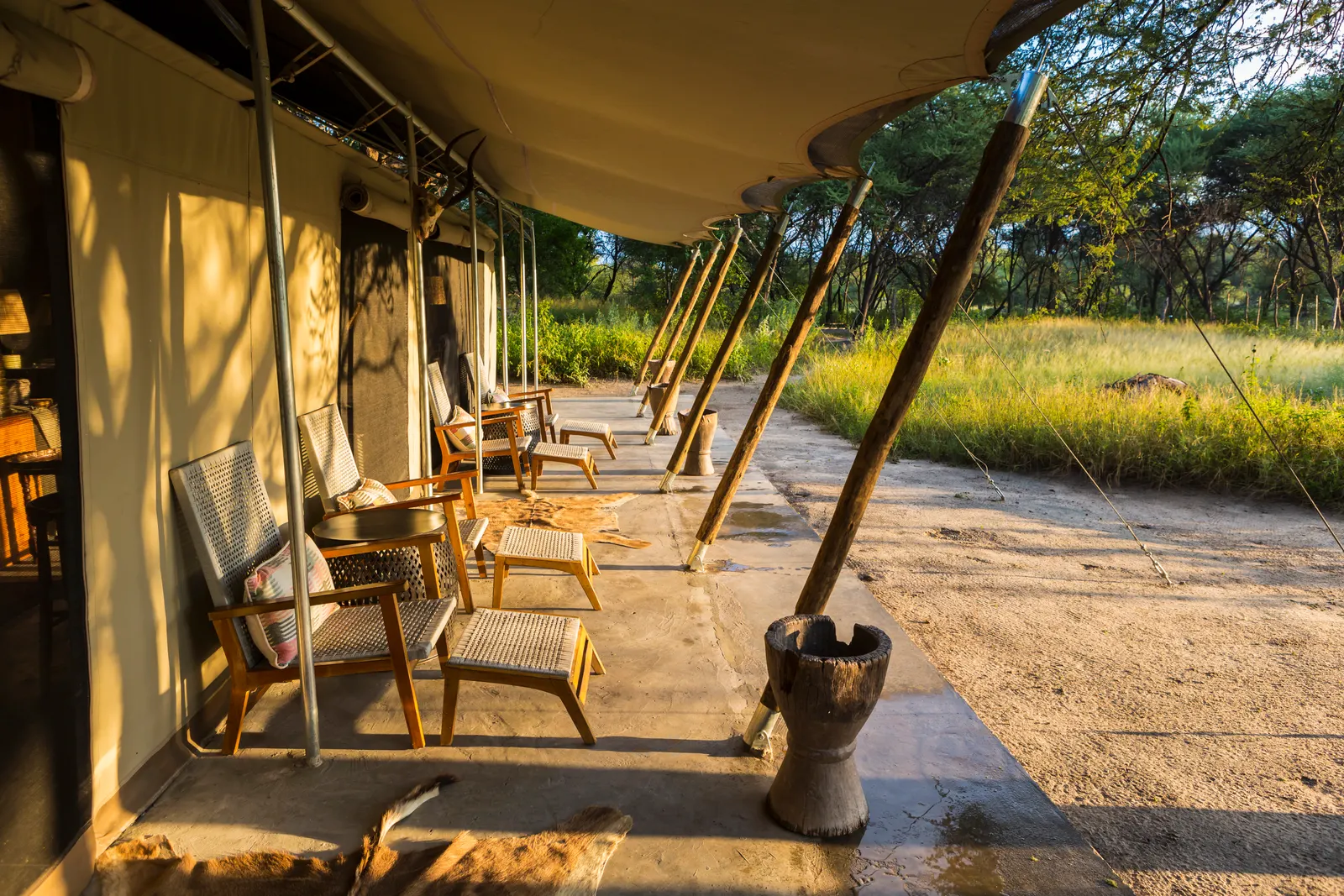
Six tented rooms on a white-sand beach directly below the park's highest peak, with dhow trips on the lake and excellent forest guides.
From
Rates on request
● Northern Beach
Six open-fronted bandas built from reclaimed dhow timber on one of the loveliest beaches in Africa. Widely regarded as one of the great safari camps anywhere.
From
Rates on request
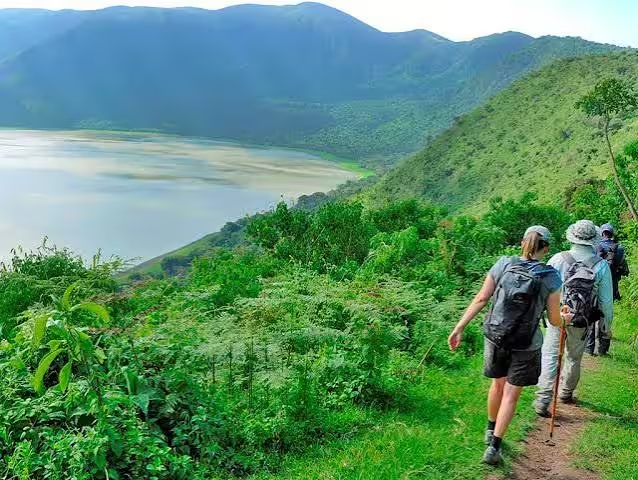
The core of any Mahale stay. Trackers locate the Mimikire community at first light and guests follow on foot, sometimes for twenty minutes and sometimes for four hours, for a strictly limited hour in their company.
Enquire →
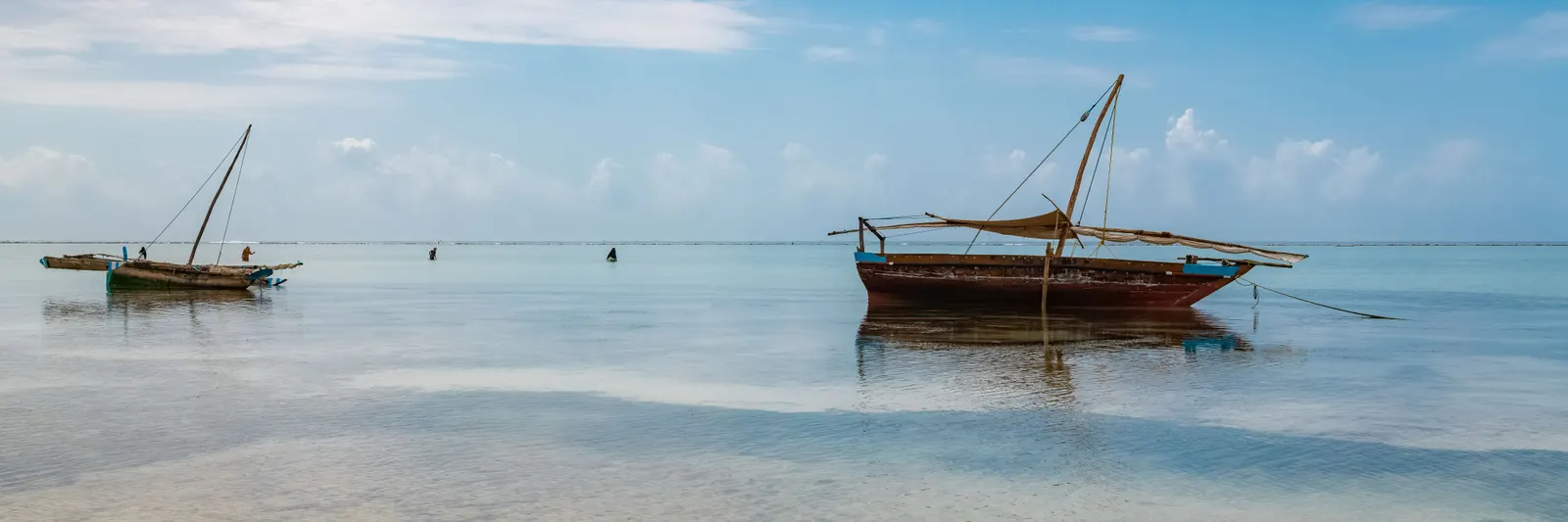
Swim, snorkel or kayak in water so clear you can see fifteen metres down, among shoals of brilliantly coloured endemic cichlids. The lake is bilharzia-free along the Mahale shore.
Enquire →
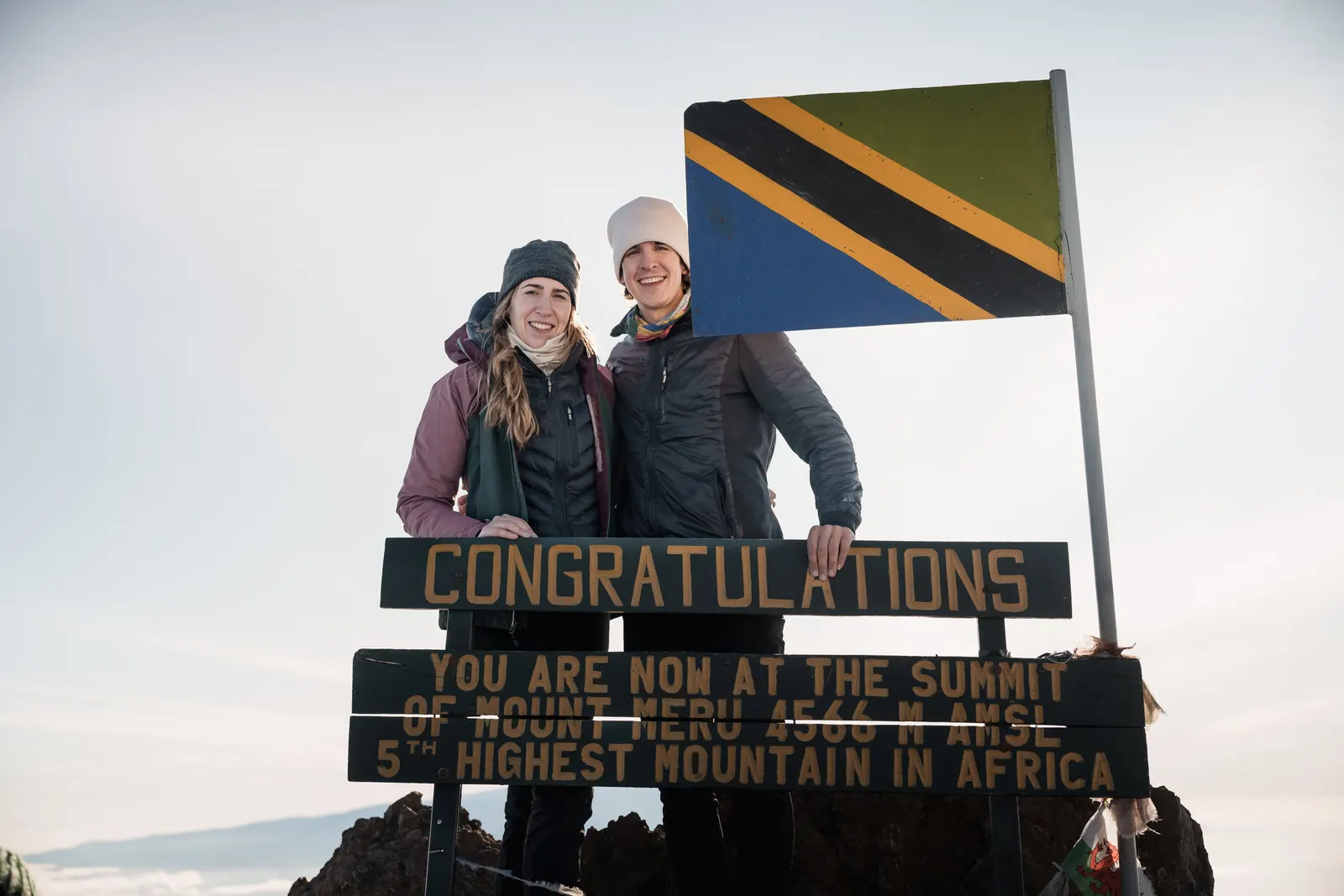
A demanding two-day climb to the 2,462-metre summit through montane forest and bamboo, with the whole of the lake spread out below. Arranged on request for fit guests.
Enquire →Mahale pairs with Katavi, the southern parks or a beach finish.
GOOD TO KNOW
The things our guests ask most before they travel. Still unsure? Speak to a safari specialist — we reply within 24 hours.
Mahale is reached by scheduled light aircraft from Arusha or Dar es Salaam to an airstrip near the park, followed by a boat transfer of one to two hours along the lakeshore. The full journey takes most of a day and flights operate on fixed days, so itineraries must be built around the schedule.
Nothing with wild animals is guaranteed, but the success rate at Mahale is very high — around 90% during the dry season, when the Mimikire community stays lower on the slopes. In the wet season the chimps move higher and treks become longer and less certain.
Moderately demanding. Treks range from twenty minutes to four hours on steep, humid, often slippery forest trails with no formal paths. Reasonable fitness and proper walking shoes are essential. Once the chimps are found, viewing time is limited to one hour by park regulation.
May to October is the prime window — drier trails, chimps at lower altitude and calm water on the lake. Most camps are closed between March and April during the long rains. October to December is a good, greener alternative with fewer guests.
Mahale is expensive because of its remoteness. Camps run from around USD 450 per person per night at community bandas to USD 2,200 at Greystoke. Light aircraft access typically adds USD 900-1,400 per person return. Chimpanzee permits are included in camp rates.
Most camps set a minimum age of 12 for chimpanzee trekking, both for the physical demands of the trek and because chimpanzees can be unpredictable. Some camps accept younger children in the camp itself with alternative activities arranged.
A minimum of three nights, which usually allows two or three trekking attempts. Given the cost and effort of getting there, four nights is a better use of the journey and leaves room for the lake, the waterfall walk and a poor-weather day.
Chimpanzees share around 98% of our DNA and are vulnerable to human respiratory illness, so the rules protect them as much as you. Anyone with a cold or flu is not permitted to trek, a seven-metre distance must be maintained, and masks are required by most camps.
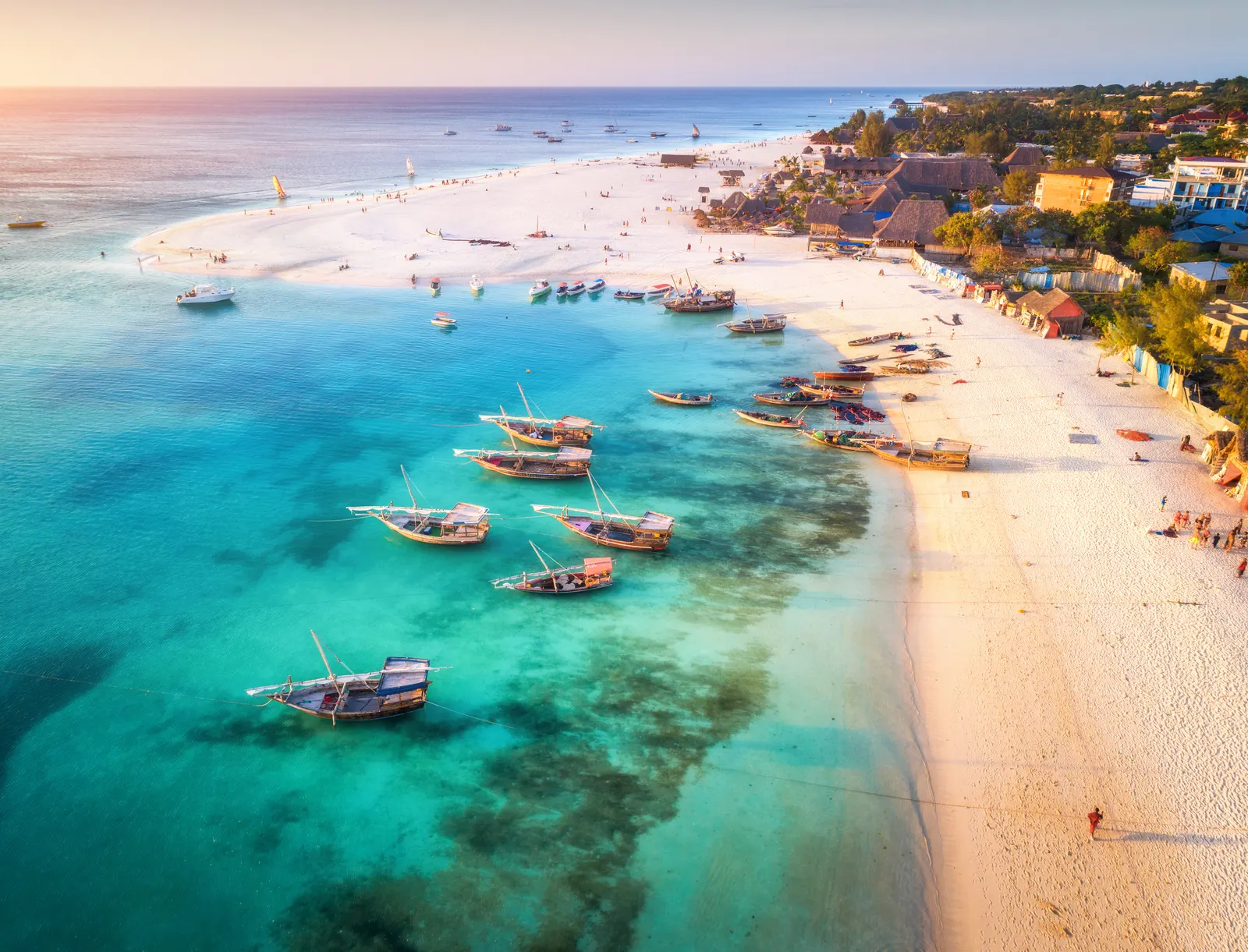
Katavi National Park is the natural pairing — both are in the remote west and are linked by the same weekly flight circuit, making a classic wilderness combination. Alternatively, fly back via Dar es Salaam for the southern parks or Zanzibar.
Have a question we haven't covered?
ASK A SAFARI SPECIALIST
"Every journey we craft is as unique as the traveller who takes it." — Places of Africa Safaris
Plan Your Safari
Tell us your dream — we'll craft it into reality, step by step.
✓Live Specialist
✓a real-time response.
Tell us a little about the trip you have in mind. A planner in Arusha will write back within one working day.
Talk to us through WhatsApp
Places of Africa SafarisPlanner