JAN – MAR
Calving Season on the Ndutu Plains
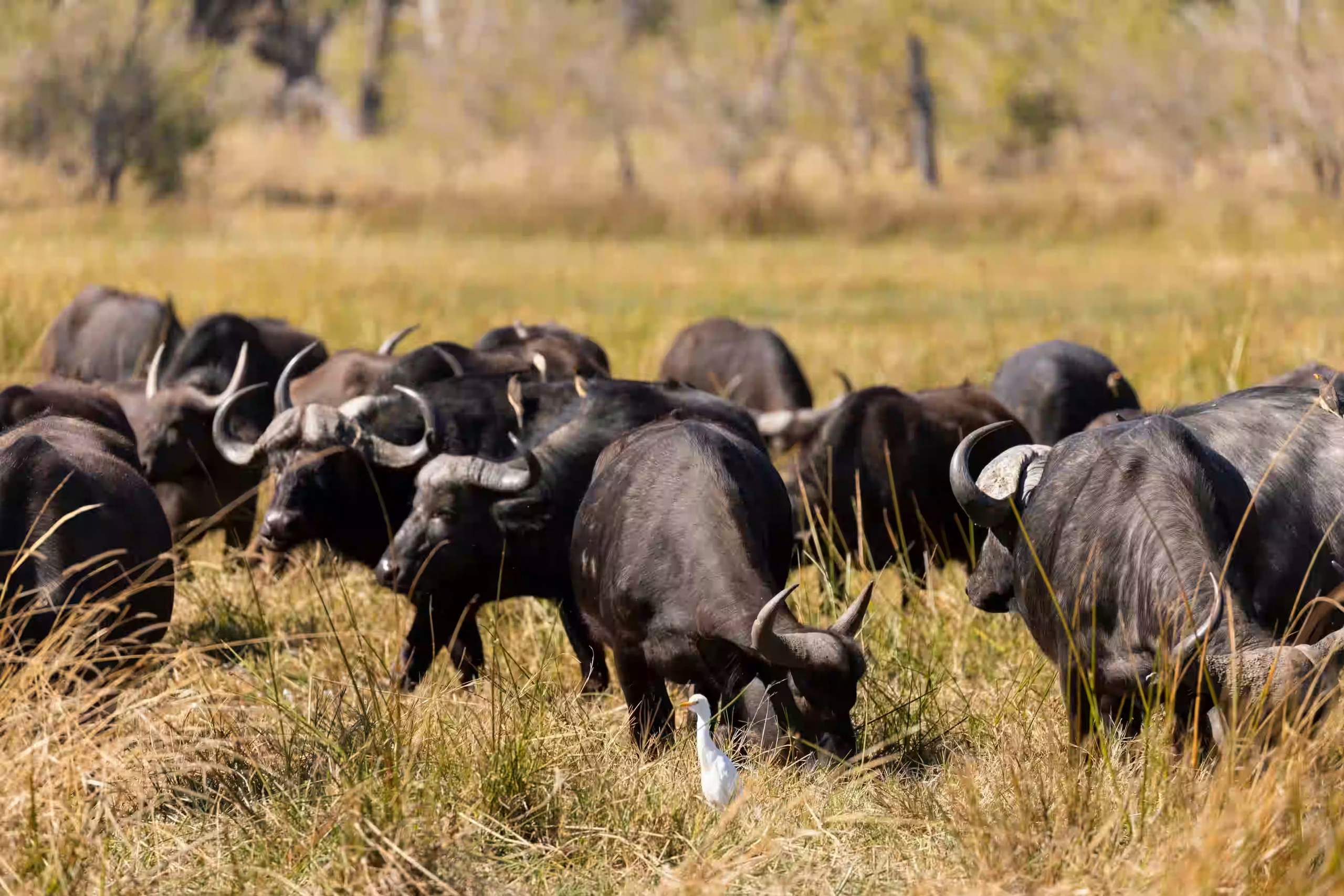
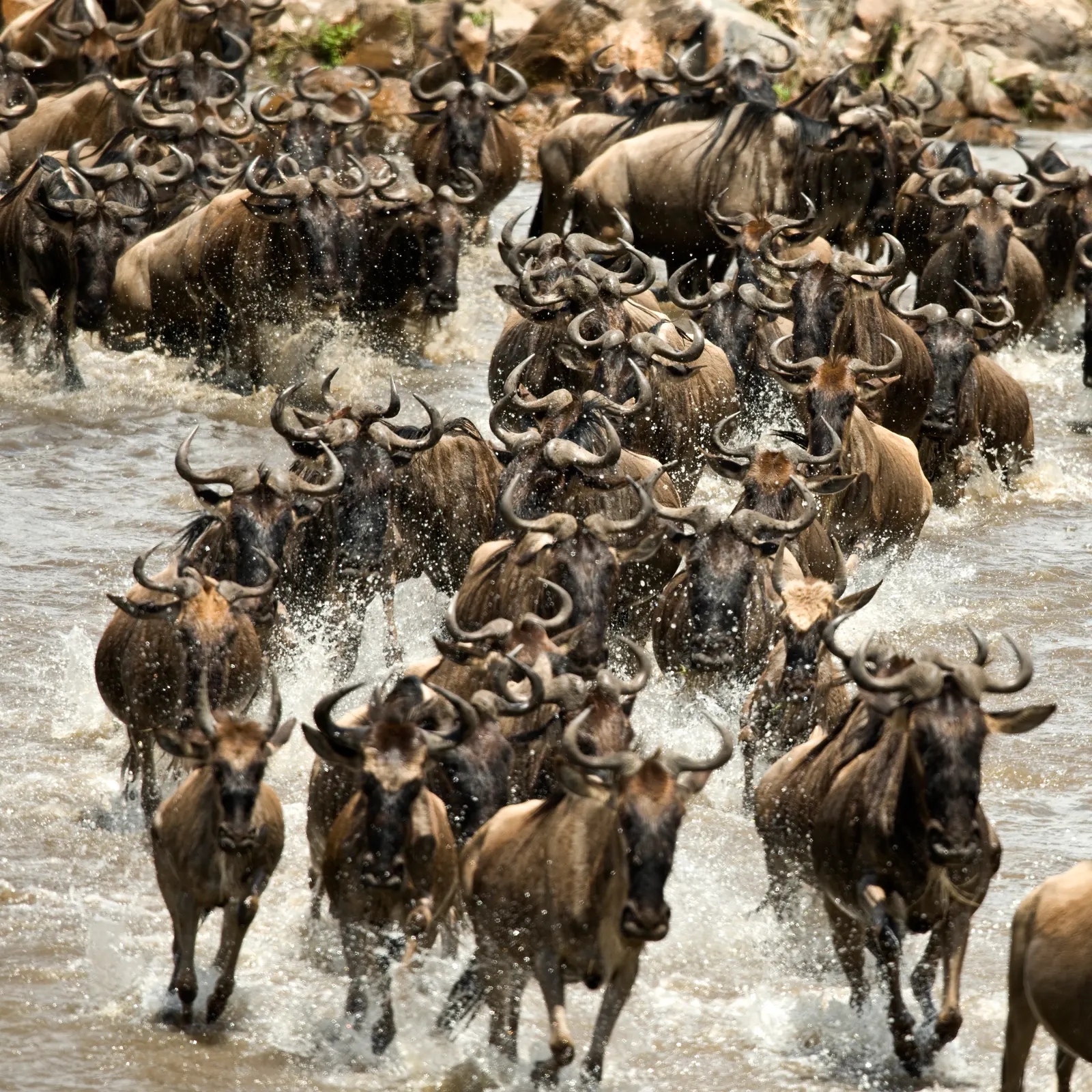
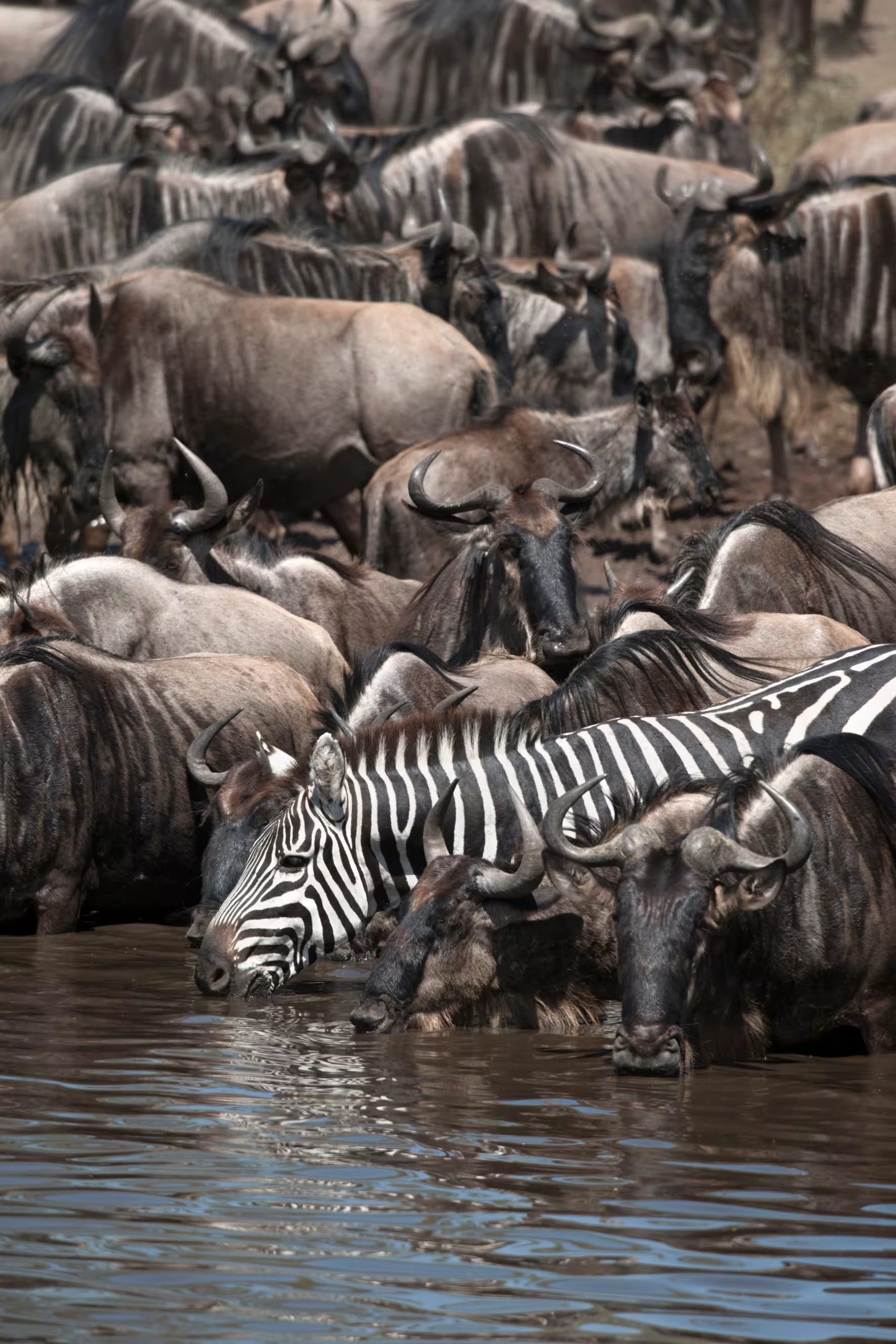
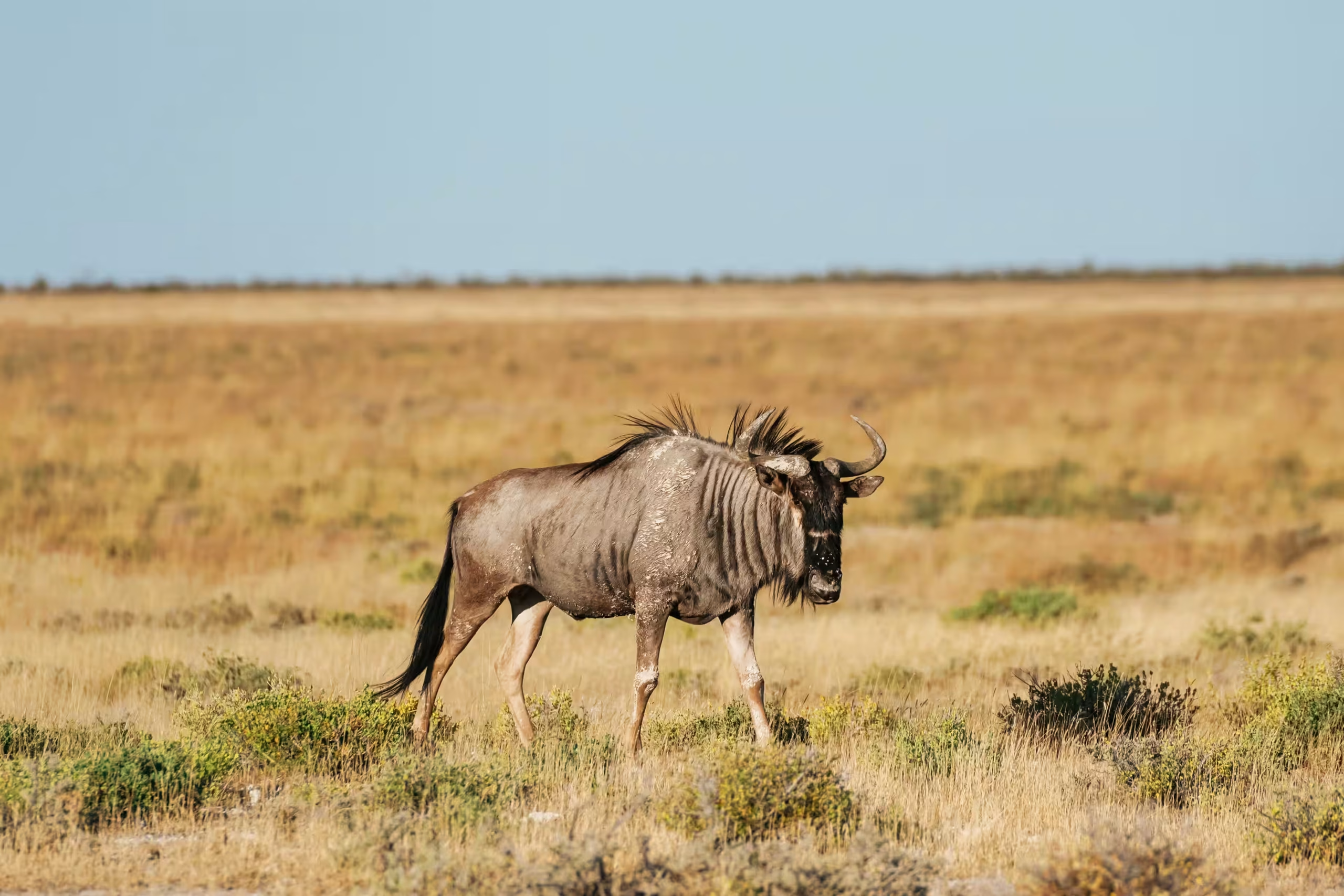
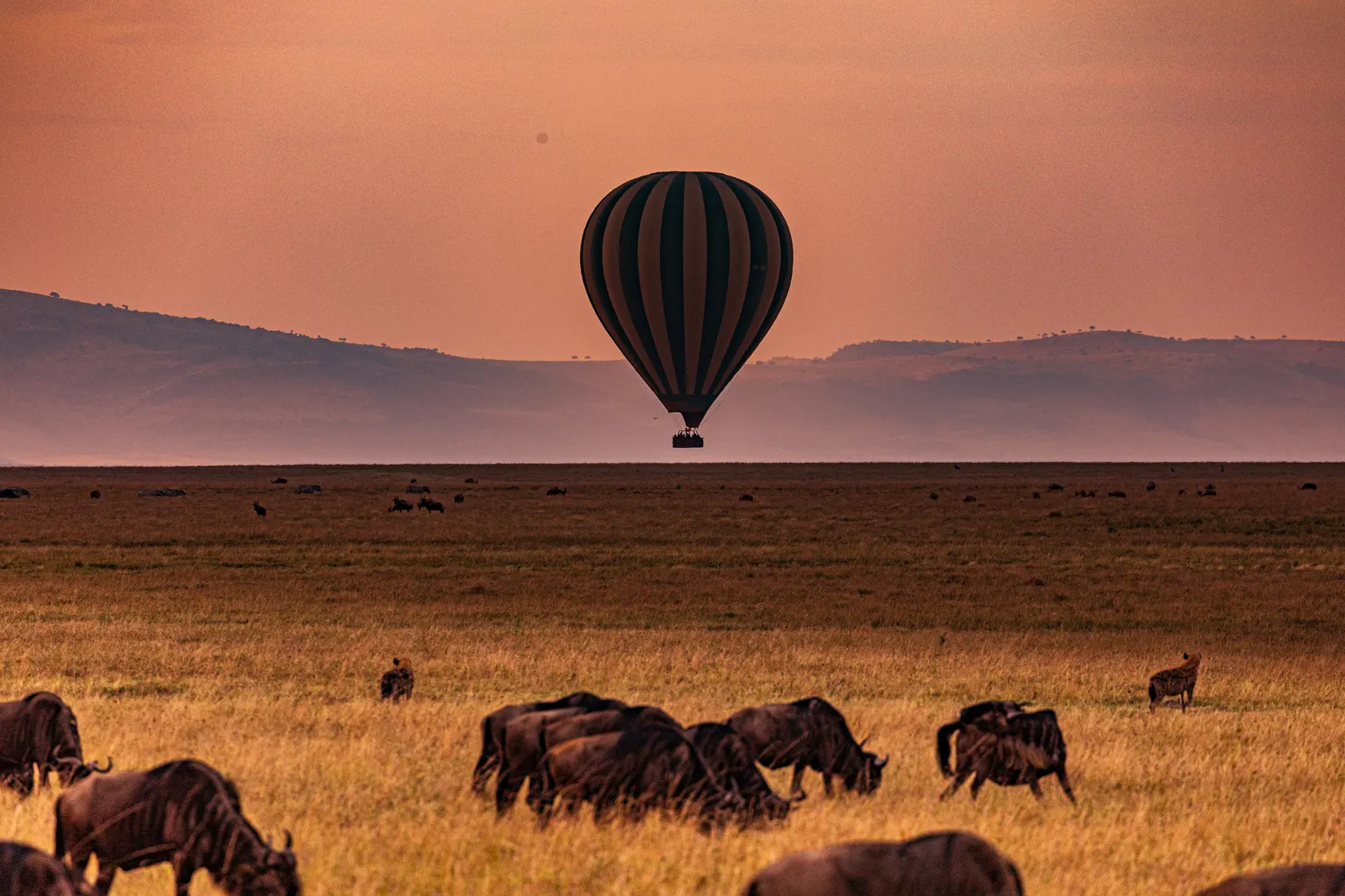
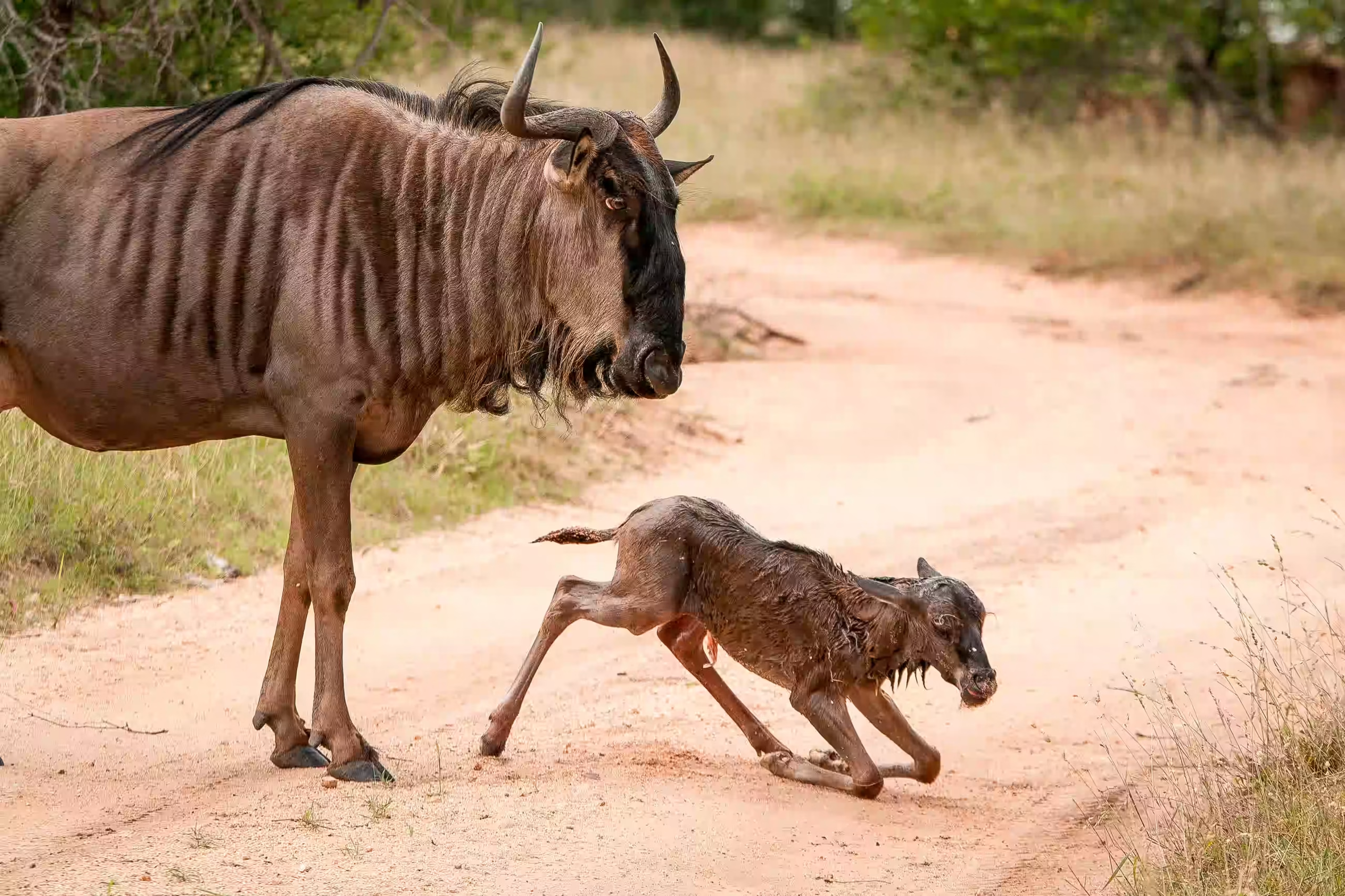
Half a million calves born in a few short weeks on the southern short-grass plains, and every predator in the ecosystem waiting for them.
Per guest, from:
$3,750$625 per night
DESTINATIONS
SAFARI COLLECTIONS
LIFE ON SAFARI
WHY PLACES OF AFRICA
EXCLUSIVE OFFERS

Home/Find a Journey/Green Season 2027
November to March. Storm skies, clean air, newborn animals, and a fraction of the vehicles — for the lowest rates in the calendar.
COL-03 · Jan, Feb, Mar…
The green season is sold as the compromise season. It is not. It is the season with the best light, the fewest people and the lowest prices, and the only thing you actually trade is certainty about the afternoons.
Game viewing
How reliably you see a lot, without luck.
Weather
Dry, clear and predictable, versus not.
Few vehicles
How much of a sighting you get to yourself.
Value
What the same itinerary costs against peak.
The case for it
Dust is washed out of the air, the skies build enormous cloud structure, and the hour after rain is the best photographic light Tanzania produces. Dry-season skies are clear, which is a different and less interesting thing.
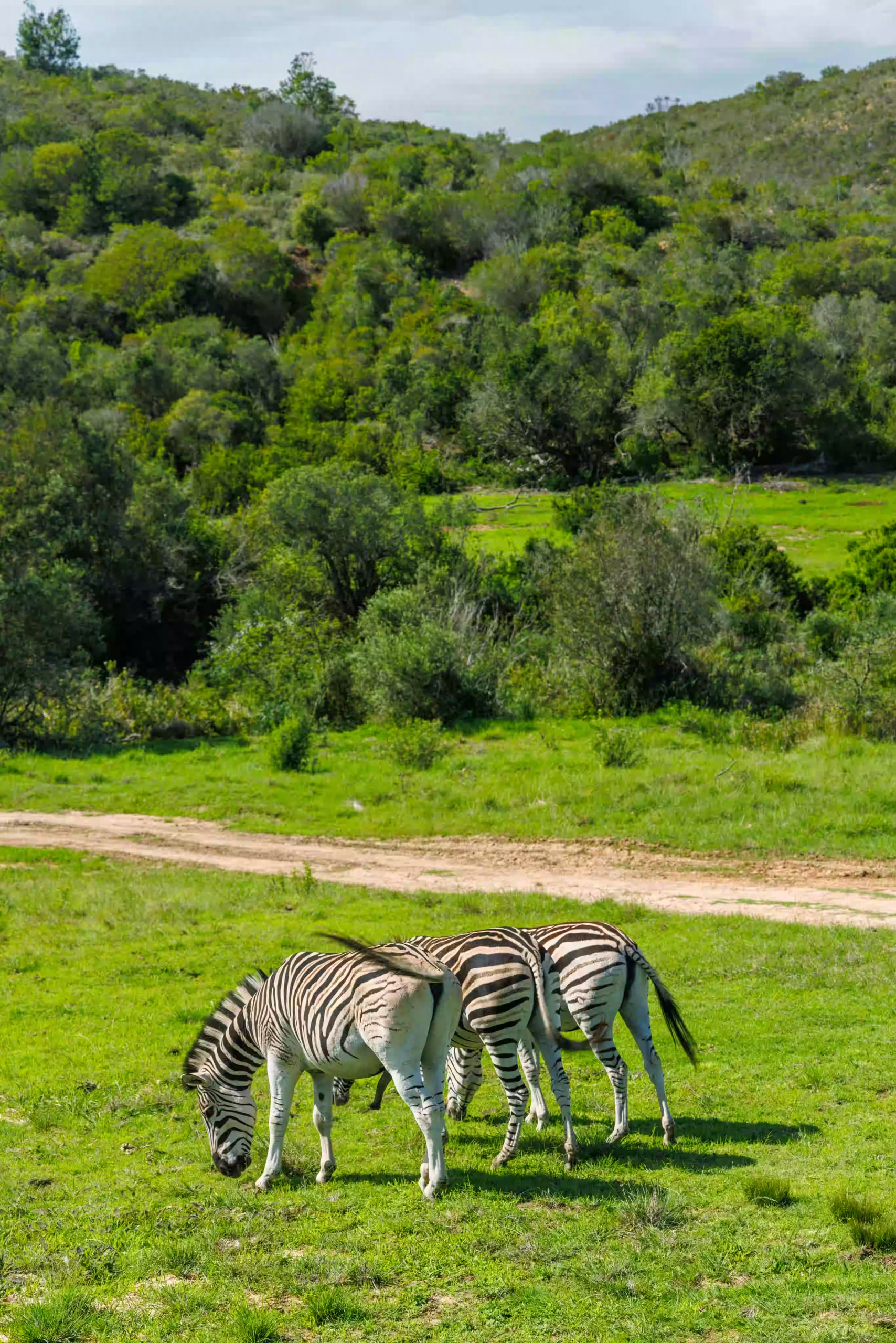
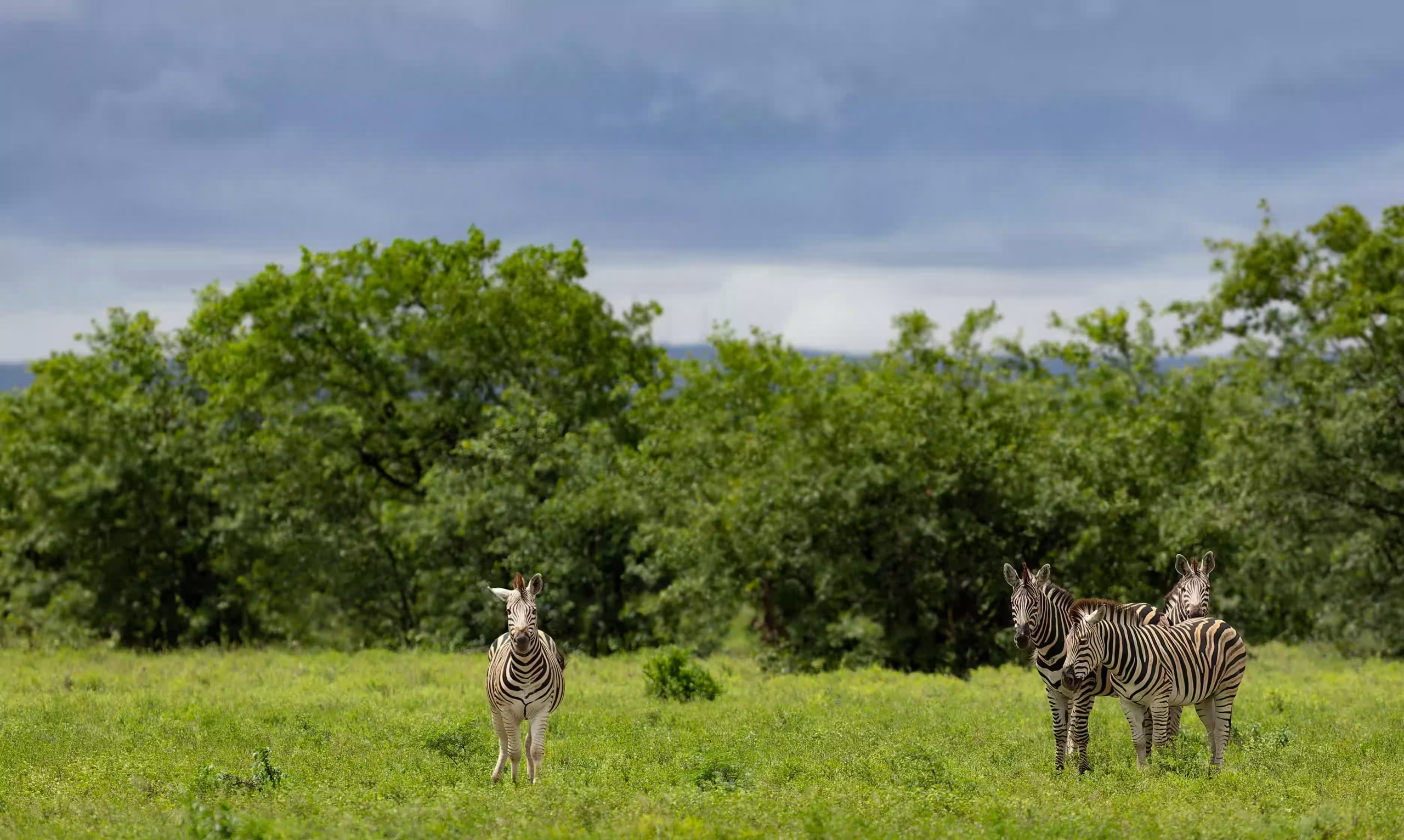
Not only the wildebeest. Impala, zebra, warthog and gazelle all drop young in the green months, which means predators are active and the plains are full of small animals.
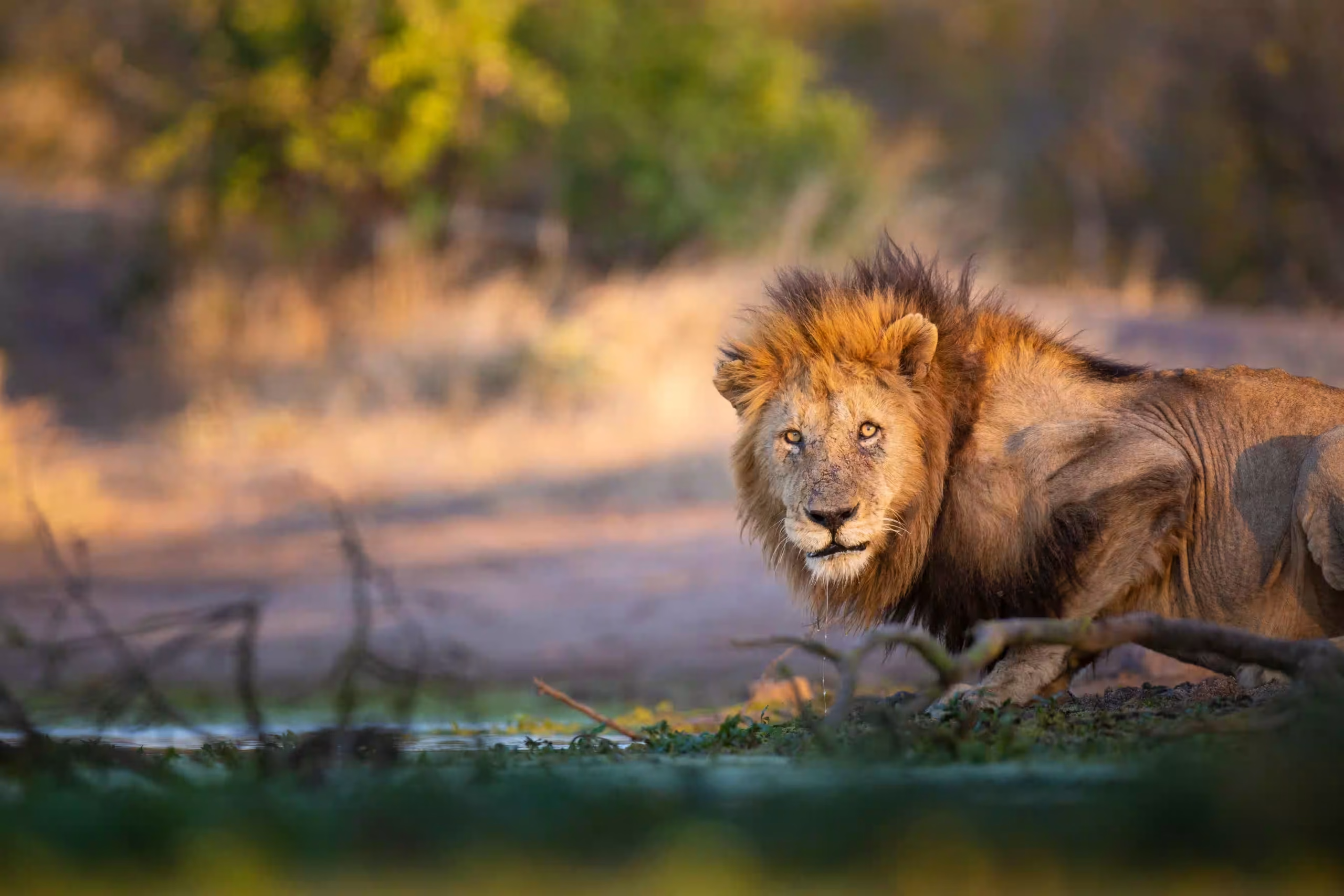
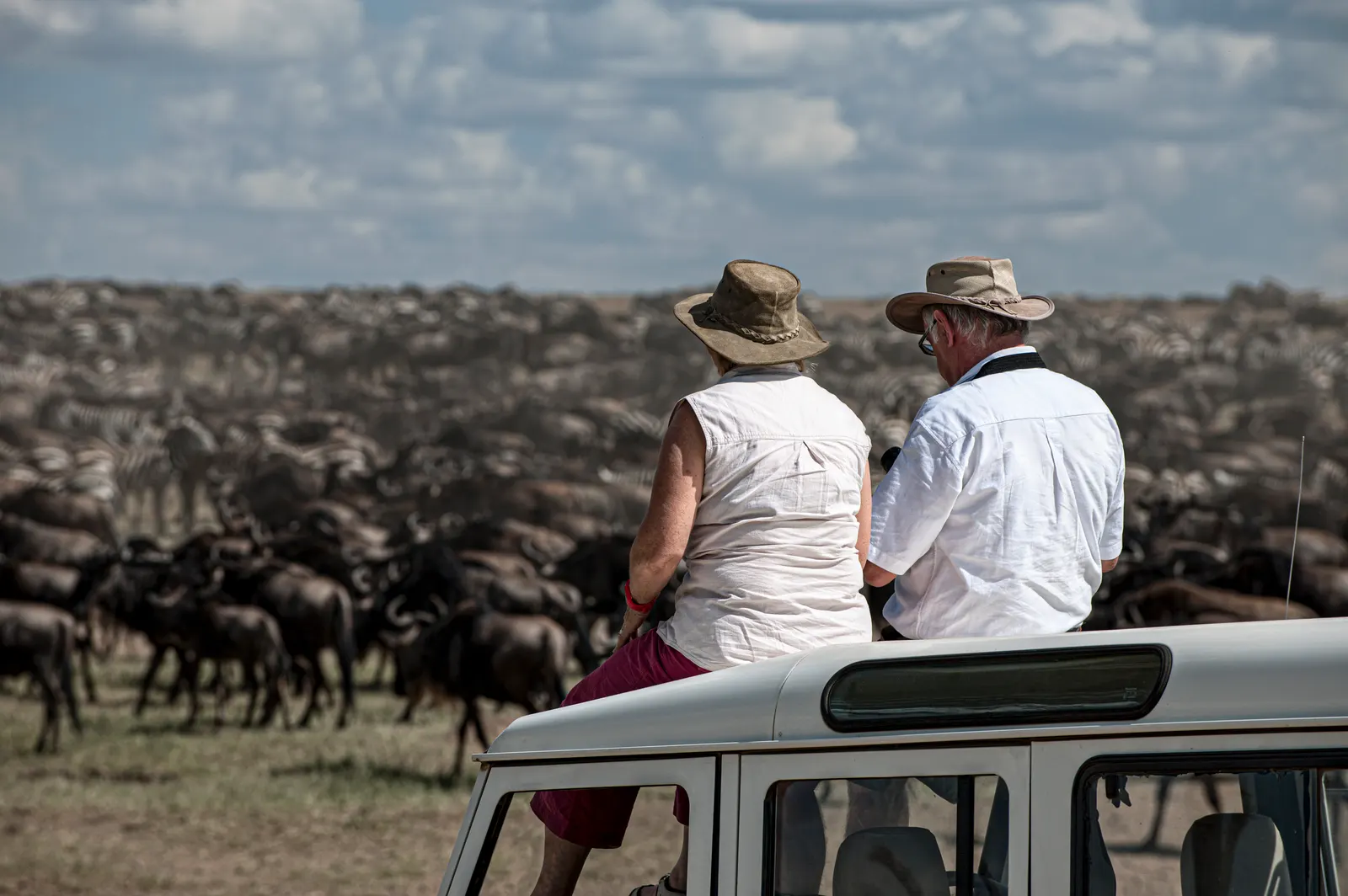
The most underrated part. A leopard in February is a leopard you watch on your own; the same leopard in August has six vehicles on it.
Camps price the green months well below the dry season. It is the difference between a lodge you can afford and one you cannot, on the same itinerary.
Inside the window
November and December behave nothing like February and March. The first half is the short rains arriving over a drying landscape; the second is calving on green plains with the long rains coming.
Storms build in the afternoons and break, and the plains turn green within days. The herds work south through Lobo and Loliondo. Skies are at their most dramatic all year and vehicle numbers collapse after the October handover.
Early December is one of the quietest, best-value weeks in the calendar. From roughly the 20th the northern-circuit camps fill completely for the festive fortnight. The herds are back on the southern plains.
Green country, warm days, afternoon showers. The herds are settled south and calving may begin late in the month. Rates drop sharply once the festive period ends.
The peak of the calving and the strongest predator viewing of the year, on open short grass. Storm structure in the sky makes this the month photographers ask for.
Still green, still quiet, still cheap — but the long rains build through the month and the southern parks become genuinely difficult. We treat April and May as a separate proposition, not part of this window.
In this collection
Every one is a starting shape we rebuild around your party and your exact dates. Nothing here is a fixed departure.
JAN – MAR
Half a million calves born in a few short weeks on the southern short-grass plains, and every predator in the ecosystem waiting for them.
Per guest, from:
$3,750$625 per night
MOBILE CAMP
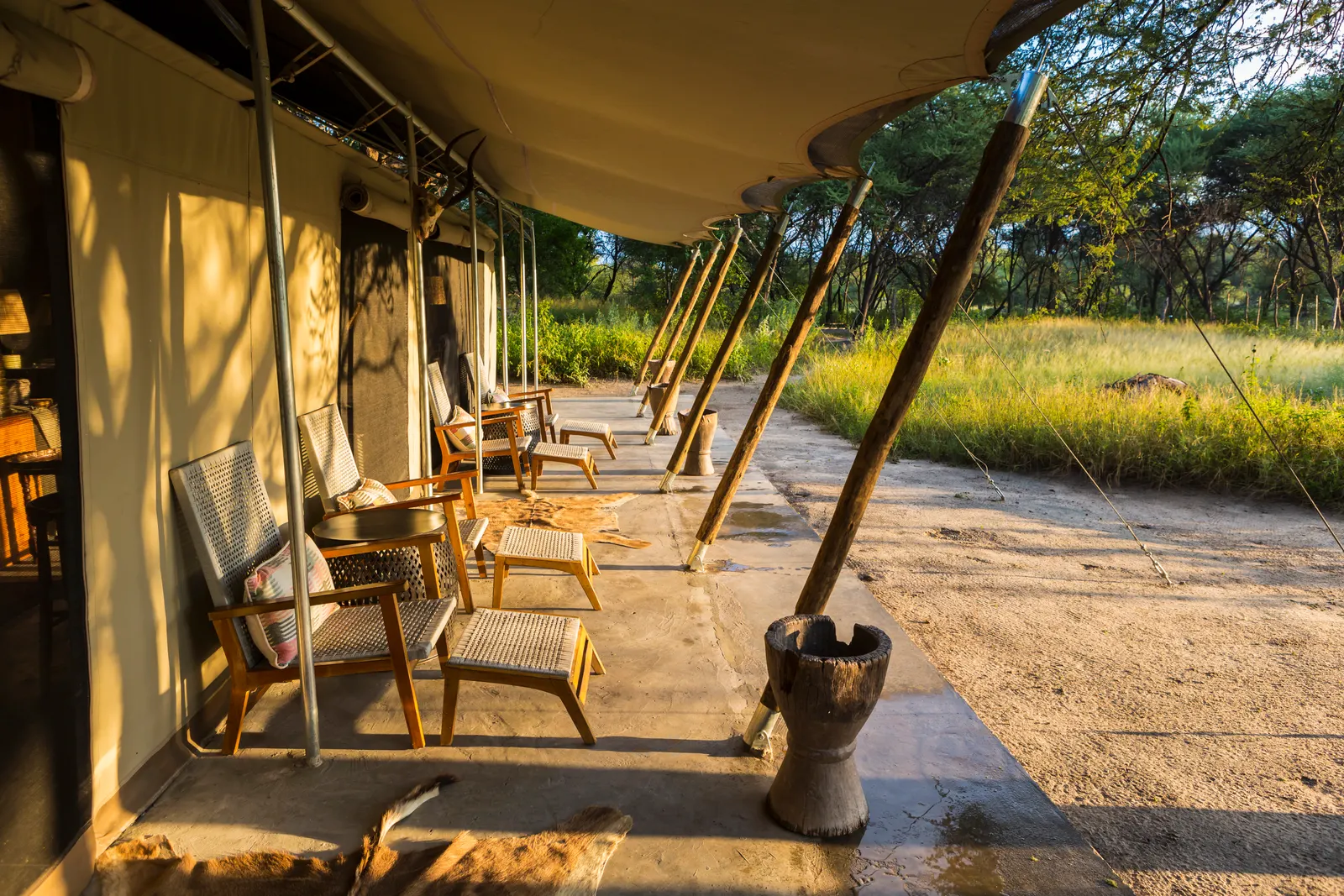
A mobile camp that moves with the herds two or three times a year, so you wake where the wildlife is rather than driving to find it.
Per guest, from:
$4,080$680 per night
WILDLIFE WONDER
The crater floor at first light, before the day vehicles descend, then the highland forests and the Maasai grazing land above the rim.
Per guest, from:
$2,290$458 per night
MOST REQUESTED
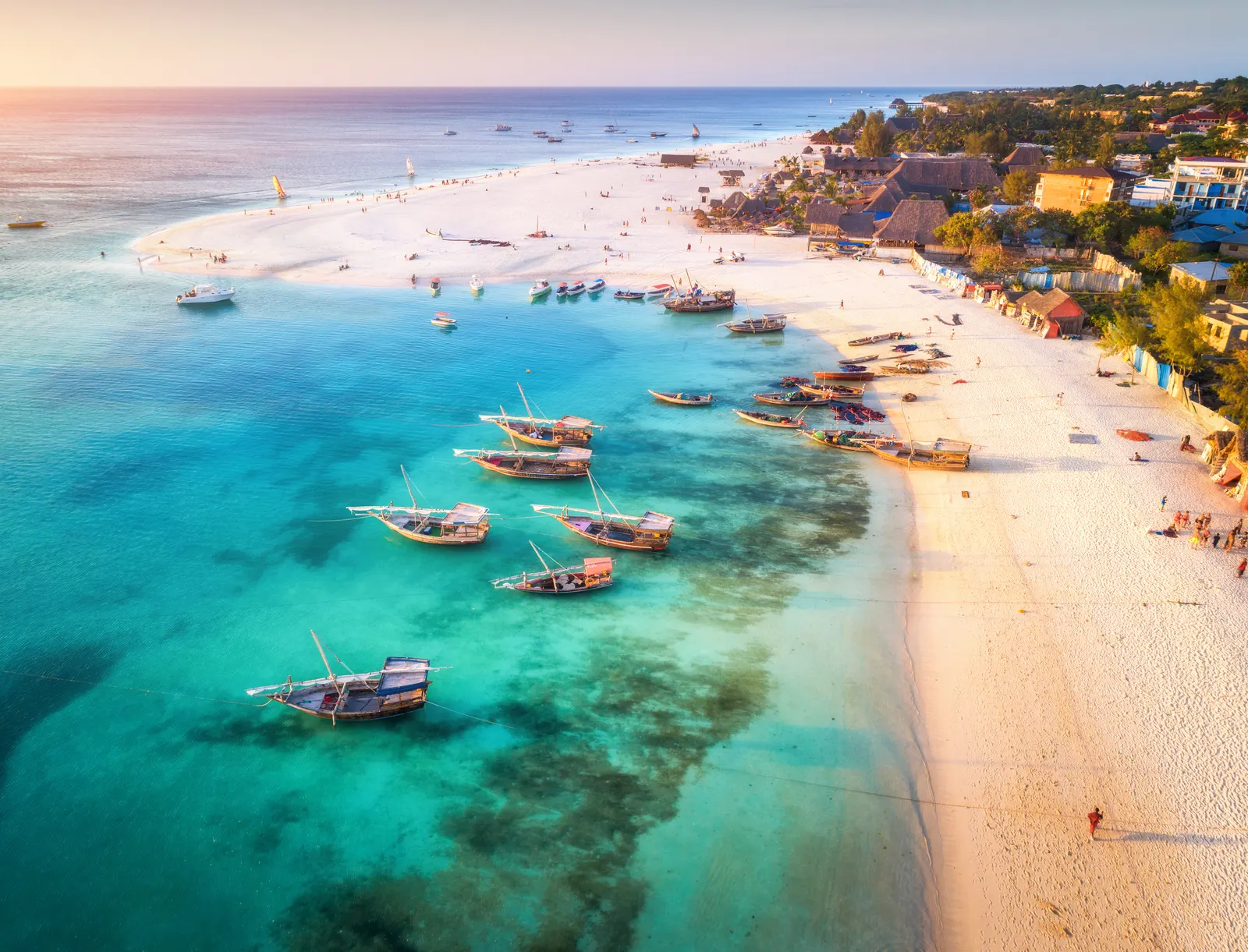
The northern circuit, then a short flight to the coast. Six nights of game viewing and four of doing nothing at all, in that order.
Per guest, from:
$5,440$544 per night
AGES 6+
Private vehicle throughout so the day runs to your children's clock, shorter drives, and camps that actually want families rather than tolerating them.
Per guest, from:
$4,940$618 per night
FOR TWO
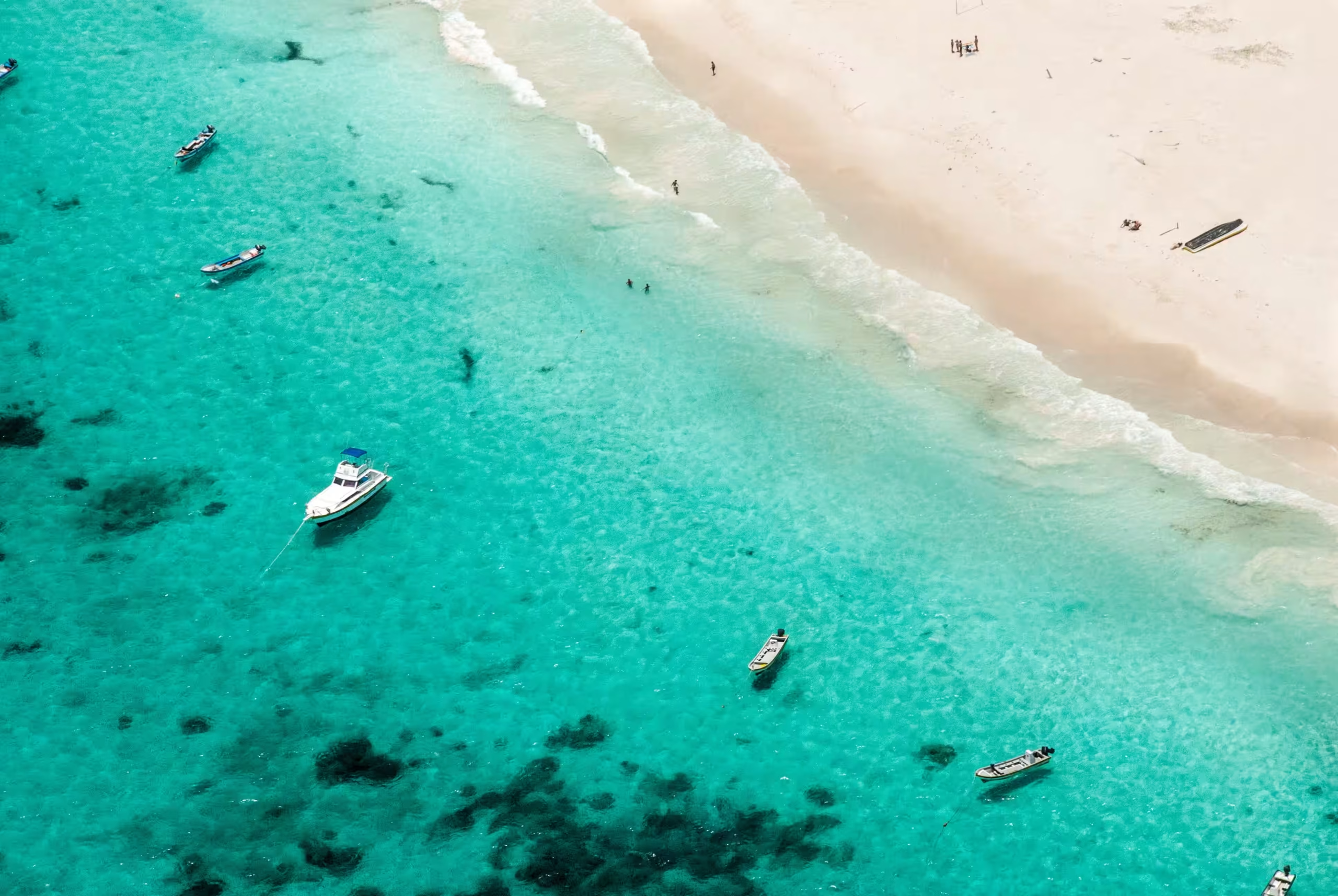
Small camps, a private vehicle, and a beach at the end of it. We write to every property in advance — camps are generous to honeymooners when somebody asks.
Per guest, from:
$5,570$619 per night
7 DAYS ON THE MOUNTAIN
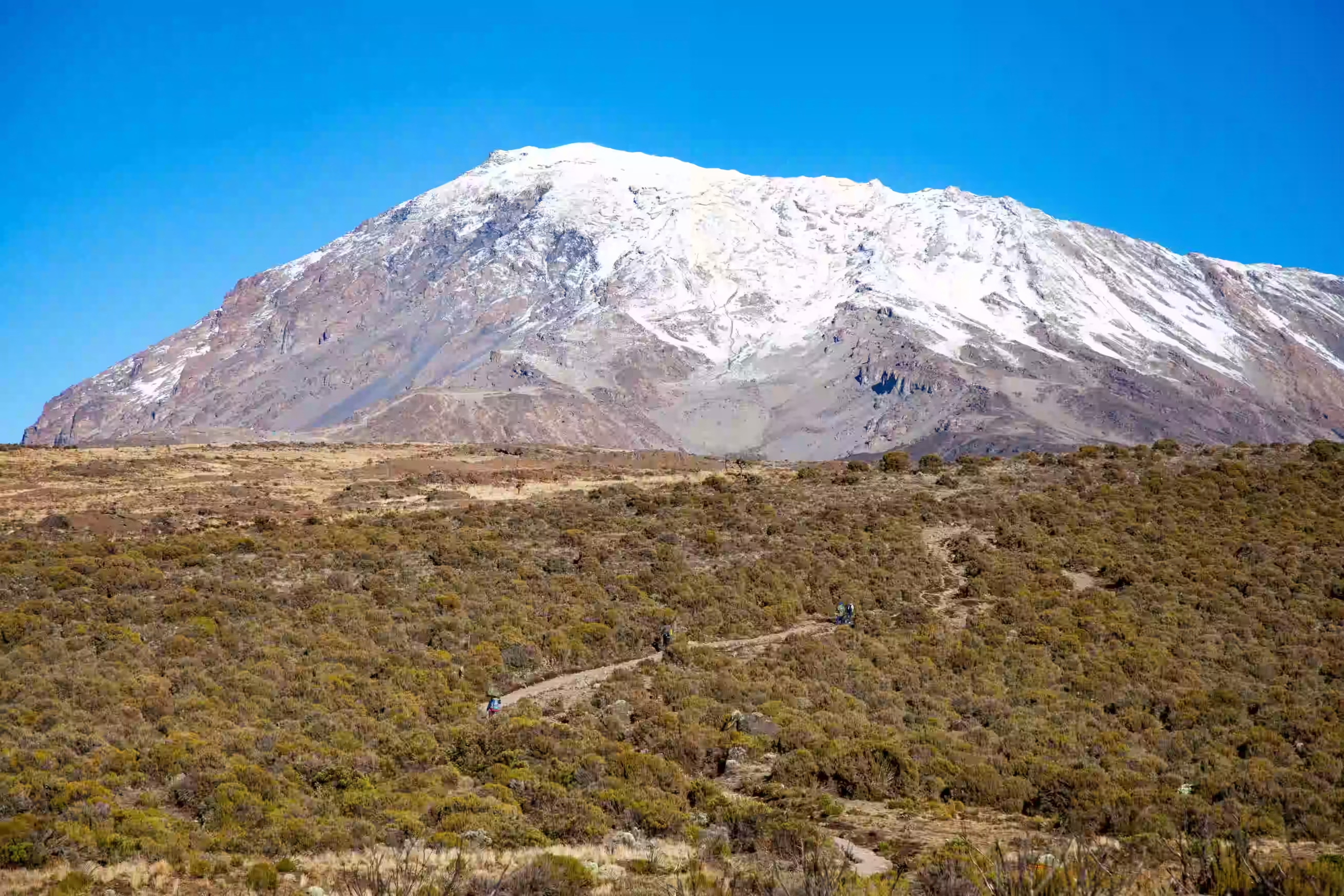
The most walked route to Uhuru Peak, and rightly — it climbs high and sleeps low, which is what gets people to the summit.
Per guest, from:
$2,330$333 per night
BEST ACCLIMATISATION
Longer, quieter and with the highest success rate of the popular routes. An extra day on the mountain buys more than any amount of training.
Per guest, from:
$2,650$331 per night
SHARED VEHICLE
A set departure shared with up to six others. The same guide and the same parks as a private trip, at the price that sharing a vehicle makes possible.
Per guest, from:
$3,780$630 per night
Before you commit
The long rains are heavier and more sustained than the short rains, some camps close, and access to the southern parks becomes genuinely difficult. We treat November to March as green season and April to May as its own thing.
It rains in bursts, usually in the afternoon, and it is warm. One proper waterproof beats a second bag.
Some mobile and seasonal camps close for part of the green months, and the ones that stay open are not always in the same place they were in August. It narrows the choice rather than removing it, and it is a reason to fix camps early even though the season is quiet.
Dry-season skies are clear, which is a different and less interesting thing than dramatic. The green months give you cloud structure, washed air and the hour after a storm — the best light Tanzania produces, on plains full of newborn animals.
Honestly
Telling you a season is wrong for you costs us one booking and saves you a disappointing trip. Both columns are worth reading.
Right for you if
Probably not if
Common questions
Rarely. The short rains are typically afternoon storms that build, break and clear, with bright mornings either side. The long rains from late March are the sustained ones.
Slightly, and honestly. Grass is longer and animals disperse because water is everywhere rather than in a few places. What you gain is light, space and price.
The southern Serengeti and Ndutu are at their best. Ngorongoro Crater is reliable year-round. The southern parks — Ruaha and Nyerere — are the ones to avoid in the heaviest months.
Somewhat, and it is worth being honest about why. Water is everywhere rather than concentrated at a few rivers, so animals disperse; and the grass is longer, so small predators are harder to spot. Resident game — elephant, giraffe, lion prides on their territory — is unaffected.
In the short rains, typically nothing. Storms build in the afternoon, break hard for an hour, and clear. Morning game drives are rarely affected. The sustained rain that costs you days belongs to the long rains from late March, which is why we treat those separately.
Because demand collapses, not because the product is worse. Camps price November to March well below the dry season to keep occupancy, which means a camp that is out of reach in August is affordable in February on the same itinerary.
Ruaha and Nyerere in the heaviest weeks — access becomes genuinely difficult and some camps close. The southern Serengeti, Ndutu and the Ngorongoro Crater are all at or near their best.
If your dates are flexible and your budget is not, this is the conversation to have. Tell us when you can travel.
"Every journey we craft is as unique as the traveller who takes it." — Places of Africa Safaris
Plan Your Safari
Tell us your dream — we'll craft it into reality, step by step.
✓Live Specialist
✓a real-time response.
Tell us a little about the trip you have in mind. A planner in Arusha will write back within one working day.
Talk to us through WhatsApp
Places of Africa SafarisPlanner