Places of Africa Safaris

Health & Safety

POA-08 · Places of Africa Safaris

Health & safety

The least romantic page on this site, and the one most worth reading before you book anything with anyone.

Written down, not improvised

What happens when something goes wrong

Safari is statistically a very safe holiday. The risks that do exist are specific and manageable: vehicle breakdown a long way from a road, altitude sickness on Kilimanjaro, malaria, and the small number of situations where wild animals become dangerous because a person behaved badly.

Every one of those has a procedure. Here are ours, plus the numbers to call if you need them.

Before you travel

The conversation to have with your doctor, six to eight weeks out.

  • Malaria prophylaxis — every safari area in Tanzania is a malaria zone
  • Yellow fever certificate if arriving from or transiting an endemic country
  • Routine vaccinations up to date; typhoid and hepatitis A commonly advised
  • Travel insurance covering safari activities, and trekking to 6,000 m for Kilimanjaro

The vehicle

Checked before every departure, not every season.

  • Full mechanical inspection before each safari leaves Arusha
  • Two spare wheels, recovery kit, high-lift jack and long-range fuel
  • First-aid kit and fire extinguisher in every vehicle
  • Satellite communication where mobile coverage fails
  • Add your vehicle age policy and service interval

Your guide

Trained for the medical situations that actually occur.

  • First-aid certification renewed interval — to supply
  • Briefed on the nearest clinic and airstrip for every night of your itinerary
  • Authority to end an activity without asking the office
  • Add wilderness first-responder qualifications where held

Around wildlife

Almost every serious incident follows a broken rule.

  • Stay in the vehicle unless your guide says otherwise — always
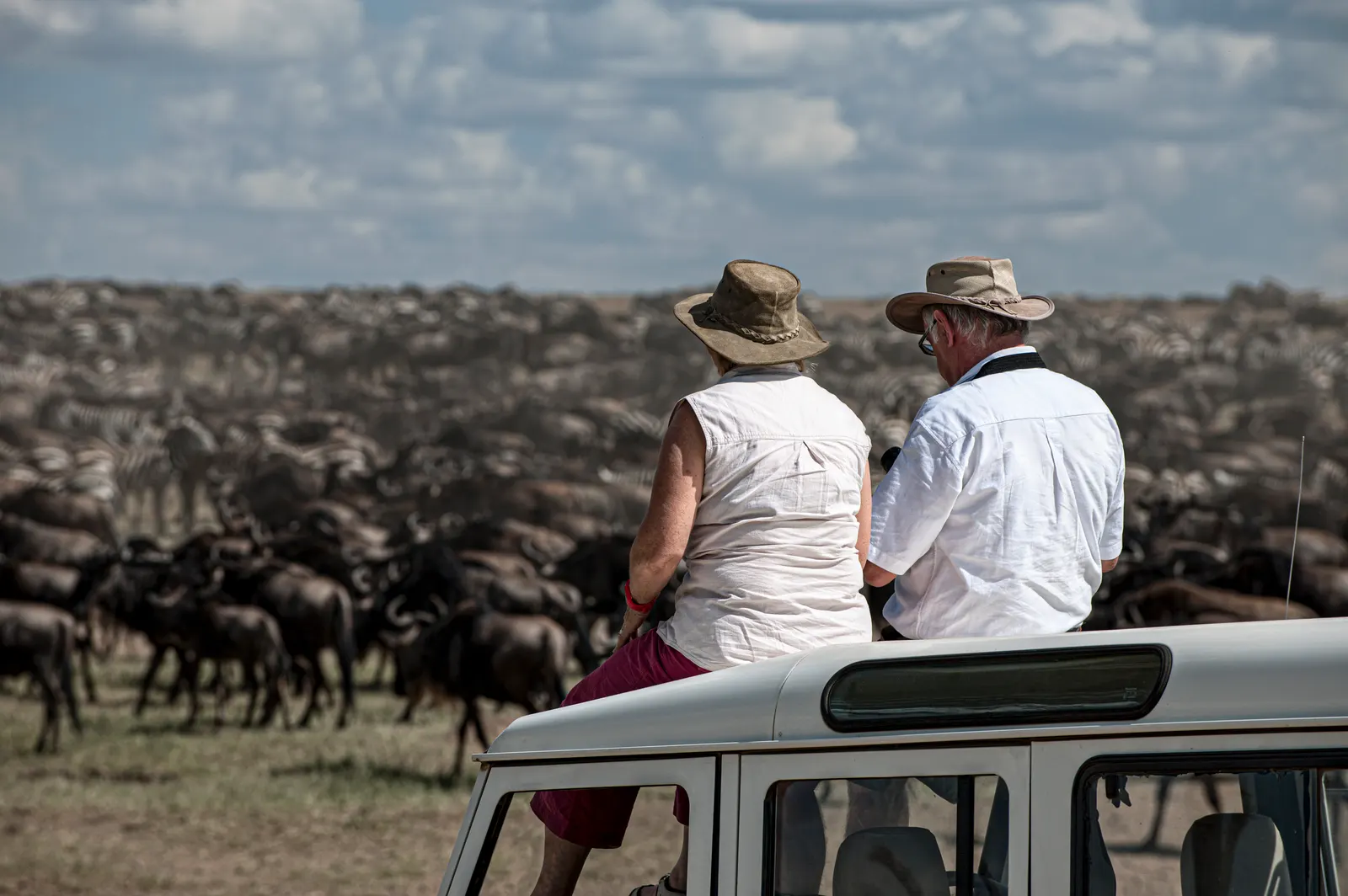
  • No standing on seats or sitting on the roof edge
  • No feeding, no calling to animals, no getting out for a better angle
  • In camp after dark, move only with an escort — camps are unfenced by design

On Kilimanjaro

Altitude is the whole risk, and descent is the whole treatment.

  • Pulse-oximeter and symptom check twice daily, recorded
  • Guides authorised to descend any climber showing severe symptoms, without debate
  • Portable stretcher carried on every climb
  • State whether bottled oxygen and a portable altitude chamber are carried

If evacuation is needed

How a person gets from a park to a hospital.

  • Flying-doctor membership included on every safari — confirm provider
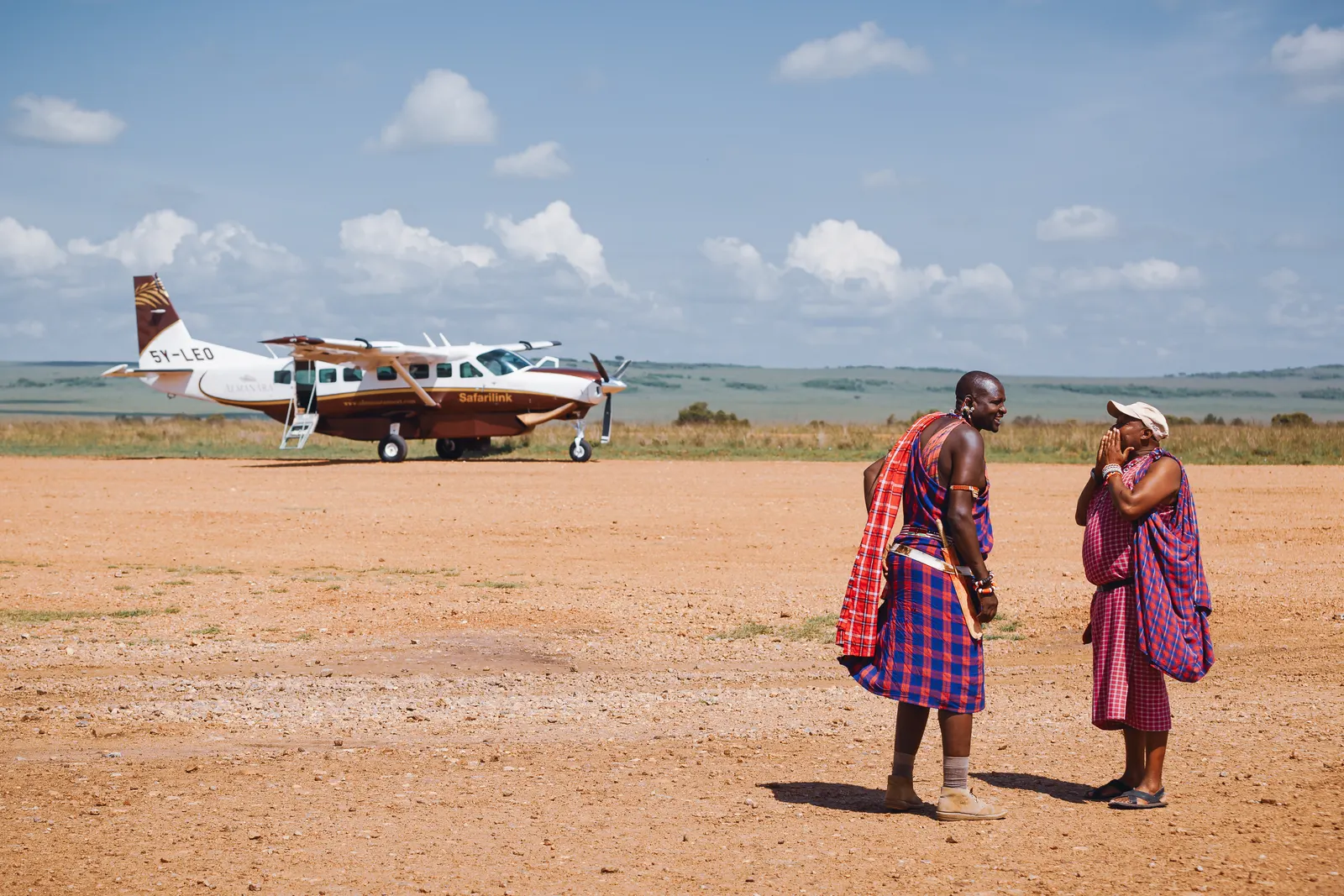
  • Light aircraft evacuation from park airstrips to Arusha or Nairobi
  • Name the hospitals you evacuate to
  • Your travel insurance remains the primary cover — evacuation membership is not insurance

In an emergency

Our 24-hour line
+255 — to supply
Arusha office
+255 785 558 736
Flying doctors
membership number — to supply
Tanzania emergency
112 or 999

Read your insurance policy, not just ours.

The commonest gap we see is a policy that excludes trekking above 4,000 metres or off-road driving. Check both before you pay a deposit, to us or to anyone.

Places of Africa Safaris
100% Tailor-Made
Response within 24h
Expert Local Guides
"Every journey we craft is as unique as the traveller who takes it." — Places of Africa Safaris

Plan Your Safari

Talk to Places of Africa

Tell us your dream — we'll craft it into reality, step by step.

1Safari Type
2Destinations
3Dates & Group
4Budget
5Contact

What kind of safari are you dreaming of?

Which destinations excite you most?

Select all that apply — we'll build a perfect circuit.

When are you planning to travel?

days

Who is travelling with you?

What is your approximate budget?

Per person, excluding international flights. This helps us match the right camps.

Almost there — how do we reach you?

Step 1 of 5
Loading itinerary…
Saved Trips