HUTS, NOT TENTS
Kilimanjaro: the Marangu Route
Per guest, from:
$1,900
$317 per night
DESTINATIONS
SAFARI COLLECTIONS
LIFE ON SAFARI
WHY PLACES OF AFRICA
EXCLUSIVE OFFERS
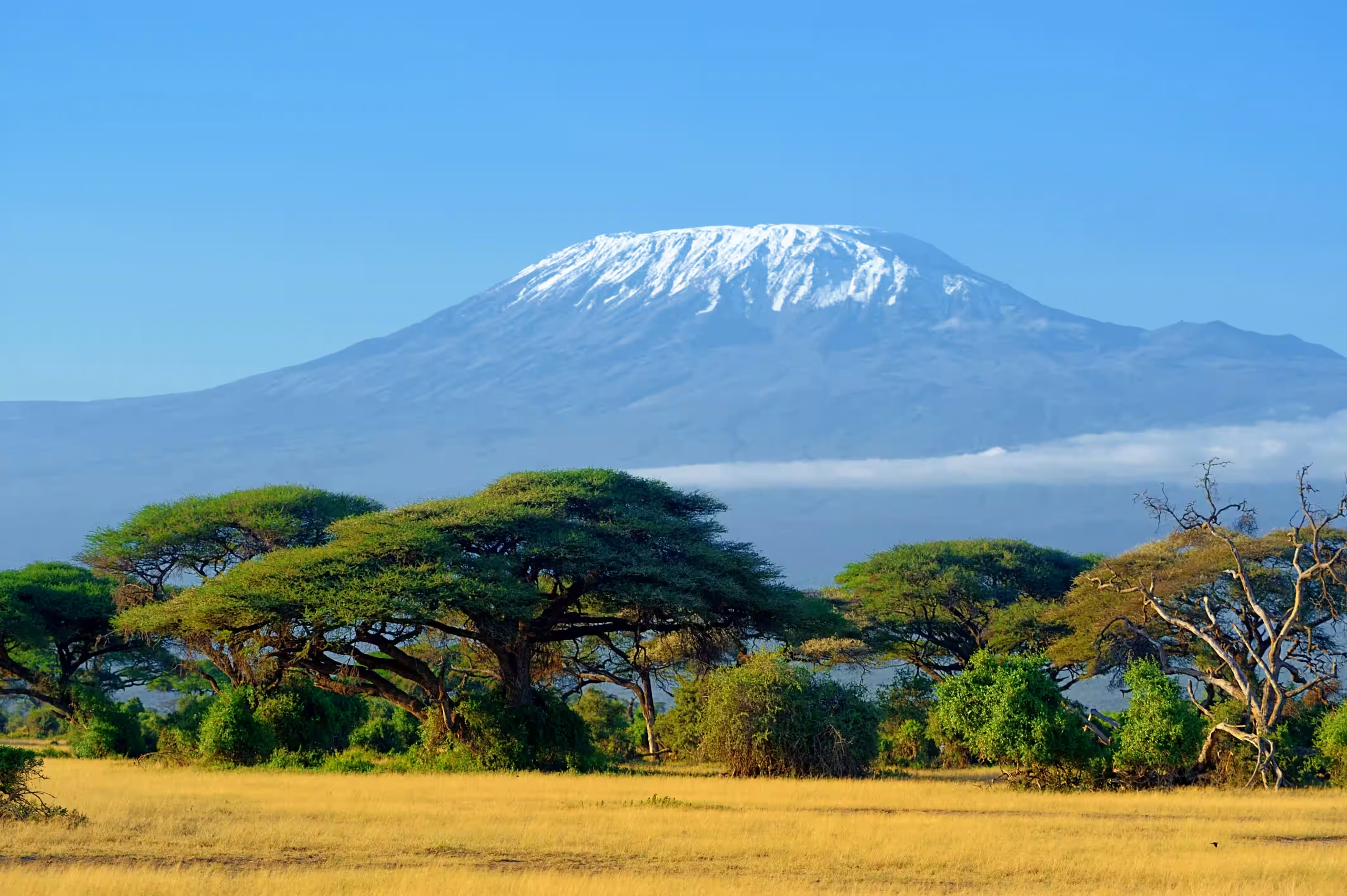
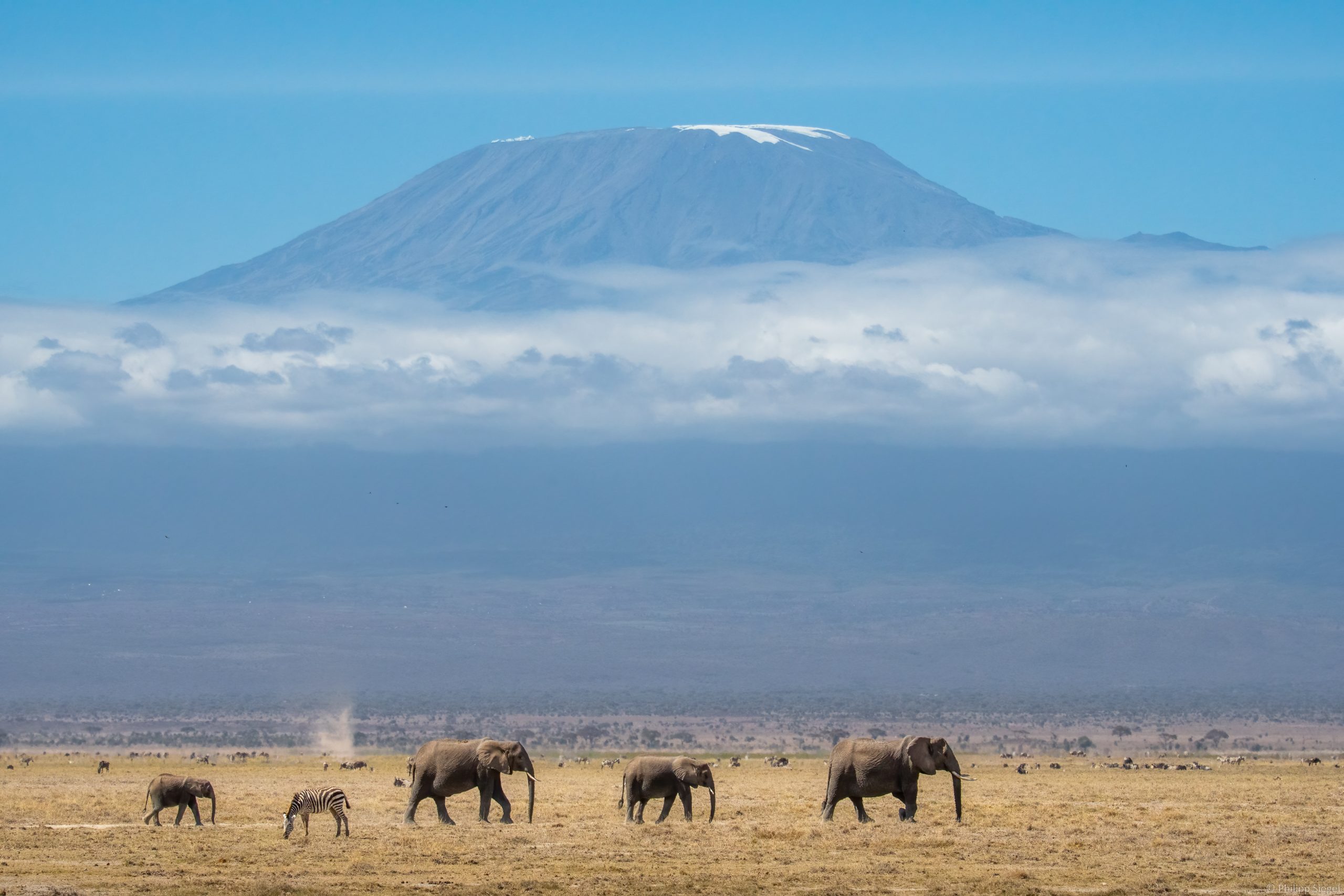
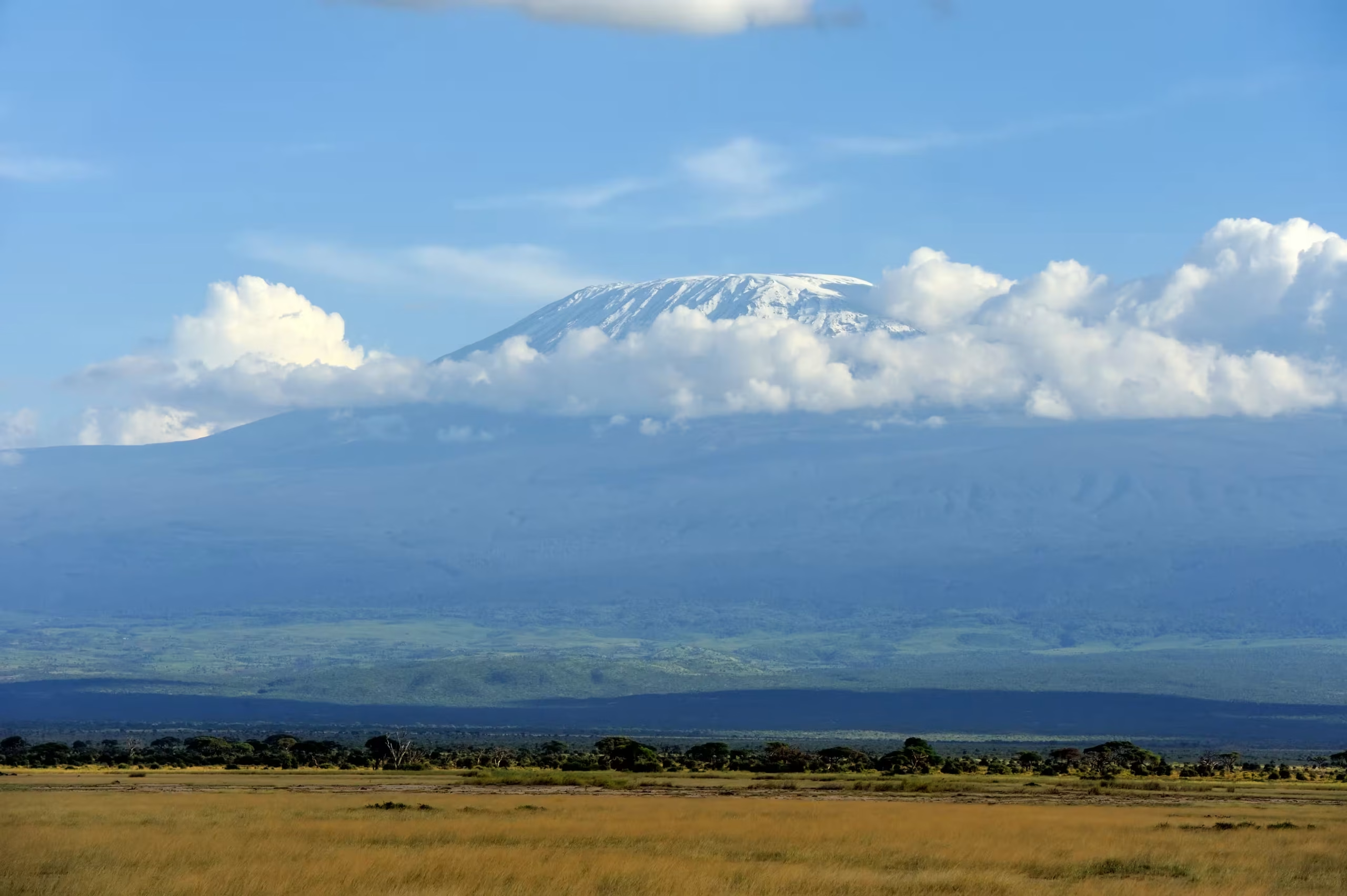
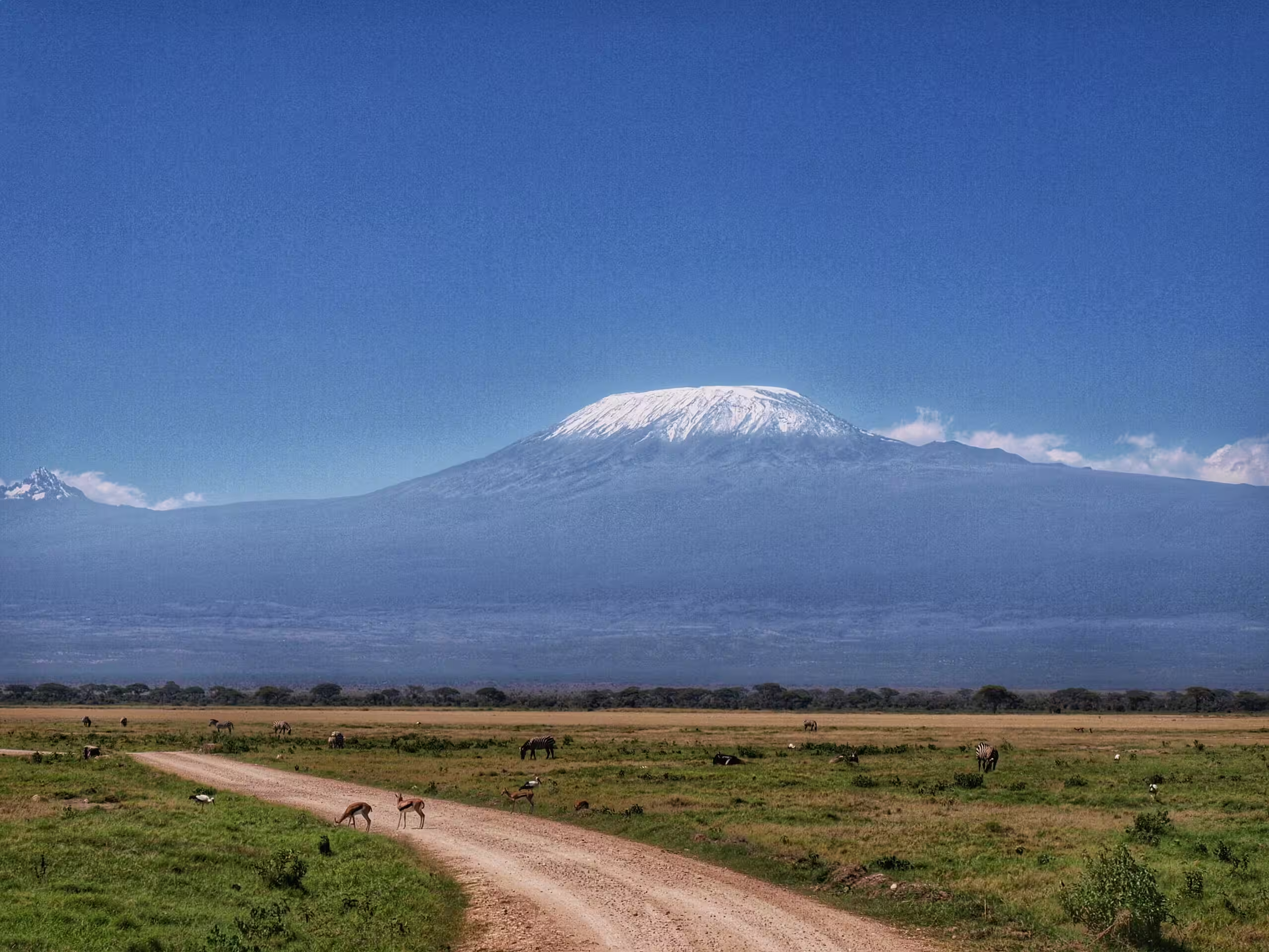
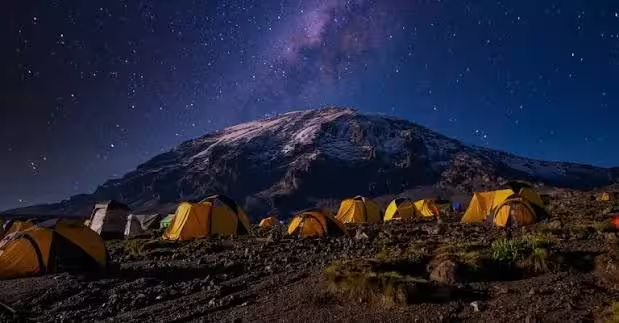
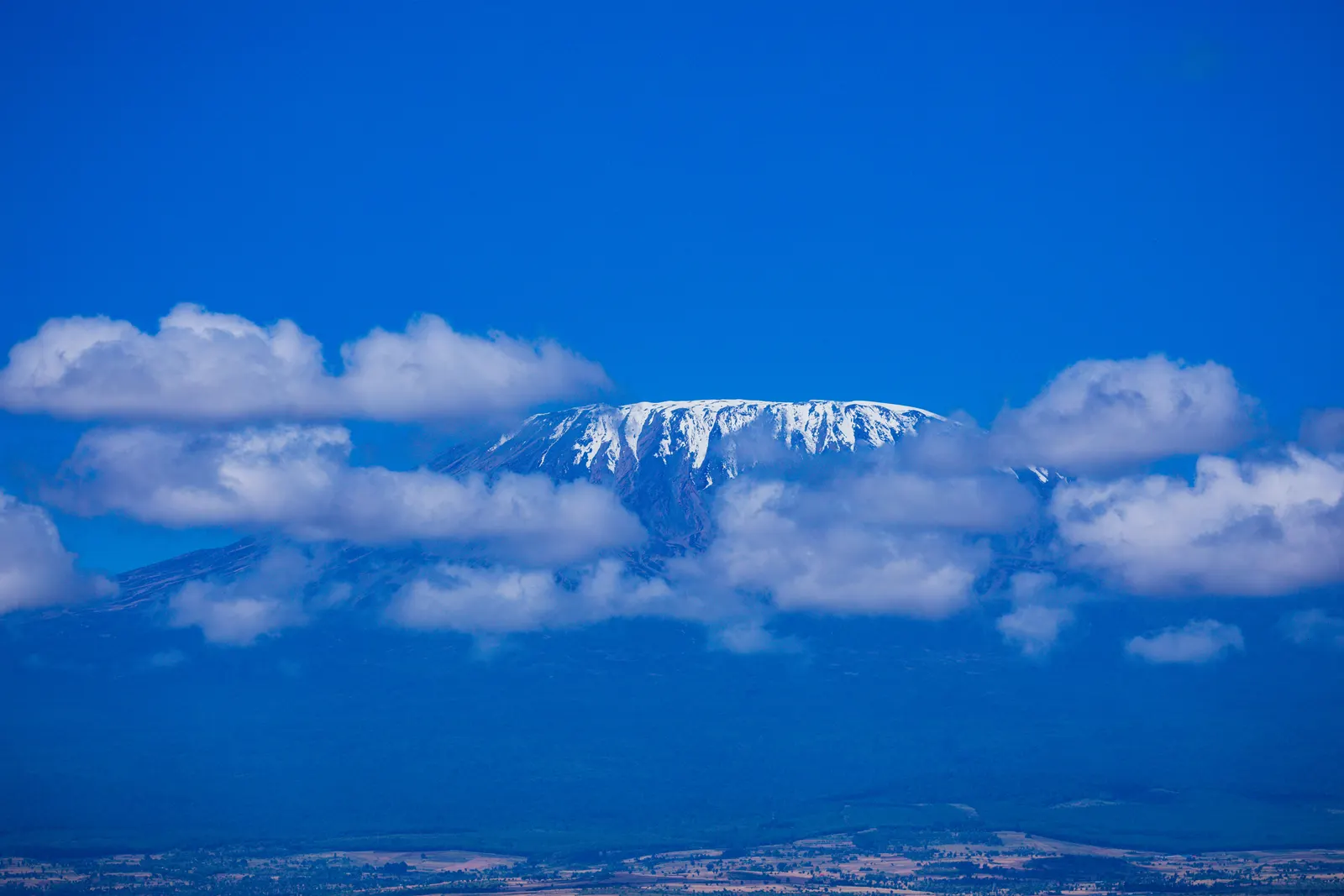
Kilimanjaro rises alone out of the plains of northern Tanzania — a dormant volcano crowned with glacial ice just three degrees south of the Equator. At 5,895 metres it is the highest point in Africa and the tallest free-standing mountain on earth, yet it demands no ropes and no technical climbing. What it demands is time, patience and a respect for altitude.
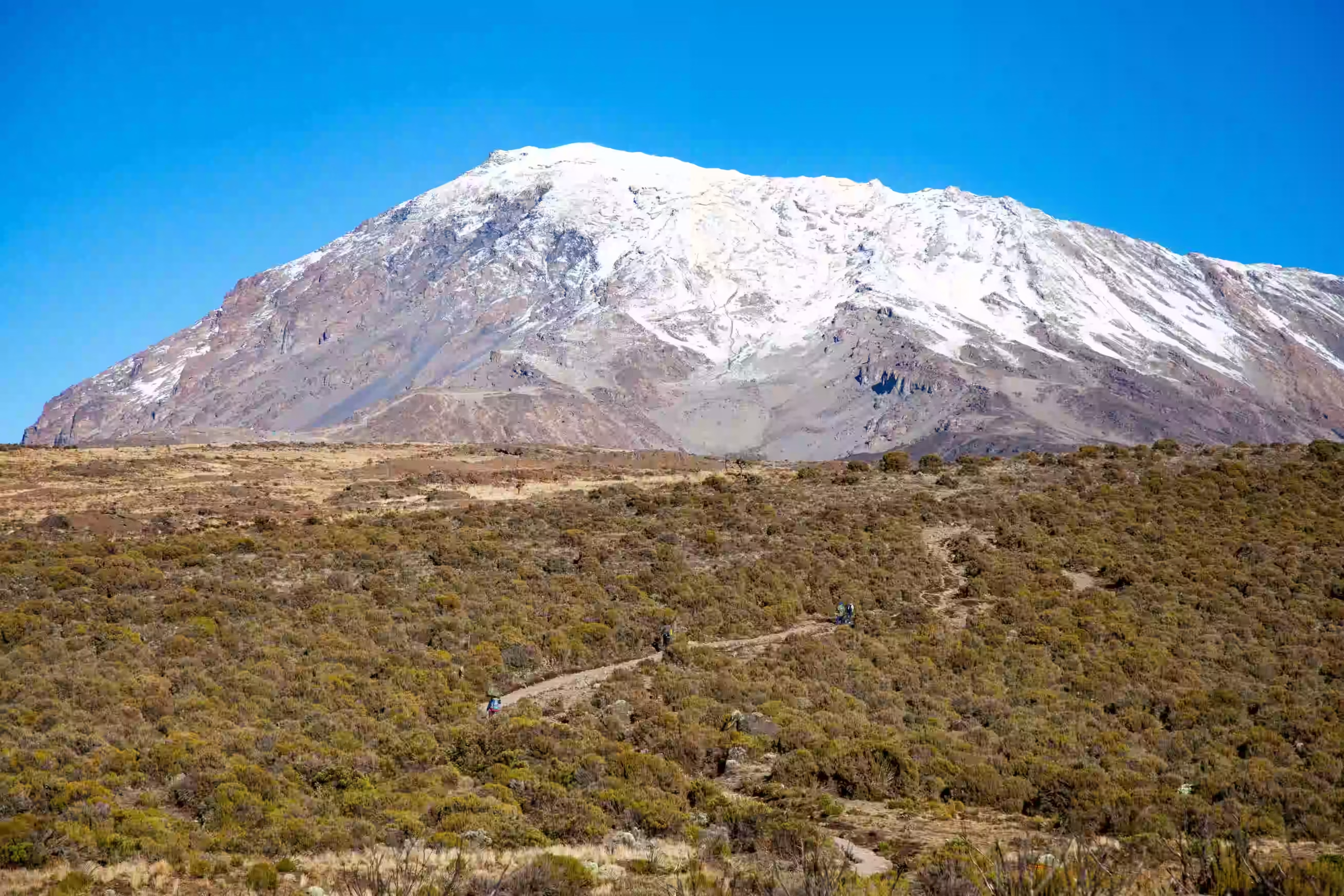
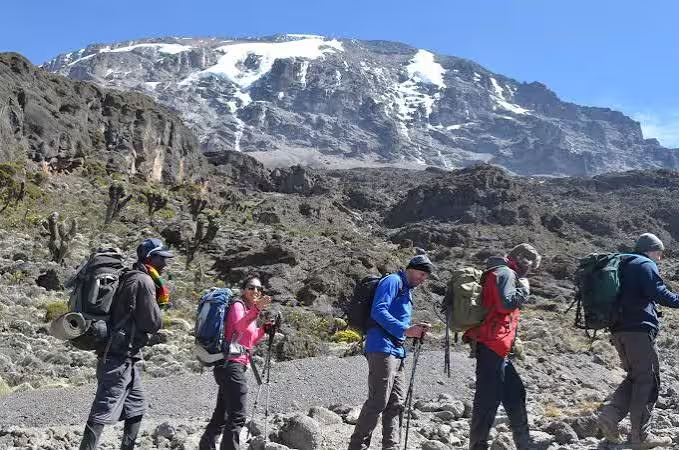
In a week on the mountain you walk from rainforest through moorland, alpine desert and finally onto the arctic summit zone — five climate zones in a single ascent.
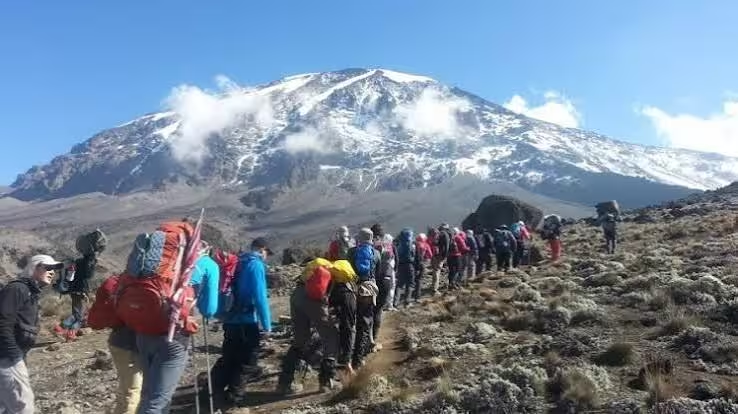
HUTS, NOT TENTS
Kilimanjaro: the Marangu Route
Per guest, from:
$1,900
$317 per night
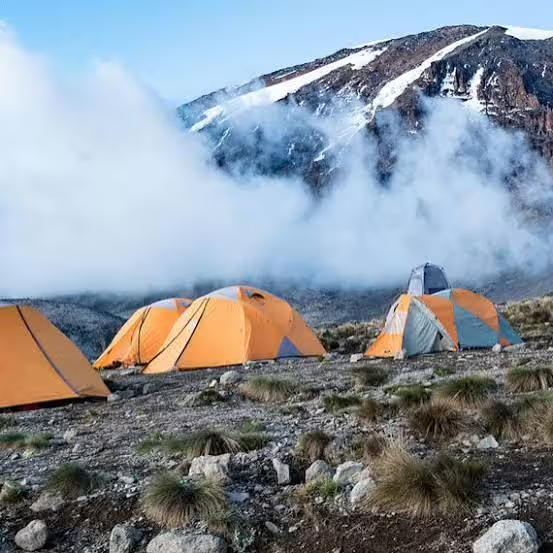
STEEP AND DIRECT
Kilimanjaro: the Umbwe Route
Per guest, from:
$2,020
$337 per night

GROUP CLIMB
Joining Kilimanjaro
Per guest, from:
$2,310
$330 per night

7 DAYS ON THE MOUNTAIN
Kilimanjaro: the Machame Route
Per guest, from:
$2,330
$333 per night
THE DRY NORTH SIDE
Kilimanjaro: the Rongai Route
Per guest, from:
$2,350
$336 per night
BEST ACCLIMATISATION
Kilimanjaro: the Lemosho Route
Per guest, from:
$2,650
$331 per night
NINE DAYS ON THE MOUNTAIN
Kilimanjaro: the Northern Circuit
Per guest, from:
$2,960
$329 per night
CLIMB THEN REST
Kilimanjaro & Safari
Per guest, from:
$5,740
$522 per night
Clear mornings, warmer nights and noticeably fewer climbers on the trail. Occasional afternoon cloud, and a good chance of snow on the summit crater.
The long dry season and the most reliable weather of the year. Cold at altitude but consistently clear — this is peak climbing season, so routes are booked well ahead.
Heavy, persistent rain makes the lower forest sections slippery and the summit push considerably harder. We do not recommend climbing in these months.
The Roof of Africa
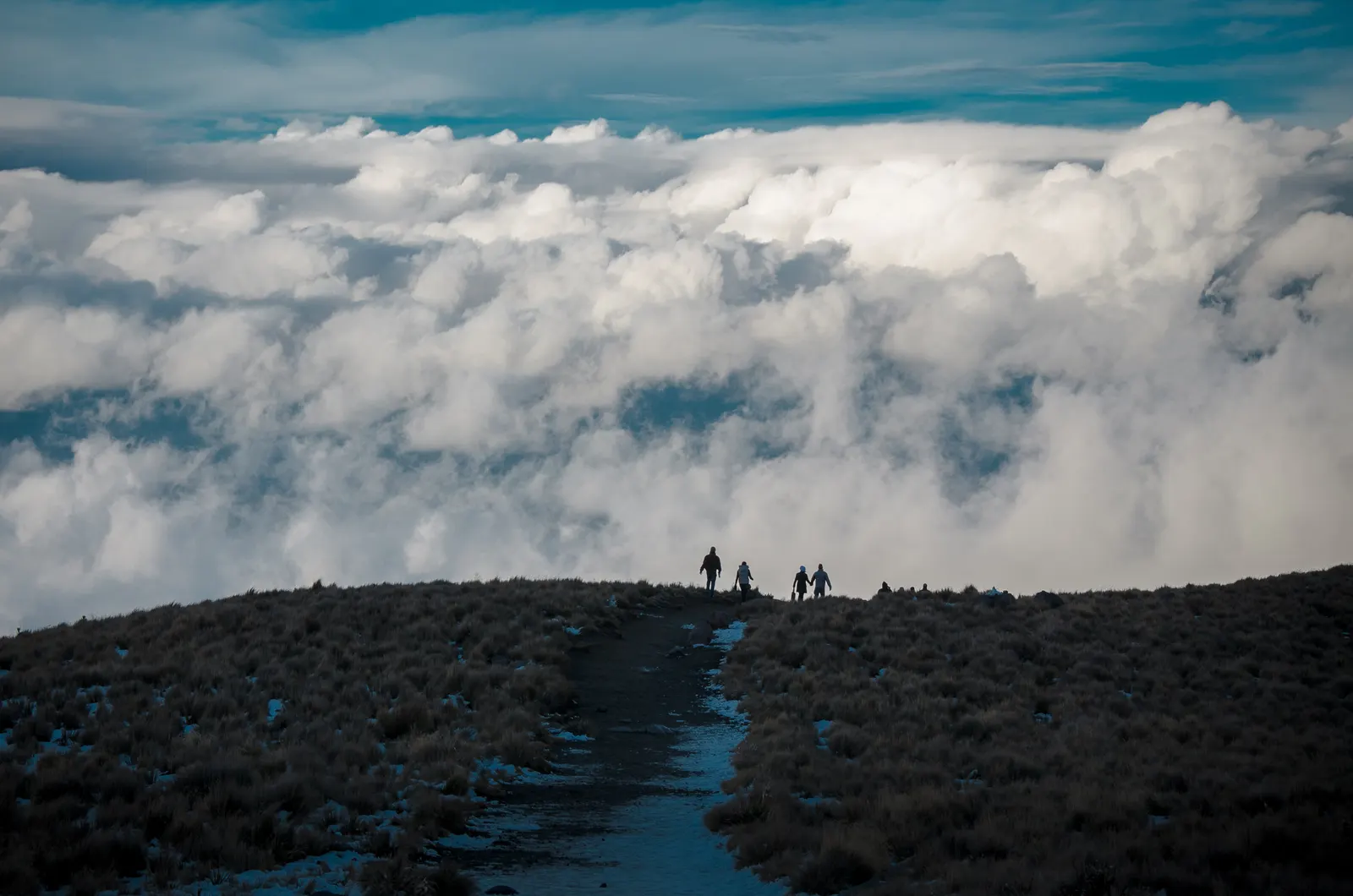
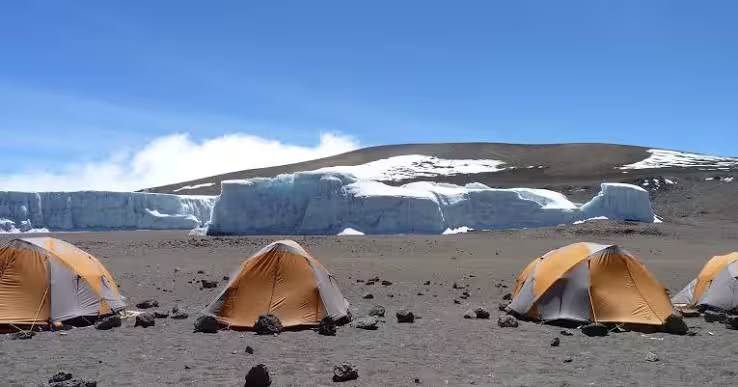
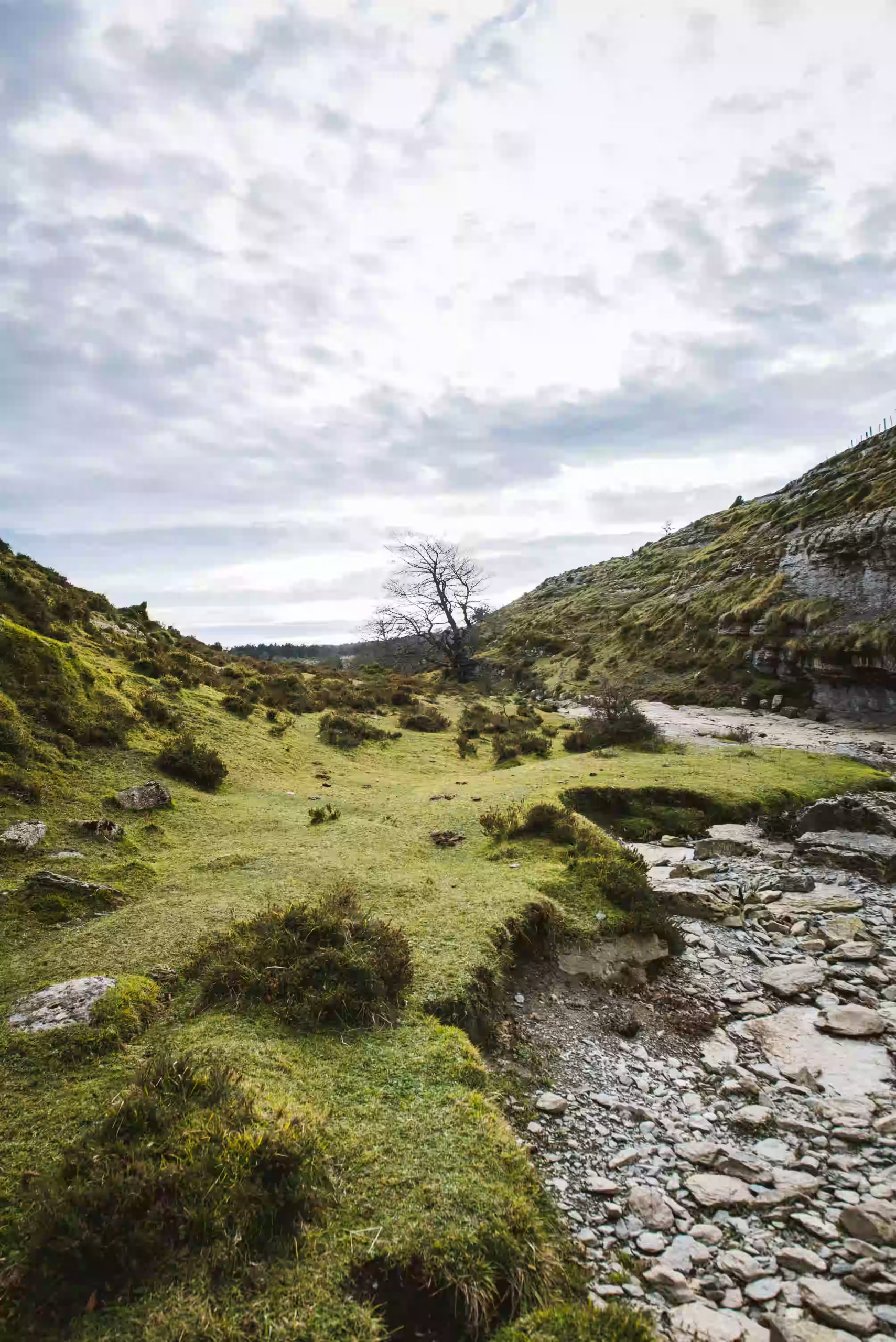
A Kilimanjaro ascent is a walk from the Equator to the Arctic in under a week. You begin in dense montane rainforest loud with colobus monkeys and turacos, climb through giant heather and otherworldly senecio moorland, cross a high alpine desert of volcanic scree, and finish among the glaciers of the summit ice cap.
DISCOVER OUR SAFARIS →
From the only hut route to the long, quiet traverse of the northern slopes — six ways up, priced per climber for two climbing together.
● 7 Days · Sleeping Huts
The only route with sleeping huts rather than tents, and one acclimatisation day at Horombo that the five-day version leaves out.
From
$2,050 per climber
● 7 Days · Steep and Direct
The steepest way up and the quietest forest, joining the southern circuit at Barranco. For climbers who have been high before.
From
$2,210 per climber
● 8 Days · The Whiskey Route
The most walked route to Uhuru Peak, and rightly: superb scenery and a climb-high, sleep-low profile that helps climbers acclimatise.
From
$2,540 per climber
● 8 Days · The Dry North Side
Up from the Kenyan border through quiet wilderness and past Mawenzi Tarn, down the Marangu side. The drier choice in the shoulder months.
From
$2,600 per climber
● 9 Days · Remote Western Approach
A longer, quieter approach from the west with the most gradual acclimatisation on the mountain, crossing the Shira Plateau.
From
$2,920 per climber
● 10 Days · The Full Traverse
The longest route, circling the quiet northern slopes with very few other climbers and the most time of all to acclimatise.
From
$3,250 per climber
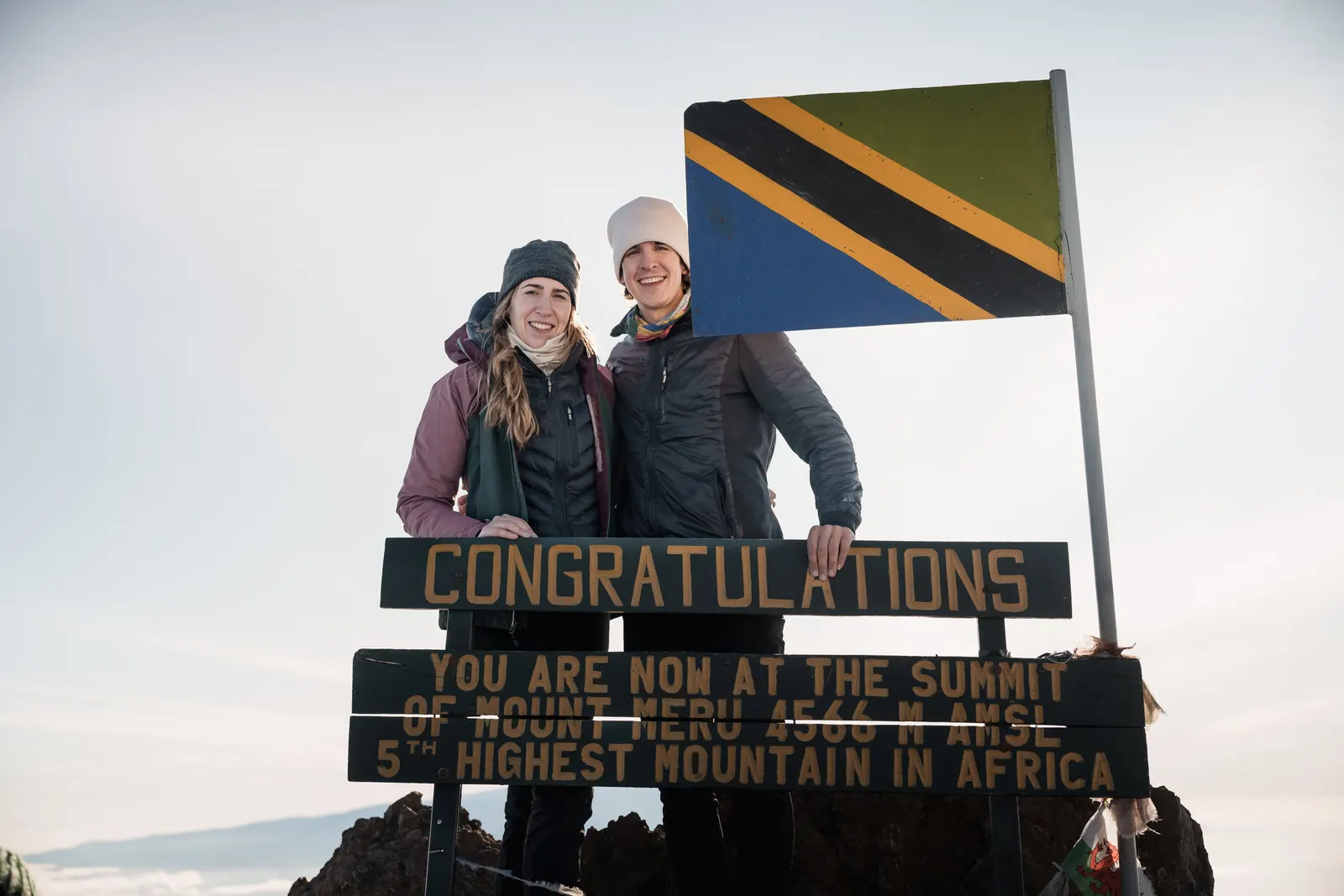
The final push begins around midnight, climbing by headtorch across frozen scree to reach Stella Point at dawn and Uhuru Peak as the sun breaks over Mawenzi.
Enquire →
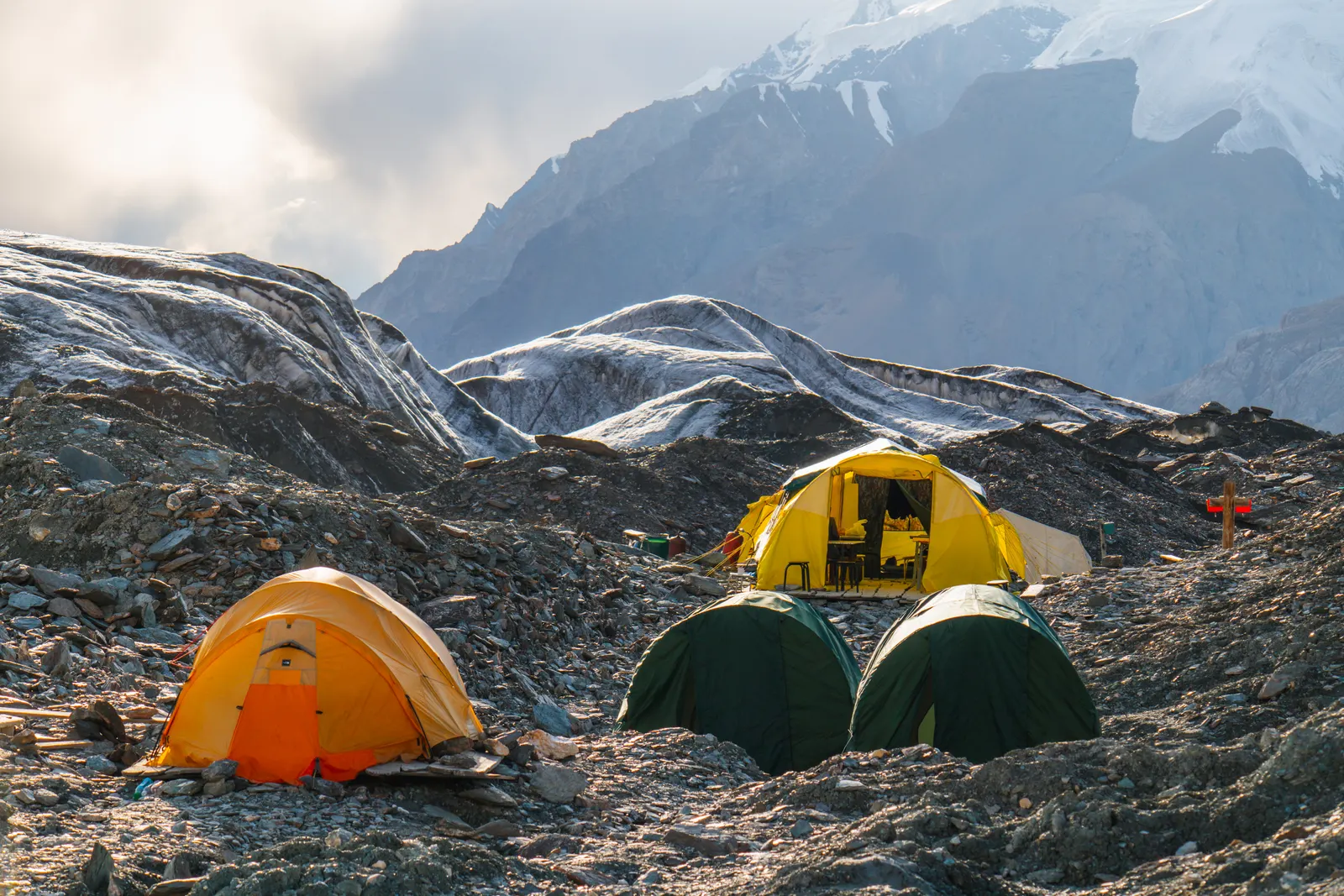
An optional extra night camped inside the summit crater beside the Furtwangler Glacier — the highest campsite in Africa and an experience very few climbers have.
Enquire →
A vast high-altitude plateau on the western routes, crossing the collapsed remains of Kilimanjaro's oldest volcanic cone with uninterrupted views to Mount Meru.
Enquire →Recover from the mountain, or add a safari before you climb.
GOOD TO KNOW
The things our guests ask most before they travel. Still unsure? Speak to a safari specialist — we reply within 24 hours.
Kilimanjaro is a trek, not a technical climb — no ropes, harnesses or mountaineering experience are needed. The difficulty is altitude and duration: you walk 5-7 hours a day for a week, and summit night is a 12-14 hour effort. Anyone with good general fitness who trains with regular hill walking for three months beforehand can realistically summit.
It depends on your time and experience. Lemosho over 9 days gives the most gradual acclimatisation and the finest scenery. Machame over 8 days is the most popular. Rongai over 8 days approaches from the drier north side. The Northern Circuit over 10 days is the longest and quietest. Marangu over 7 days is the only route with sleeping huts, and Umbwe over 7 days is the steepest, best kept for climbers who have been at altitude before.
The biggest single factor is how many days you spend acclimatising on the mountain, which is why we recommend the longer routes and build every climb with time to adjust. Your guide checks every climber's health each day and will turn someone around if their health requires it — reaching the summit matters less than coming down well.
Our climbs are costed per route and group size. For two climbers together, per person: Marangu (7 days) USD 2,050, Umbwe (7 days) USD 2,210, Machame (8 days) USD 2,540, Rongai (8 days) USD 2,600, Lemosho (9 days) USD 2,920 and the Northern Circuit (10 days) USD 3,250. This covers park and rescue fees, camping equipment, meals on the mountain, guides, cooks and porters. It excludes international flights, personal gear hire and crew tips.
January to early March and June to October are the two dry seasons and by far the best windows. January-March is warmer and quieter; June-October is the most reliable weather but the busiest. We strongly advise against April, May and November, when heavy rain makes the trail difficult and the summit far less likely.
Mild altitude symptoms — headache, poor sleep, loss of appetite — are normal above 3,000m and affect most climbers. Serious altitude illness is uncommon on properly paced routes. Every guide carries a pulse oximeter and performs twice-daily health checks, and all crews carry bottled oxygen. The best prevention is a longer route and a slow walking pace.
Layered clothing for temperatures from +25C in the rainforest to -20C on summit night: base layers, fleece, insulated down jacket, waterproof shell, warm hat and gloves, and broken-in waterproof boots. A four-season sleeping bag is essential. We send a full kit list on booking and can arrange quality gear hire in Moshi.
A typical climb runs with roughly three support crew per climber — a lead guide, assistant guides, a cook and porters. All our crews are paid above the Kilimanjaro Porters Assistance Project minimum, carry no more than 20kg, and are provided with proper mountain clothing and sleeping equipment.
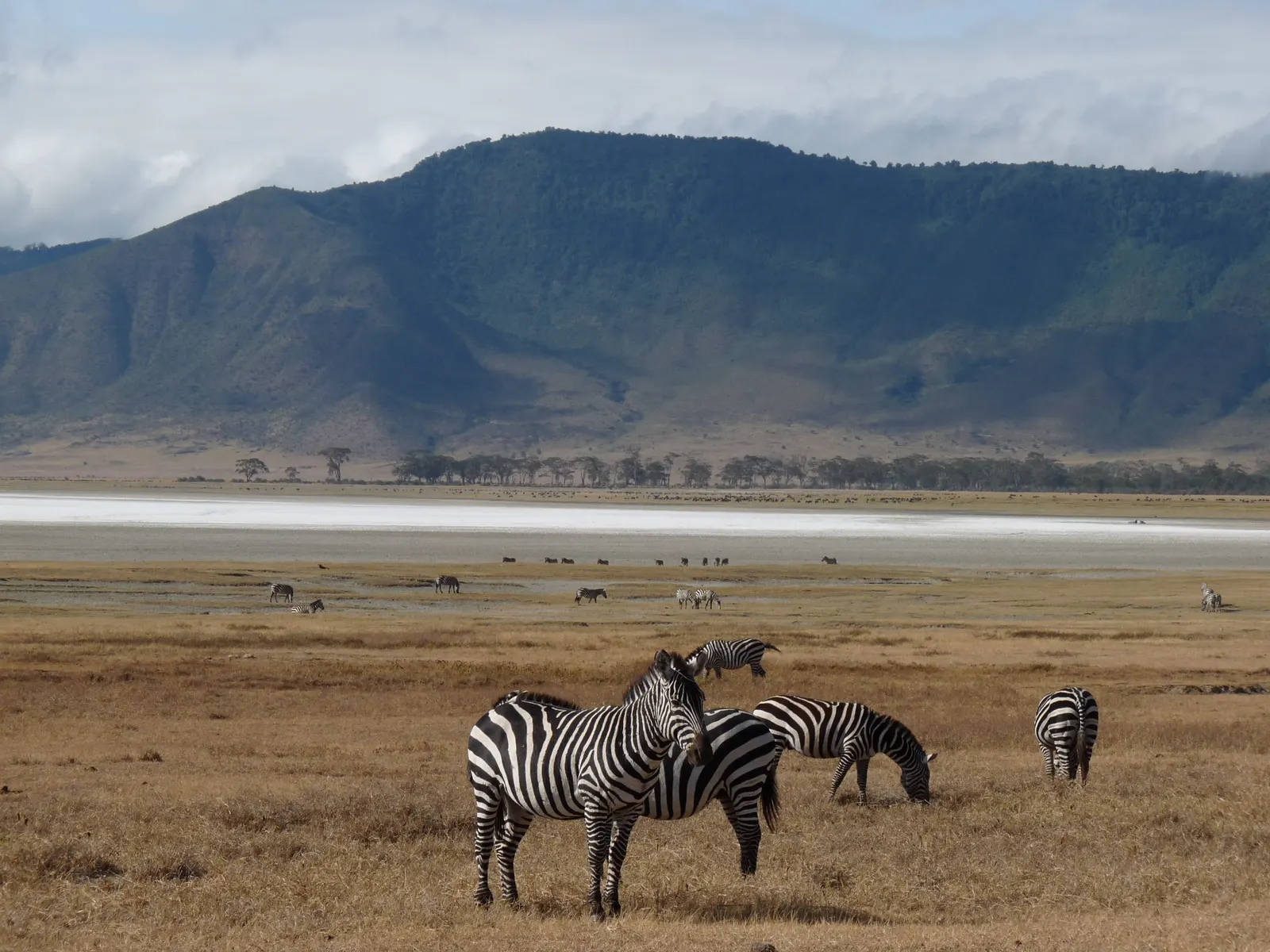
Yes, and we recommend it. Most climbers add three or four nights on the northern safari circuit afterwards, or a week in Zanzibar to recover. Doing the climb first and the safari second works best — you arrive at the mountain fresh and unwind properly afterwards.
Have a question we haven't covered?
ASK A SAFARI SPECIALIST
"Every journey we craft is as unique as the traveller who takes it." — Places of Africa Safaris
Plan Your Safari
Tell us your dream — we'll craft it into reality, step by step.
✓Live Specialist
✓a real-time response.
Tell us a little about the trip you have in mind. A planner in Arusha will write back within one working day.
Talk to us through WhatsApp
Places of Africa SafarisPlanner