Places of Africa Safaris

Cultural Encounters

The People of Tanzania

Tanzania has more than a hundred and twenty ethnic groups. These five you can genuinely spend time with — provided the visit is arranged so that the community sets the terms and keeps the money.

Discover the experience
The Pastoralists
The Pastoralists detail

01 — MAASAI

The Pastoralists

Northern circuitNgorongoro, Serengeti fringes, Manyara

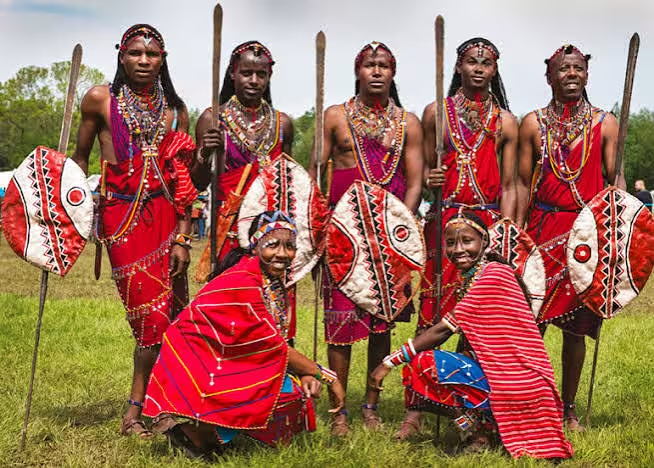
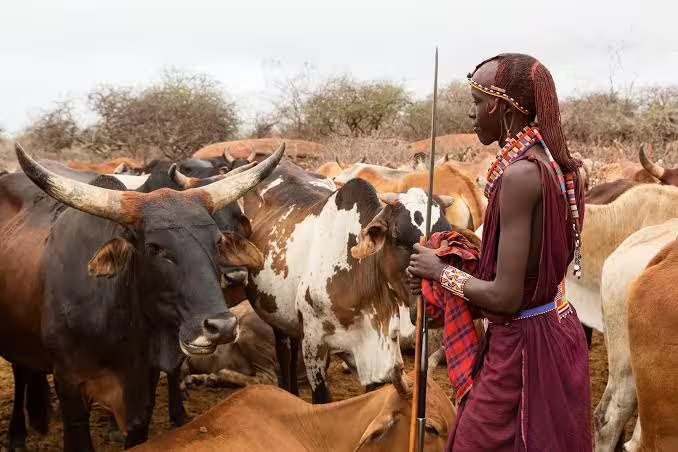
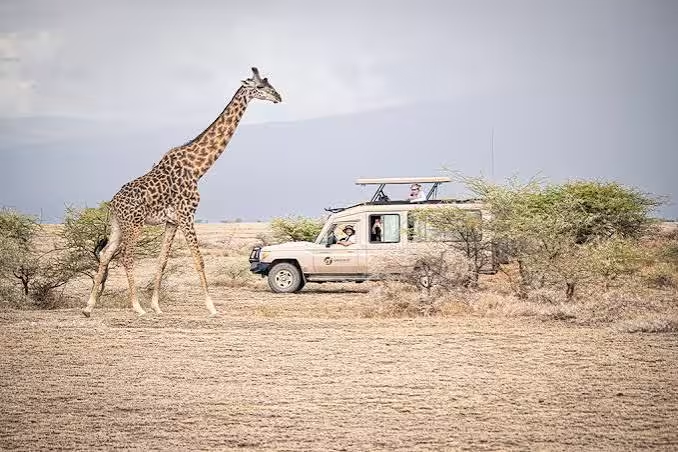
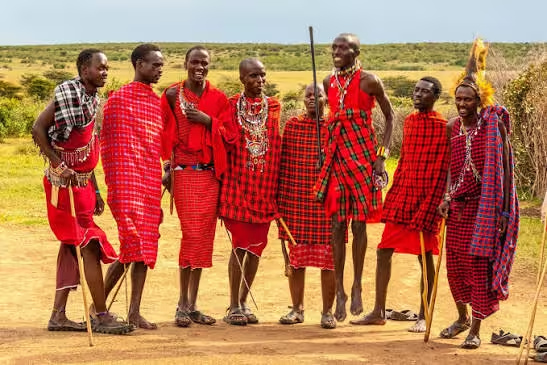
Semi-nomadic cattle herders whose grazing lands overlap almost every park on the northern circuit — the Ngorongoro Conservation Area is the one place in Tanzania where people and wildlife legally share the land. A visit takes in the boma, the livestock enclosure, and how a house is built and by whom.

  • Cattle-herding, semi-nomadic
  • Share the Ngorongoro Conservation Area
  • Boma & homestead visit
  • The adumu jumping dance
Plan this
The Last Hunter-Gatherers
The Last Hunter-Gatherers detail

02 — HADZABE

The Last Hunter-Gatherers

Lake EyasiEarly morning, on the hunt

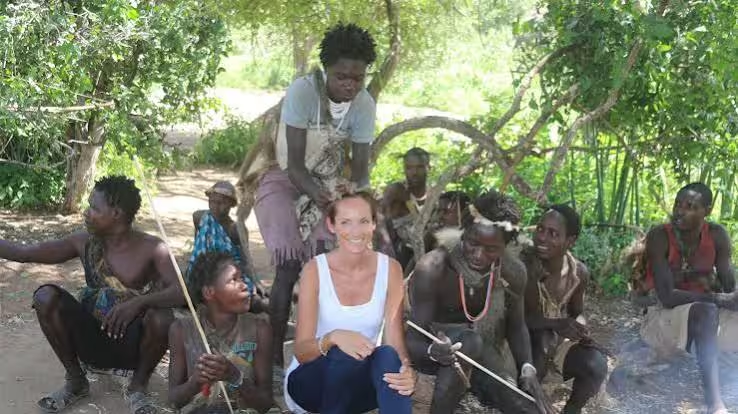
One of the last true hunter-gatherer peoples on earth, living around Lake Eyasi and speaking a language full of clicks. They have resisted both farming and herding for centuries. A proper visit means joining a morning foraging walk at their pace — not watching a demonstration.

  • Around 1,000 people remain
  • Click-based language
  • Join the dawn foraging walk
  • Bow-hunting & honey gathering
Plan this
The Blacksmiths
The Blacksmiths detail

03 — DATOGA

The Blacksmiths

Lake EyasiAt the forge, mid-morning

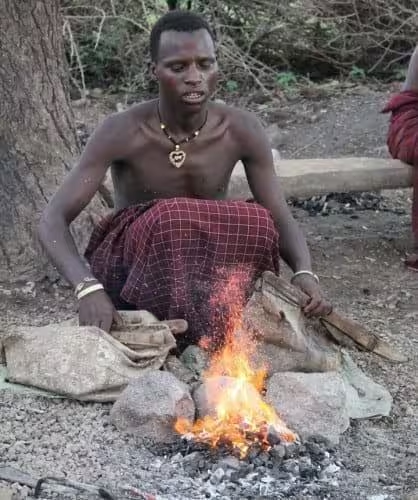
Pastoralists and, more famously, metalworkers. Datoga smiths melt scrap — largely old padlocks and aluminium — and forge arrowheads, knives, spearpoints and jewellery using techniques passed down unchanged. The Hadzabe buy their arrowheads here. It is a working forge, not a display.

  • Neighbours to the Hadzabe
  • Forge from melted scrap metal
  • Arrowheads, blades & jewellery
  • Buy directly from the smith
Plan this
Coffee on the Mountain
Coffee on the Mountain detail

04 — CHAGGA

Coffee on the Mountain

KilimanjaroThe southern slopes, any day

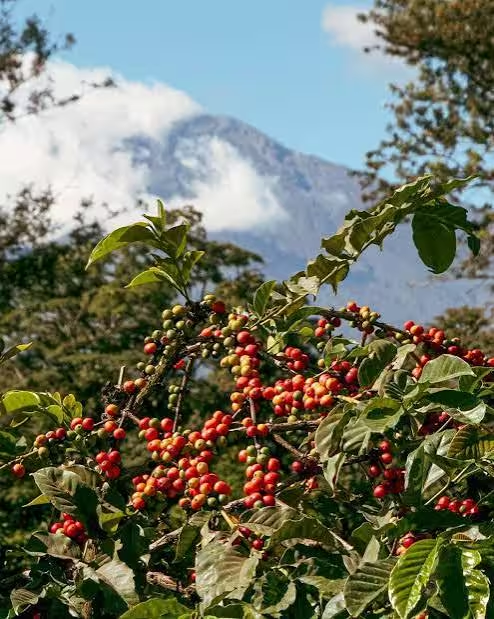
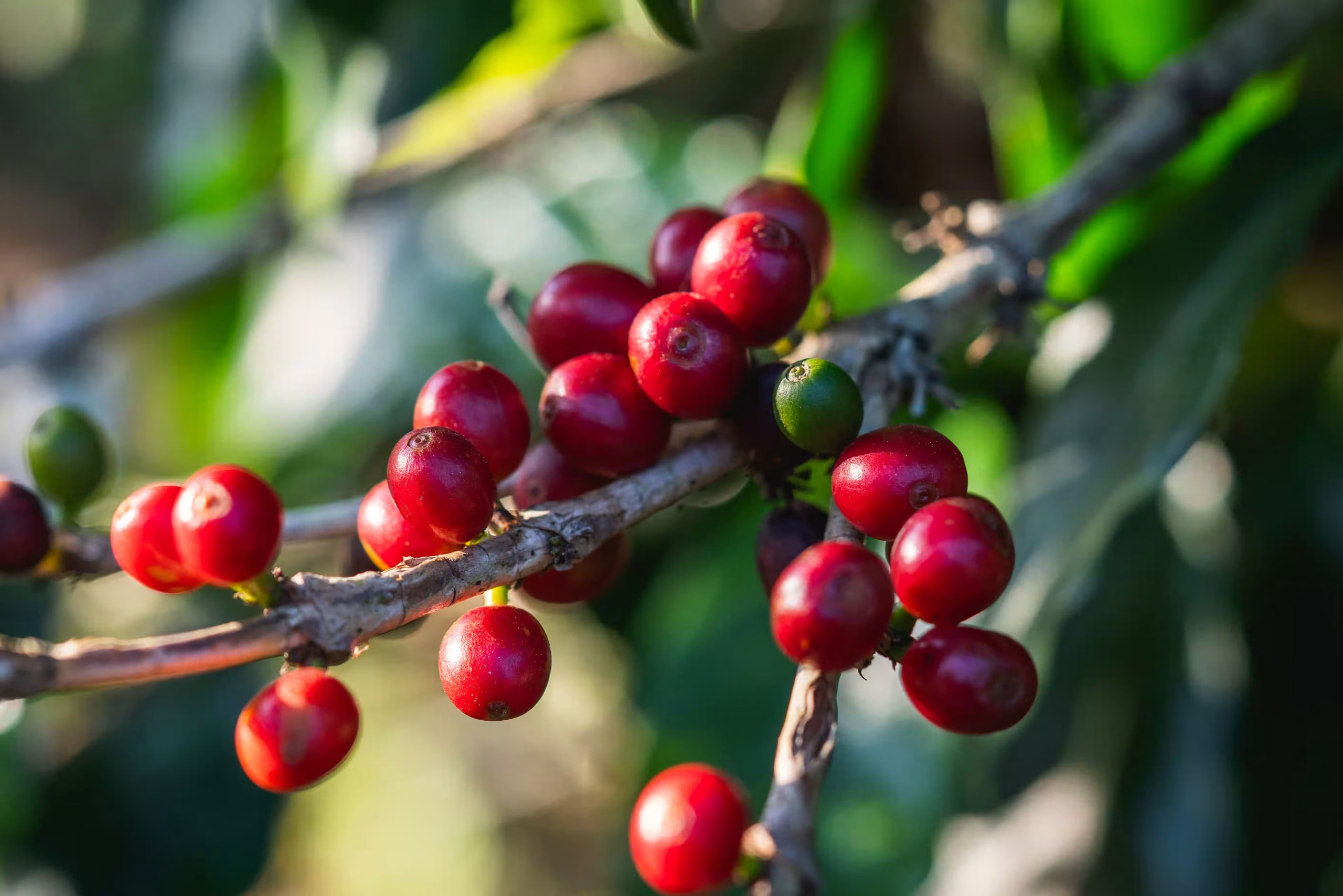
Farmers of the fertile volcanic slopes of Kilimanjaro, cultivating coffee and bananas in the same plot and moving water around the mountain through hand-dug furrow systems centuries old. A visit runs from cherry to cup, and usually includes the underground caves dug as refuges during the nineteenth-century wars.

  • Kilimanjaro's southern slopes
  • Coffee & banana intercropping
  • Centuries-old irrigation furrows
  • Underground refuge caves
Plan this
The Coast and the Spice Trade
The Coast and the Spice Trade detail

05 — SWAHILI

The Coast and the Spice Trade

Zanzibar & PembaStone Town, and the plantations

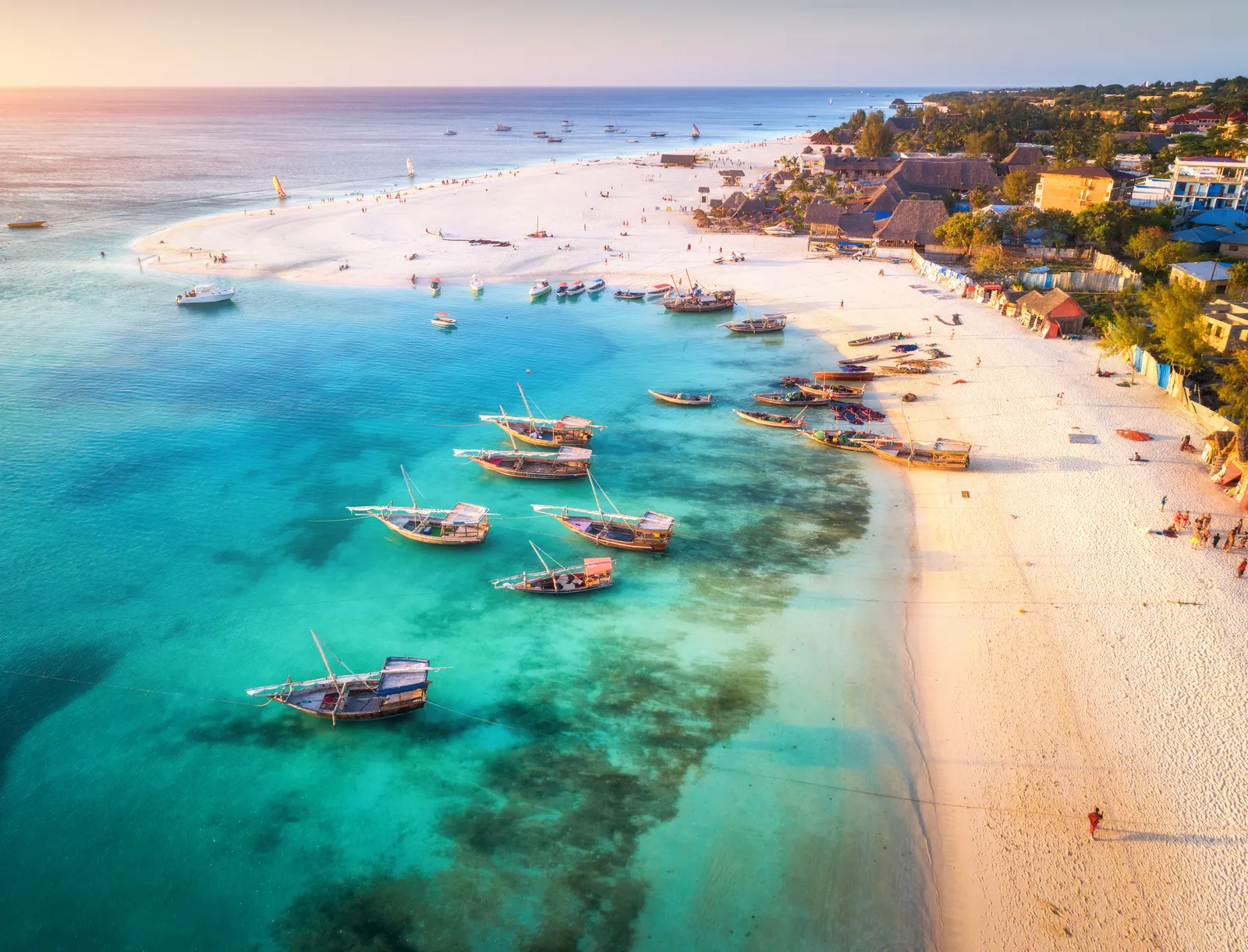
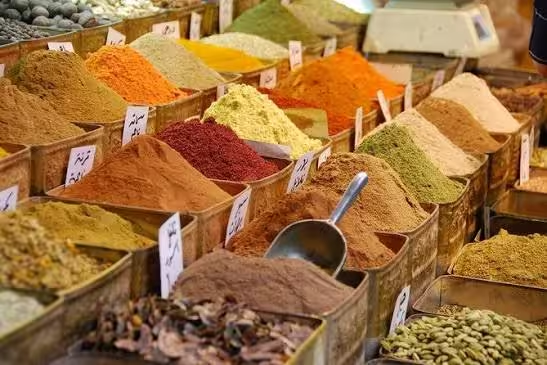
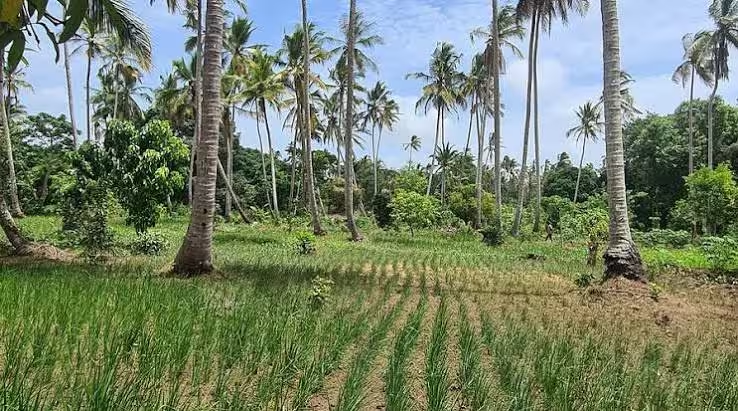
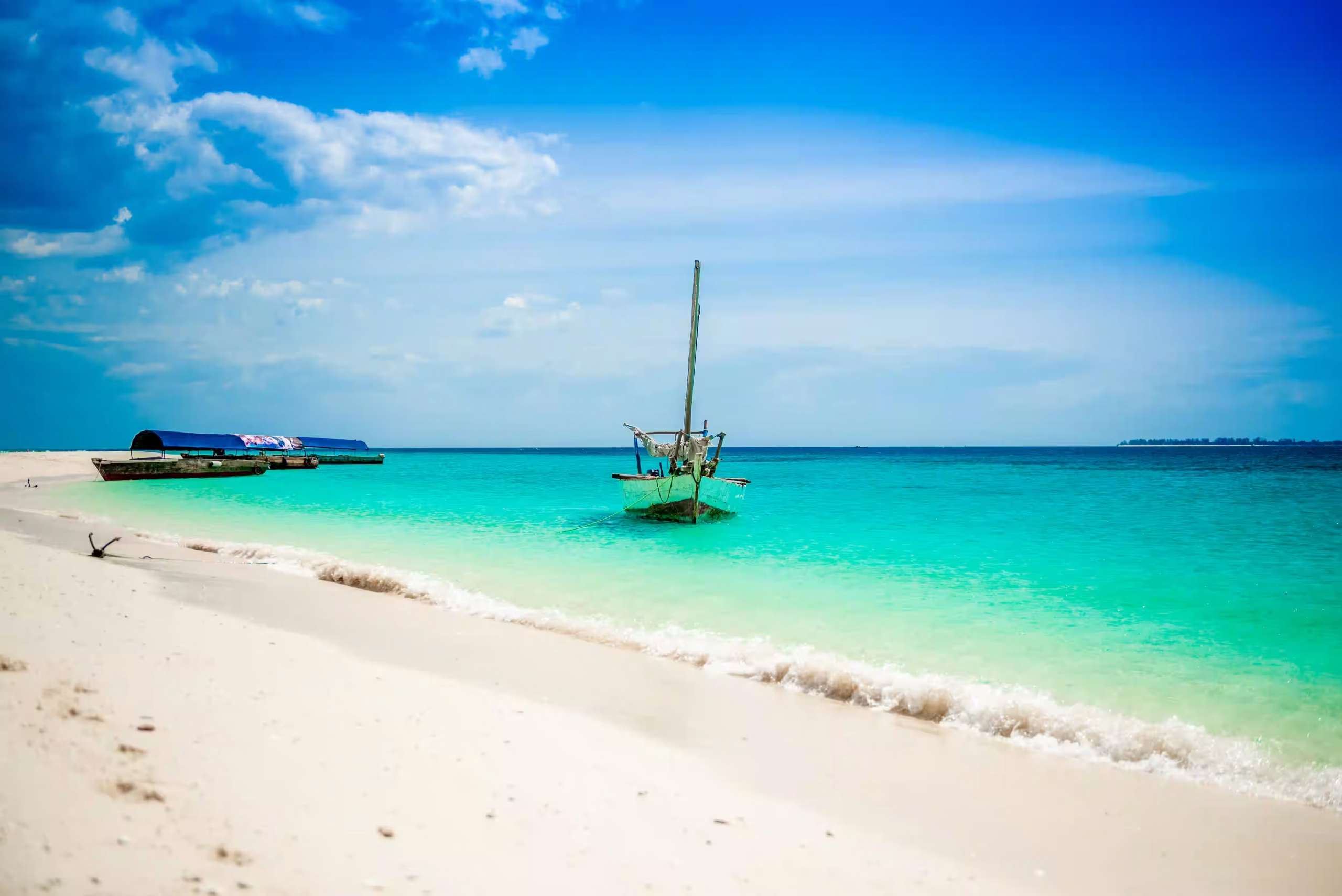
A thousand years of trade between the African mainland, Arabia, Persia and India produced its own language, architecture and cuisine. Stone Town's carved doors and alleyways, the spice plantations of Pemba, and the dhow — still built and sailed the way it always was.

  • UNESCO-listed Stone Town
  • Clove, vanilla & cinnamon
  • Dhow building & sailing
  • The former slave market
Plan this

A ten-minute stop, fifty dollars and a souvenir stall is not a cultural visit. It is a transaction.

Places of Africa Safaris

How we pay

Directly, and disclosed

Village fees are agreed with the community, disclosed to you upfront and paid to the community rather than pocketed by a guide. Craft bought at the forge or the boma goes straight to the maker. You will never be routed through a commission stall.

Photography

Consent first, every time

Ask before photographing anyone, and accept no as an answer. Never photograph inside a dwelling uninvited, and never hand out sweets or money to children — it teaches begging and undermines the school. Your guide will interpret and advise.

Honesty

These are real communities

Some of what you see is staged, and we will tell you which parts. The Hadzabe hunt genuinely happens at dawn whether you are there or not; a dance arranged for a coach party does not. We book the former and decline the latter.

Are cultural visits in Tanzania exploitative?

They can be. The short roadside stop — fifty dollars, ten minutes, a dance and a souvenir stall — is widespread and benefits almost nobody in the community. A well-run visit looks different: the community controls the structure and timing, fees are disclosed upfront and paid to the community, crafts are bought directly from the maker, and photography needs consent. We only book the second kind.

Who are the Hadzabe?

One of the last true hunter-gatherer peoples on earth, numbering around a thousand and living around Lake Eyasi in northern Tanzania. They speak a click-based language unrelated to their neighbours' and have resisted both agriculture and cattle-herding for centuries. A genuine visit means joining a foraging or hunting walk at dawn, at their pace.

What do the Datoga actually do?

They are pastoralists, but they are best known as blacksmiths. Datoga smiths melt down scrap metal — often old padlocks and aluminium cookware — and forge arrowheads, knives, spearpoints, bracelets and beadwork by hand. The Hadzabe buy their hunting arrowheads from them, which is why the two visits are usually paired.

Can we visit a Maasai boma?

Yes, and it is the easiest cultural visit to combine with the northern circuit since Maasai grazing land borders most of the parks. A visit typically covers the boma layout, how the houses are built, the role of livestock and often the adumu jumping dance. Insist on a community-run visit rather than a roadside stop.

What is there to do around Kilimanjaro culturally?

The Chagga live on the mountain's southern slopes and grow coffee and bananas together in the same plots, irrigated by hand-dug furrow systems that are centuries old. A half-day visit takes you from coffee cherry through roasting to a cup, and usually includes the underground caves the Chagga dug as refuges during the nineteenth-century wars.

How much do cultural visits cost?

Community fees usually run USD 20–50 per person depending on the group and the length of the visit, paid directly to the community. A full Lake Eyasi morning with both the Hadzabe and the Datoga is typically USD 80–120 per person including transfers. Everything is quoted upfront.

What should I wear and bring?

Cover shoulders and knees, particularly on the coast and in Muslim communities. Bring cash in small denominations if you plan to buy craft directly, and a genuine willingness to ask questions. Do not bring sweets or pens for children — schools ask visitors specifically not to.

Can I combine culture with a normal safari?

Easily. A Maasai boma slots into any northern circuit day, Lake Eyasi sits between Ngorongoro and the Serengeti so the Hadzabe and Datoga cost you only half a day, and the Chagga fit either side of a Kilimanjaro climb. Most guests add two or three cultural half-days across a week.

Meet people, not performances.

Tell us who you want to spend time with and we will arrange it properly.

Tailor-made safari
100% Tailor-Made
Response within 24h
Expert Local Guides
"Every journey we craft is as unique as the traveller who takes it." — Places of Africa Safaris

Plan Your Safari

Design Your Tailor-Made Journey

Tell us your dream — we'll craft it into reality, step by step.

1Safari Type
2Destinations
3Dates & Group
4Budget
5Contact

What kind of safari are you dreaming of?

Which destinations excite you most?

Select all that apply — we'll build a perfect circuit.

When are you planning to travel?

days

Who is travelling with you?

What is your approximate budget?

Per person, excluding international flights. This helps us match the right camps.

Almost there — how do we reach you?

Step 1 of 5