Places of Africa Safaris

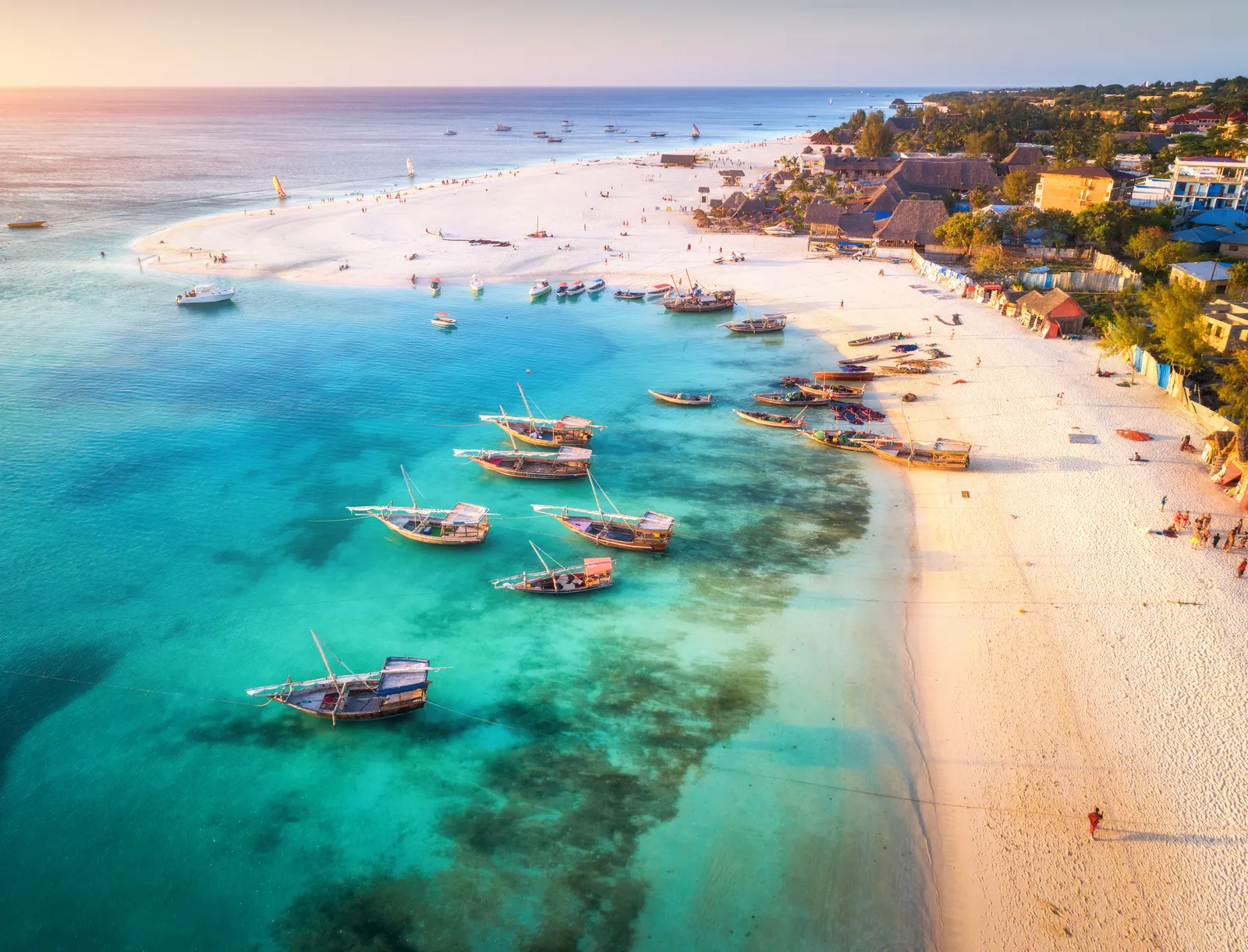
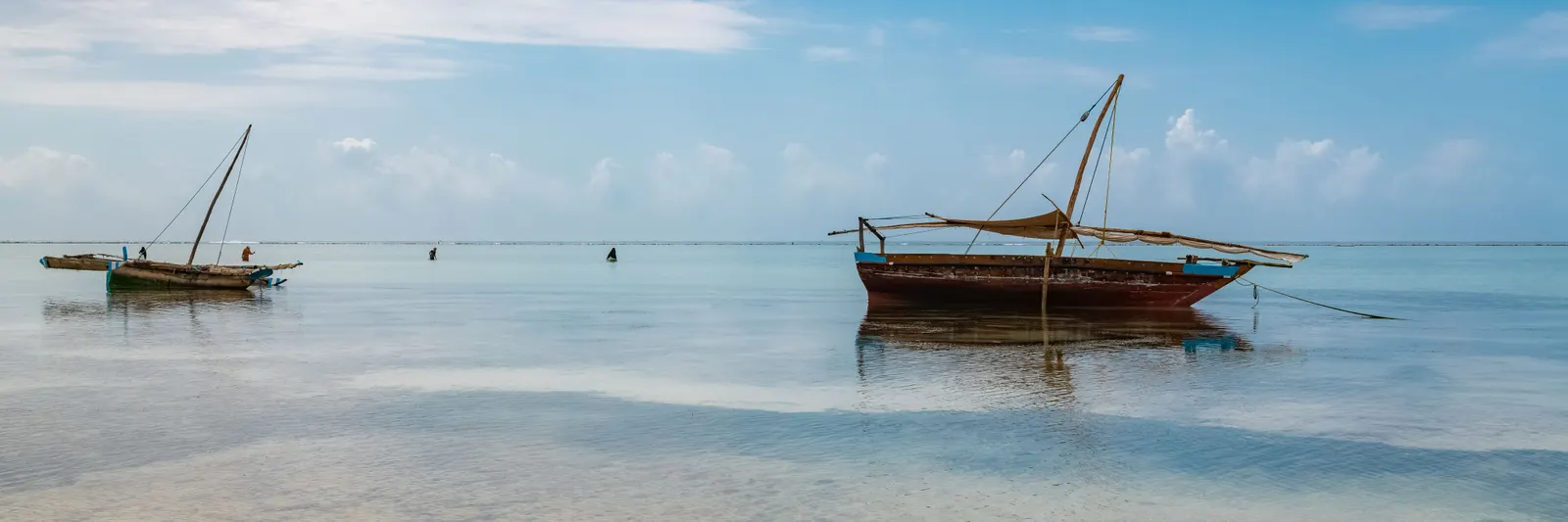
Dhows moored off a white-sand beach on Zanzibar
Northern Circuit & Zanzibar · Eleven Days

Serengeti to Zanzibar, bush then beach

Six nights on the northern circuit and four on the Indian Ocean, joined by a light aircraft — in the order that lets the beach do its job.
11
Days
10
Nights
3
Parks
4
Beach nights
I · Overview

The route, and why this shape

Three parks on one road out of Arusha, a flight to the coast, and four nights on the sand — in that order.
This is the most requested trip we build, and the request is nearly always phrased the same way: a safari, and then a beach. The order matters and it is not a matter of taste. A safari is early starts, long hours in a vehicle and a great deal of attention; a beach is the opposite. Do the beach first and you arrive on the plains rested and leave them exhausted. Do it second and the coast is where the week settles.
The safari half runs north-west out of Arusha along one road: a night in Tarangire for the elephants, a night on the Ngorongoro rim so the crater is done at dawn, and two nights at Seronera in the central Serengeti, which is the only place on the route that gets a full day without a transfer. Then a light aircraft from the Serengeti airstrip to Zanzibar, via Arusha, and you are on the coast by mid-afternoon the same day.
The beach half is one night in Stone Town and four on the north-east coast. The trade for four beach nights is that Tarangire and the crater get one night each rather than two, and Lake Manyara is a viewpoint rather than a park. If the safari matters more to you than the sea, we have longer circuits; this one is for people who want both, properly.
Length
11 days / 10 nights
Country
Tanzania, incl. Zanzibar
Start / end
Arusha → Zanzibar
Tour type
Private safari, then beach
Group size
Private — 1 to 6 guests per vehicle
Meal plan
Full board on safari · half board on Zanzibar
Best months
June – September, and December – February
Activity level
Easy — vehicle-based, then beach
Vehicle
Toyota Land Cruiser 4×4 with a pop-up roof, a window seat for every guest, charging points and a cool box
II · The days

Day by day, all eleven

Every day opens. One night each in Tarangire and on the rim, two at Seronera, one in Stone Town, four on the coast. See every lodge and camp we use
Day
01
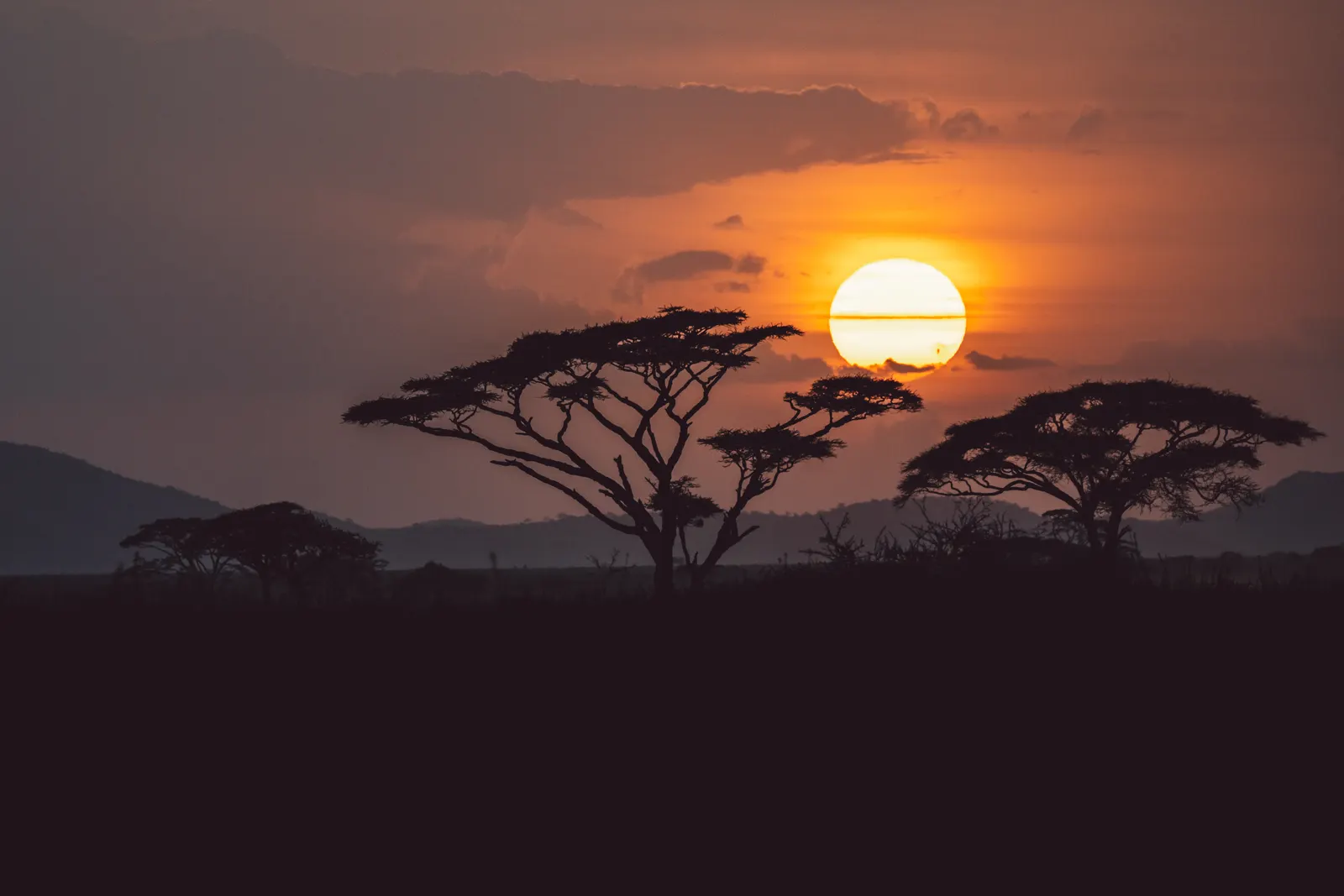
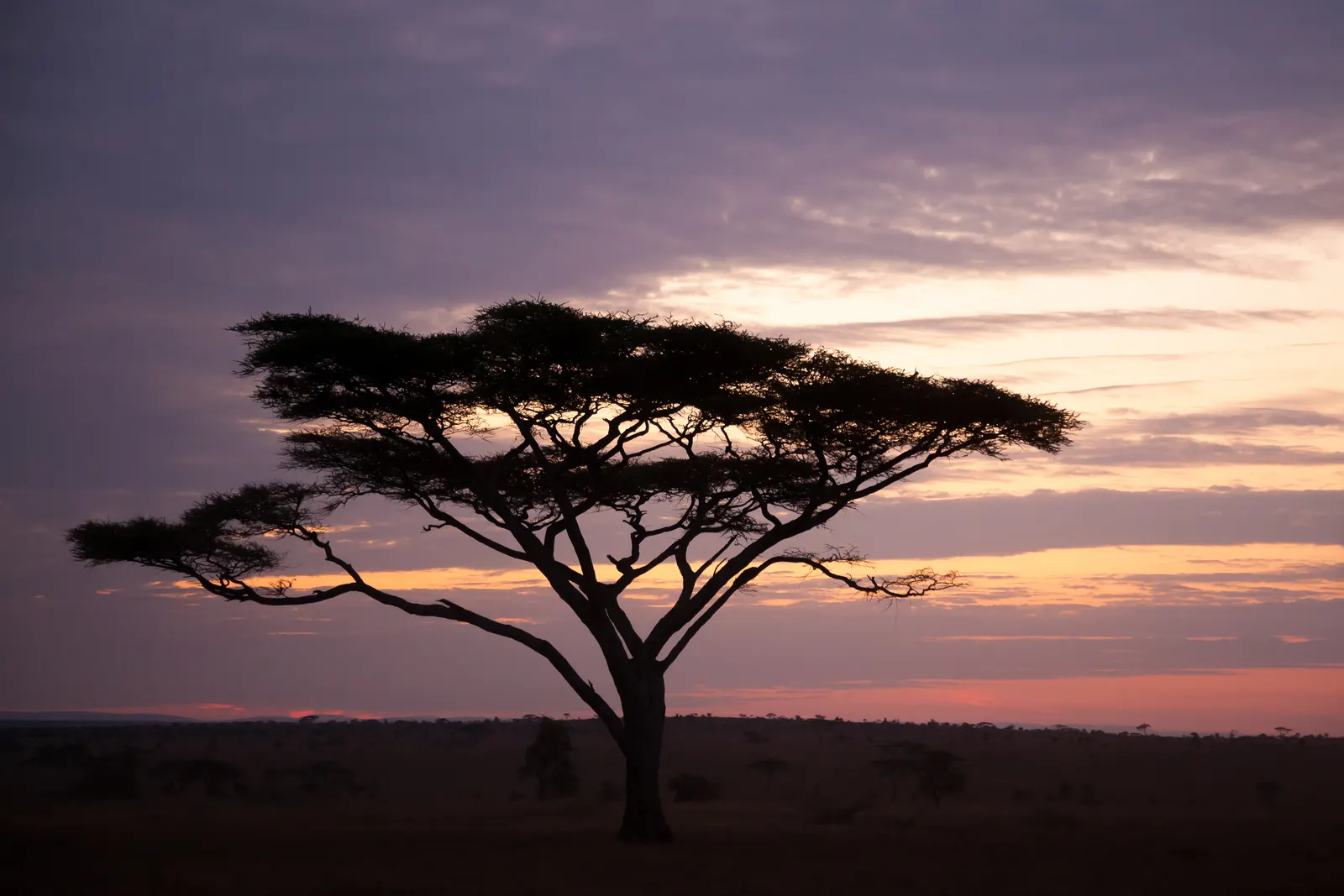
Acacia trees silhouetted against the setting sun
Arrival

Landing, and the road to Arusha

03°22′S 36°41′E
Dinner
Acacia trees silhouetted against the setting sun
Landing, and the road to Arusha
03°22′S 36°41′E
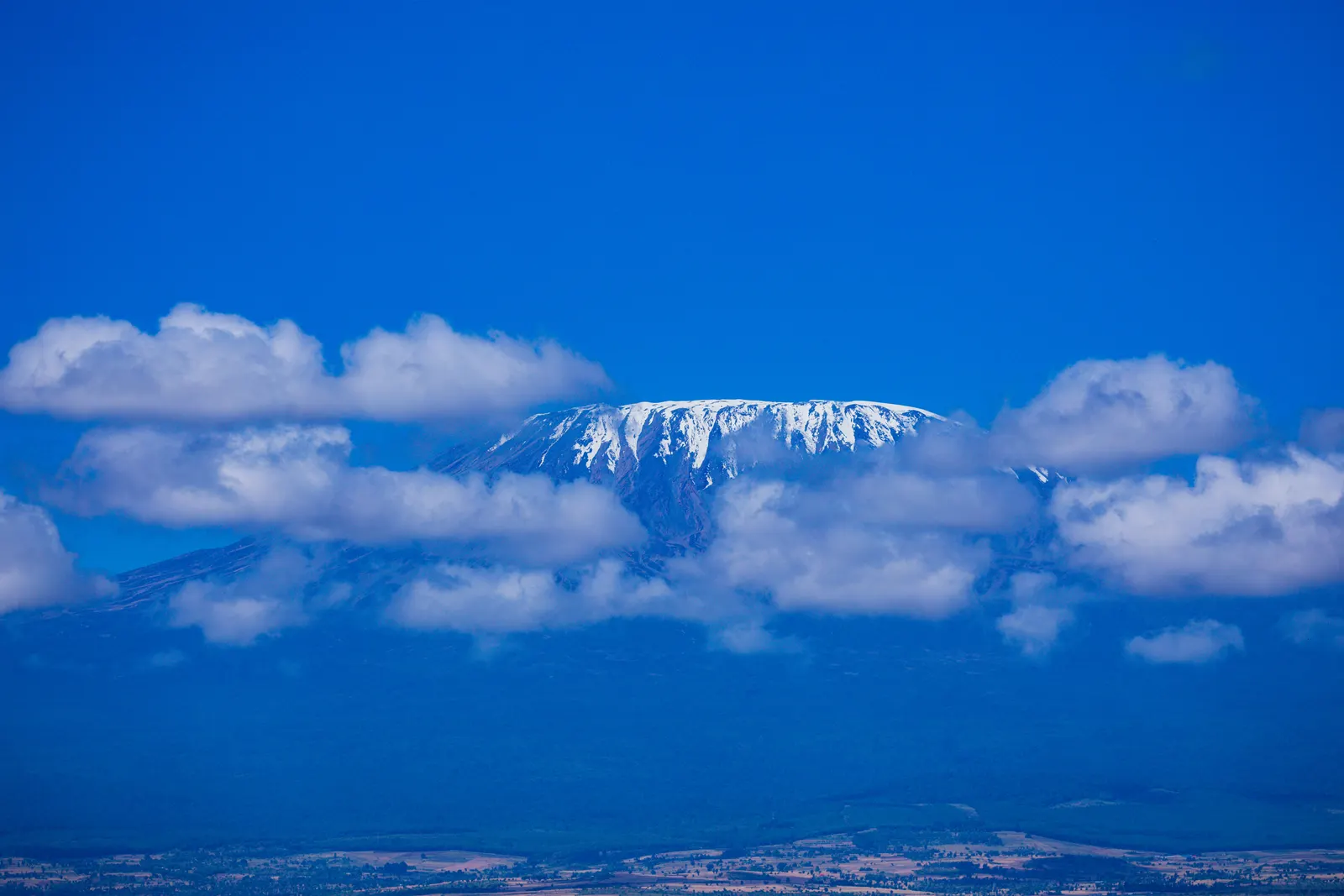
You land at Kilimanjaro International, fifty kilometres east of Arusha, and most long-haul routings put you down between two in the afternoon and nine at night. Your guide meets you at the door. The drive in is an hour on tarmac, through coffee shambas and the lower slopes of Mount Meru, and it is dark for the last part of it if your flight was a late one.
Nothing is scheduled tonight. Arusha sits at 1,400 metres, you have lost a night to the aircraft, and the first full day of this trip is a park day rather than a warm-up. Eat early, and repack into a soft bag — hard cases do not fit under a safari vehicle’s bench seat, and the light aircraft on day 6 has a 15 kilogram limit in soft bags only, so this is worth doing properly now rather than on the Seronera airstrip.
Agree the tipping arrangement with your guide tonight and change money for it. It removes the one awkward conversation of the safari, and on a trip that ends on a beach five hundred kilometres from the vehicle you will not get a second chance to sort it out.
Meals
Dinner
Travel
JRO to Arusha · 50 km · about 1 hr
Highlight
Nothing scheduled, on purpose
Meet at Kilimanjaro International
Arusha, 1,400 m
No game drive today
Where you sleep
Kahawa House: Two-storey main building with terrace and swimming pool in the gardens
COMFORT

Kahawa House

★★★★☆
Arusha, garden lodge on the edge of town
Quiet, en-suite, a garden to walk in and dinner served early for people who have just come off a long flight.
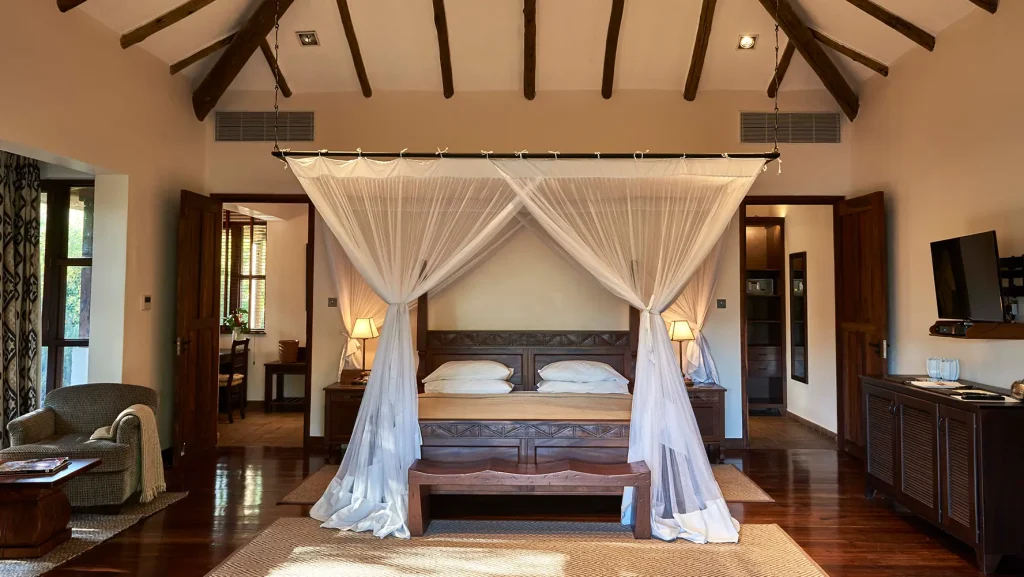
Legendary Lodge: Bedroom with wooden four-poster bed and white sheer curtains, hardwood floors
LUXURY

Legendary Lodge

★★★★★
Arusha, coffee-estate lodge outside town
Set among the plantations below Meru, with cottage rooms and fires lit in the evening — it is cooler here than people expect.
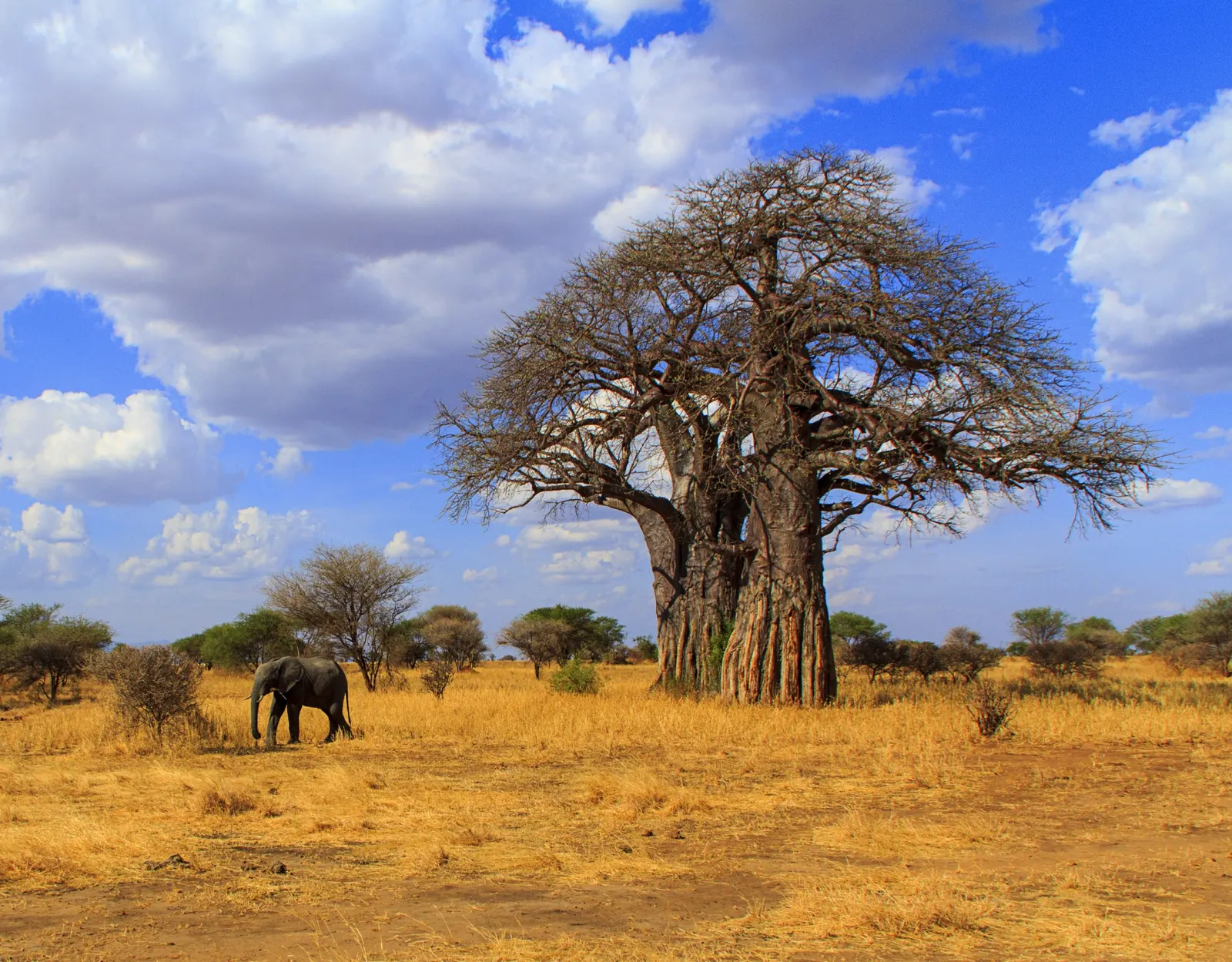
An elephant beside a baobab in Tarangire
Baobabs, and the elephants of Tarangire
03°50′S 36°00′E
Out of Arusha after breakfast, south-west on the Great North Road for two hours, then the turn onto the park road. The landscape changes twice on the way — cultivated highland, then Maasai grazing country, then baobab. You will see your first giraffe from the tarmac, before the gate.
One night here, and you should know why it is one rather than two. This trip has ten nights and four of them are spoken for by the coast; on the safari side, the Serengeti earns two nights before Tarangire does. What one night buys is a proper afternoon drive on the river circuit south of the gate, with the elephants coming down to dig for water in the sand — in the dry season this is the densest elephant population in the north, in family groups of fifteen and twenty and sometimes several hundred on one stretch of riverbed.
The baobabs are the other reason. The big ones on the river circuit are somewhere between six hundred and a thousand years old, and elephants strip the bark for moisture, which is why so many are scarred at exactly elephant height. Tarangire is also the one park on this route where night drives are permitted, if you want to add one.
Meals
Breakfast · Lunch · Dinner
Travel
Arusha to Tarangire gate · ~120 km · about 2½ hrs, then game drive
Highlight
The densest elephant population in northern Tanzania
Big elephant herds
Baobab country
Night drive possible
Where you sleep
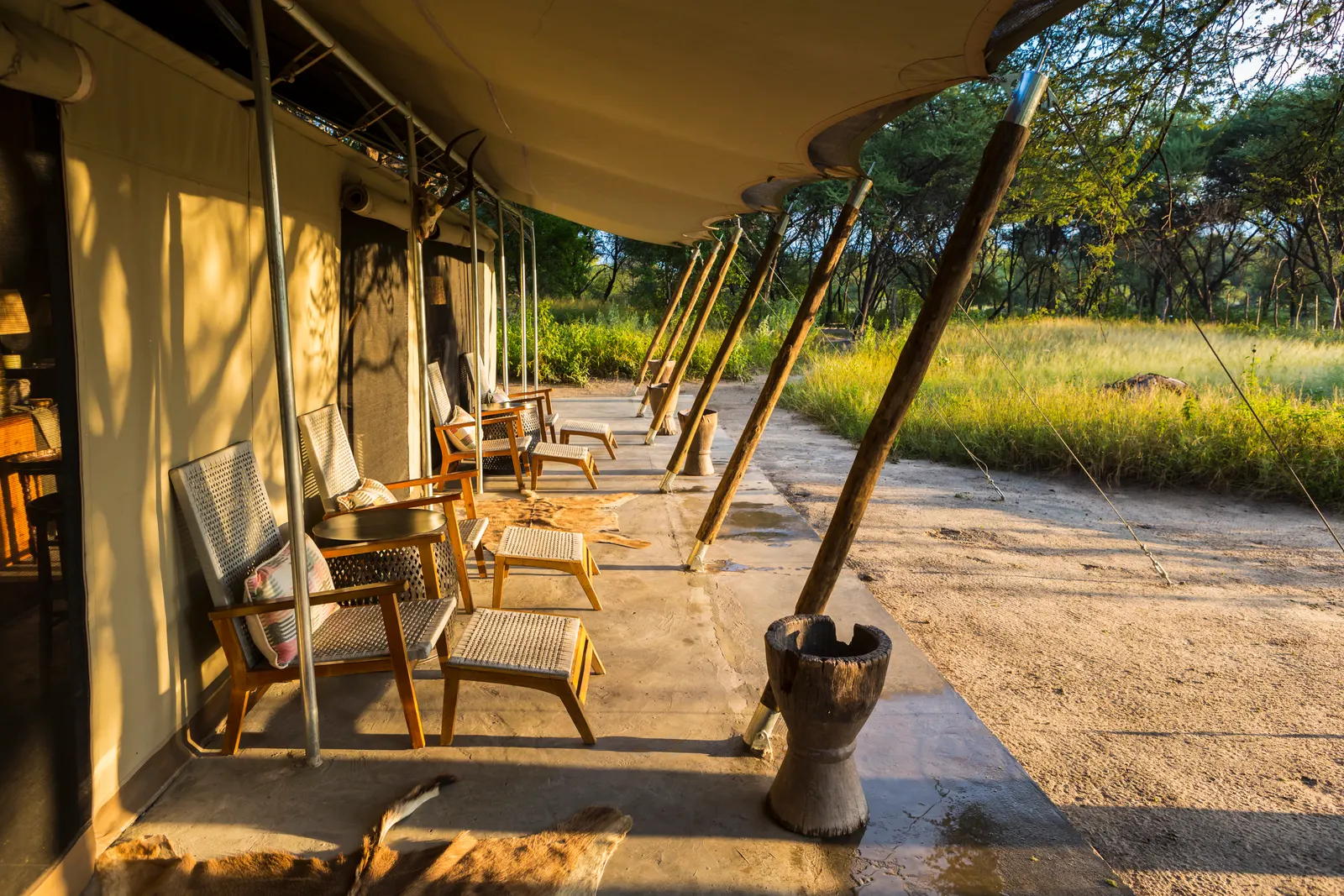
Mbali Mbali Tarangire River Camp: Luxury Guest Tent: thatched tent on a raised deck under a baobab with outdoor bathtub
COMFORT

Mbali Mbali Tarangire River Camp

★★★★☆
Tarangire, tented camp outside the park boundary
En-suite tents, full board, and close enough to the gate that the morning drive out starts inside the park rather than on the road.
Lemala Mpingo Ridge Lodge: Suite deck with outdoor bathtub and seating overlooking Tarangire at sunset
LUXURY

Lemala Mpingo Ridge Lodge

★★★★★
Tarangire, lodge on the escarpment
Larger tents looking down over the river valley, and a sundowner deck that faces the evening elephant crossings.
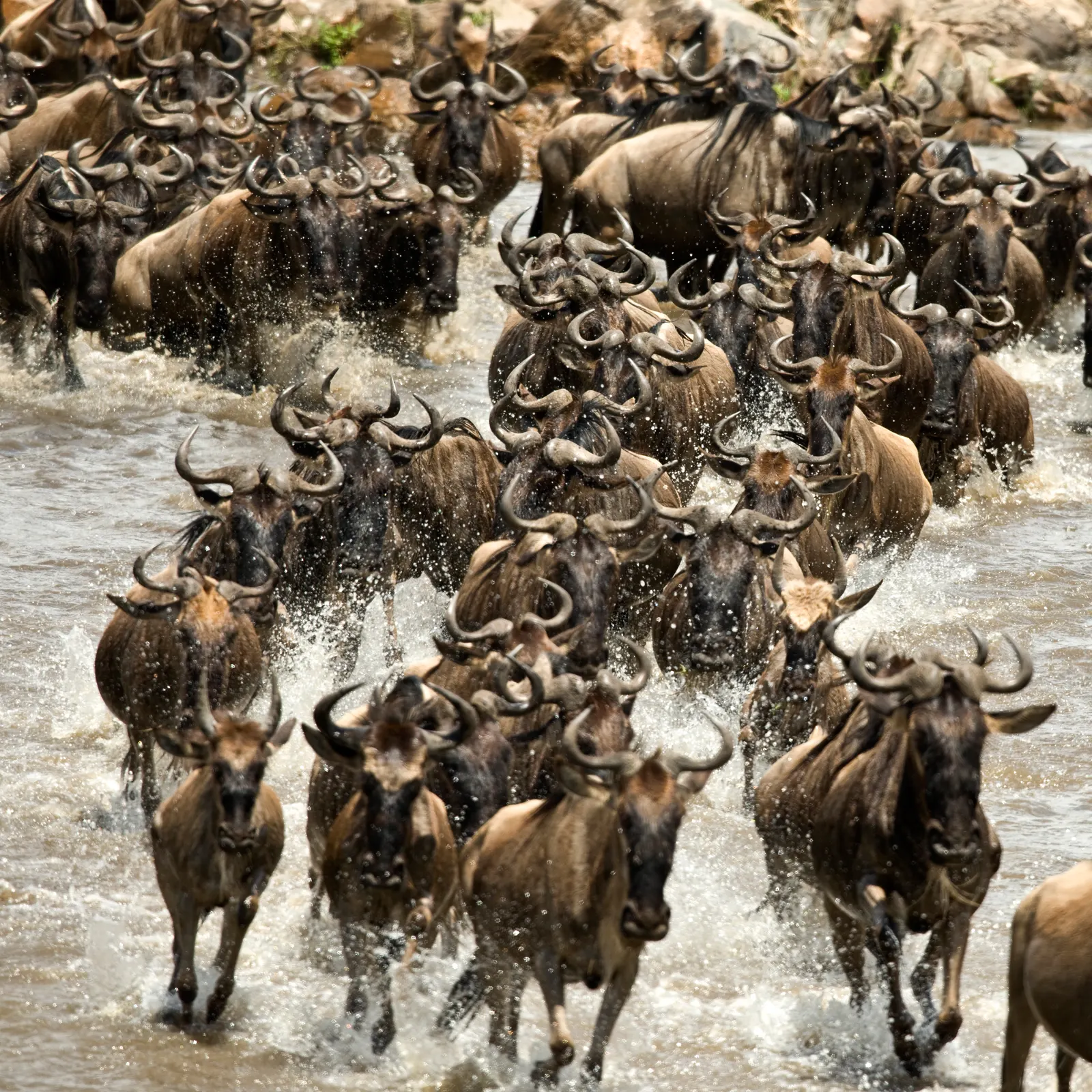
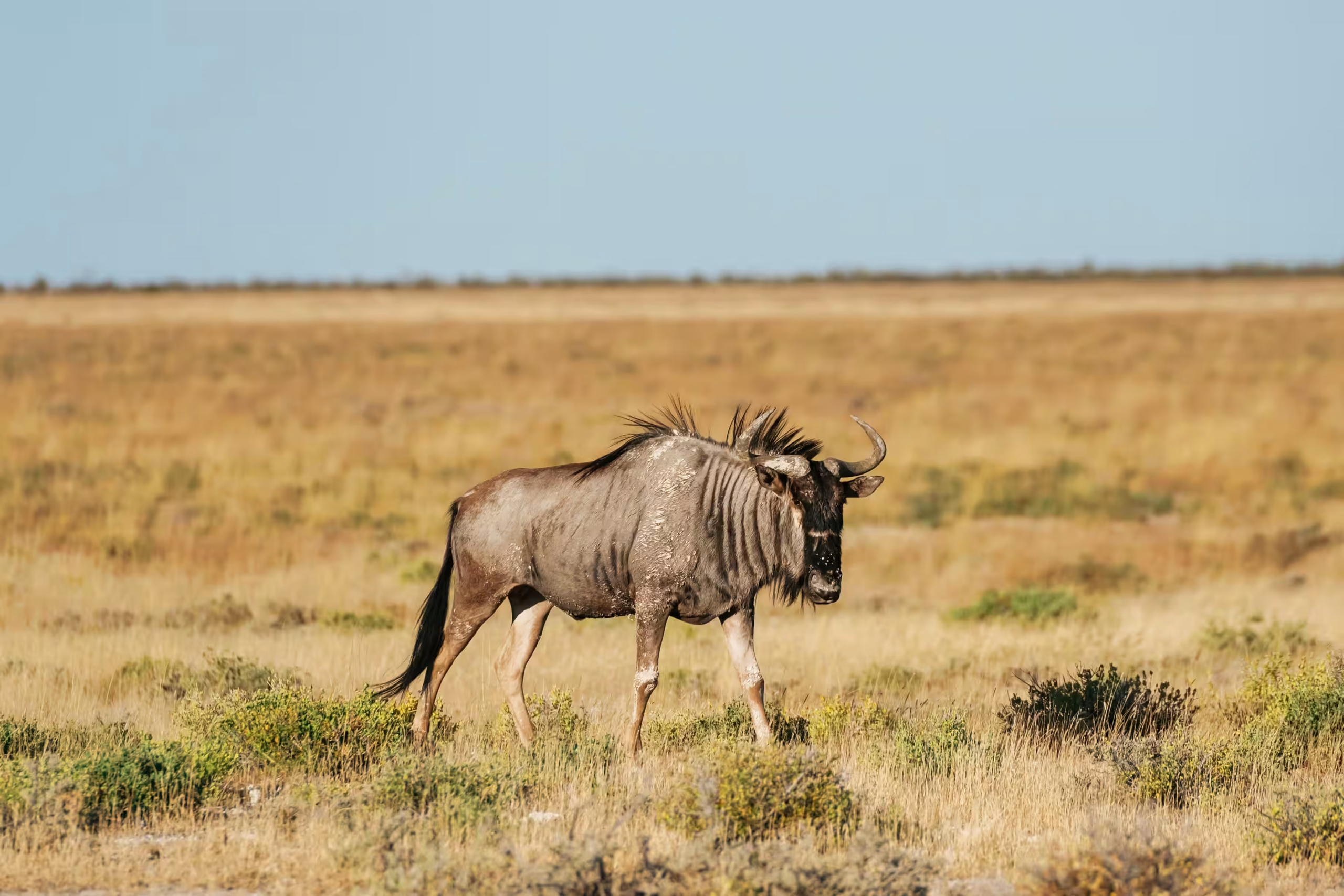
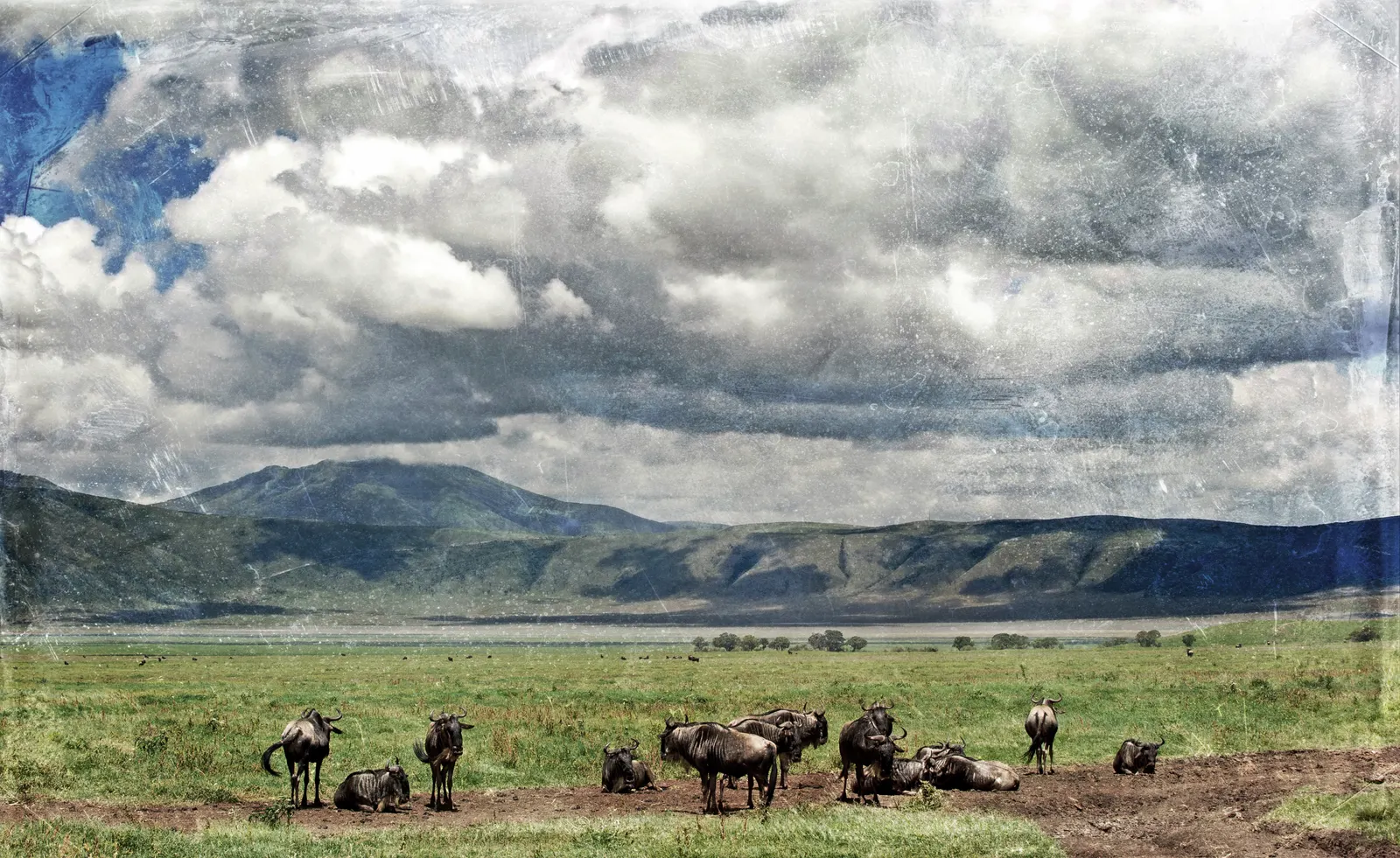
Wildebeest in the Ngorongoro Crater
Up the Rift wall to the crater rim
03°10′S 35°35′E
A morning game drive on the way out of Tarangire, then north and west on the road that climbs the Rift wall. Lake Manyara is below you on the left for most of the ascent — a shallow soda lake in a trough, with a strip of groundwater forest along its western shore. On this itinerary you stop at the viewpoint at the top of the escarpment rather than going into the park. That is the honest trade for having four nights on a beach at the other end.
Karatu is highlands farming country at 1,900 metres, and it is noticeably cooler than anywhere you have been so far. You pass through it, enter the Ngorongoro Conservation Area at Lodoare gate, and climb through montane forest to the rim at about 2,300 metres.
The first sight of the crater from the top is the one moment on this trip that consistently outperforms the photographs: a caldera nineteen kilometres across, six hundred metres deep, often with cloud pouring over the western wall while the floor stays clear. You sleep on the rim tonight rather than down in Karatu, because it puts you at the descent road at dawn instead of an hour behind the vehicles that stayed below. Bring the fleece out of your bag.
Meals
Breakfast · Lunch · Dinner
Travel
Tarangire to the rim · ~150 km · about 3½ hrs with stops
Highlight
Karatu highlands, then the first sight of the caldera
Rift escarpment viewpoint
Karatu, 1,900 m
Crater rim, 2,300 m
Where you sleep
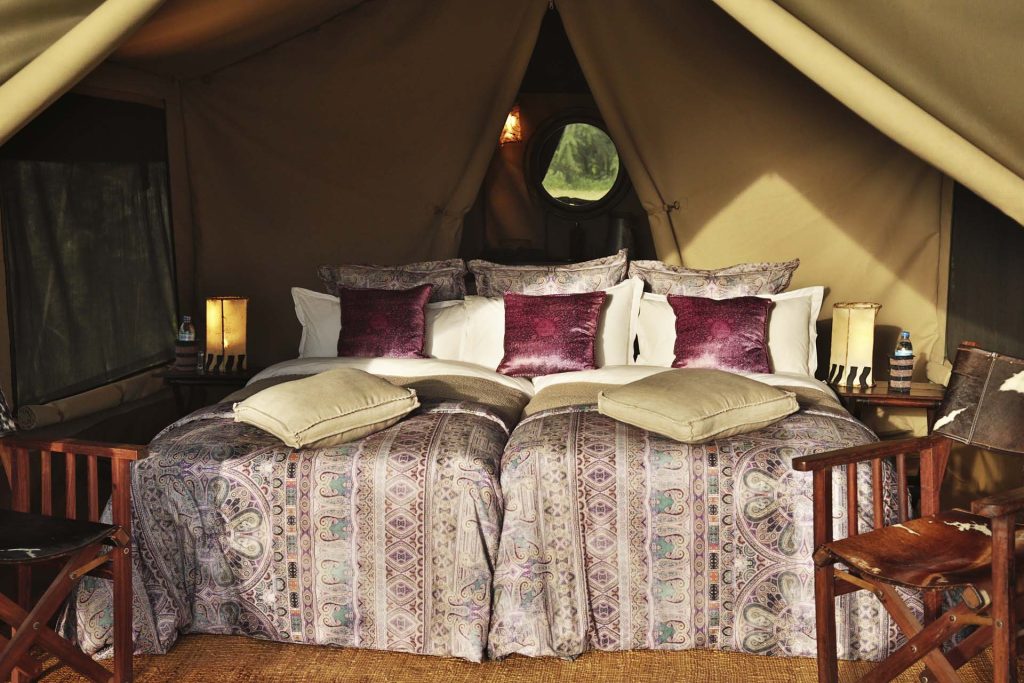
Pakulala Safari Camp: Tent interior with two queen beds, patterned throws and bedside lanterns
COMFORT

Pakulala Safari Camp

★★★★☆
Ngorongoro Conservation Area, on the rim
On the rim, which means a short descent in the morning rather than an hour’s drive before the gate opens.
Entamanu Ngorongoro: Main lounge: guests by the fireplace
LUXURY

Entamanu Ngorongoro

★★★★★
Ngorongoro Conservation Area, on the rim
Rim-facing rooms with the crater floor below the window, and fires lit in the evening. It is cold here after dark.
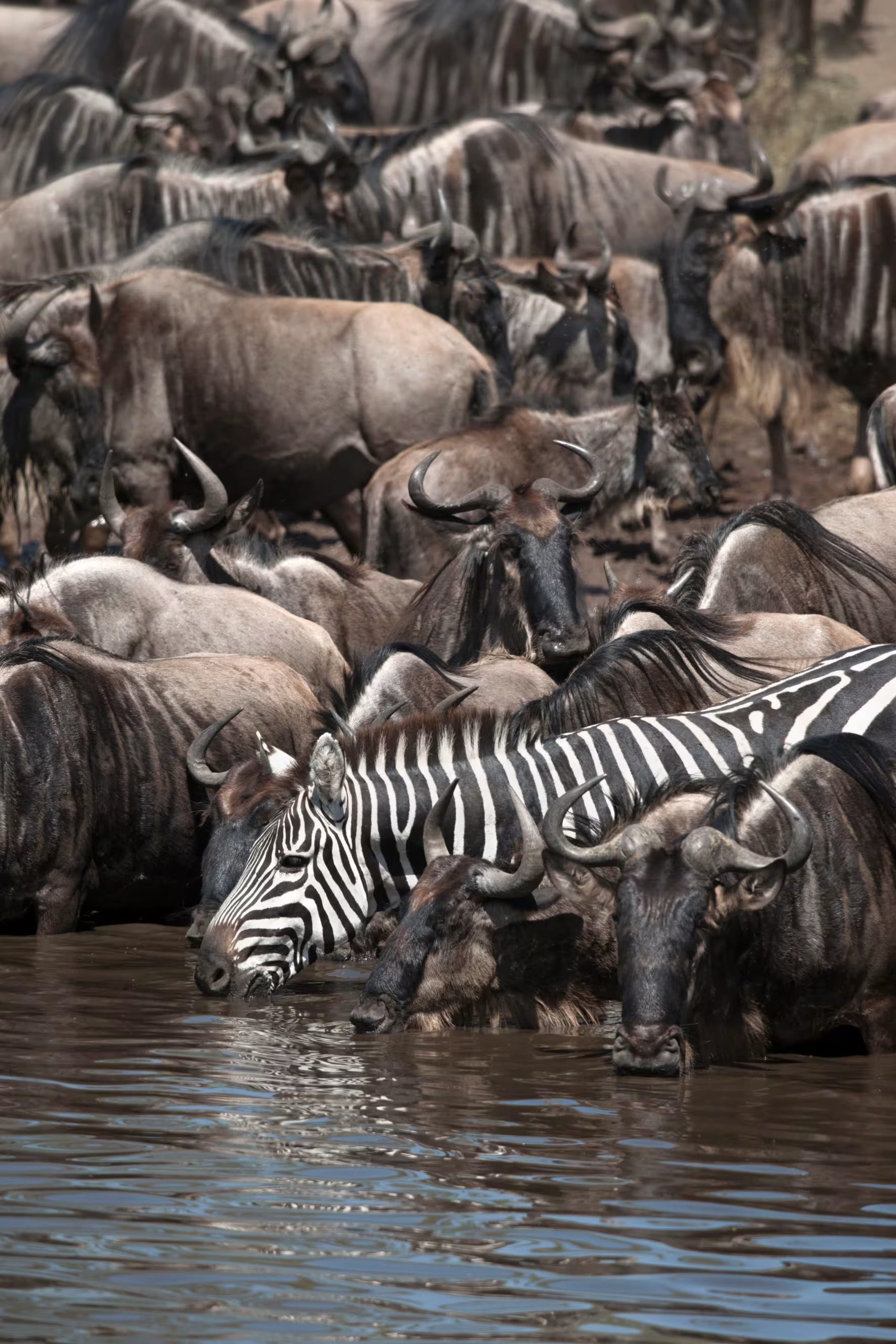
Elephants and wildebeest among the trees
Down into the crater, then west to the plains
03°10′S 35°35′E
You descend at first light. The rule on the floor is a six-hour limit, so the morning is timed tightly and there is no lingering over breakfast — it comes in a box. The descent road drops six hundred metres in a few kilometres and you are on the floor before the cloud has lifted, which is the best hour of the day and the quietest.
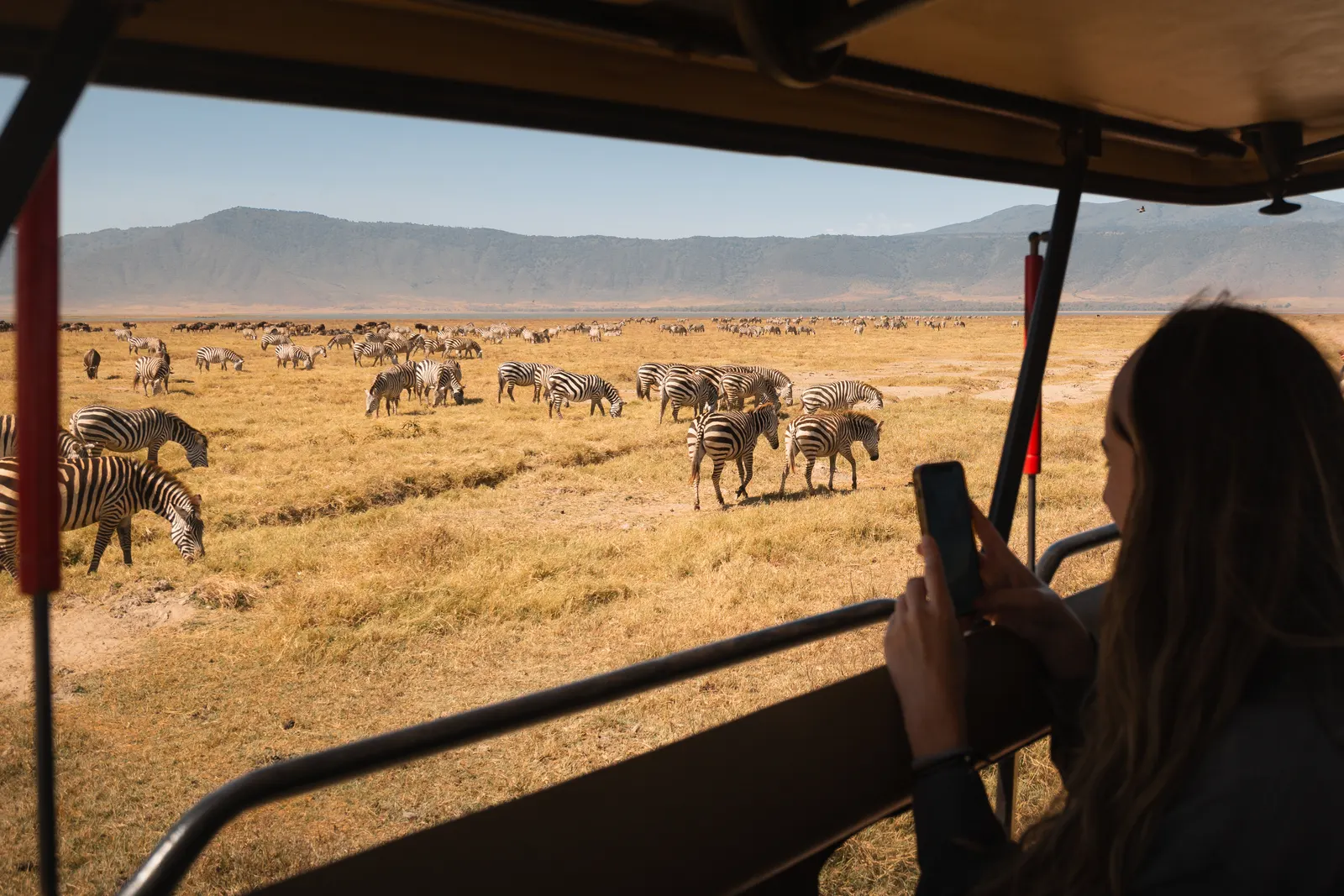
What the crater has that nowhere else on this route does is black rhino: a few dozen animals, usually distant, and this is still the most reliable place in Tanzania to see one. Add the highest lion density on the continent, the Lerai fever-tree forest, old bull elephants carrying the heaviest ivory in East Africa, and flamingo on Lake Magadi, all inside a closed bowl. It is not wild the way the Serengeti is wild. It is a spectacle, and worth being one.
Up the ascent road around midday, then west across the conservation area on the short-grass plains — Olduvai Gorge is on the way if you want the stop — to Naabi Hill gate and into the Serengeti proper. It is a long day, and it is the one day of this trip that does two things. The last hour into Seronera is a game drive whether or not anyone calls it one.
Meals
Breakfast · Lunch · Dinner
Travel
600 m descent · crater morning · then ~145 km to Seronera, about 3½ hrs
Highlight
Black rhino at first light, Seronera by evening
Black rhino
Six-hour limit on the floor
Naabi Hill gate
Where you sleep
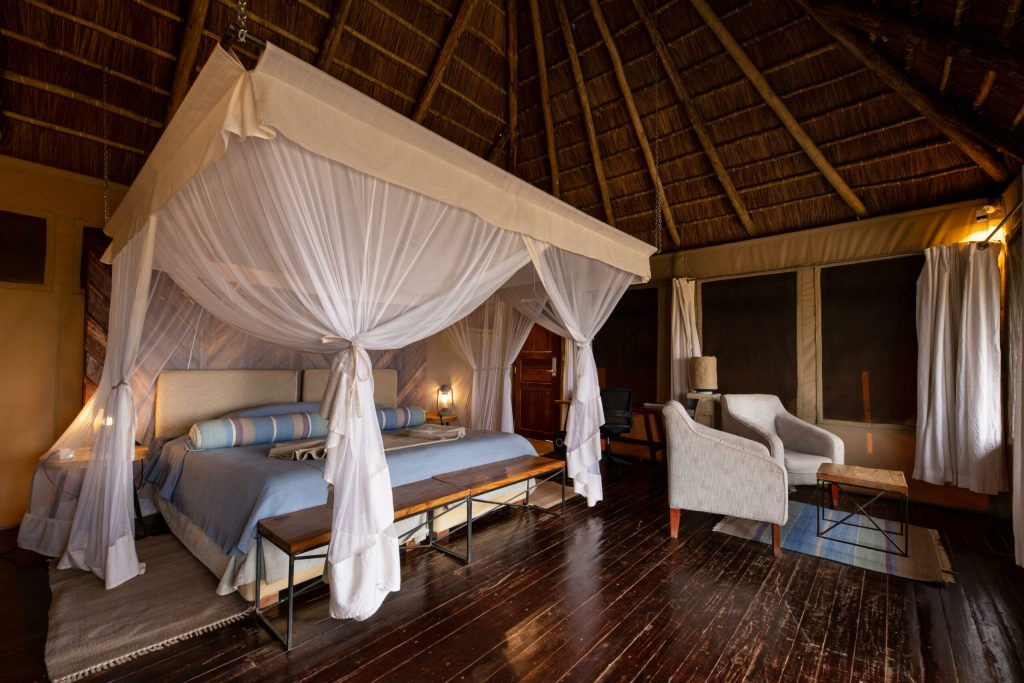
Kubu Kubu Tented Lodge: Tent interior with mosquito-net canopy bed under a thatched roof
COMFORT

Kubu Kubu Tented Lodge

★★★★☆
Central Serengeti, Seronera valley
Tented, en-suite, inside the park. Seronera is the year-round core: permanent water and the highest concentration of big cats in the Serengeti.
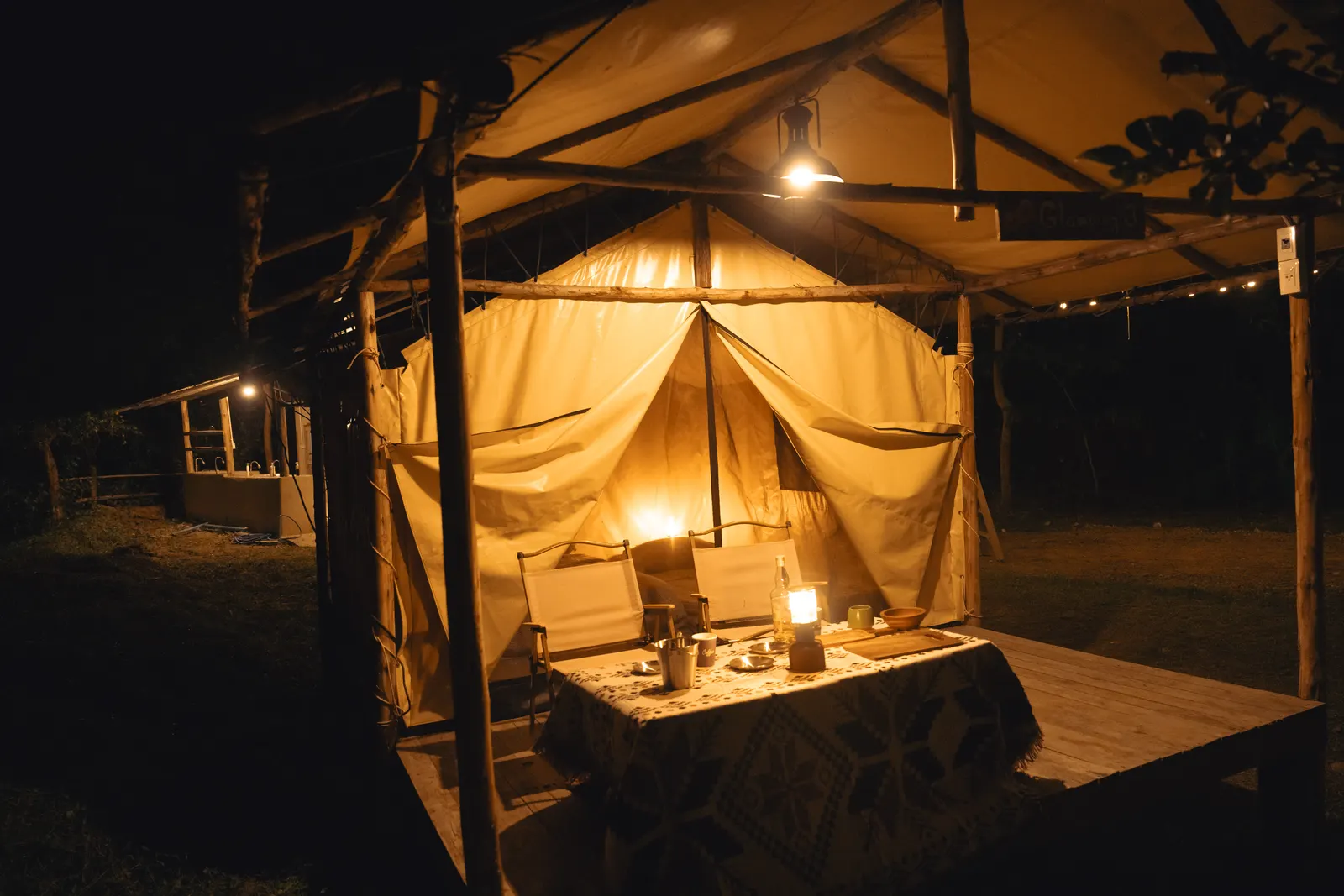
Lemala Ewanjan Tented Camp: Camp exterior: guest tents with verandas under acacia trees, lantern in foreground
LUXURY

Lemala Ewanjan Tented Camp

★★★★★
Central Serengeti, Seronera valley
Fewer tents, further from the main track, with dawn starts and breakfast taken in the field.
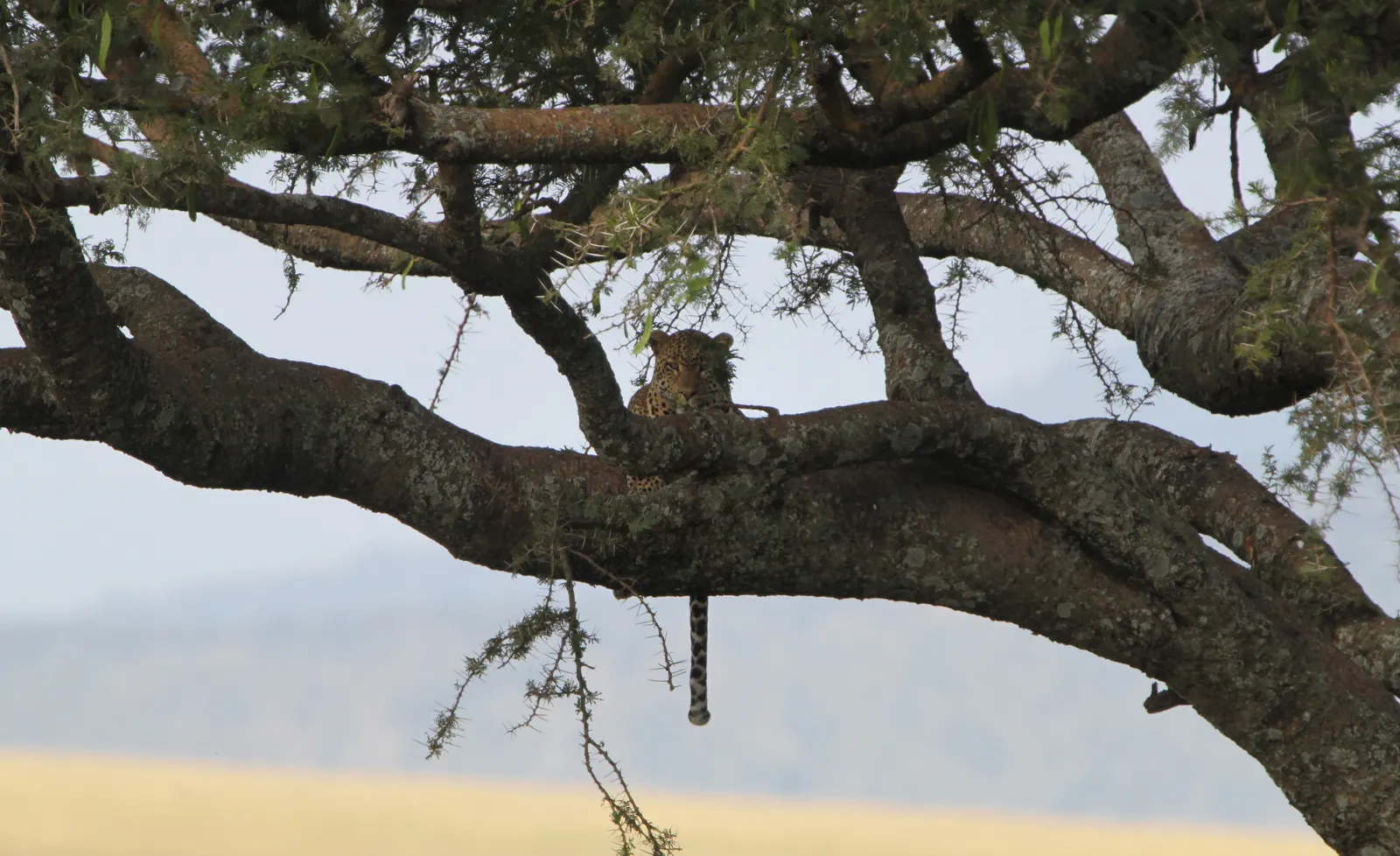
A leopard in a tree
A full day in the Seronera valley
02°26′S 34°49′E
One full day, no transfer, no packing. This is the day the safari half of the trip is built around, and it is why Tarangire got one night rather than two. You are out at six with breakfast in the vehicle, because the first two hours after sunrise are worth the rest of the day combined.
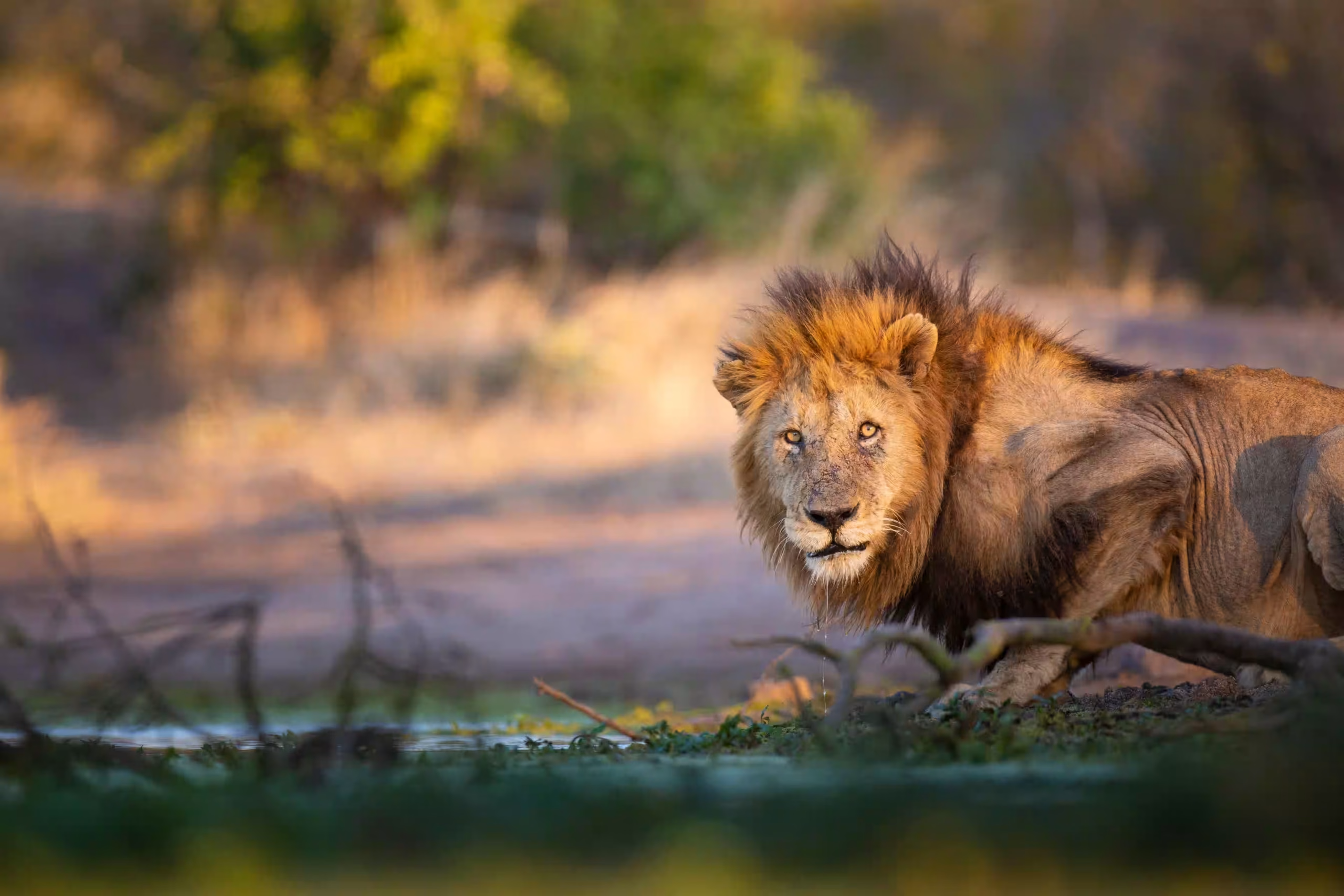
The Seronera river holds water all year, and the fig and sausage trees along it are the most dependable leopard habitat in Tanzania. Leopard are likely if your guide knows the individual trees, which is a real skill. Do not expect it. The granite kopjes standing out of the grass are lion furniture — shade, a vantage point and safe ground for cubs — and cheetah hunt the open ground south and east of the river in the early morning before the heat.
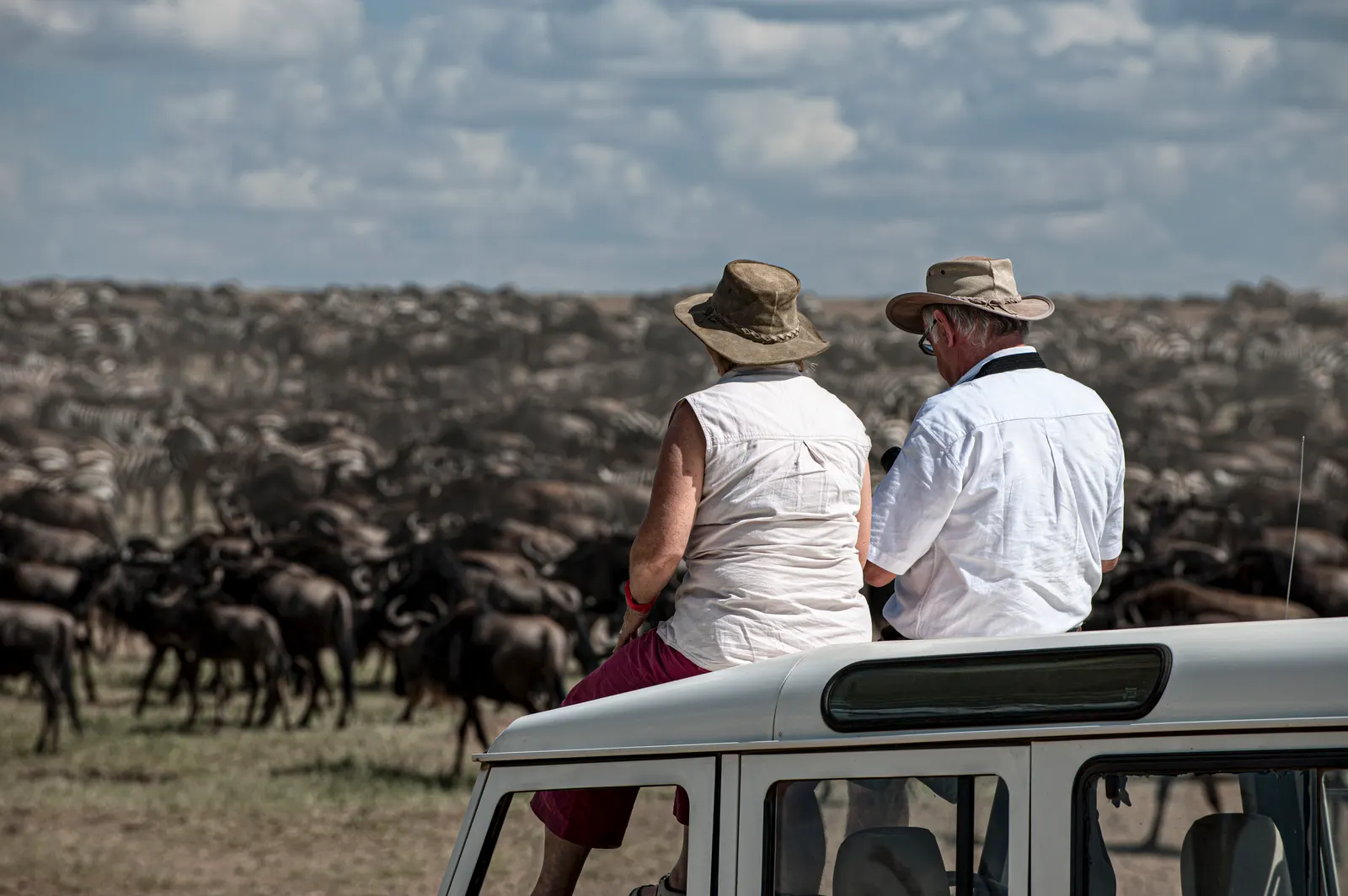
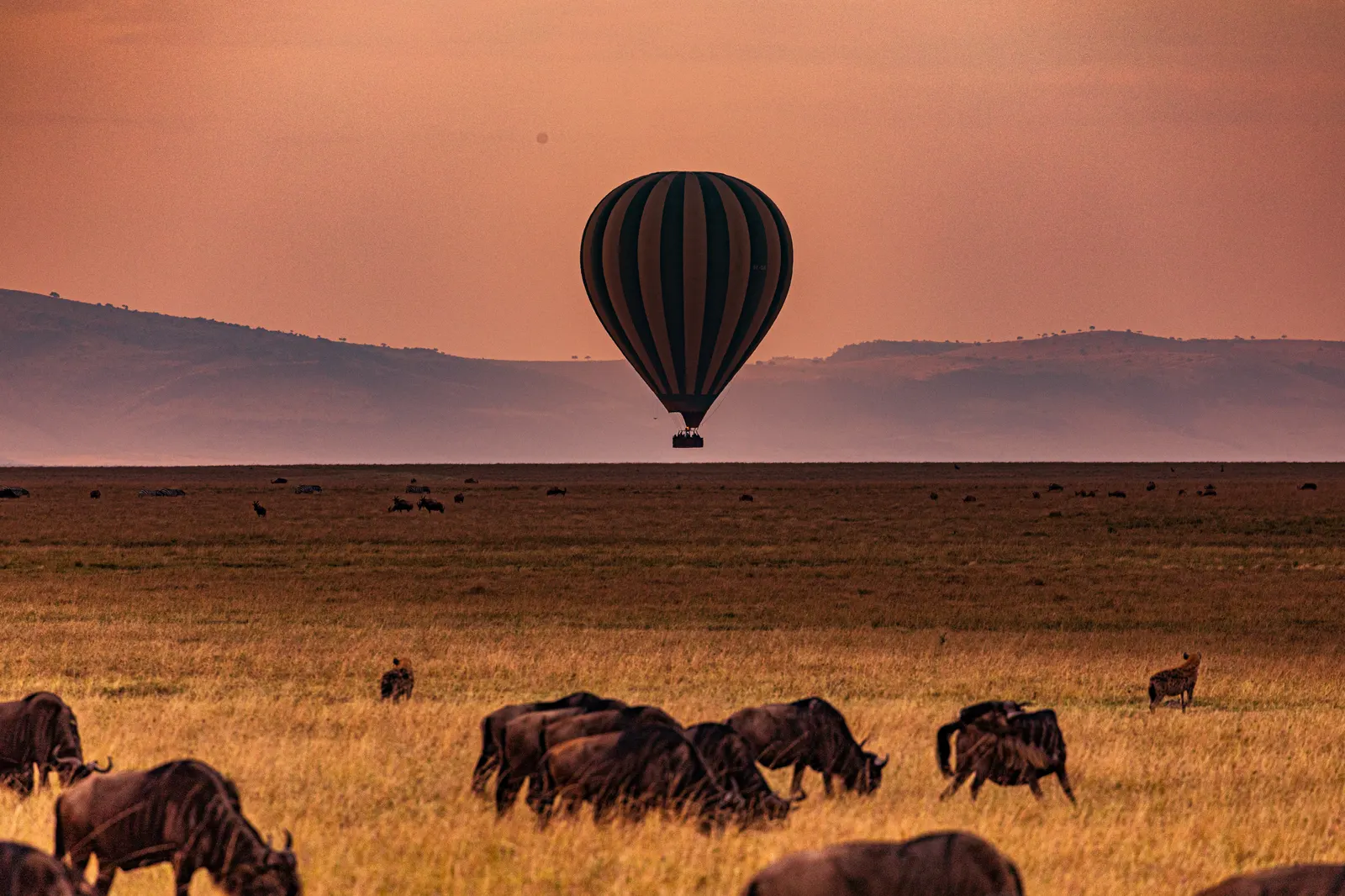
Where the migration is on this day depends entirely on the month. In June and early July the herds are often within reach of Seronera on their way north-west; from late July to September they are in the north, a long drive away; in December they are coming back south. What is reliable in the valley is resident game, and that is what this day is for. A balloon flight can be added at dawn, minimum age seven, weather permitting.
Meals
Breakfast · Lunch · Dinner
Travel
Full day in the park · no transfer
Highlight
Leopard in the riverine fig, lion on the kopjes
Leopard country
Kopje prides
No transfer today
Where you sleep
Kubu Kubu Tented Lodge: Restaurant under a high thatched roof with set tables
COMFORT

Kubu Kubu Tented Lodge

★★★★☆
Central Serengeti, Seronera valley
Second night. The value of two nights here is the early morning — you are already inside the park when the cats are moving.
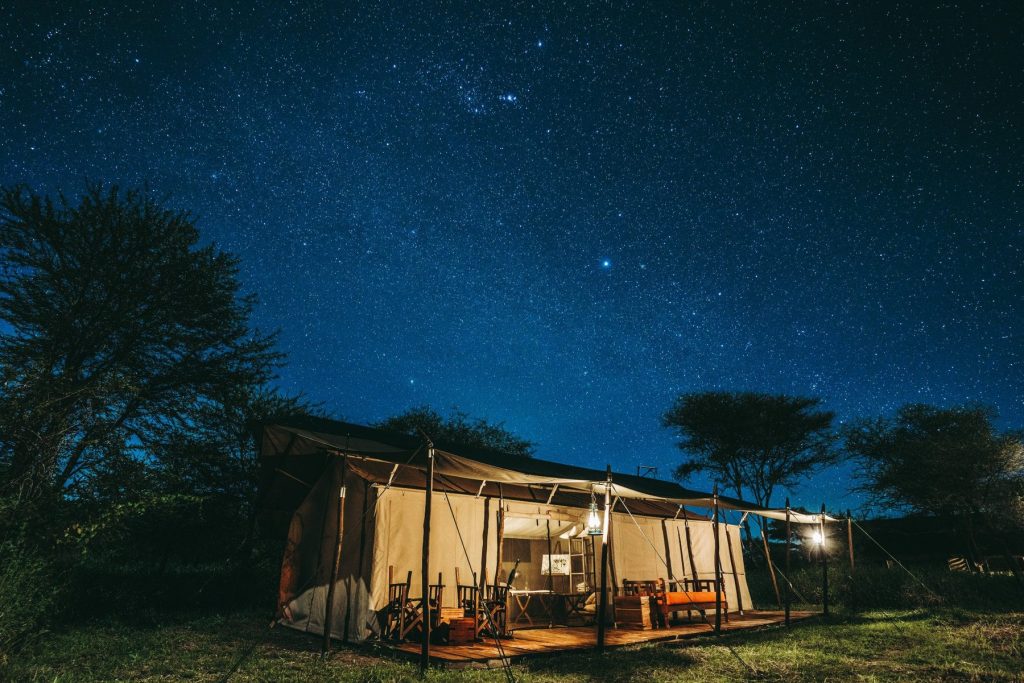
Lemala Ewanjan Tented Camp: Guest tent with furnished wooden deck lit up at night under a starry sky
LUXURY

Lemala Ewanjan Tented Camp

★★★★★
Central Serengeti, Seronera valley
Second night, same tent. Ask for the dawn start; the camp is used to it.
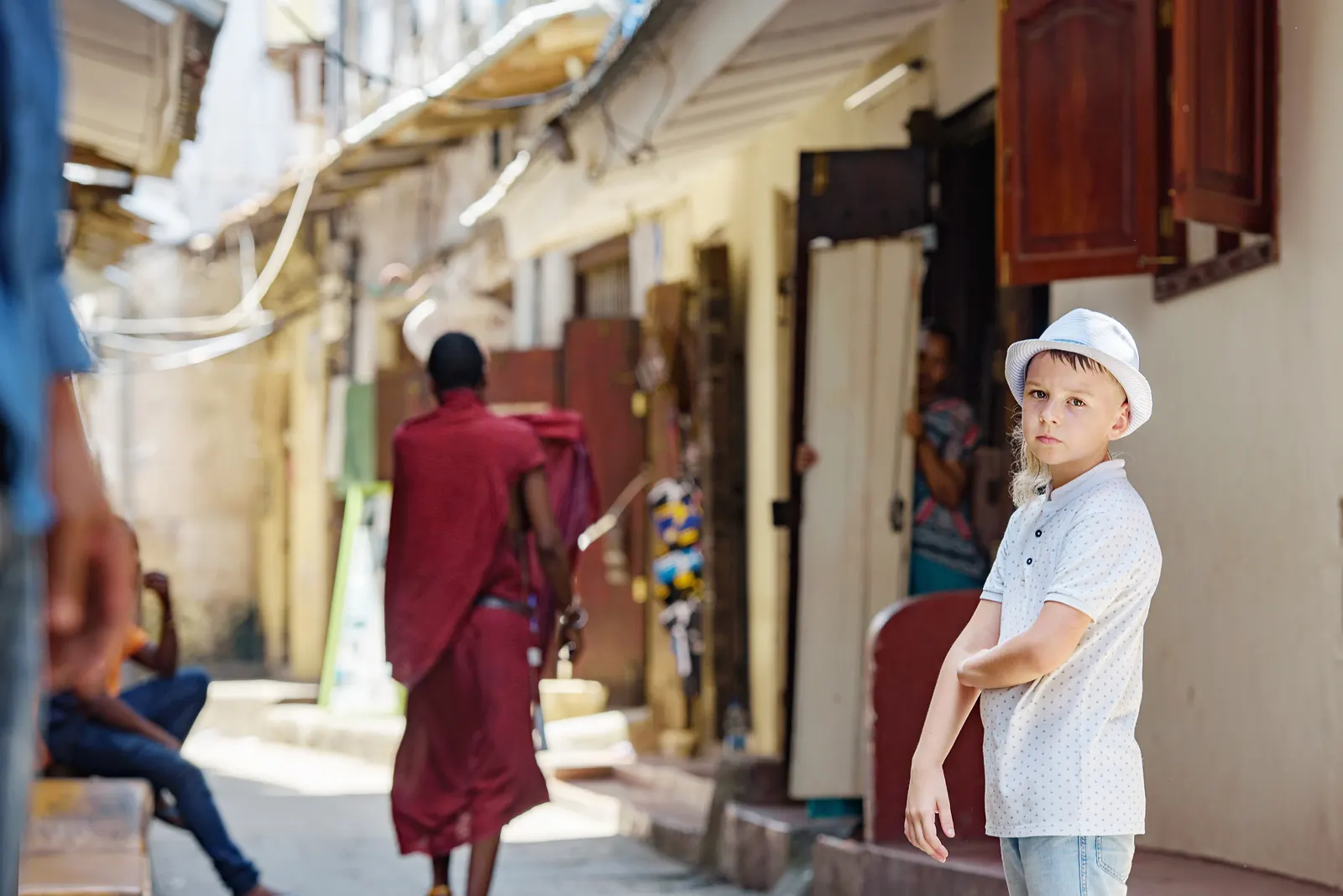
A lane in Stone Town
Seronera to Stone Town, by air
06°10′S 39°11′E
A short drive to the Seronera airstrip with the light still low, which in practice is the last game drive of the trip. The light aircraft lifts off the grass and for twenty minutes you have the Seronera valley and then the short-grass plains laid out beneath you, with the kopjes casting long shadows west.
The route to the coast goes via Arusha. You touch down there, usually change aircraft, and continue to Zanzibar; the whole thing, with the stop, takes around two to three hours depending on the schedule that day and how many other strips the aircraft calls at. The alternative is to drive back to Arusha — a full day on the road — and fly the next morning, which costs you a night and gains you nothing. Luggage on these flights is 15 kilograms in soft bags; you sorted that on day 1.
Zanzibar airport is ten minutes south of Stone Town. You are at your hotel by mid-afternoon with the rest of the day to yourself, and the difference in the air — from 1,500 metres of dry plain to sea level and the smell of cloves and salt — is the whole point of doing the trip in this order.
Meals
Breakfast · Dinner
Travel
Seronera airstrip to Zanzibar via Arusha · about 2–3 hrs including the stop
Highlight
The plains from above, then the Indian Ocean by mid-afternoon
Light aircraft via Arusha
Stone Town by afternoon
15 kg soft-bag limit
Where you sleep
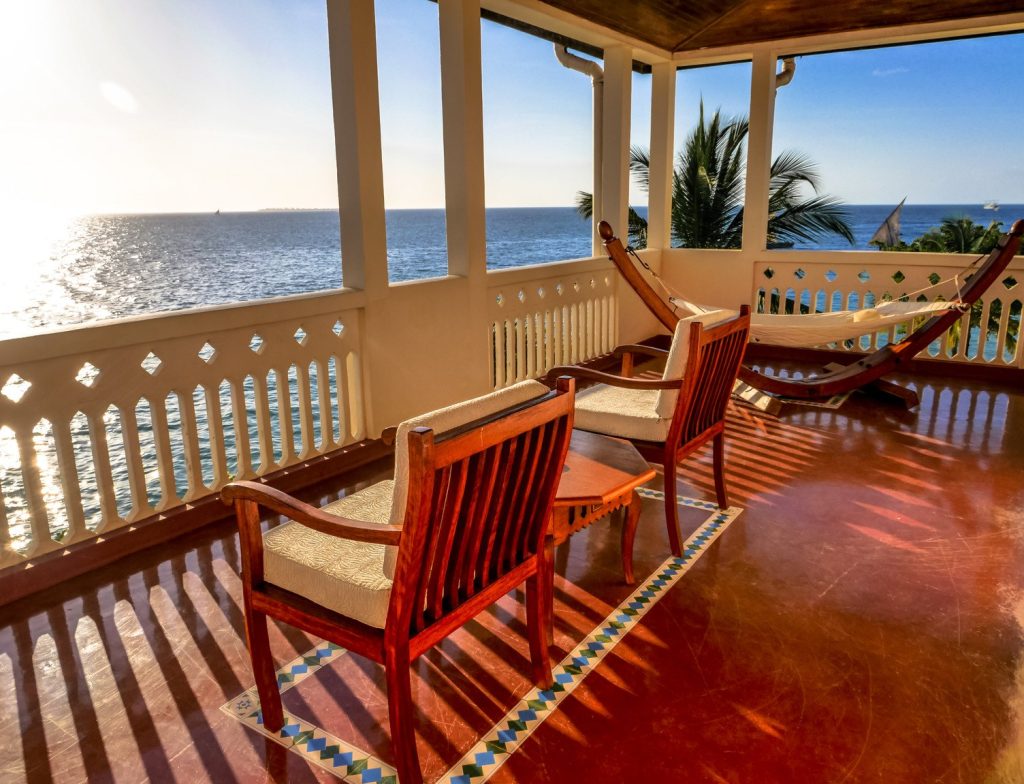
Emerson Spice Hotel: Tea House rooftop restaurant
COMFORT

Emerson Spice Hotel

★★★★☆
Stone Town, within the old town
A converted merchant’s house in the lanes: carved doors, a rooftop for breakfast, and the sea a few minutes’ walk away.
Zanzibar Serena Hotel, Tanzania
LUXURY

Zanzibar Serena Hotel

★★★★★
Stone Town, on the seafront
A restored seafront mansion with sea-facing rooms, a pool and the sunset dhows in front of the terrace.
Dhows moored off a white-sand beach on Zanzibar
The old town, then north to the coast
05°44′S 39°18′E
Stone Town is a UNESCO World Heritage Site and a working town, in that order for visitors and the other order for the people who live there. A guided morning on foot is the right amount: the Old Fort, the House of Wonders on the seafront, the Anglican cathedral built over the site of the slave market in 1873, the carved doors, and Darajani market, which is loud, close and honest about where fish comes from.
After lunch, north. The tarmac runs up the spine of the island through clove and coconut plantations, and takes about an hour and a half to reach the northern tip at Nungwi and Kendwa, or a little less to turn off east to Matemwe. The two coasts are different, and choosing between them is the one decision on the beach half of the trip that matters.
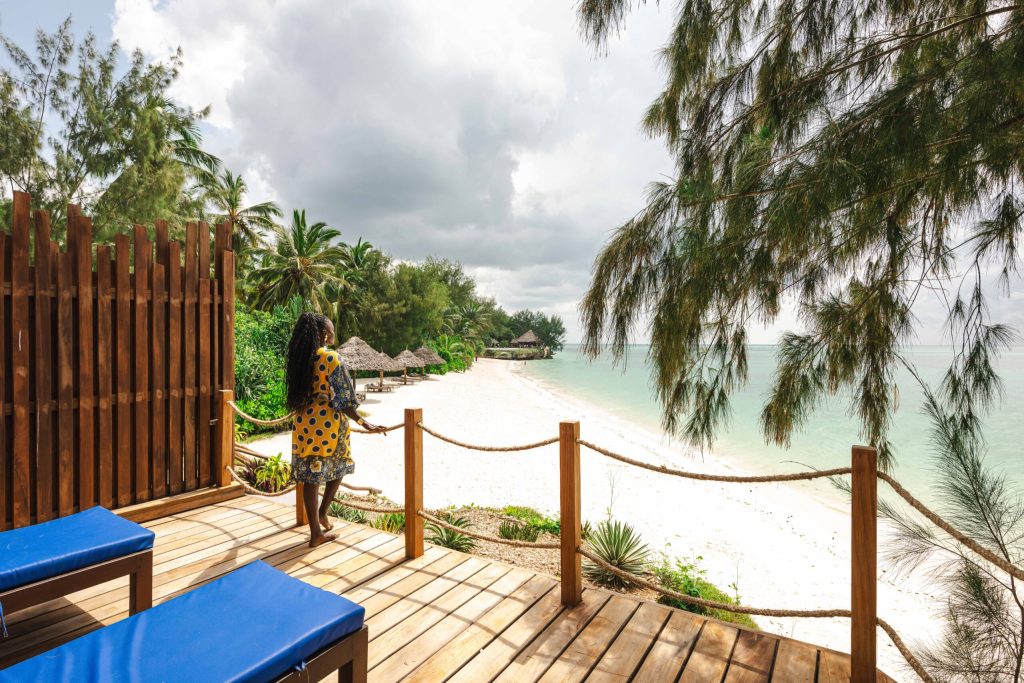
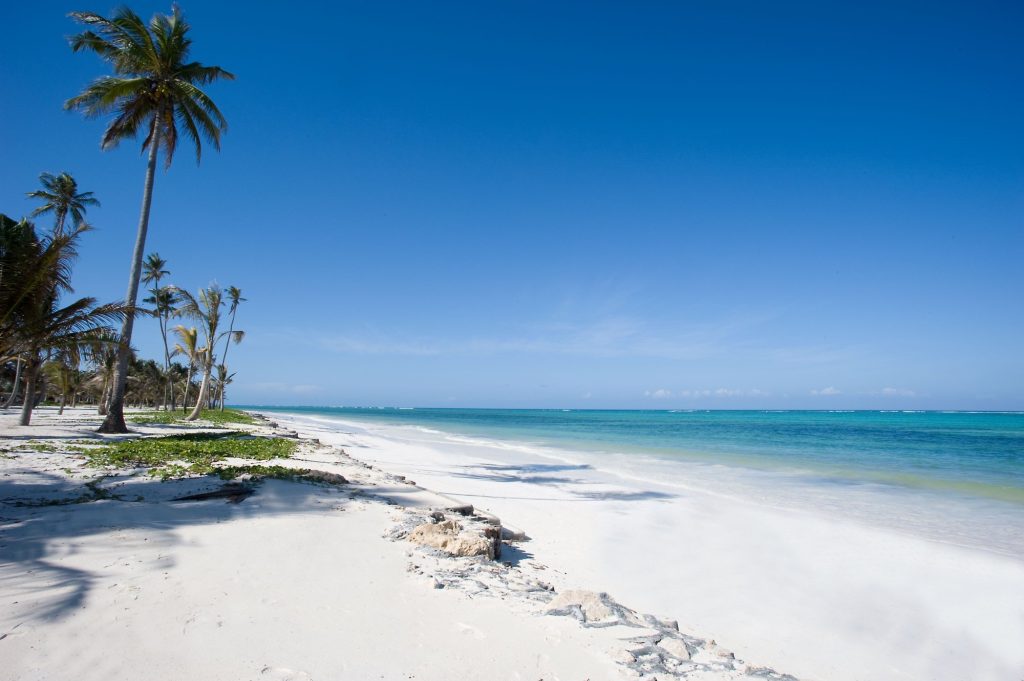
Nungwi and Kendwa face north-west and sit off the main reef flat, so the sea is swimmable at any state of the tide and the sunsets are over water. Matemwe faces east onto the reef, with a wide lagoon that empties at low tide — you walk out over sand and seagrass with the village women collecting seaweed — and Mnemba atoll a short boat ride offshore. Tell us which you want and we will build the four nights around it.
Meals
Breakfast · Dinner
Travel
Stone Town to the north-east coast · ~60 km · about 1½ hrs
Highlight
A morning in the lanes, an afternoon on the sand
Stone Town walking tour
Nungwi or Matemwe
First swim
Where you sleep
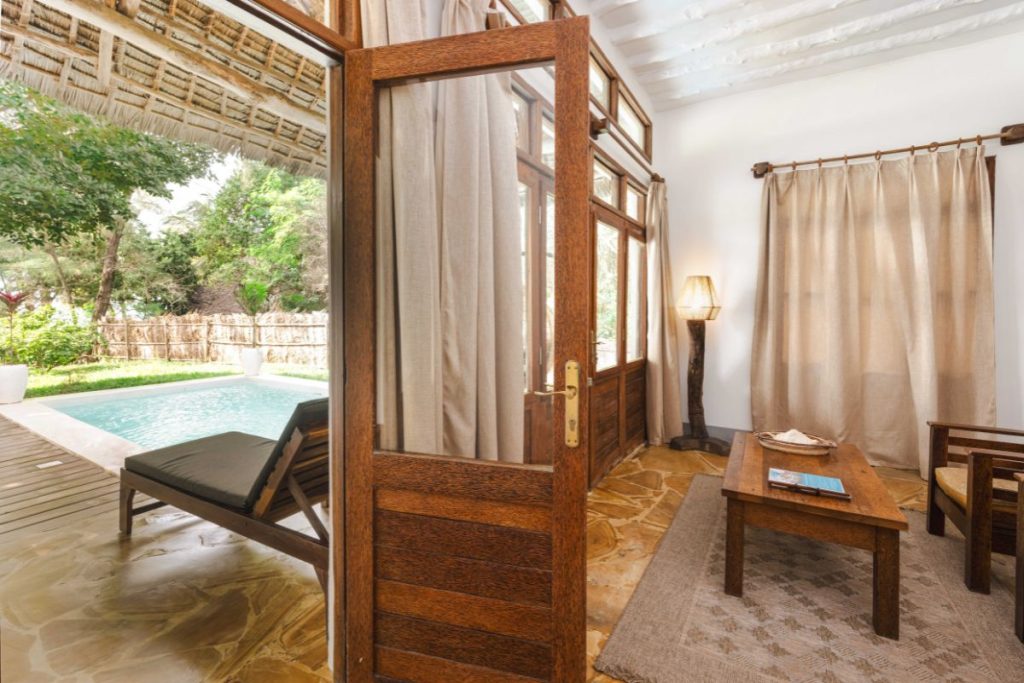
Pongwe Beach Hotel: View from the suites
COMFORT

Pongwe Beach Hotel

★★★★☆
North-east coast, small beachfront hotel
A dozen or so rooms on the sand, a pool for the low-tide hours, and a restaurant that serves what came off the boats that morning.
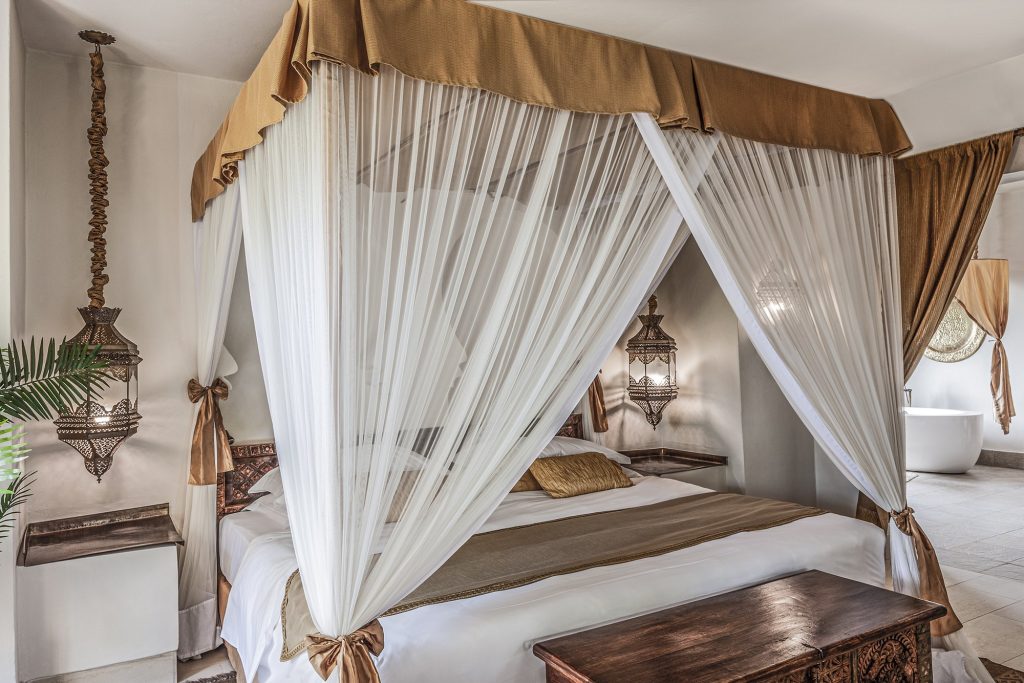
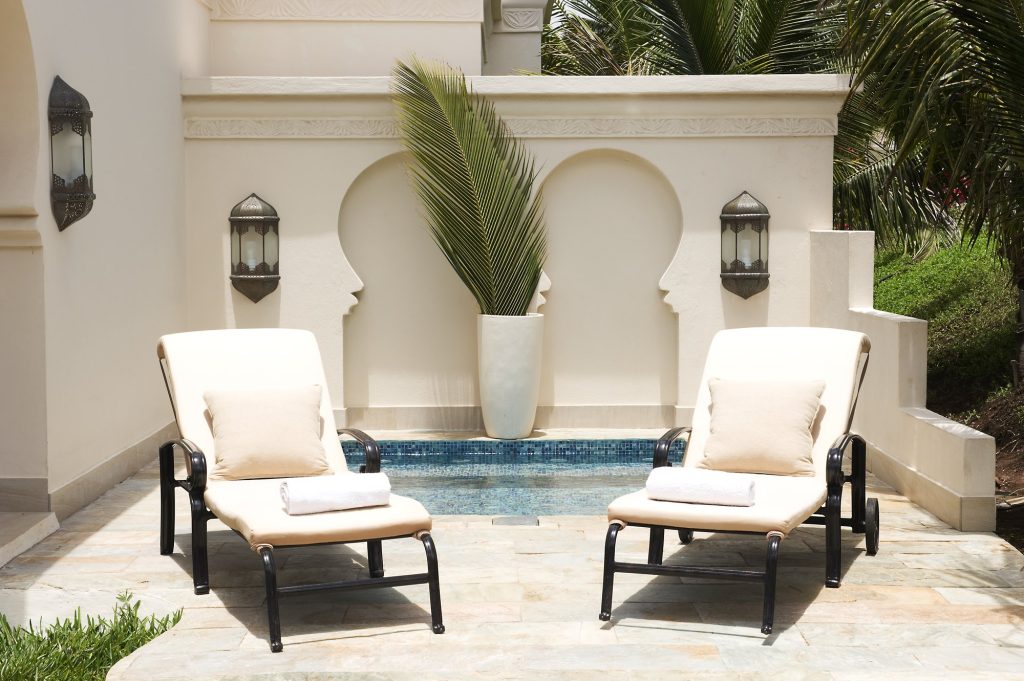
Baraza Resort & Spa Zanzibar, Tanzania
LUXURY

Baraza Resort & Spa Zanzibar

★★★★★
North-east coast, beachfront resort
Villas set back among the palms with private plunge pools, a dive centre on site and Mnemba within reach by boat.
A dhow on the Indian Ocean at low tide
Doing nothing, and doing it properly
05°44′S 39°18′E
This is the first day of the trip with nothing at all in it, and the argument for putting the beach at the end is this day. Six nights of five o’clock starts have accumulated. You will sleep until the light wakes you, and you will not feel guilty about it because there is no vehicle waiting.
The water on this coast is warm — 26 to 29 °C through the year — and the reef flat keeps it flat. What changes the shape of the day is the tide, which on the east coast moves the sea out by several hundred metres twice a day. Your hotel will have the tide table; swim on the high, walk the flats on the low. On the north coast at Nungwi and Kendwa the drop-off is closer in and you can swim whenever you like.
If you want something to do, the boats go out to the reef and the hotels arrange snorkelling from the beach. But the honest advice for day 8 is to do none of it. The sea will be there tomorrow.
Meals
Breakfast · Dinner
Travel
No transfer
Highlight
The first day with no alarm since you landed
No alarm
Tide table
Warm water, 26–29 °C
Where you sleep
Pongwe Beach Hotel: Sea View Suite
COMFORT

Pongwe Beach Hotel

★★★★☆
North-east coast, small beachfront hotel
Second night, same room. Nobody is packing anything.
Baraza Resort & Spa Zanzibar, Tanzania
LUXURY

Baraza Resort & Spa Zanzibar

★★★★★
North-east coast, beachfront resort
Second night. The spa is the usual use of a day like this.
Dhows moored off a white-sand beach on Zanzibar
Mnemba, the reef, or a dhow at sunset
05°49′S 39°23′E
Mnemba is a sand island inside a coral atoll a few kilometres off the north-east coast, and the marine conservation area around it holds the clearest water and the most fish on Zanzibar. The island itself is private and you cannot land; the reef around it is where the boats go, and it is the one excursion here that is worth getting up for.
From Matemwe it is a short crossing; from Nungwi the boat runs round the northern tip and takes longer. Bottlenose dolphins are often seen on the way and cannot be promised. Neither can the sea: the south-east monsoon, the kusi, blows from June to September and on rough days the boats stay in. A dive centre on the coast will take certified divers to the outer wall of the atoll on the same trip.
The other version of this day is a sunset dhow — a traditional lateen-rigged boat, an hour or two along the coast with the sails up, which is the photograph everyone takes of Zanzibar and is better in person. It works from the north coast, where the sun sets over the sea, and not from the east coast, where it sets behind you over the land.
Meals
Breakfast · Dinner
Travel
Boat to Mnemba atoll · about 30–45 mins from Matemwe, longer from Nungwi
Highlight
The best snorkelling on the island, if the sea allows
Mnemba atoll
Snorkel or dive
Sunset dhow
Where you sleep
Sea-view pool at Pongwe Beach Hotel
COMFORT

Pongwe Beach Hotel

★★★★☆
North-east coast, small beachfront hotel
Third night. The kitchen will grill whatever the boat brought back.
Baraza Resort & Spa Zanzibar, Tanzania
LUXURY

Baraza Resort & Spa Zanzibar

★★★★★
North-east coast, beachfront resort
Third night, with dinner set out on the beach if you ask.
A lane in Stone Town
A last full day on the coast
05°44′S 39°18′E
The last full day, and by now you have found the rhythm of the tide and know which hours belong to the sea and which to the shade. Most guests spend it exactly as they spent day 8, and that is the right call.
If you want one more thing from the island, a spice farm is the one to choose. Zanzibar’s plantations — clove, nutmeg, cinnamon, vanilla, black pepper, cardamom — are what the island was built on and what the town smells of, and a morning walking through one with someone who knows what a nutmeg looks like on the tree is a better use of three hours than another boat. The farms are inland on the road back towards Stone Town, so it can also be done tomorrow on the way to the airport if your flight is late enough.
Otherwise: the east-coast flats at low tide, where the village seaweed farms are laid out in rows on the sand and the women who work them will sell you a bag of it dried; a last swim on the high; and a long dinner with nothing to get up for except a flight.
Meals
Breakfast · Dinner
Travel
No transfer
Highlight
Spice farm, seaweed flats, or the sunbed
Spice farm
Seaweed farms at low tide
Last dinner on the sand
Where you sleep
Pongwe Beach Hotel: Beachfront Room
COMFORT

Pongwe Beach Hotel

★★★★☆
North-east coast, small beachfront hotel
Fourth and last night.
Baraza Resort & Spa Zanzibar, Tanzania
LUXURY

Baraza Resort & Spa Zanzibar

★★★★★
North-east coast, beachfront resort
Fourth and last night. Late check-out is usually possible on request if the flight is an evening one.
Dhows moored off a white-sand beach on Zanzibar
Out from Zanzibar
06°13′S 39°13′E
Breakfast, a final swim if the tide is in, and the drive south to the airport. Allow an hour and a half for the road and be at the airport two hours before an international departure; Zanzibar’s terminal is small and the check-in queues move slowly.
Most long-haul carriers now fly direct out of Zanzibar, so you do not need to go back through Kilimanjaro or Dar es Salaam. If your routing does connect through Dar, it is a twenty-minute hop and there are many flights a day. If your international flight is a late one, a spice farm on the way down is a better use of the morning than a hotel lobby.
You leave with two trips in one: the plains, the crater and the elephants in the first half of the week, and the sea in the second. This is the order they should go in, and by the time you are in the departure lounge you will know why.
Meals
Breakfast
Travel
North-east coast to Zanzibar airport · ~60 km · about 1½ hrs
Highlight
A last swim, then the airport
Airport transfer
Direct flights from Zanzibar
Departure
Where you sleep
Departure day — no overnight
III · Rates

What it costs, by group size

A safari gets cheaper per person as the vehicle fills. Choose a tier to see the table.
Comfort rates by group size, per person and group total
Group sizeRoomsPer personGroup total
1 guest1 room$8,580$8,580
2 guests1 room$6,190$12,380
3 guests2 rooms$6,240$18,720
4 guests2 rooms$5,620$22,480
5 guests3 rooms$5,770$28,850
6+ guests3 rooms$5,440$32,640
Single supplement
$1,280
Added when a guest does not share a room
Child, 3 – 11 years
30% off
Sharing with two adults
Peak season uplift
Included in the rates above
July – September, and the festive weeks
All figures in US dollars, per person sharing unless stated. Valid for travel until 30 June 2027. Park fees, guiding, vehicle, accommodation and full board are included — see what is and is not covered below.
IV · Included

What is in the price, and what is not

Stated in full, both ways.

What is included

What is not

V · Add-ons

Worth adding, if you have the days

Priced separately and arranged on request.
A balloon above the migrating herds
Day 5 · Seronera · at dawn

Balloon over the Serengeti

An hour over the plains at first light, landing to a breakfast set out in the grass. Weather-dependent, minimum age seven, and booked months ahead in the high season.
USD 750 per person
A safari tent at night
Between days 2 and 3 · adds a day

A second night in Tarangire

One night in Tarangire is the compromise this route makes for the beach. A second buys a full day on the southern swamp circuit and a night drive, which is permitted here and nowhere else on the route.
USD 900 per person, for 2 guests
Dhows moored off a white-sand beach on Zanzibar
Day 9 · by boat

Mnemba atoll, snorkel or dive

The clearest water on the island and a resident population of dolphins that are often seen and never guaranteed. The sea decides; in the June to September monsoon some days the boats stay in.
USD 140 per person
Dhows moored off a white-sand beach on Zanzibar
Day 10 or 11 · half day

Spice farm and Jozani forest

The plantations the island was built on, and the only forest on Zanzibar where the red colobus monkey — found nowhere else on earth — is reliably seen at close range.
USD 90 per person
VI · The ground, and the island

Where this itinerary takes you

Three parks on the northern circuit, then an island forty kilometres off the mainland.
An elephant beside a baobab in Tarangire

Tarangire National Park

2,850 square kilometres along a single permanent river. In the dry months the river holds the densest elephant population in northern Tanzania, and the park is the one on this route where night drives are permitted.
Wildebeest in the Ngorongoro Crater

Ngorongoro Crater

The largest intact volcanic caldera in the world, nineteen kilometres across, six hundred metres deep, and the most reliable place in Tanzania to see black rhino. A six-hour limit on the floor makes it a morning, not a day.
Dawn over the Serengeti

Serengeti National Park

14,750 square kilometres of plain, kopje and riverine forest. The Seronera valley in the centre holds water all year and resident lion, leopard and cheetah whether or not the migration is anywhere near.
Dhows moored off a white-sand beach on Zanzibar

Zanzibar

An island of about 1,660 square kilometres, forty kilometres off the mainland. Stone Town on the west coast is a UNESCO World Heritage Site; the north and east coasts hold the beaches, with a fringing reef and Mnemba atoll offshore.
The question everyone asks

Why safari first, and the beach after?

05:30
The usual safari start. Six of them in a row, then none.
The question we are asked most about this trip is whether it can be run the other way round — Zanzibar first to recover from the flight, then the safari. It can, and we will build it if you insist, but we will say first why we do not recommend it.
A safari is work. Not hard work, but early starts, dust, long hours in a vehicle and a level of attention that surprises people. It leaves you happily tired. A beach is what tired is for. Put the sea at the end and the four coast nights do a job; put it at the start and you arrive on the plains rested, leave them worn out, and go home from a Serengeti airstrip needing a holiday. There is also a practical reason: the flight from Seronera to Zanzibar runs via Arusha in the morning and lands you on the coast the same afternoon, while the reverse — Zanzibar to a Serengeti camp — loses most of a day to connections.
VII · Season

The best time to travel

Two windows that suit both halves, and the months that suit neither.
June to September is the long dry season on the safari side and the most popular time to come. Game concentrates at rivers and pools, the grass is low, and the northern Serengeti holds the migration. On Zanzibar these are the cooler, drier months, but the south-east monsoon blows through them and the east coast can be windy — boats to Mnemba are sometimes cancelled, and the north coast is the calmer choice.
December to February is the second window. The southern Serengeti plains hold the calving, there are fewer vehicles than in August, and Zanzibar is hot, still and clear — the best sea conditions of the year, with the north-east monsoon light on the water. It is also the more humid time on the coast.
October and November are transitional: the short rains arrive as brief afternoon storms, the landscape turns green, and rates drop on both halves. It is an underrated time if you do not mind the odd downpour, and the sea is usually good.
April and May are the long rains, and we will tell you plainly that this is not the time for this route. Serengeti tracks become difficult, some camps close, and on Zanzibar it rains hard for days at a stretch and a number of the beach hotels shut. If these are the only weeks you have, we would rather build you something different than sell you this.
VIII · Flights

Getting there and back

Into Kilimanjaro International, out of Zanzibar. Ask your airline for an open-jaw ticket.
Fly into Kilimanjaro International (JRO), fifty kilometres from Arusha, and out of Zanzibar (ZNZ). It is an open-jaw ticket — into one airport, home from another — and most airlines price it the same as a return, so ask for it specifically rather than accepting a return to JRO.
Arrive the day before if you can. Long-haul flights into JRO tend to land in the evening, and day 2 is a full park day. A second night in Arusha at the front of the trip protects it if a bag goes missing.
The internal flight on day 6 leaves the Seronera airstrip in the morning, stops at Arusha, and lands at Zanzibar early afternoon; around two to three hours in total. Luggage is limited to 15 kilograms per person in soft bags on these aircraft, which is why we ask you to repack on day 1.
Tanzania requires a visa for most passports — USD 50, or USD 100 for United States citizens, valid up to 90 days and covering Zanzibar. Apply online in advance rather than on arrival. Zanzibar also charges its own arrival fees and a per-night infrastructure tax; we will tell you the current figures when we quote.
IX · Other costs

What else you will spend

Visas, Zanzibar’s own fees, insurance, tips and lunches on the coast — set out so there is no surprise on the ground.
Tanzania issues a tourist visa online (eVisa) or on arrival at Kilimanjaro. Applying in advance is faster and avoids the queue at immigration. The same visa covers Zanzibar — you do not need a second one for the island.
Zanzibar has, since 2024, required arriving visitors to hold its own inbound travel insurance, bought on arrival or online for USD 44, in addition to your own policy. Check the rule is still in force before you fly; it changes.
We ask every guest to travel insured. Medical cover and evacuation are the parts that matter — the nearest hospital to the Serengeti is a flight away, not a drive.
Check that your policy covers safari activity and anything you add on the coast. Scuba diving is excluded by many standard policies unless you ask for it, and balloon flights by some.
Tipping is customary in Tanzania and it is genuinely optional. Your safari guide is tipped once, at the Seronera airstrip on day 6, because you will not see him again — have the cash ready before you leave camp that morning.
On Zanzibar the hotels run a shared staff box, and the boat crews and walking guides are tipped separately and modestly.
Drinking water in the vehicle is included throughout the safari. On Zanzibar the hotels are half board — breakfast and dinner — so lunch is yours, and it is cheap and good: grilled fish on the beach at a village restaurant is a few dollars.
Souvenirs, curio stalls, laundry, spices from the farms, and anything you forgot to pack. Cash in small US dollar notes is more useful than a card on safari; on Zanzibar cards work at the hotels and almost nowhere else, and there are ATMs in Stone Town and few on the coast.
Notes dated before 2009 are refused across Tanzania. Bring newer ones.
X · Why us

Why book this with us

01

Arusha-based, and Tanzanian-owned

We are not a booking agent forwarding you to an operator. The vehicles, the guides and the office are ours, in Arusha, and the Zanzibar half is booked by the same people who ran the safari, so nothing falls between two companies.
02

We will argue for the order

Safari first, beach after. We have run it both ways and we know which one guests come home from happier, and we will say so before you book rather than after.
03

One flight, not a day on the road

The Serengeti-to-Zanzibar hop via Arusha puts you on the coast the same afternoon you left camp. The alternative costs a night and a long drive, and we do not sell it unless you ask.
04

We will tell you not to come in April

There are weeks when neither half of this route is worth doing, and we would rather move you or lose the booking than take money for a trip we know will disappoint.
XI · Questions

Frequently asked

What guests ask before booking a safari and beach trip.
The rate depends on your group size and which accommodation tier you choose, and it moves with the season — the beach hotels have their own peak weeks over Christmas and August. The table above sets out the per-person price for every group size from one to six. Our rates for this itinerary are set out in the table above — ask us and we will quote for your exact dates rather than give you a range.
Because a safari is tiring in a way people underestimate — six early starts in a row — and a beach is what tiring is for. Done the other way round you go home from a Serengeti airstrip needing a holiday. The flight timings also favour this order: Seronera to Zanzibar is a same-day morning hop, and the reverse loses most of a day. We have written more about this in why the order matters.
By light aircraft from the Seronera airstrip, via Arusha, landing at Zanzibar early afternoon; around two to three hours in total with the stop. The flight is included. Luggage is 15 kilograms per person in soft bags, and exact departure times are confirmed with your booking for your dates, since the schedule changes with the season.
Nungwi and Kendwa, at the northern tip, are swimmable at any tide and have sunsets over the sea; they are also the busiest part of the island. Matemwe, on the north-east coast, faces the reef with a lagoon that empties at low tide, is quieter, and is the closest point to Mnemba atoll for snorkelling. Tell us which matters more — swimming whenever you like, or quiet and the reef — and we will place you accordingly. See our Zanzibar page for the coasts in detail.
It depends on the month. This route sits at Seronera in the central Serengeti, which the herds pass through in roughly May to early July heading north and again in November to December heading south. From late July to September they are in the far north, a long day’s drive away, and this itinerary does not go there. What Seronera has in every month is resident lion, leopard and cheetah. No honest operator will promise a crossing on a given day.
Usually, but not always. The south-east monsoon blows from June to September and the east coast can be windy, with boat trips to Mnemba occasionally cancelled. The north coast is more sheltered in these months. December to February is the stillest and clearest water of the year. April and May are wet and we do not recommend them for this route.
Yes, and the beach at the end is a large part of why families choose it. It is a private safari, so the day runs to your clock. We apply a minimum age of six on the safari half; the balloon flight has a minimum of seven; some luxury camps set twelve. Child rates are 30% below the adult rate for children sharing with two adults.
15 kilograms per person, soft bags only, on the light aircraft from the Serengeti. Hard suitcases are not accepted. If you are travelling with more, tell us before you book — bags can be sent ahead by road to Arusha or held there, and the arrangements and any cost are confirmed when you book.
Yes. This is a private trip and the route is a starting point. A second night in Tarangire, a night at Ndutu in the calving season, an extra beach night, or Pemba instead of Zanzibar are all normal requests, and we will tell you plainly what each one costs in days elsewhere.
XII · Your trip

Request your personalised safari proposal

Tell us how you like to travel and we will put together a personalised proposal for this route — dates, camps and a firm price per person. No payment is required at this stage.

No payment is required at this stage. We reply by email and WhatsApp within one working day.

Serengeti to Zanzibar, bush then beach

11
Days
10
Nights
3
Parks
4
Beach nights
Starts
Arusha, Tanzania
Ends
Zanzibar, Tanzania
Departures
Daily — a private safari on the dates you choose
Availability
Open all year, subject to lodge space
From
from$5,440/pp
Per person, sharing
Private safari · internal flight included · we reply within one working day
from $5,440 / person
Loading itinerary…
Saved Trips