Almost every guest who combines a safari with a beach stop in Tanzania asks the same question sooner or later: which end of the trip should the ocean be on? We run it safari first, beach second, on every itinerary we build, and we will talk you out of the other order if you ask us for it.
The reason is not tradition. It comes down to what a safari day actually costs your body, what the coast is good for, and how the two work — or do not — placed either side of each other. What follows is that argument, plainly, along with how many nights the coast needs and which island to add.
The short answer
Run a Tanzania bush-and-beach trip safari first, beach second. Early starts and dust use up the kind of rest a beach stop provides; doing it the other way round spends that rest before you need it. Add at least three nights on the coast, four to five is typical, and choose Zanzibar for convenience or Pemba for quiet.
What a safari day actually demands
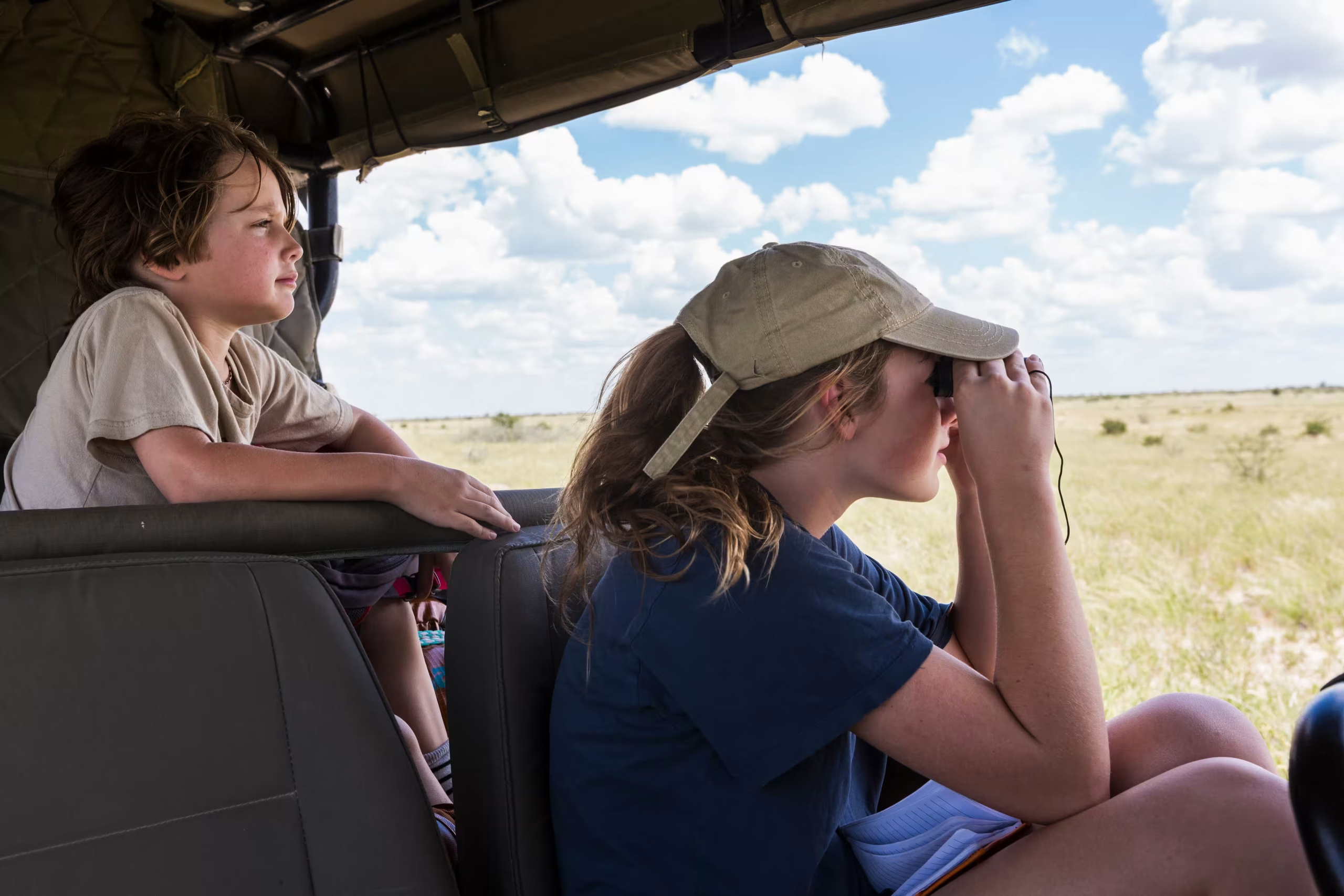
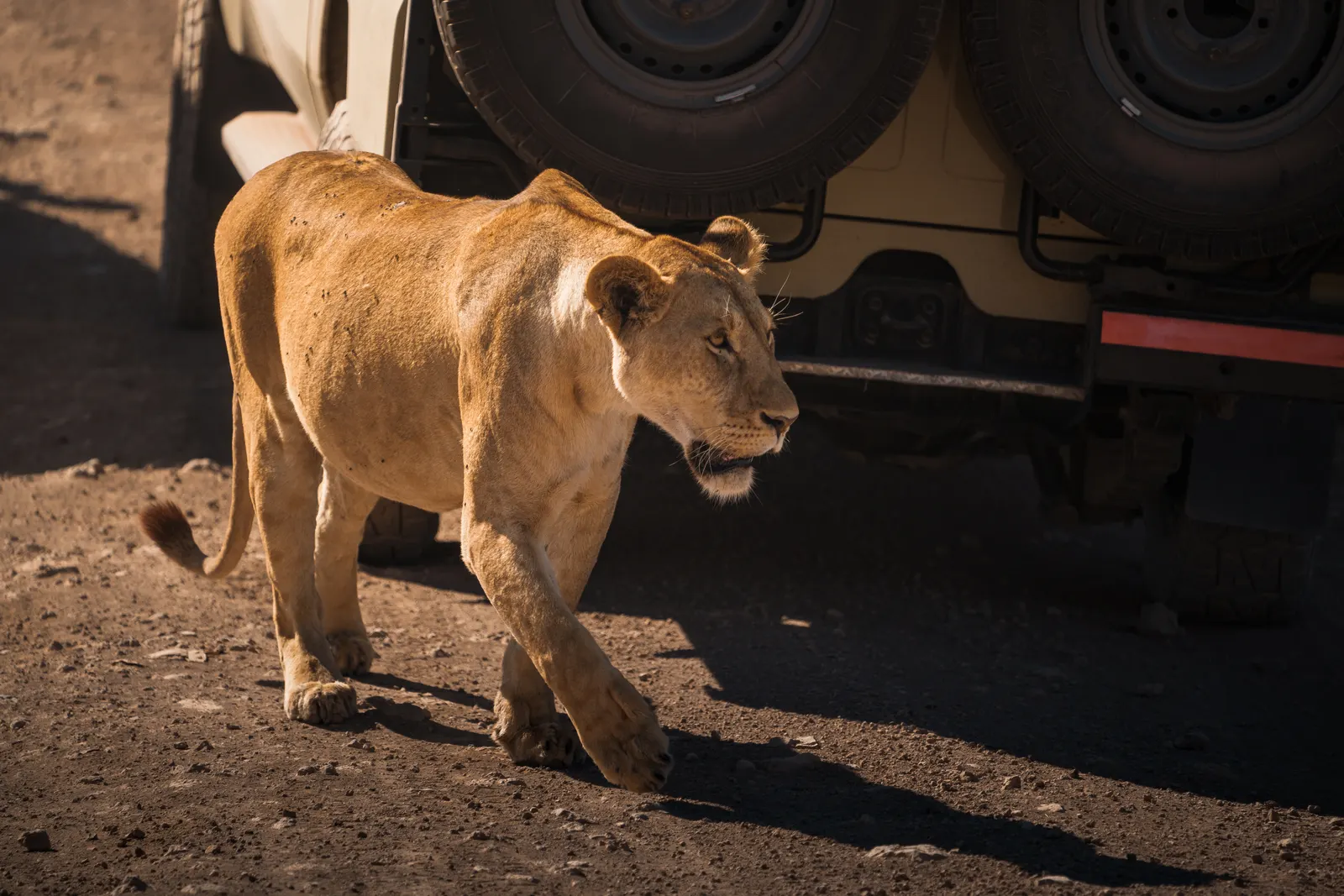
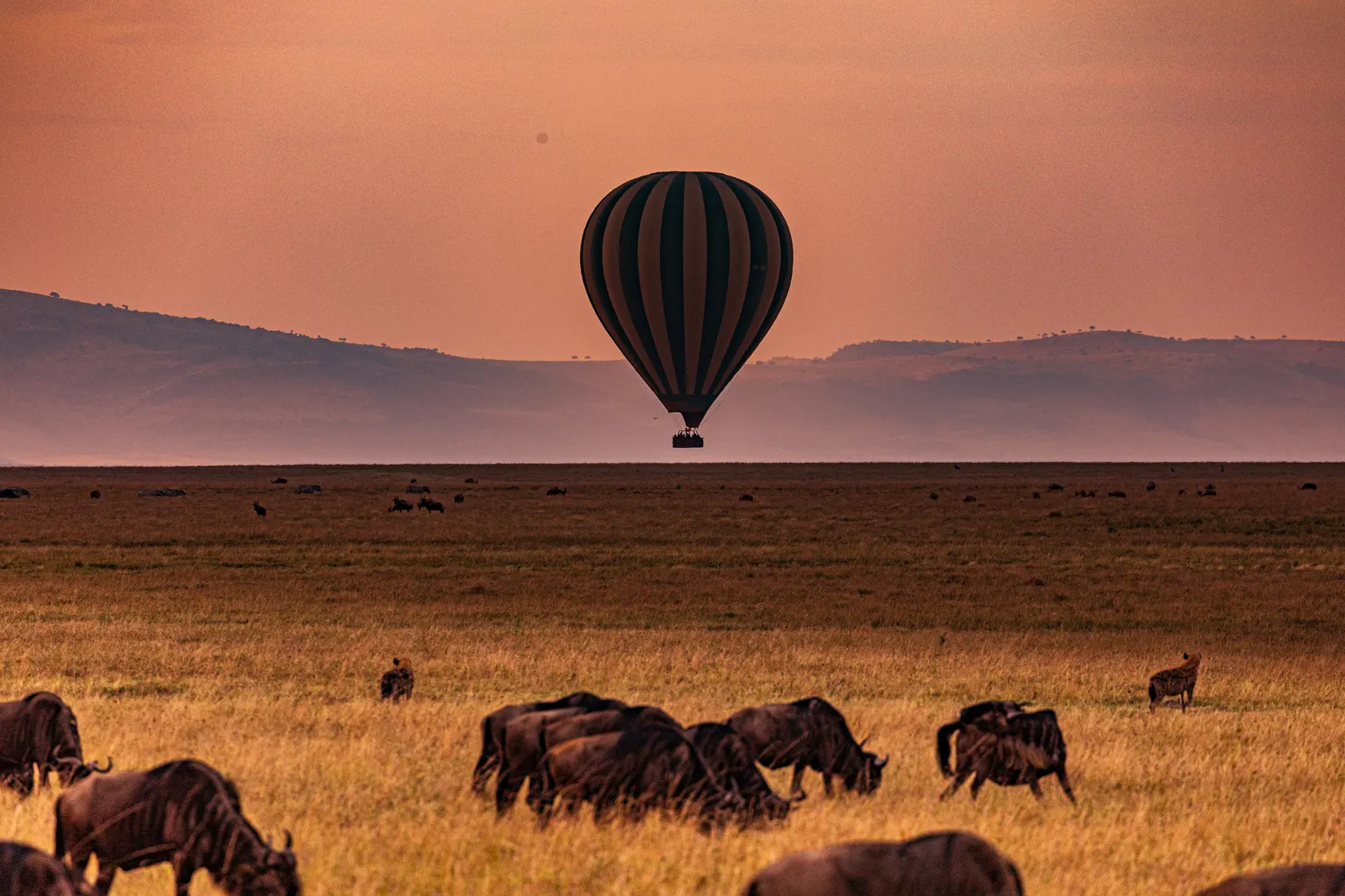
Game drives run early because animal activity is best at dawn, before the heat sends most of the bush to shade. Most lodges wake guests around 5:30, with a hot drink before a departure at or soon after 06:00, when the parks’ general driving hours open. A morning drive can run three or four hours over unsealed tracks, before a return to camp as the middle of the day gets hot and the sightings thin out, then a second drive from mid-afternoon to dusk.
None of that is extreme, but it is relentless in a low-key way: an early alarm every day, dust, sun, and on some days a long transfer drive between one park and the next rather than a game drive at all. Not every camp offers the plumbed hot water, reliable power or Wi-Fi of a town hotel, and a mobile camp may move location between your visits. Your body settles into a pattern fast — tired well before 9pm, awake well before the sun.
That rhythm is worth protecting rather than fighting against mid-trip. Four or five days in, the tiredness is cumulative rather than something a single lie-in fixes, and guests who try to layer a late night onto the middle of a safari tend to arrive at the best game drives running on too little sleep — one thing no operator or guide can fix for you once the vehicle leaves the gate.
Why the beach cannot come first
Putting Zanzibar or Pemba at the front of a trip resets that rhythm before you need it reset. Warm sea, later mornings, an afternoon doing nothing — exactly the pattern that makes the early safari starts that follow feel far harder than they actually are, because you arrive at the parks already adjusted to sleeping in rather than to a 5:30 alarm. It is a mismatch of body clocks in the wrong direction.
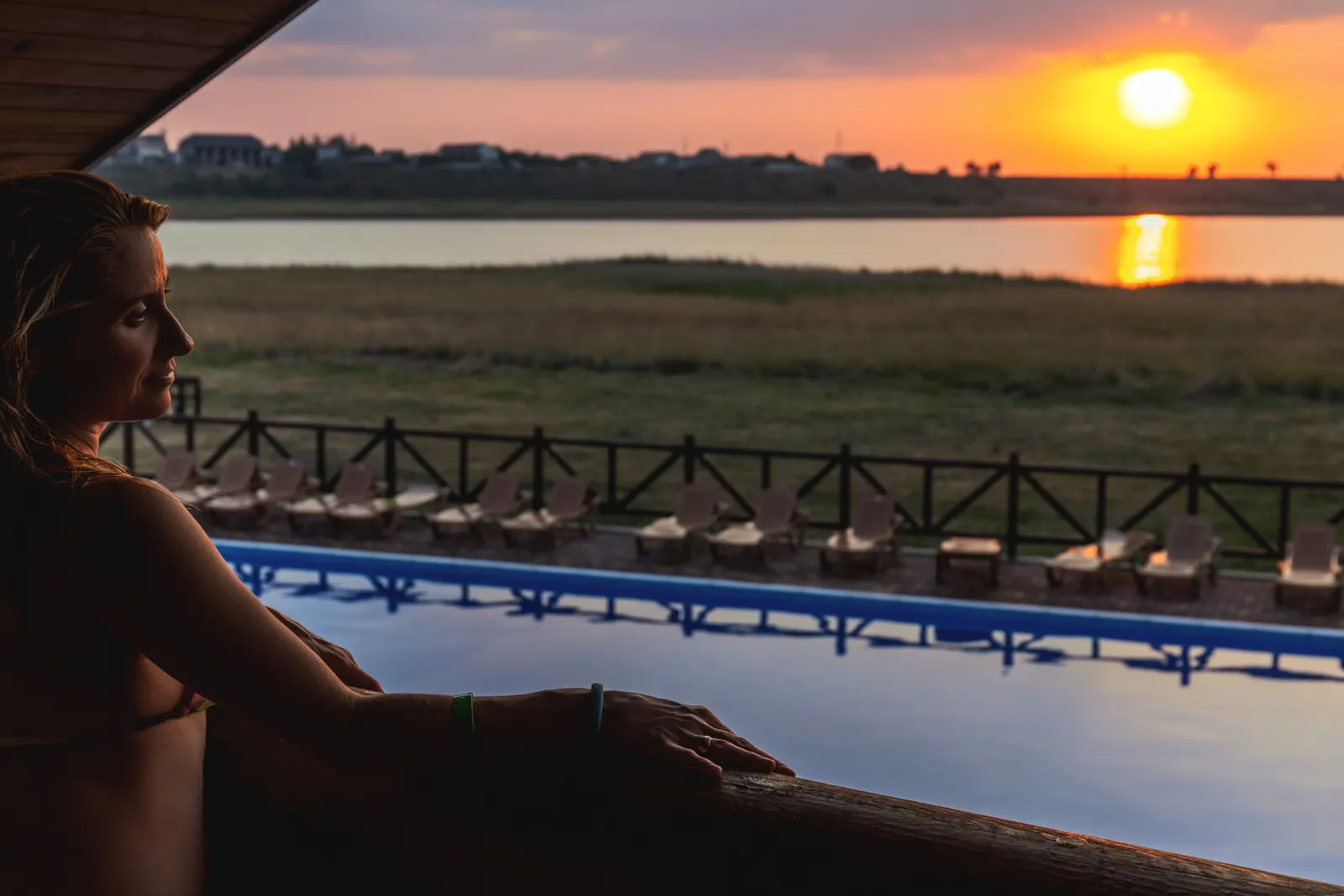
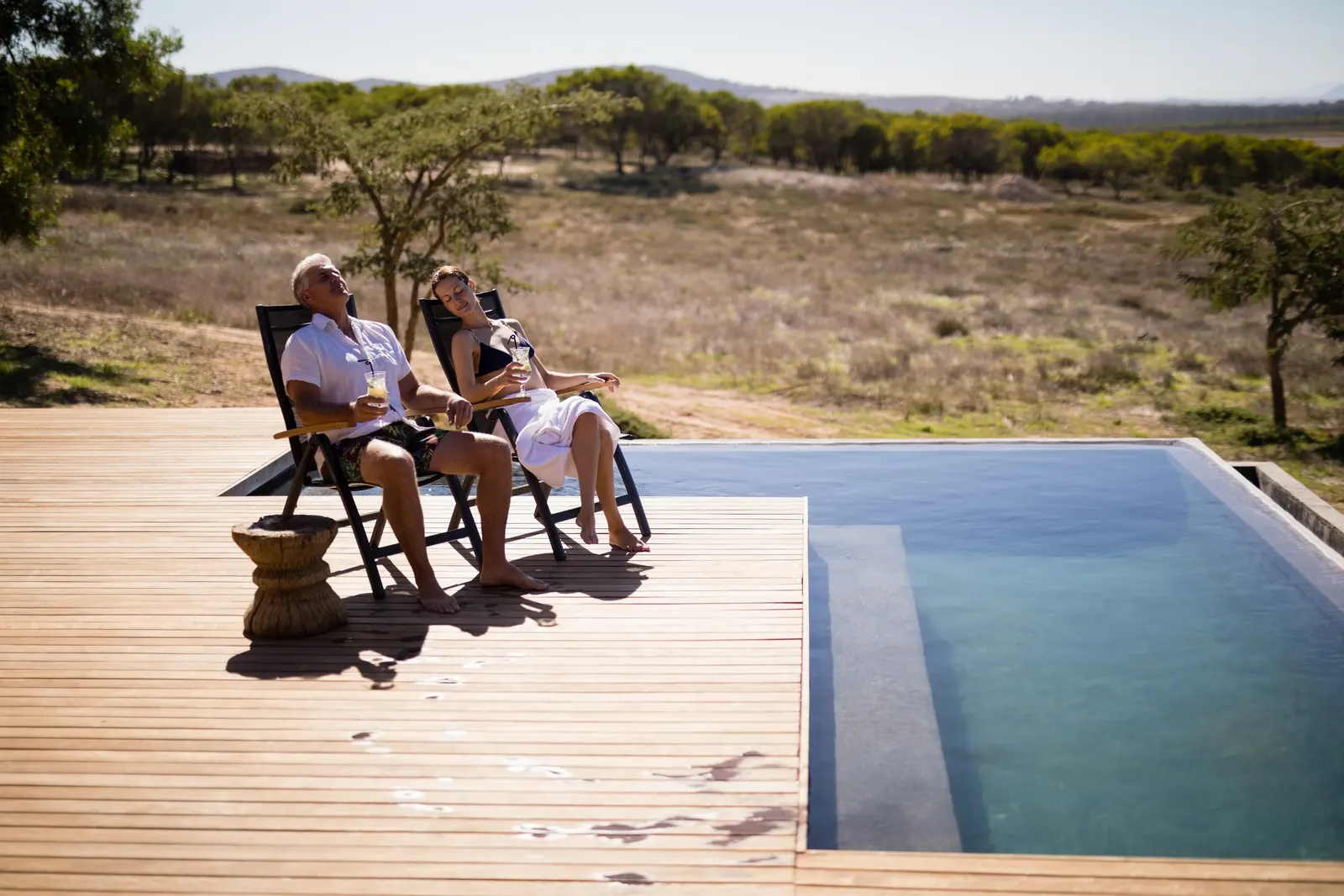
Run the other way, the logic works with you instead of against it: a body that has just done several days of pre-dawn starts and dusty vehicle time is genuinely ready to do nothing for a while, and appreciates it more for having earned it. The coast then functions as a reward for the trip so far, rather than a soft warm-up you then have to talk yourself out of a week later when the alarm goes off at 5:30 again.
There is a practical point too. Flights from the northern circuit to the coast are short and run daily — roughly an hour from Arusha, a little more from the Serengeti’s own airstrips — and the light aircraft that fly them enforce a 15kg soft-bag luggage limit rather than a normal airline allowance. You are packing for both climates in one soft bag from the start of the trip regardless of which end the beach sits on, so the order comes down to your own rhythm, not the logistics of getting there.
How many nights on the coast
Three nights is the functional minimum for the coast to feel like anything other than a stopover: one day to arrive and settle after the flight, one full day at the beach or on the water, and one spare before you fly home. Shorter than that and most of the stay is spent arriving, unpacking and repacking rather than actually resting.
Four to five nights is where most bush-and-beach itineraries actually land, long enough for one genuinely slow day, one half-day activity such as a spice farm or a morning in Stone Town, and still real idle time either side of it without the trip feeling rushed at either end. Our
Bush & Beach: Serengeti to Zanzibar journey runs four coast nights after six on safari for that reason, rather than splitting the time more evenly.
Longer stays of a week or more on the coast suit travellers who want a beach holiday with a safari attached, rather than the other way round — and Pemba over Zanzibar if quiet is the actual point, which is what our
Bush & Beach: the Quiet Coast journey is built around, at eleven nights on the coast side of the trip. There is no single correct number, only what the rest of the trip has already asked of you and how much of a beach holiday you actually want.
Zanzibar or Pemba, at a glance | Zanzibar | Pemba |
|---|
| Flights | Daily, several carriers | Fewer, often via Zanzibar |
|---|
| Lodges | Every budget | Fewer, mostly higher-end |
|---|
| Best for | Convenience, Stone Town, choice | Quiet, diving |
|---|
| Our journey | Serengeti to Zanzibar | The Quiet Coast |
|---|
Zanzibar or Pemba
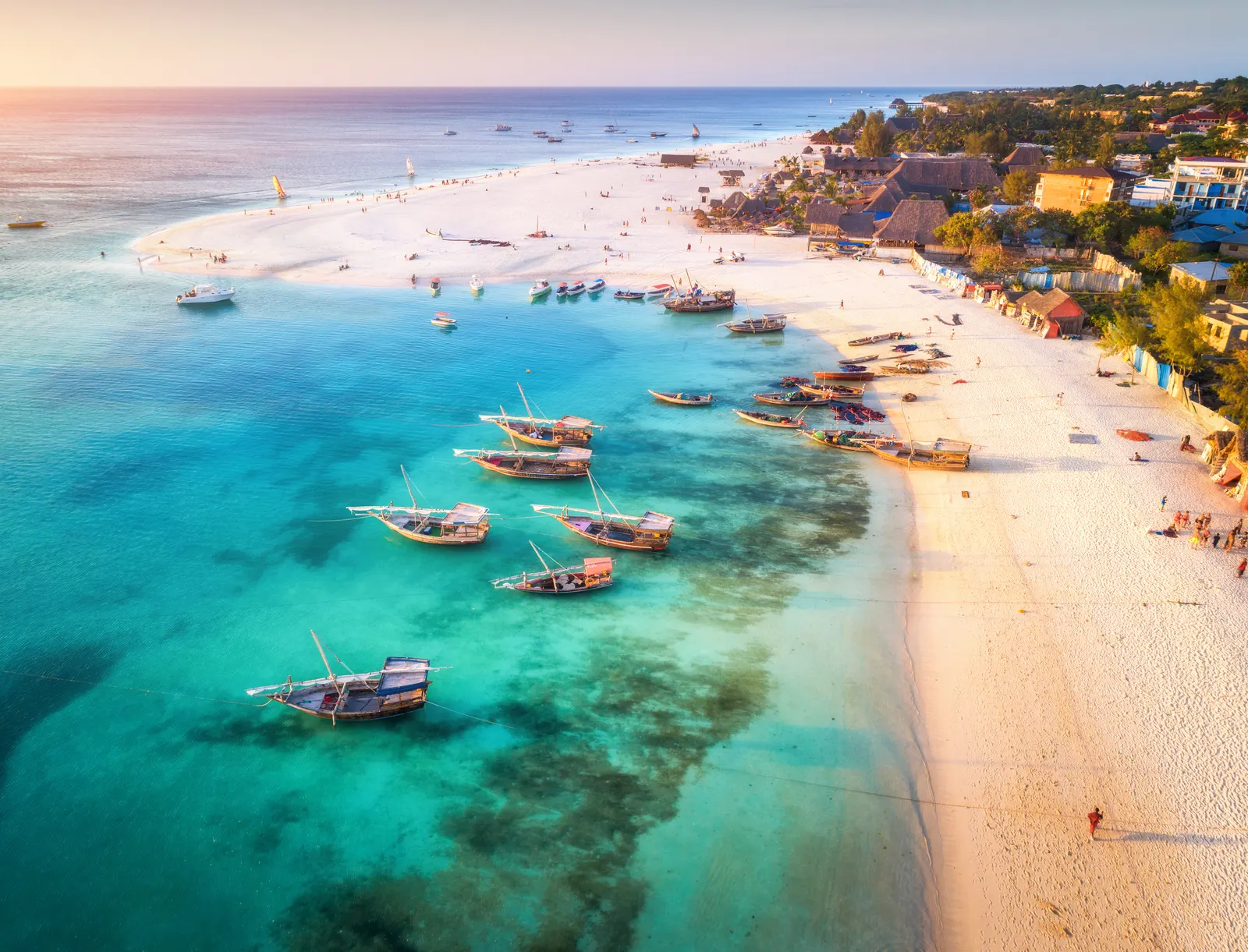
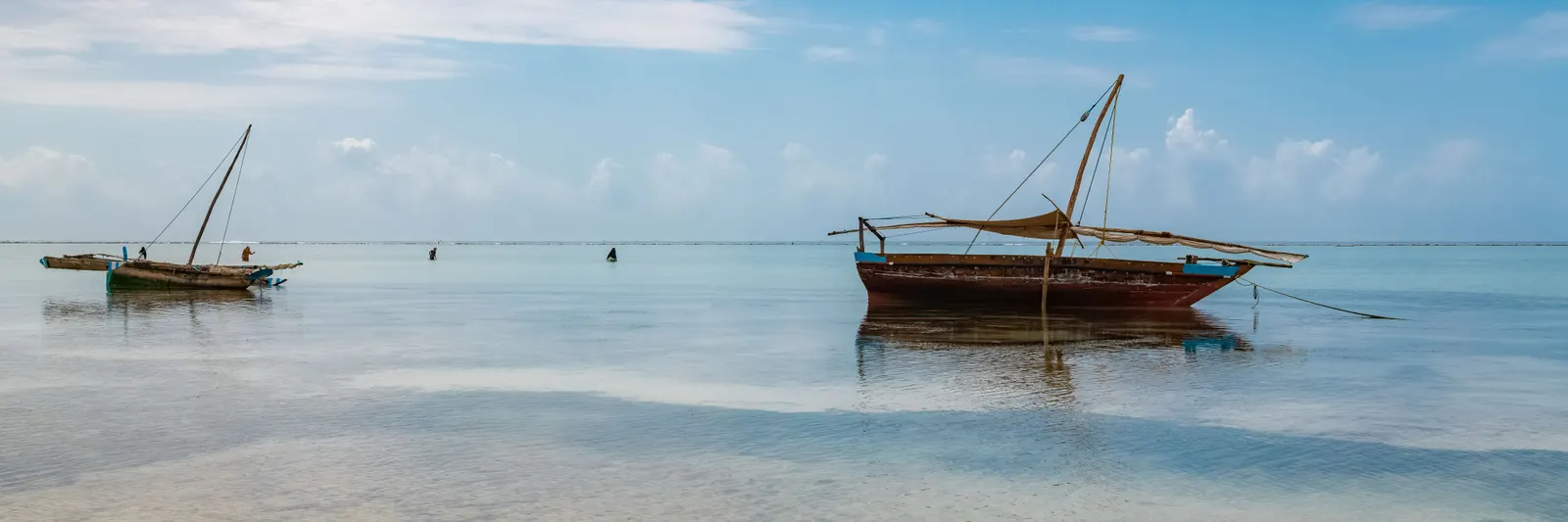
Zanzibar is the default for good reason: more flights a day, more lodges across every budget from simple guesthouses to five-star resorts, Stone Town’s history in one walkable place, and enough to do beyond the beach itself if the weather turns or a day off the sand appeals — see
Stone Town, before the beach for what that day actually looks like and why it belongs at the start of the coast leg rather than squeezed in on the way to the airport.
Pemba is the quieter, harder-to-reach alternative: fewer flights, fewer lodges and a narrower spread of prices, and diving generally rated ahead of Zanzibar’s for reef condition and lower crowding — at the cost of convenience and choice, and of the extra connection most routes there require. It suits travellers who have done an island add-on before and want less of it, not more, rather than a first-time coast stop.
A cheaper, shared route also exists: joining a scheduled transfer rather than booking a private one, which still covers Stone Town, a spice farm and the east-coast beaches on the same shared vehicles other guests are using that day. Our
Joining Zanzibar journey is built around exactly that. Whichever island, or that shared route, the order stays the same: safari first, coast after.
Questions people ask
Should you do the beach before or after safari in Tanzania?
Safari first, beach second. Early mornings and dust use up the kind of rest a beach stop provides, so putting the coast at the end lets it work as recovery rather than a soft start you then have to leave behind for 6am game drives.
How many days do you need in Zanzibar after a safari?
Three nights is the functional minimum — one to arrive and settle, one full beach day, one spare before you fly home. Four to five nights is where most bush-and-beach itineraries actually land.
Is Zanzibar or Pemba better to add to a safari?
Zanzibar for convenience: more flights, more lodges at every budget, and Stone Town’s history in one place. Pemba for quiet: fewer flights and lodges, but generally rated ahead of Zanzibar for reef condition and lower crowds.
How do you get from the Serengeti to Zanzibar?
By short scheduled flight, roughly an hour from Arusha and a little longer from the Serengeti’s own airstrips, on light aircraft that enforce a 15kg soft-bag luggage limit rather than the usual airline allowance.
What is the luggage limit flying from safari to Zanzibar?
15kg per person in a soft-sided bag is standard on the light aircraft used for this route. Hard-shell suitcases and wheeled bags are generally refused at check-in, so pack for both the bush and the coast in one soft bag from day one.
Can the beach come first and the safari after?
Nothing stops you physically, but it works against the trip’s own rhythm. It only makes sense if the beach genuinely matters to you more than the game drives do, and you are willing to arrive at early starts already tired.
Do you need to visit both Zanzibar and Pemba?
No. Most itineraries add one coast stop, not two. Splitting nights between both islands mostly adds travel days for limited benefit, unless the trip already runs two weeks or more.
Is Pemba worth the extra travel for diving?
If diving is the actual point, yes — its reefs are generally rated ahead of Zanzibar’s and see far fewer boats. If diving is incidental to a beach few days, Zanzibar’s convenience usually wins.
Travel it
Journeys built around this
Last updated 13 September 2026