Places of Africa Safaris

Calving Season 2027

Home/Find a Journey/Calving Season 2027

Calving season 2027

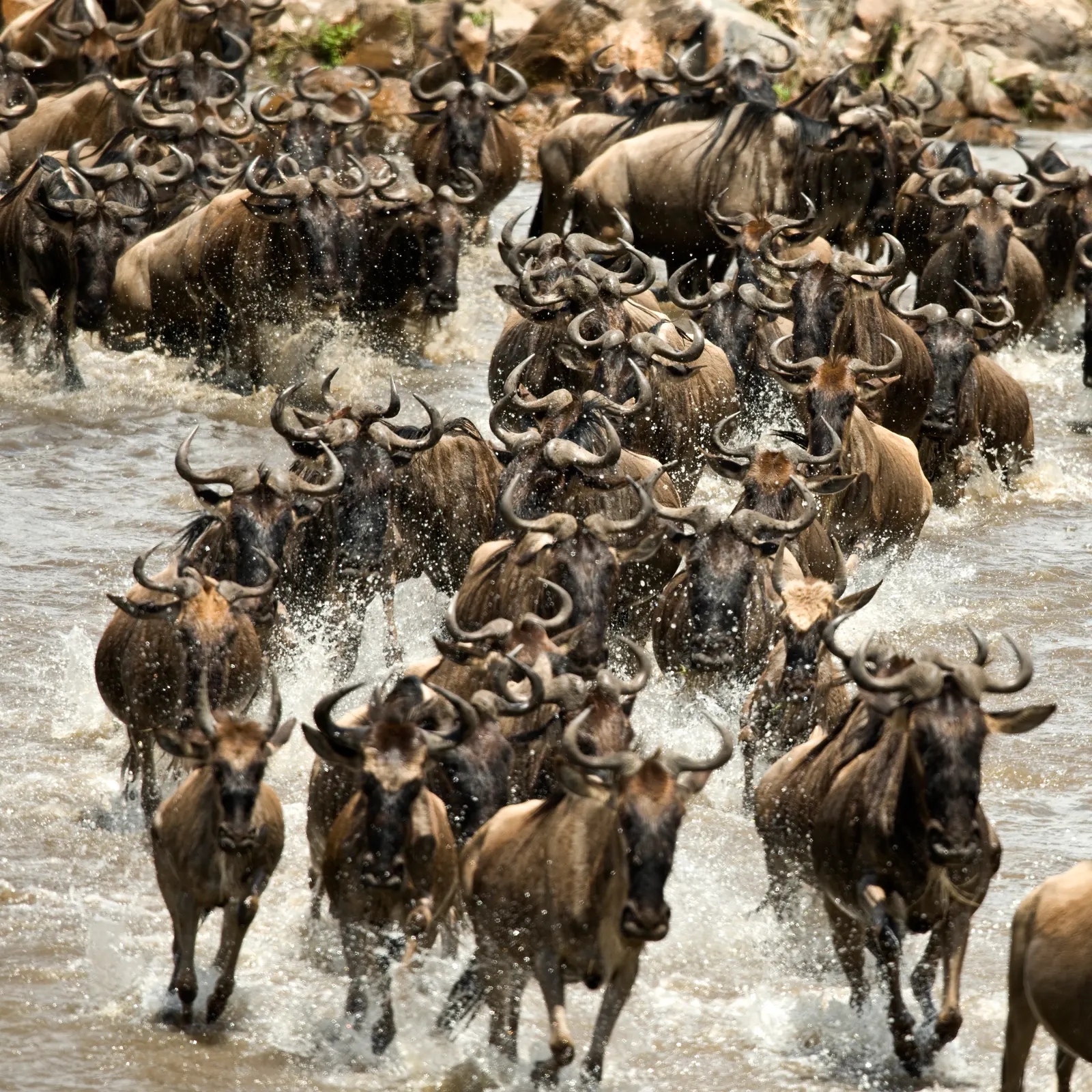
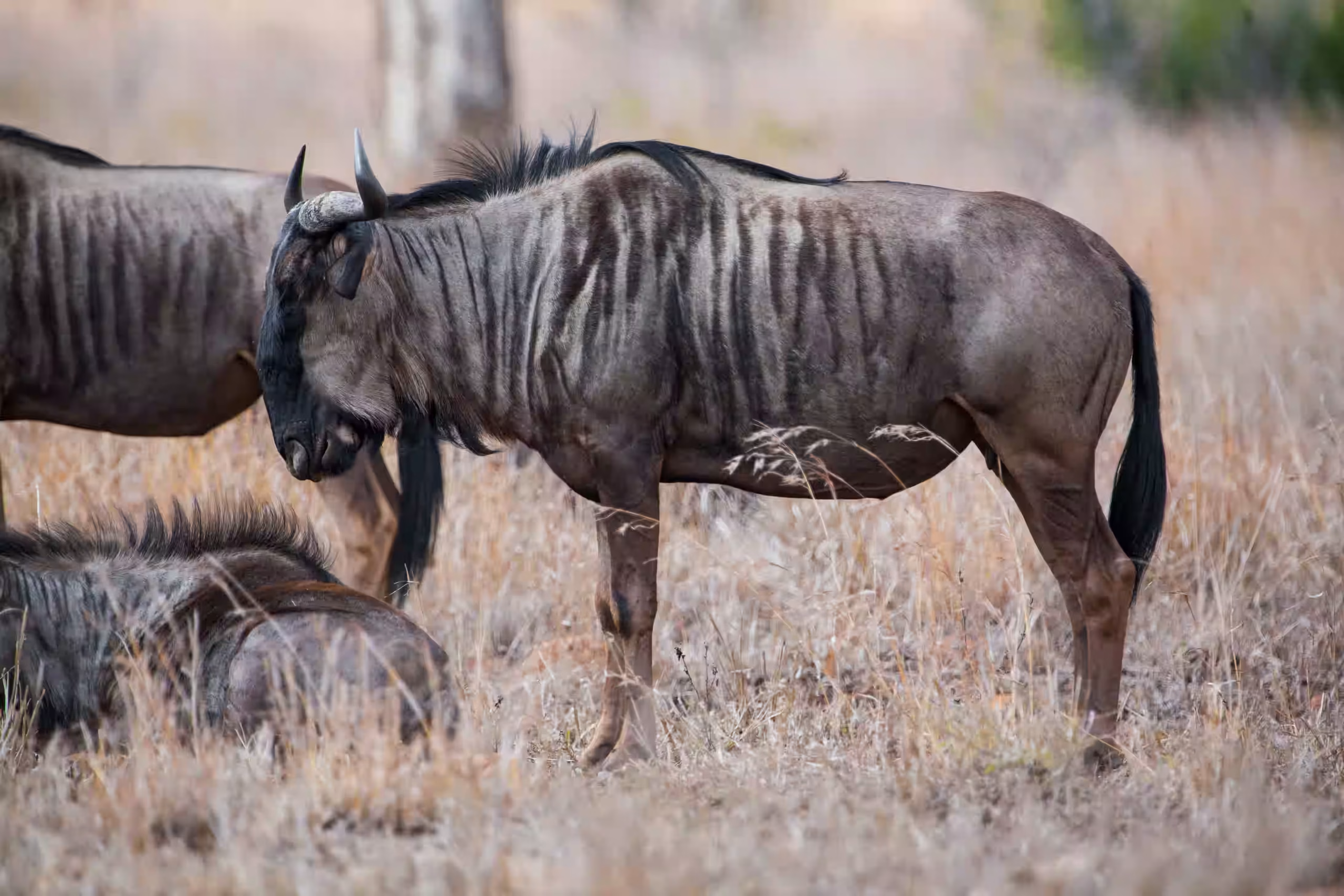
Roughly half a million calves born on the short-grass plains in a few weeks, and every predator within reach knowing the dates as well as we do.

Jan
Feb
Mar
Apr
May
Jun
Jul
Aug
Sep
Oct
Nov
Dec

COL-02 · Jan – Mar

What this window actually gives you

The crossings get the photographs. The calving gets the wildlife. If what you actually want is predators hunting, February on the southern plains beats August on the Mara and costs less.

JJan
FFeb
MMar
AApr
MMay
JJun
JJul
AAug
SSep
OOct
NNov
DDec

Game viewing

How reliably you see a lot, without luck.

Weather

Dry, clear and predictable, versus not.

Few vehicles

How much of a sighting you get to yourself.

Value

What the same itinerary costs against peak.

The case for it

Four reasons this window is different

Volume, in a very short window

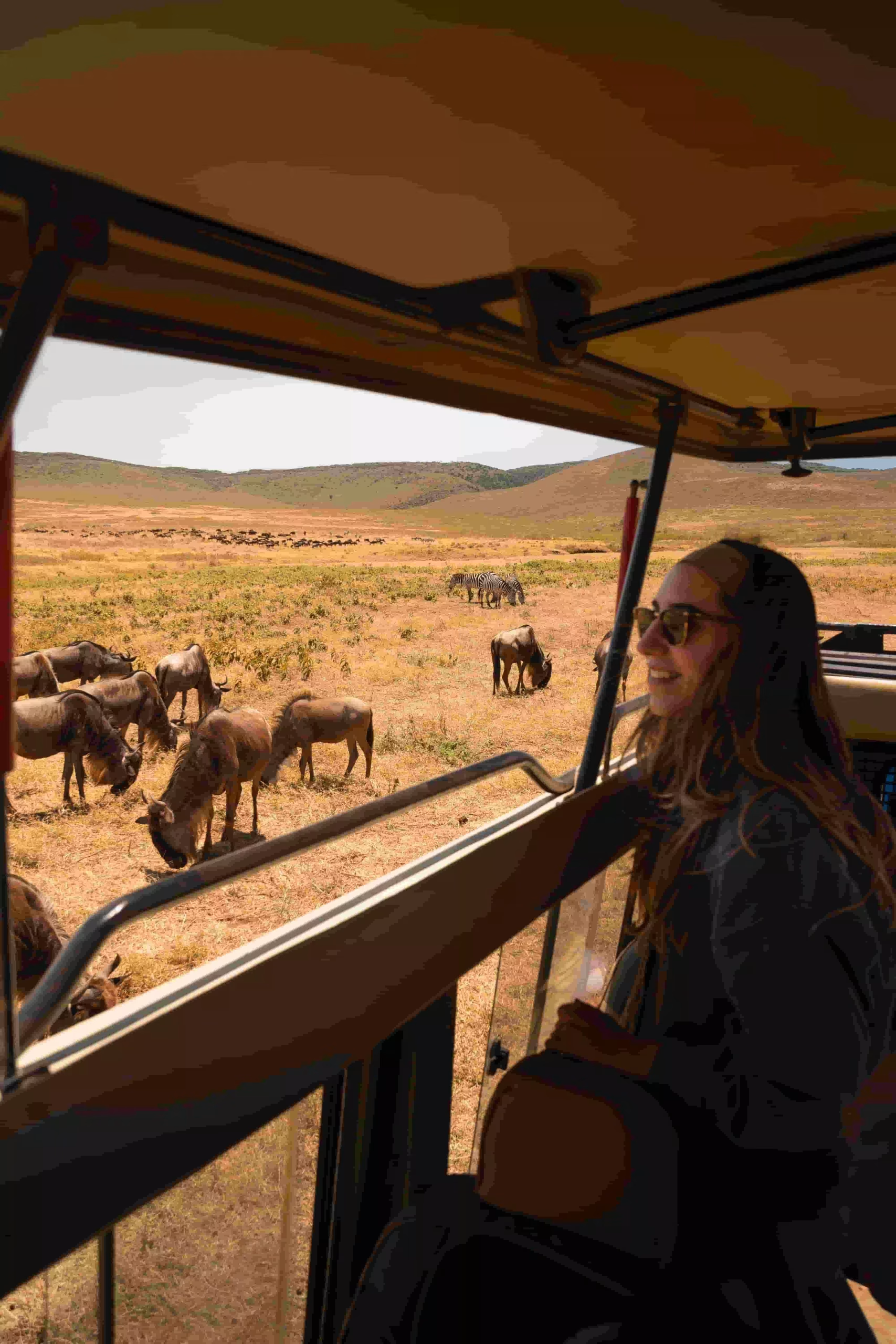
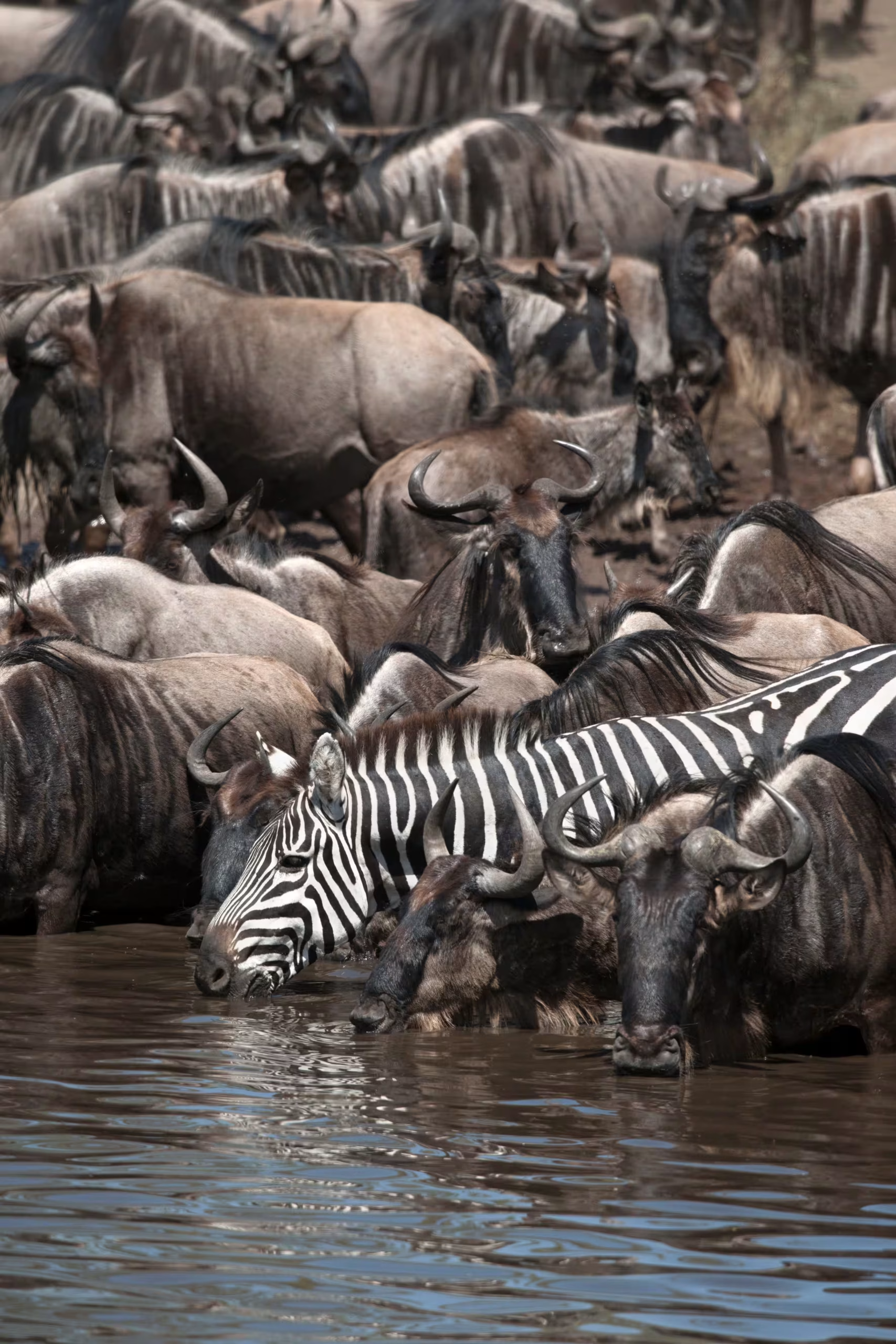
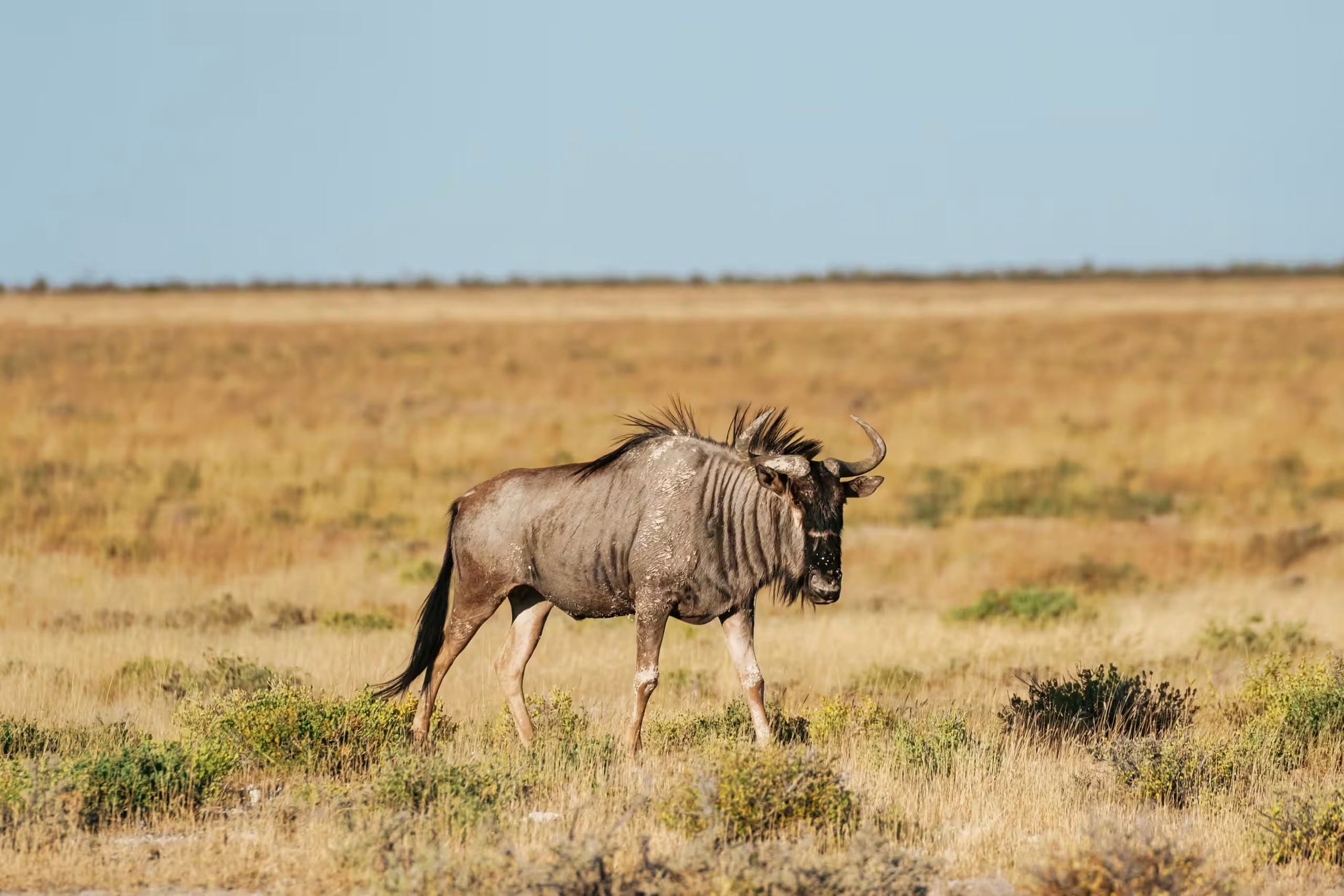
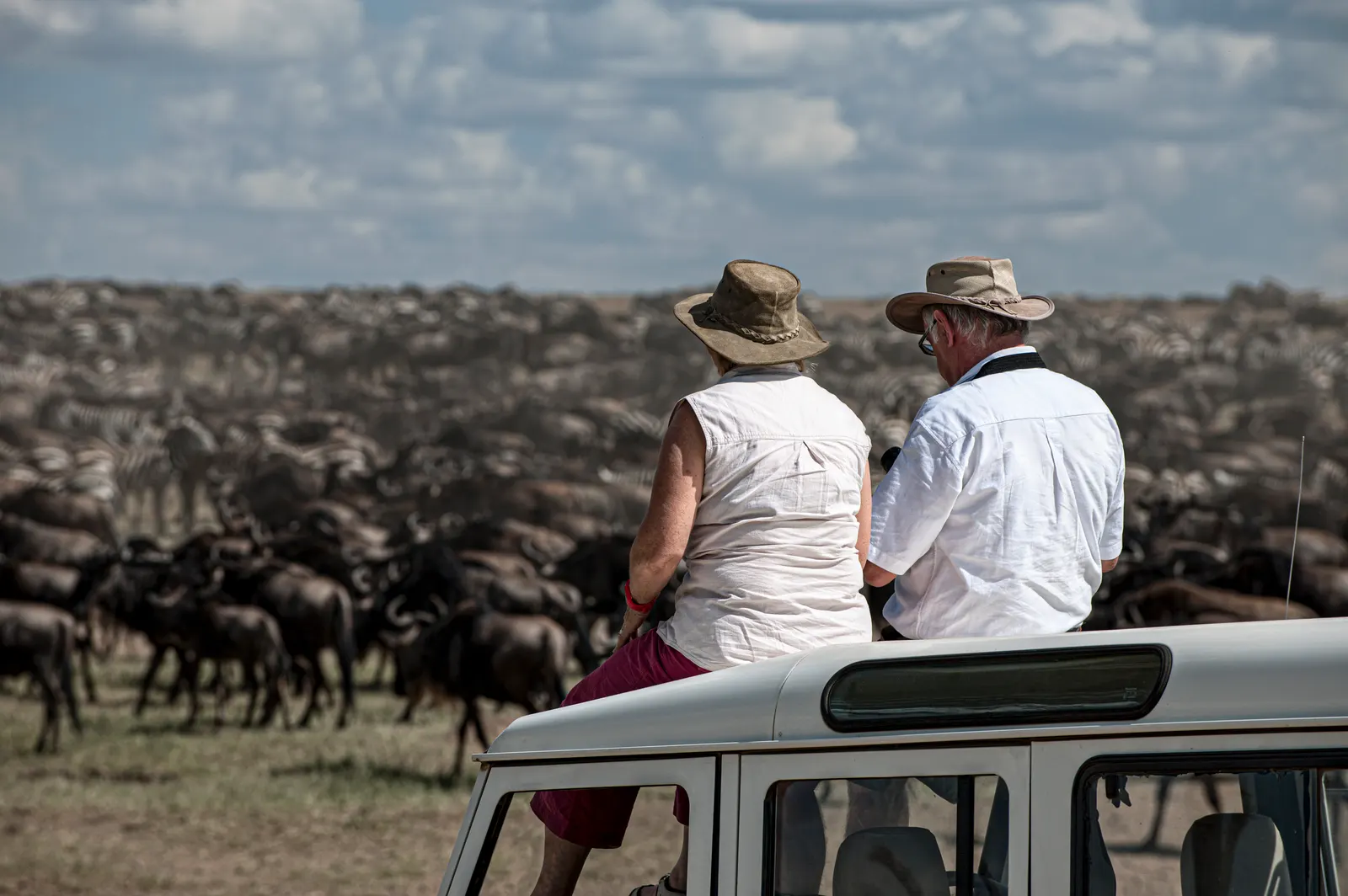
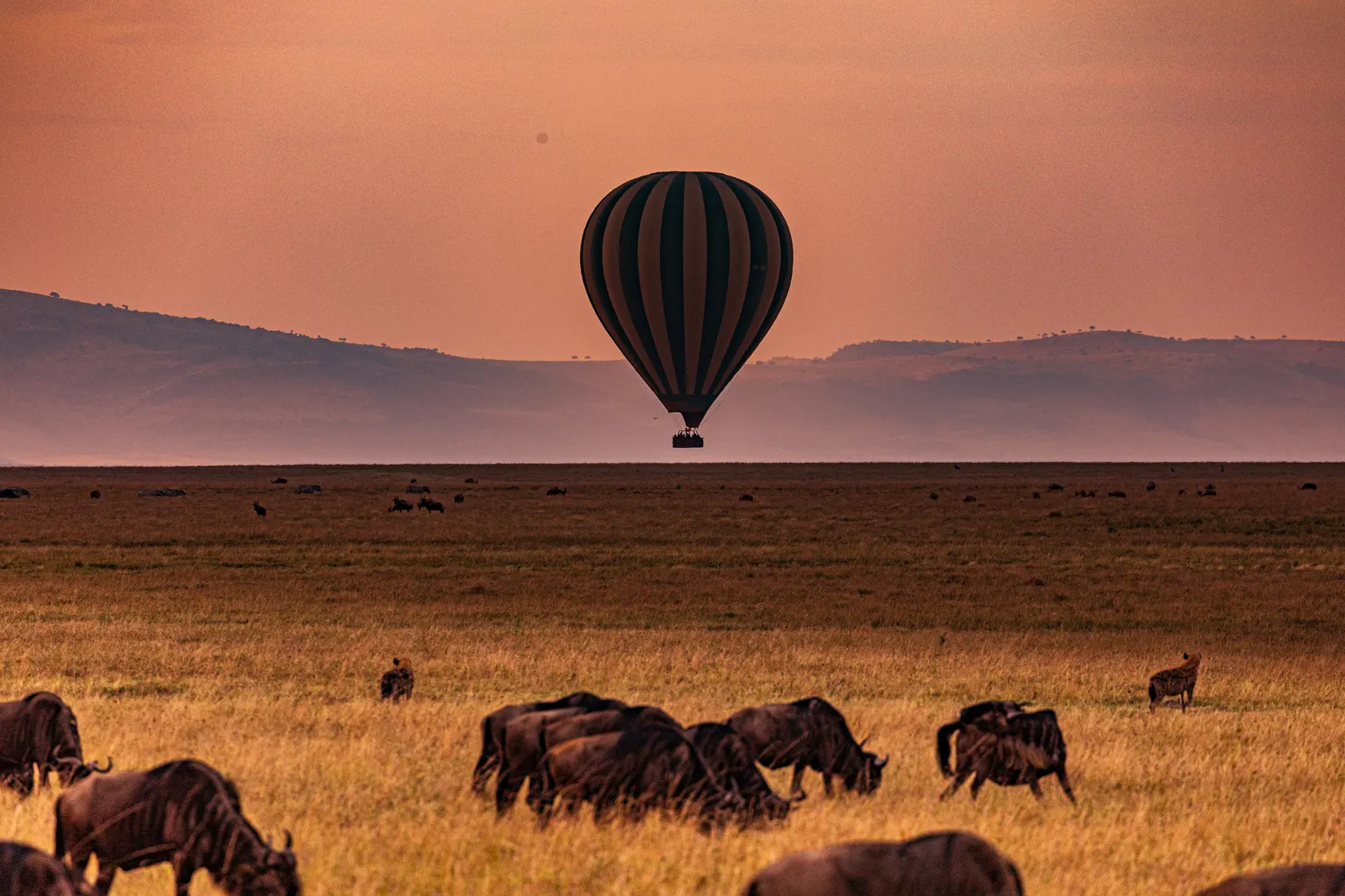
The wildebeest calve in a tight synchronised burst on the short-grass plains around Ndutu. The strategy is to swamp the predators — more calves than can possibly be eaten in the days they are vulnerable.

Predators, in the open

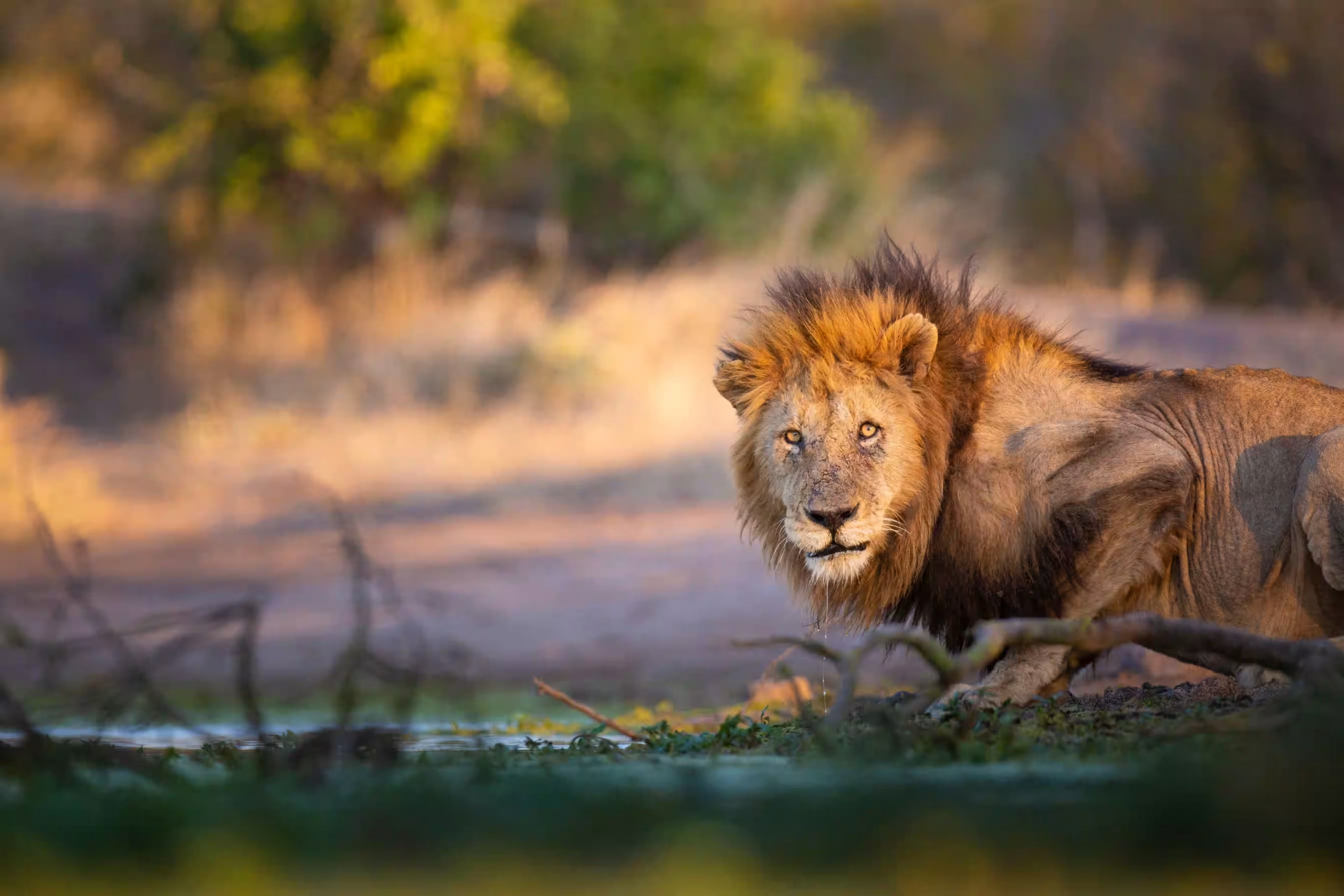
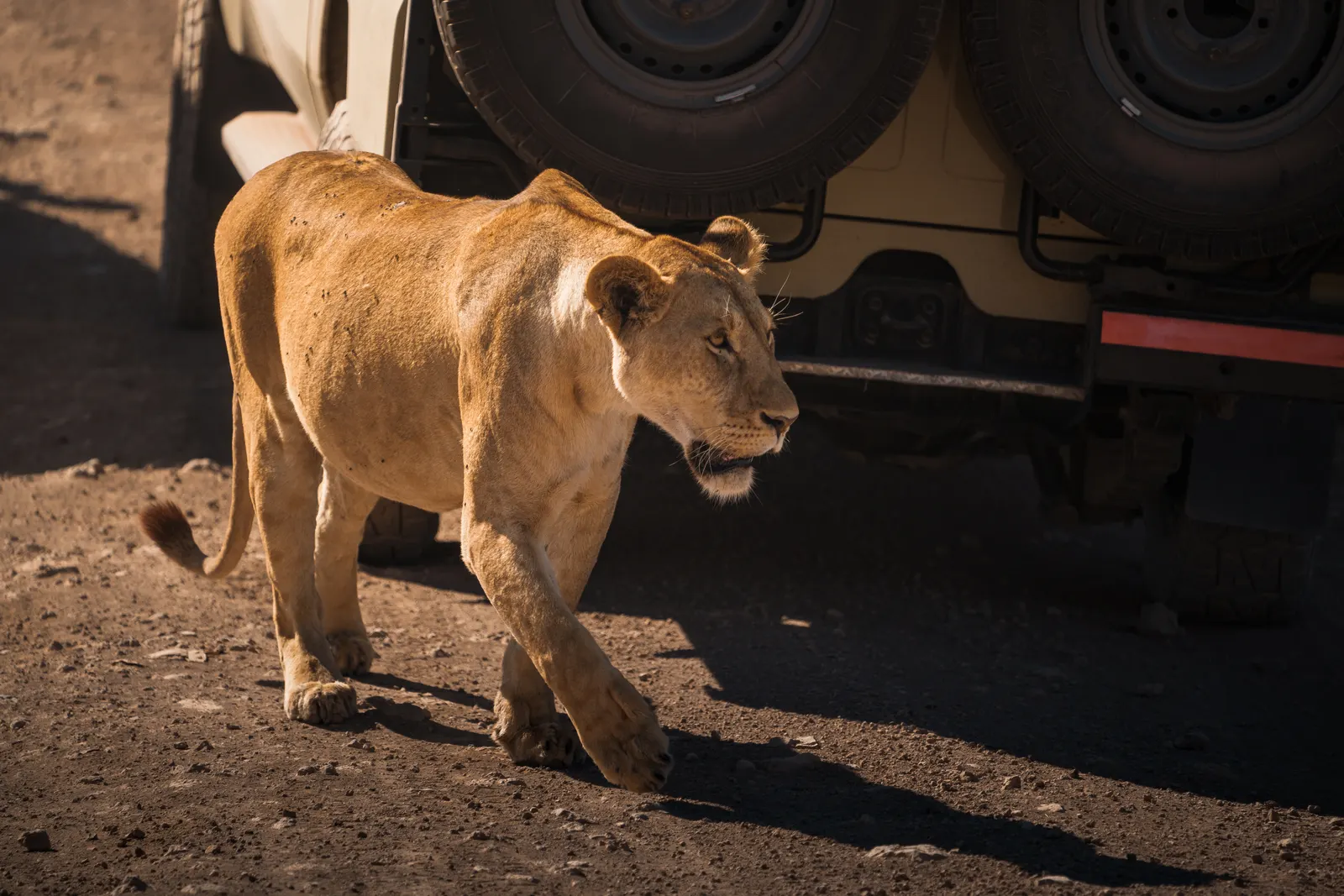
Short grass and newborn prey is the combination that makes the southern plains the best predator viewing of the Tanzanian year. There is nowhere for a hunt to hide.

Fewer vehicles than the Mara

The calving is less famous than the crossings and it shows in the vehicle numbers, which is the single biggest quality-of-experience difference between the two seasons.

The plains themselves

Ndutu in February is green, open and enormous, and photographs completely unlike the dry-season Serengeti most people have seen.

Inside the window

Three months, and only one of them is the peak

Calving is not a season so much as an event with a run-up and a tail. Where you land in these three months changes what you actually see.

January

The plains fill

The herds settle onto the short-grass plains around Ndutu after the short rains have greened them. Calving can begin late in the month but is not reliable yet. Quiet, green, and the cheapest point of the window.

February

The peak

The synchronised burst. Hundreds of thousands of calves are dropped in a few weeks, and every predator within reach knows it. Short grass and newborn prey is the combination that makes this the best predator viewing of the Tanzanian year. Afternoon storms are common and the light after them is the best you will get.

March

The tail, and the turn

Calving tails off and the herds begin working west and north. The long rains build toward the end of the month. Very few vehicles, very low rates, and a real chance of weather disrupting a light-aircraft transfer.

In this collection

9 journeys built for these dates

Every one is a starting shape we rebuild around your party and your exact dates. Nothing here is a fixed departure.

Calving Season on the Ndutu Plains JAN – MAR

Calving Season on the Ndutu Plains

ArushaTanzania
ArushaTanzania
6 Nights

Half a million calves born in a few short weeks on the southern short-grass plains, and every predator in the ecosystem waiting for them.

Per guest, from:

$3,750$625 per night
Details
Ngorongoro & the Crater Highlands WILDLIFE WONDER

Ngorongoro & the Crater Highlands

ArushaTanzania
ArushaTanzania
5 Nights

The crater floor at first light, before the day vehicles descend, then the highland forests and the Maasai grazing land above the rim.

Per guest, from:

$2,290$458 per night

Details
Honeymoon: Serengeti & the Ocean FOR TWO

Honeymoon: Serengeti & the Ocean

ArushaTanzania
ZanzibarTanzania
9 Nights

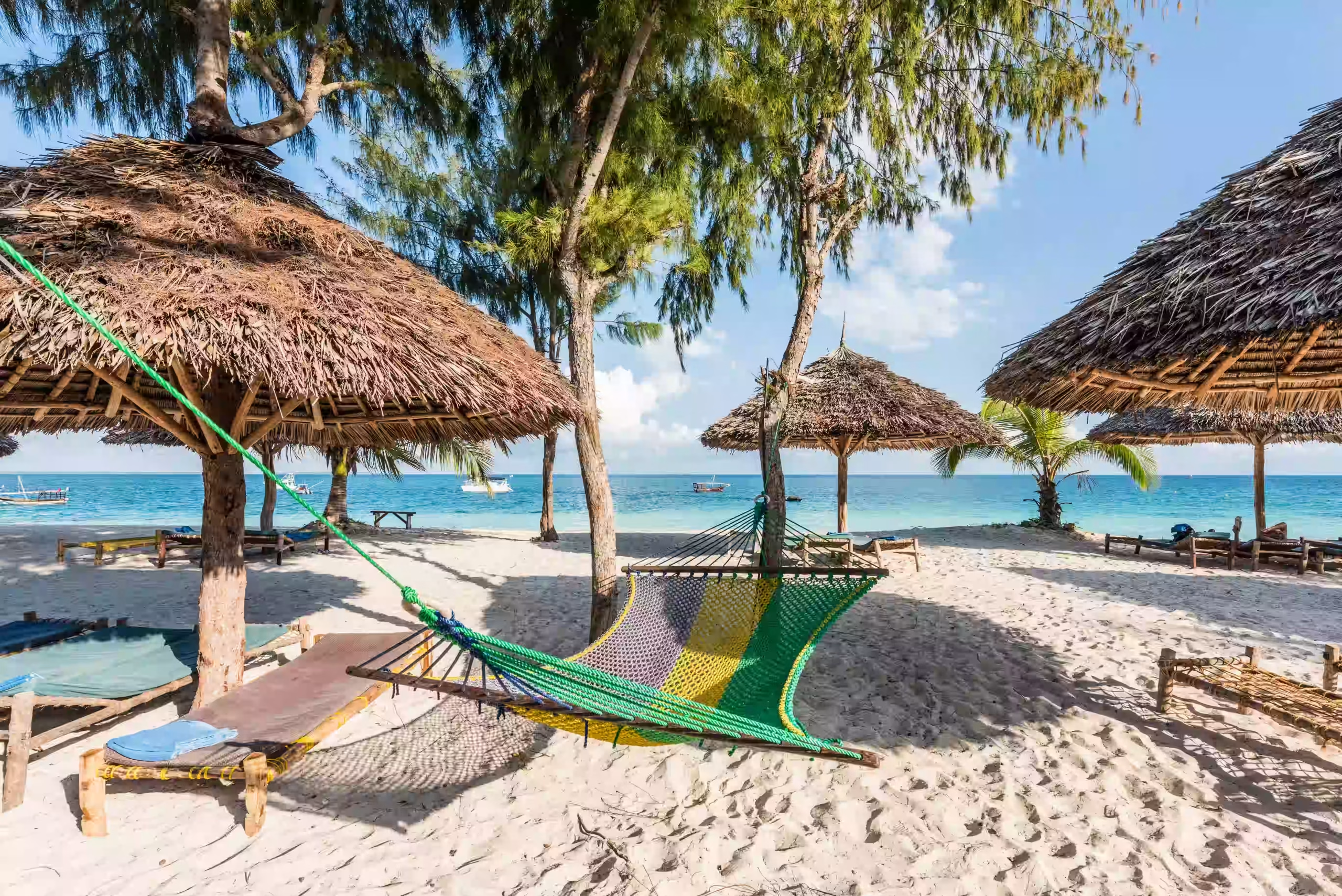
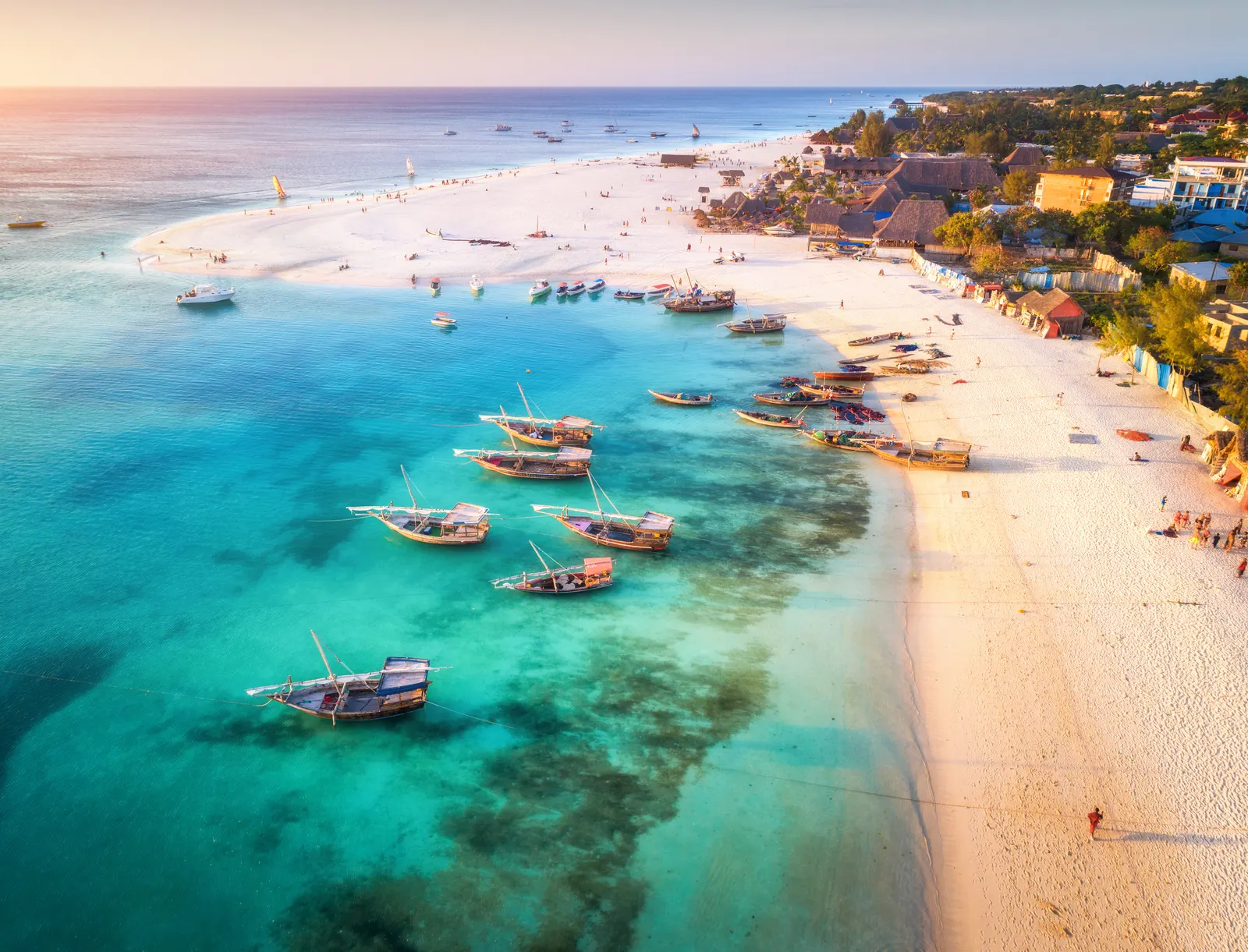
Small camps, a private vehicle, and a beach at the end of it. We write to every property in advance — camps are generous to honeymooners when somebody asks.

Per guest, from:

$5,570$619 per night

Details
Kilimanjaro: the Machame Route 7 DAYS ON THE MOUNTAIN

Kilimanjaro: the Machame Route

MoshiTanzania
MoshiTanzania
7 Nights

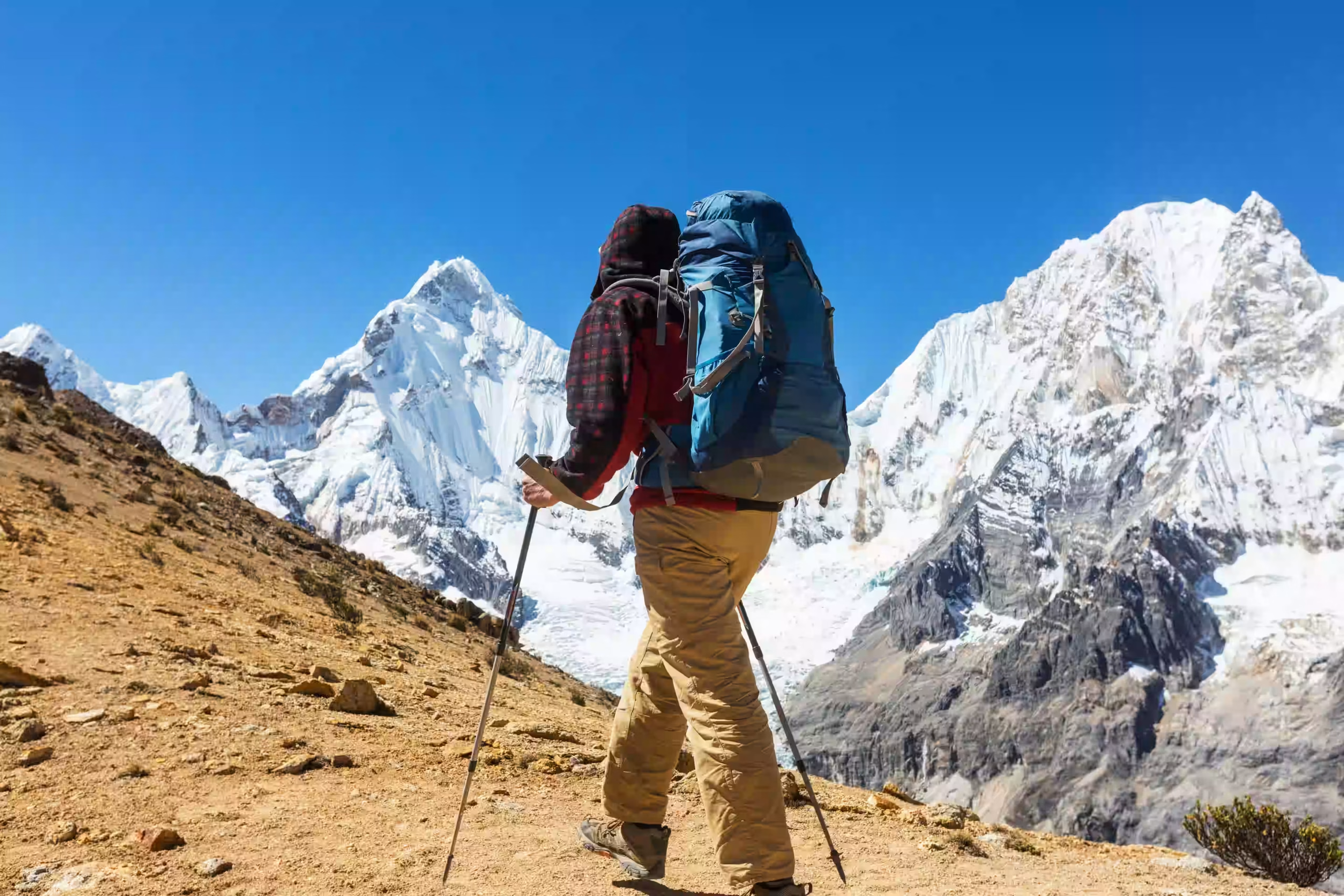
The most walked route to Uhuru Peak, and rightly — it climbs high and sleeps low, which is what gets people to the summit.

Per guest, from:

$2,330$333 per night

Details
Kilimanjaro: the Lemosho Route BEST ACCLIMATISATION

Kilimanjaro: the Lemosho Route

MoshiTanzania
MoshiTanzania
8 Nights

Longer, quieter and with the highest success rate of the popular routes. An extra day on the mountain buys more than any amount of training.

Per guest, from:

$2,650$331 per night

Details
Joining Safari: the Northern Circuit SHARED VEHICLE

Joining Safari: the Northern Circuit

ArushaTanzania
ArushaTanzania
6 Nights

A set departure shared with up to six others. The same guide and the same parks as a private trip, at the price that sharing a vehicle makes possible.

Per guest, from:

$3,780$630 per night

Details
Joining Kilimanjaro GROUP CLIMB

Joining Kilimanjaro

MoshiTanzania
MoshiTanzania
7 Nights

A scheduled group climb. Climbing with others is not a compromise on Kilimanjaro — a bigger group is a stronger one on summit night.

Per guest, from:

$2,310$330 per night

Details
Photographic Safari: the Green Season NOV – MAR

Photographic Safari: the Green Season

ArushaTanzania
ArushaTanzania
8 Nights

Storm light, clean skies and newborn animals. Fewer vehicles, lower rates, and the best photographic conditions of the year if you can take the rain.

Per guest, from:

$5,340$668 per night

Details
Festive Season on the Northern Circuit DEC – JAN

Festive Season on the Northern Circuit

ArushaTanzania
ArushaTanzania
8 Nights

Christmas and New Year in the Serengeti. Camps fill a year ahead for these dates, which is the whole argument for booking early.

Per guest, from:

$5,990$749 per night

Details
See all 26 journeys

Before you commit

What we would tell you in person

Ndutu straddles a boundary

The calving plains sit partly in the Ngorongoro Conservation Area rather than Serengeti National Park, which changes the permits and the fees. Both are included and itemised in anything we quote.

Off-road rules differ by area

Where off-road driving is permitted varies between the NCA and the national park, and it materially affects predator viewing. Ask any operator which areas their camp allows.

Light aircraft and green-season weather

Internal flights in the green months are more prone to delay than in the dry season, and a delayed transfer eats a game-viewing afternoon rather than a whole day. It is a reason to avoid tight connections on the way home, not a reason to avoid the season.

This is not the crossing season, and that is the point

In February the northern Serengeti is largely empty of herds. An itinerary that tries to combine calving in the south with the Mara in the north is being sold two seasons at once. Pick the one you actually came for.

Honestly

Is this the right window for you?

Telling you a season is wrong for you costs us one booking and saves you a disappointing trip. Both columns are worth reading.

Right for you if

  • ✓Predators hunting is what you actually came to see
  • ✓You would rather have short grass and open plains than a river crossing
  • ✓You want a strong season without peak-season vehicle numbers or peak-season rates
  • ✓You are a photographer who wants storm light and newborn animals

Probably not if

  • ✗A river crossing is on your list — in February the north is empty
  • ✗You need every transfer to run exactly to schedule
  • ✗You would find a stuck vehicle on black-cotton soil upsetting rather than part of it

Common questions

About this season

When is the peak of the calving?

Most sources and our own experience put the peak in February, but it moves with the rains. Late January to early March is the safe window.

Is it wet?

It can be. These are the short-grass plains in a green month — expect afternoon storms rather than all-day rain, and expect the light after them to be the best of your trip.

Can I combine calving with the Crater?

Yes, and most itineraries do. Ndutu and the Ngorongoro Crater are close enough to pair comfortably in one trip.

Is February really better than the crossings for predators?

For predator viewing, yes, and it is not close. Short grass, no cover, hundreds of thousands of vulnerable newborns and every predator in the ecosystem concentrated to take advantage. A river crossing is a spectacle; the calving plains are a hunting ground.

What are the roads like?

The Ndutu area is largely black-cotton soil, which turns to grease after a storm. Getting stuck is a normal part of a green-month safari rather than a disaster, but it makes a competent guide and a properly equipped vehicle matter more than in August.

Will I see a birth?

Quite possibly. At the February peak, births are happening across the plains through the morning, and a patient guide who knows where the pregnant cows are grouping will find one. It cannot be promised, but the odds in February are better than the odds of a river crossing in August.

Can we combine calving with the northern circuit?

Yes. Ndutu pairs naturally with the Ngorongoro Crater, and Tarangire and Lake Manyara sit on the same road out of Arusha. What does not pair well is calving and the northern Serengeti in the same trip — in February the north is empty of herds.

February is the underbooked month.

Which is exactly why it is worth asking about. Tell us your dates and we will build the southern-plains route around them.

Plan a Tanzania safari
100% Tailor-Made
Response within 24h
Expert Local Guides
"Every journey we craft is as unique as the traveller who takes it." — Places of Africa Safaris

Plan Your Safari

Plan Your Journey

Tell us your dream — we'll craft it into reality, step by step.

1Safari Type
2Destinations
3Dates & Group
4Budget
5Contact

What kind of safari are you dreaming of?

Which destinations excite you most?

Select all that apply — we'll build a perfect circuit.

When are you planning to travel?

days

Who is travelling with you?

What is your approximate budget?

Per person, excluding international flights. This helps us match the right camps.

Almost there — how do we reach you?

Step 1 of 5
Loading itinerary…
Saved Trips