The age minimums are real, and they come from two different places: the parks, which set a legal floor, and the camps, which set their own rules on top of it and are not required to agree with each other. Most families planning a first safari underestimate how young a well-organised trip can actually go.
This is what the rules say, what changes once you book a private vehicle rather than a shared one, and how long a child genuinely holds interest in a game drive once the novelty of the first hour wears off.
The short answer
Serengeti National Park sets a minimum age of five for game drives, and most operators apply six. Camps set their own limits on top of that, often six but sometimes twelve. A private vehicle changes what is realistic more than age alone does, letting drives run shorter and later to suit a child’s pace.
Age rules: park by park, camp by camp
Serengeti National Park sets a minimum age of five for game drives, and most tour operators, including on our own itineraries, apply six rather than five. The reasoning is practical rather than bureaucratic: a full day in a moving vehicle, in sun and dust, with long stretches between sightings, asks more of a five-year-old than of an eight-year-old, and the rule reflects what most children can manage rather than a strict cutoff.
Camps set their own age rules on top of the park minimum, and they vary more than the parks do. Most set six as their own floor; a number of luxury lodges, particularly smaller ones without a fence, set it at twelve. Under-six travel is possible, but usually only at a lodge that says so explicitly and only with a private vehicle rather than a shared one.
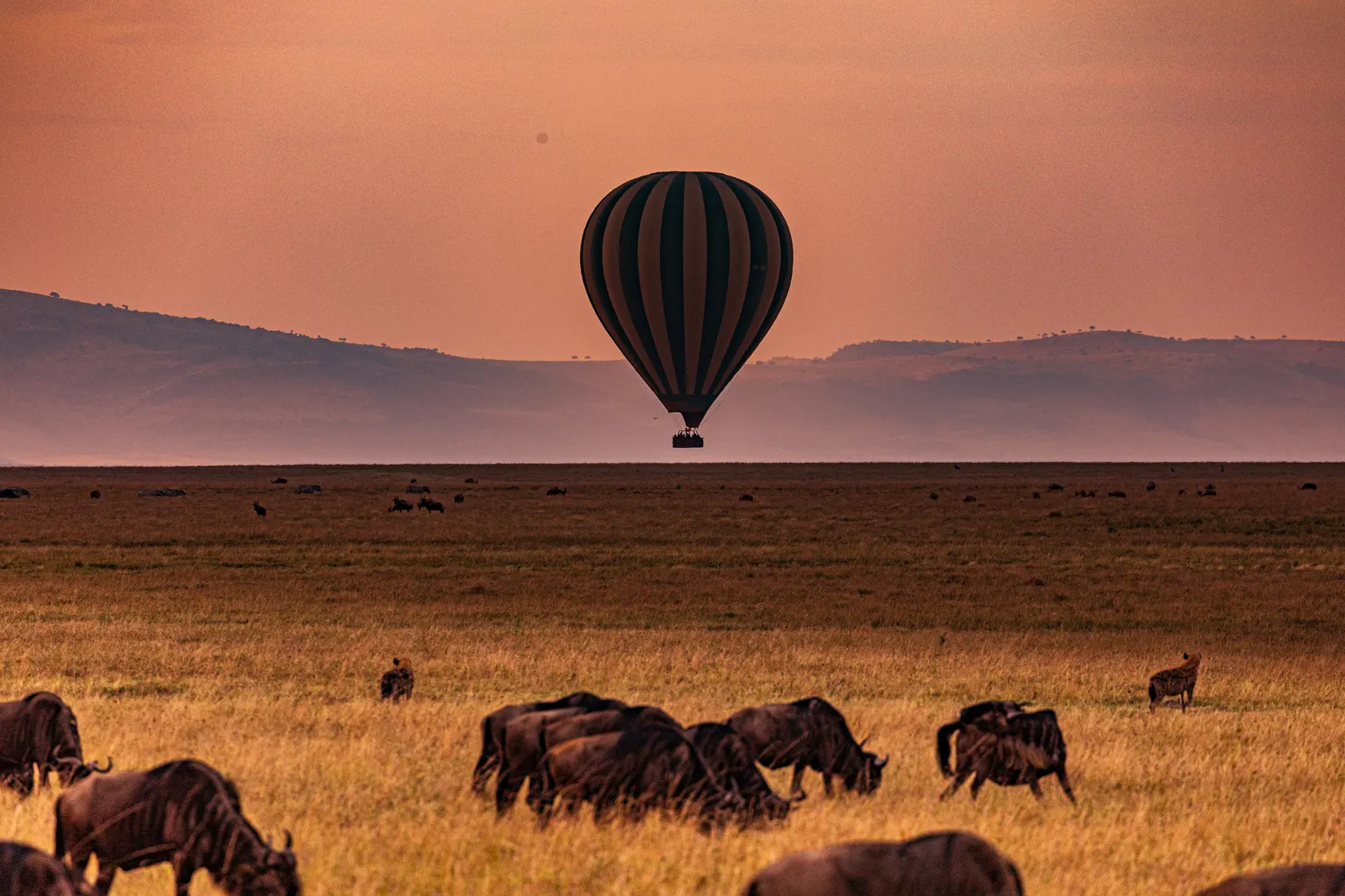
Other activities carry their own limits again. Walking safaris and night drives are typically restricted to sixteen and over, on safety and insurance grounds rather than ability, since both put a small group on foot or in an open vehicle after dark with an armed ranger rather than inside a closed circuit of daytime game drives. Balloon flights are commonly set around seven, though this varies by operator and is worth confirming directly. If chimpanzee trekking is part of the trip, Mahale sets a minimum age of twelve and Gombe fifteen — both park regulations, not house rules, and neither is negotiable on the day.
Minimum ages, at a glance| Activity | Typical minimum age | Note |
|---|
| Game drives (Serengeti NP) | 5 (most operators apply 6) | Park rule; operator practice is often stricter |
|---|
| Most camps | 6 | A number of luxury lodges set 12 |
|---|
| Balloon flight | ~7 | Varies by operator — confirm when booking |
|---|
| Walking safari / night drive | 16 | Insurance and safety grounds |
|---|
| Mahale chimp trekking | 12 | Park regulation |
|---|
| Gombe chimp trekking | 15 | Park regulation |
|---|
A private vehicle: why it changes everything
A shared game-drive vehicle runs on a schedule set by the group inside it, and on a joining safari that group is usually adults without children. Early starts, long stretches between stops, and a route chosen for the sightings rather than for anyone’s patience are all normal, and none of them are built around a six-year-old, however good-natured the rest of the group turns out to be.
A private vehicle removes that constraint. Departure times can move later, drives can be shortened, and the vehicle can turn back to camp for a rest rather than pushing on to the next stop because someone else in the group wants to. A guide with only your own family in the vehicle can also stop for as long as a sighting holds a child’s interest, rather than moving on for the benefit of other guests who want to keep going. It is also, as above, the condition several family-friendly lodges attach to accepting a younger child at all.
This is why our own
Family Safari, Northern Circuit is built around a private vehicle for the whole trip rather than as an upgrade: shorter drives, a pace that answers to your children’s clock, and camps chosen for meaning it when they say family-friendly.
Attention span: how long a child really lasts
As a general rule, younger children between six and eight hold real interest through about the first two hours of a morning drive, after which restlessness sets in regardless of what is outside the window. Nine to twelve-year-olds typically manage a full morning session, particularly once there has been a stop to get out and stretch somewhere the park allows it.
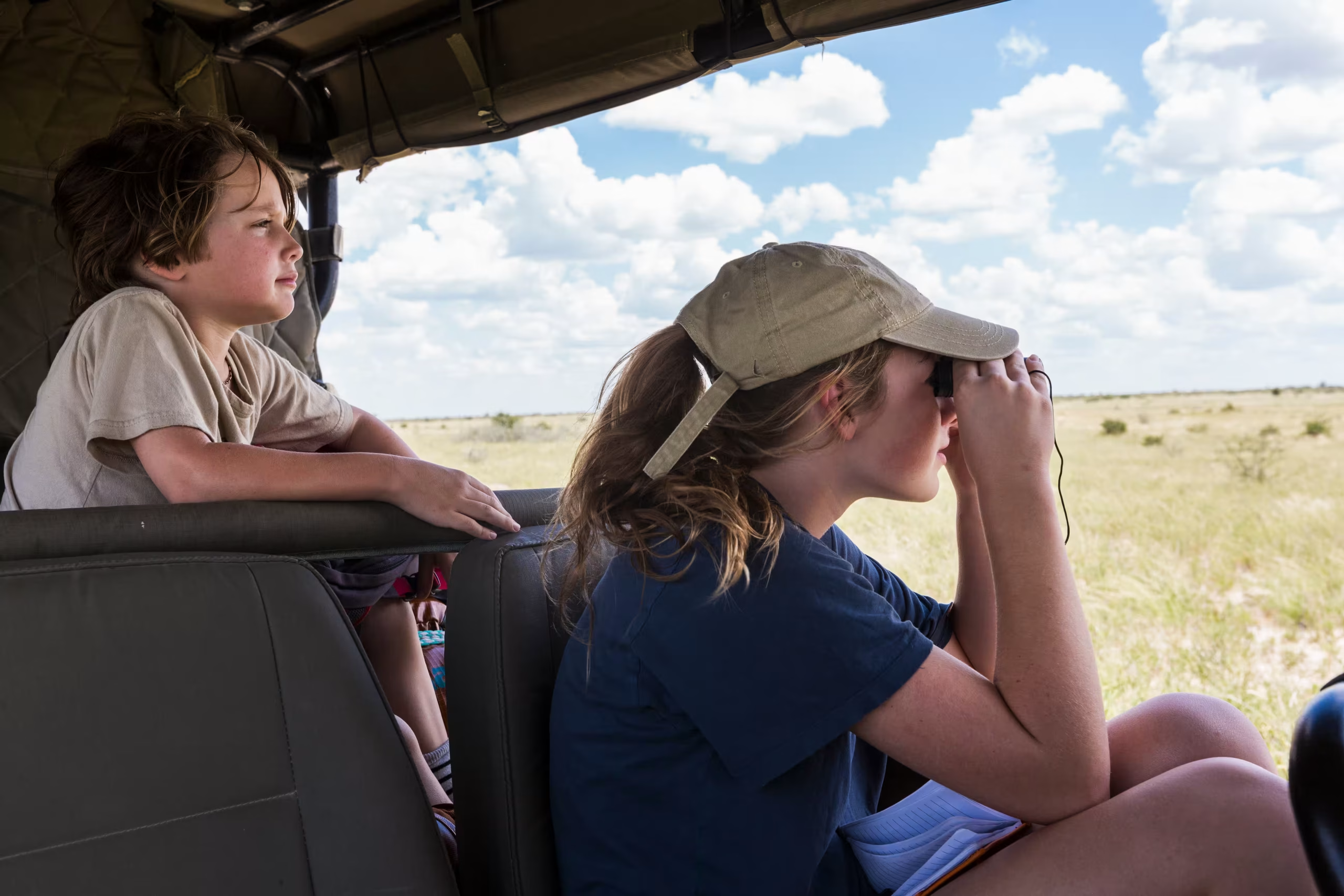
A pair of binoculars sized for a child’s hands and a simple checklist of animals to spot turn a drive into a game rather than a wait, and several shorter drives across a day generally hold attention better than one long one built around a single distant sighting. A guide who narrates what an animal is doing, rather than only naming it, tends to hold a child’s attention longer than the sighting alone would.
Non-driving time matters as much as the drives themselves — a pool afternoon, a short walk near camp where it is permitted, time not spent in a vehicle at all. A trip built entirely of long drives between distant parks wears a child down faster than the wildlife itself ever could. Park choice matters here too:
Tarangire’s shorter internal distances and permanent river mean less transfer time and more time actually watching something, which suits a family better than a long first transfer into the Serengeti.
Family-friendly camps: what the phrase should mean
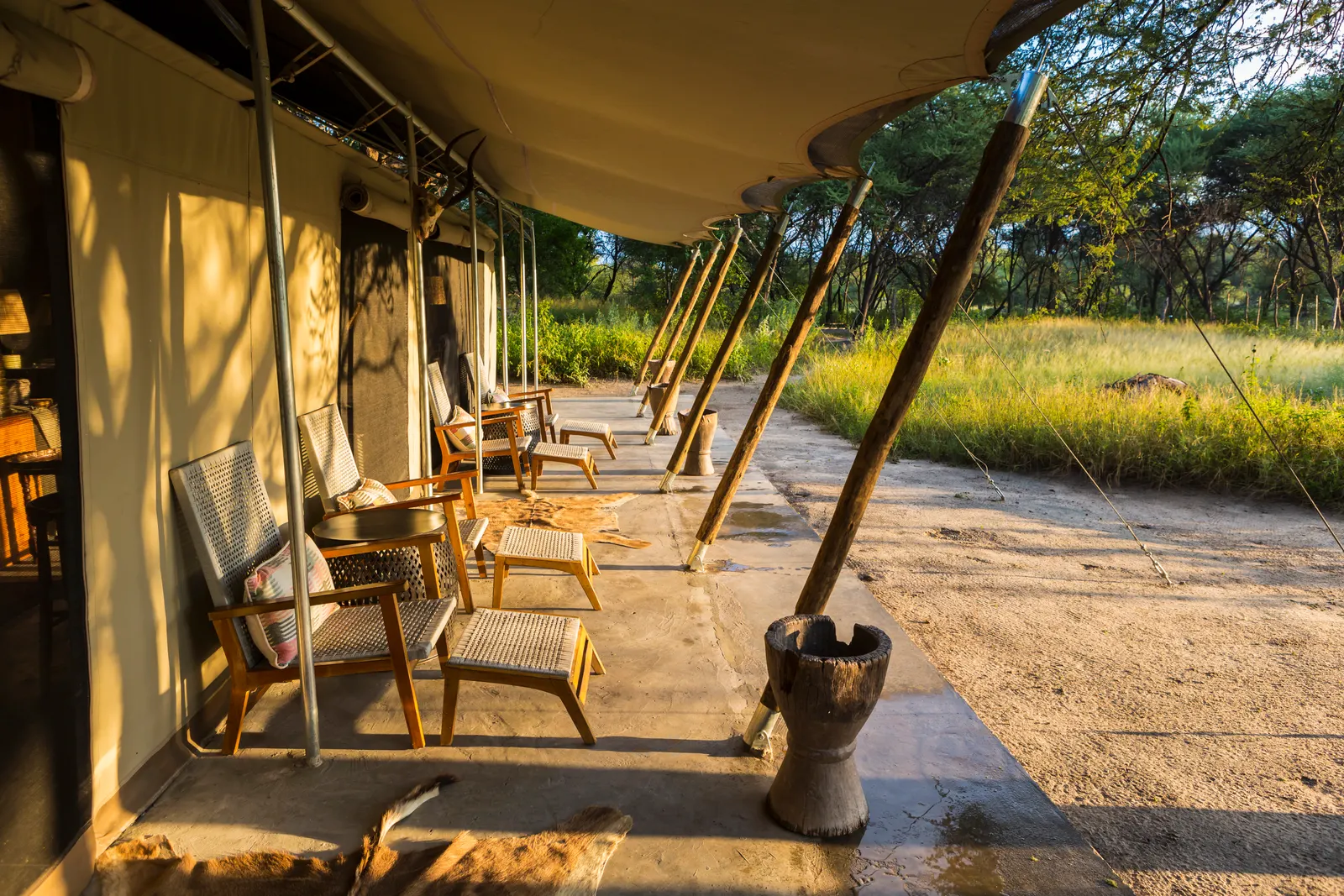
‘Family-friendly’ on a lodge website can mean anything from a children’s menu to genuine infrastructure, and the two are not the same thing. Worth asking about directly: connecting rooms or a family tent rather than two adults’ rooms side by side, a supervised or fenced perimeter for the hours after dark, and a private plunge pool kept apart from any open water feature on the property. None of this is visible in a photograph, which is exactly why it needs asking rather than assuming.
Worth asking about the people as much as the buildings: whether the camp has staff experienced with children on a game drive, not just parents managing alone in the back seat, and what the camp’s own minimum age is in writing, since it can differ from both the park rule and from other camps in the same park. A camp that answers these questions readily, without being asked twice, is usually the one that means it.
Ask before you book rather than after you arrive.
Tell us the ages of everyone travelling and we will say plainly whether a route works, or point you to
a journey that does.
Questions people ask
What is the minimum age for a safari in Tanzania?
Serengeti National Park sets a minimum age of five for game drives, and most tour operators apply six rather than five. Camps add their own rules on top: many set six, and a number of luxury lodges set twelve.
What is the best age to take a child on safari?
Most operators find six to ten works best — old enough to hold interest through a morning drive and to remember the trip afterwards, young enough that a private vehicle and a flexible schedule are still enough to keep them comfortable.
Can under-6s go on safari?
Sometimes, at a lodge that explicitly says so and almost always only with a private vehicle rather than a shared one. Check the camp’s own written minimum age before booking, since it varies more than the park rule does.
How long can a child sit through a game drive?
As a general rule, six to eight-year-olds hold real interest for around the first two hours of a morning drive. Nine to twelve-year-olds typically manage a full morning session, especially with a stop to get out and stretch.
Is a private vehicle necessary for a family safari?
Not legally required, but it changes what is realistic: departure times can move later, drives can be shortened, and the vehicle can return to camp for a rest rather than pushing on because the rest of a shared group wants to.
What is the minimum age for a hot air balloon safari?
Commonly around seven, though this is set by the balloon operator rather than the park and varies. Confirm the figure directly when booking rather than assuming.
What age can children go chimpanzee trekking in Tanzania?
Mahale Mountains National Park sets a minimum age of twelve for chimp trekking; Gombe Stream sets fifteen. Both are park regulations, not house rules, and apply regardless of operator.
What should I look for in a family-friendly camp?
Ask about connecting rooms or a family tent, a supervised or fenced perimeter after dark, a plunge pool kept apart from open water, and whether staff have real experience guiding children rather than just tolerating them.
Travel it
Journeys built around this
Last updated 13 September 2026