Kilimanjaro can be climbed in any month; the mountain does not close. What changes from month to month is the weather at altitude, how many other climbers are on the same route, and how comfortable the wetter stretches of trail are underfoot. None of it changes how altitude affects your body — that risk is the same in July as it is in April.
What follows is the mountain’s calendar, month by month: the two dry windows, the two rainy seasons, and what a full-moon date actually changes on summit night. Route choice is a separate question, covered elsewhere, and so is altitude itself — the calendar affects neither.
The short answer
The best months to climb Kilimanjaro are January–February and June–October, the two dry windows. January and February are warmer and quieter; June to October is colder but the most reliable, with July to September the busiest. March to May, the long rains, is not recommended. Altitude risk itself does not change with the season.
The year at a glance, on the mountain| Months | Conditions | Crowds | Best for |
|---|
| Jan – Feb | Warm lower down, dry, clearest summit views | Moderate | First climbs, photography |
|---|
| Mar – May | Long rains — mud, cloud, fresh snow on the summit | Lowest | Not recommended |
|---|
| Jun – Oct | Cold and reliably dry; −10 to −20°C on summit night | Highest, Jul – Sep | Most climbers |
|---|
| Nov | Short rains — brief afternoon storms, usually clearing | Low | Quieter climbs, a gamble on weather |
|---|
| Dec | Dry spells between rains; festive weeks busy | Rises before Christmas | Family climbs timed around the holidays |
|---|
January and February: Kilimanjaro's short dry season
January and February sit between the short rains of November and December and the long rains that arrive in March, and on the mountain they are usually the warmest and clearest weeks of the year. Mornings are settled, the summit is visible more often than not, and there are noticeably fewer climbers on the trail than in the northern-hemisphere summer.
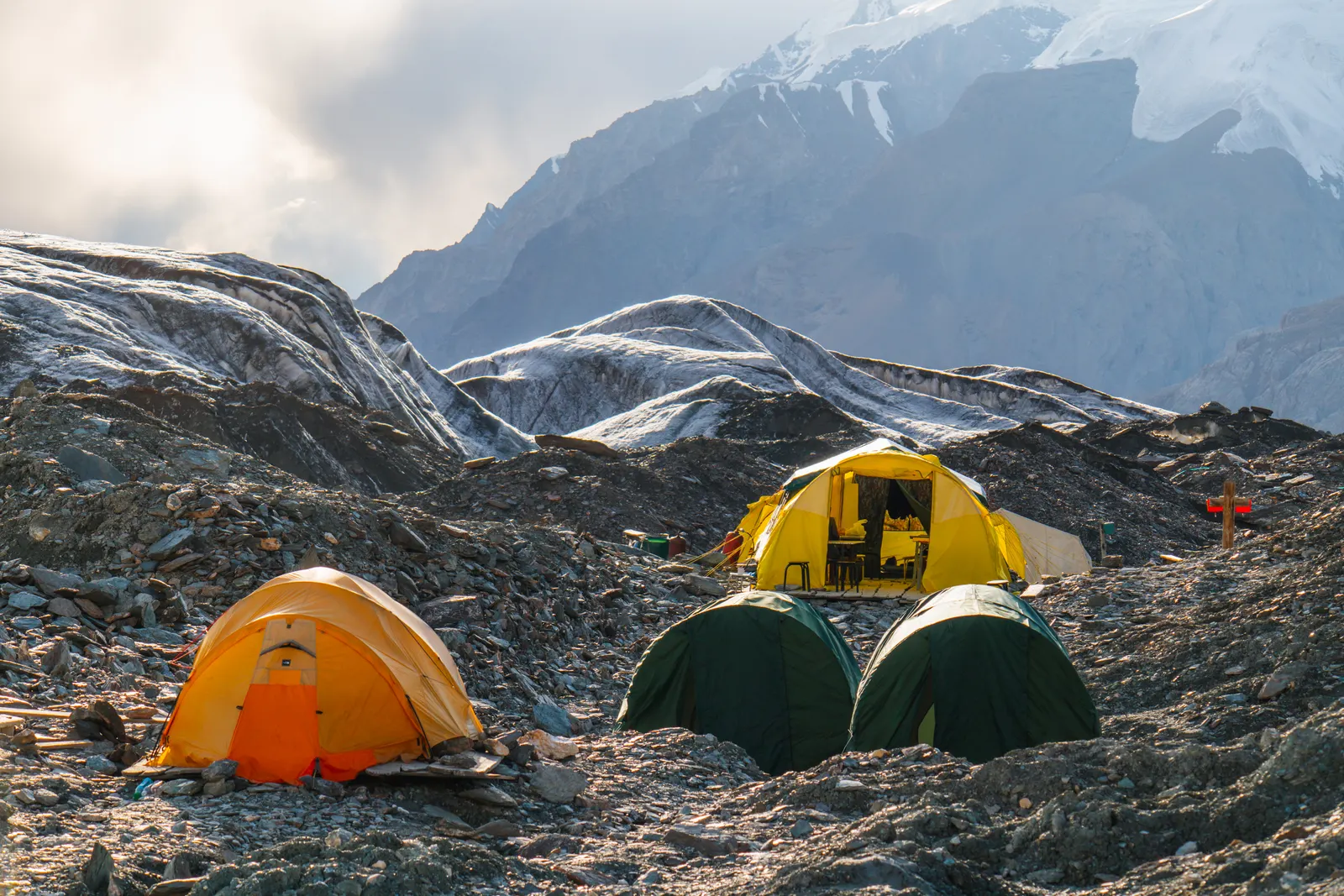
Because the short rains have just passed, the forest and lower moorland are green and at their lushest, and the ground has usually dried out enough that the trails are not the mud of April. None of that reaches summit night: temperatures at Barafu Camp, 4,673 metres, and above still fall well below freezing regardless of how dry and warm it has been lower down.
This window suits a first climb, combining reliable weather with lighter crowds, and both of our own routes run through it. The
Machame route and the
Lemosho route are both walked in January and February, and a private date can be set for either.
March to May: the long rains, and why we do not recommend them
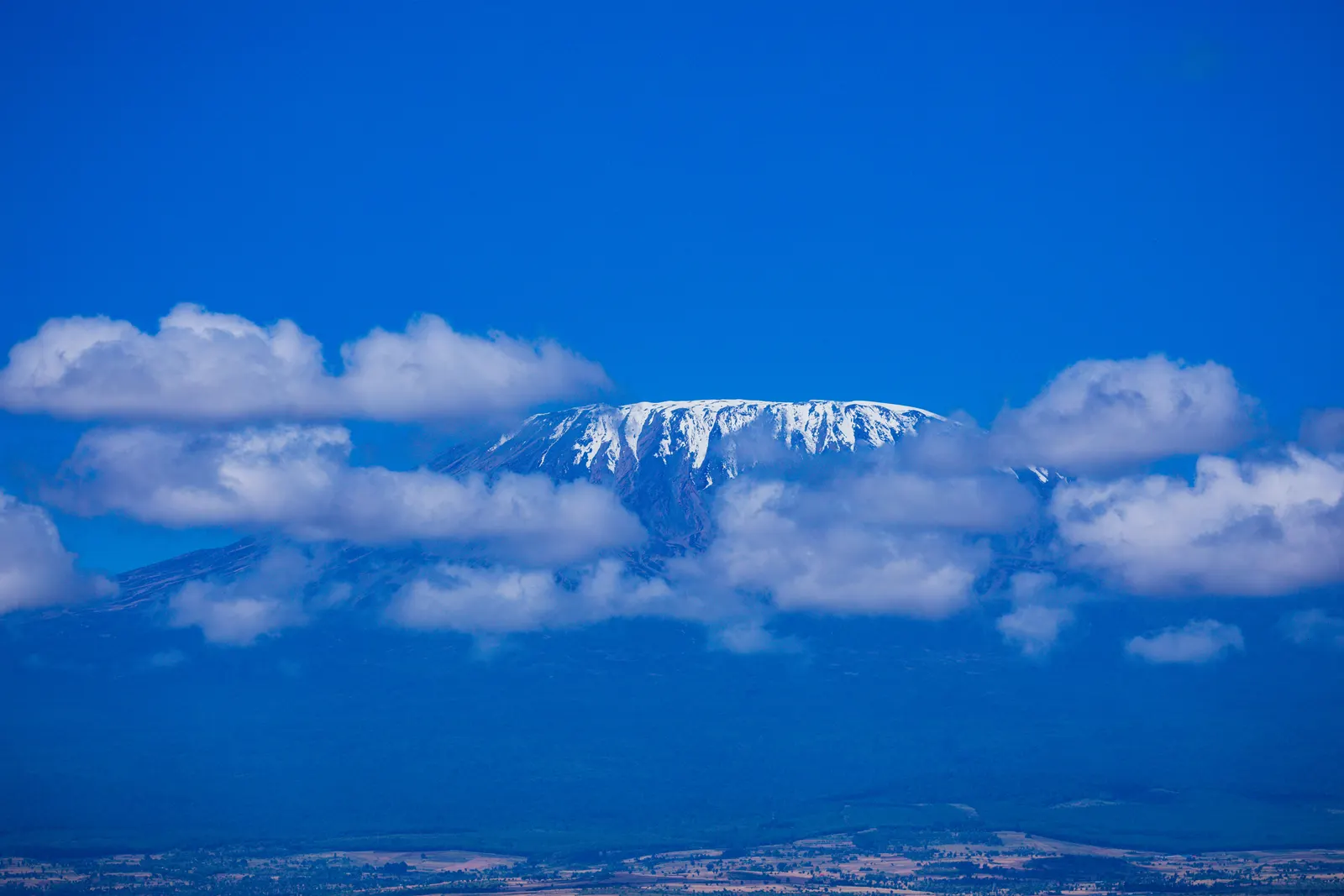
March to May is the long rains, the heaviest and most sustained rainfall of the year on Kilimanjaro. The forest zone becomes a river of mud on every route, cloud usually sits over the mountain by mid-morning, and the summit cone is often carrying fresh snow, which makes a clear sunrise from Stella Point unlikely rather than merely possible.
Several seasonal camps and operators reduce or pause departures in the wettest weeks, April especially. A private climb can still be arranged in this window on request, and it is quieter and usually cheaper than any other time of year, which suits a traveller who values solitude over comfort or a clear photograph — but it is not what we would recommend for a first climb.
None of this changes the risk of altitude sickness itself, which is set by the rate of ascent and how an individual body responds to it, not by rainfall — see
altitude on Kilimanjaro, honestly for what actually decides that. The long rains make the climb less comfortable, not more dangerous in that particular sense, but a wetter, colder body still has less reserve if something does go wrong.
June to October: the long dry season, and the busiest months
June to October is the long, reliable dry season, and the coldest stretch of the year on the mountain despite the settled weather lower down. Minus ten to minus twenty degrees Celsius on summit night is normal at Barafu and above, and skies are clear on most mornings, which is the trade this window offers: cold in exchange for predictability.
July, August and September are the busiest months by a wide margin, because the dry season lines up with northern-hemisphere summer holidays. Machame Gate is at its most crowded, and the queue on the Barranco Wall on an August morning is the visible cost of that reliability. October stays mostly dry while the crowds thin noticeably, and is worth choosing for the weather without the peak.
Which route feels busiest in these months varies sharply — see
how the routes compare for how Machame’s crowds differ from the quieter first days on Lemosho or the northern side. Whichever route or month, the cold on summit night does not change.
November and December: short rains and the festive weeks
The short rains usually arrive in November: brief afternoon storms rather than the day-long rain of April, typically clearing again by evening. It is the least predictable month of the year on the mountain — sometimes barely wet at all, sometimes enough to affect the lower trails for days.
That unpredictability keeps November quiet and usually the cheapest month to climb, which is a reasonable gamble for a traveller with flexible dates rather than a safe bet for one who has only a single week free. December is calmer, with dry spells between what is left of the short rains, though the festive weeks either side of Christmas and New Year fill camps and
joining departures well ahead of the dates themselves.
A family wanting to climb over the holidays should book earlier than for any other time of year, for exactly that reason — the mountain is not quiet at Christmas even though the wider dry season has already ended.
Full-moon dates: what they change on summit night
A full moon lights the scree slope between Barafu Camp and Stella Point well enough that headtorches become a backup rather than the only source of light, which some climbers find reassuring on the steepest, coldest hours of the climb, and which photographers specifically plan around.
It does not change the temperature, the thickness of the air, or the risk of altitude sickness, and it does not make the walking itself any easier. A private climb on the Machame or Lemosho route can be dated around a full moon; a fixed
joining departure follows its own schedule and may or may not land near one.
Treat a full-moon date as a pleasant extra to plan around within whichever month already suits you, not as a reason to choose a month that otherwise does not. The acclimatisation questions set out in
altitude on Kilimanjaro, honestly matter far more to the outcome than the phase of the moon.
Choosing a month: crowds, cost, and what stays the same
Set against each other plainly: January and February are dry and comparatively quiet; June to October is the most reliably dry overall but busiest in July, August and September; October, November and December are the shoulder months, trading some certainty for lower cost and fewer other climbers; and March to May is best avoided unless solitude matters more to you than comfort or visibility.
Within any of those windows, which route you walk changes the crowding you actually experience far more than the month does on its own — see
how the routes compare for the differences between Machame, Lemosho and the rest. What does not change, in any month on any route, is how altitude affects the body, which is set out in full in
altitude on Kilimanjaro, honestly.
If you already have a month fixed by work, school terms or a festive trip home, that is a perfectly reasonable way to choose — the mountain can be climbed in any of them.
Find a journey filters our own climbs by month and length.
Questions people ask
What is the best month to climb Kilimanjaro?
There is no single best month, only two reliable windows: January and February, which are warm and clear with fewer climbers, and June to October, which is colder but the most consistently dry. Within that second window, October is quieter than the July–September peak.
What is the worst time to climb Kilimanjaro?
March to May, the long rains. Trails turn to mud, the summit cone is often in fresh snow, and the odds of a clear sunrise from Stella Point are poor. Private climbs still run in these months on request, but they are not recommended.
How cold is it on summit night on Kilimanjaro?
Minus ten to minus twenty degrees Celsius is normal at Barafu Camp, 4,673 metres, and on the push to Uhuru Peak, regardless of how warm it is lower down or how dry the month is. Wind adds to it. This does not change between the two dry windows.
Is it worth climbing Kilimanjaro on a full moon?
It adds light to the scree slope between Barafu and Stella Point, which some climbers find reassuring and photographers value. It does not change the cold, the altitude risk, or the walking itself. A private climb can be dated around one; a fixed joining departure may or may not land near one.
Are the short rains in November a good time to climb?
They can be. November’s rain usually falls as short afternoon storms that clear by evening, rather than the day-long rain of April, and the mountain is quieter and often cheaper. It is less predictable than the dry windows, so treat it as a reasonable gamble rather than a safe bet.
When are the crowds worst on Kilimanjaro?
July, August and September, particularly at Machame Gate and on the Barranco Wall, where every route converges. Lemosho and Rongai stay quieter for their first few days even in these months, and October gives similar dry conditions with noticeably fewer climbers.
Does the month affect altitude sickness risk on Kilimanjaro?
No. Acute mountain sickness is caused by the rate of ascent and how an individual body responds to it, not by temperature or rainfall. A wet month makes the walking less comfortable; it does not raise or lower the risk of altitude sickness itself.
Can you climb Kilimanjaro over Christmas and New Year?
Yes, and many families choose to. December sits either side of the festive weeks, with dry spells between short rains, but camps and departures fill up well ahead of Christmas and New Year, so those exact dates need booking early.
Travel it
Journeys built around this
Last updated 13 September 2026