A day at Ngorongoro is not really a day. Guests spend one morning, or one compressed stretch of daylight, actually down on the crater floor — the rest of the visit happens on the rim, on the descent road, or waiting at a gate. Inside that window sits one of the most concentrated wildlife scenes in Africa, closed in by the walls of a collapsed volcano roughly 20 kilometres across.
What follows is what that day actually involves: getting down, what the timing rules really say, what the floor holds and does not, where lunch happens, and what it costs at today’s published rates.
The short answer
A day on the Ngorongoro Crater floor is usually one descent of about six hours, not a sunrise-to-sunset visit: the descent gate stops admitting vehicles at 16:00 and everyone must be out by 18:00. Expect dense resident wildlife including black rhino, a packed-lunch stop at Ngoitokitok Springs, and a $295 vehicle fee on top of park entry.
Getting to the floor: the rim before dawn
Most crater visits start from a lodge or camp on the rim, at around 2,200 metres, where the air before sunrise is cold enough for a fleece even in the dry season. The conservation area’s general driving hours run from 06:00 to 18:00, and most vehicles leave the lodge in the dark to reach the descent gate as close to opening as the drive allows.
The road down drops several hundred metres over a few steep kilometres, on a track built for traffic rather than comfort — switchbacks, dust or mud depending on the season, and a slow, jolting descent rather than a smooth one. Most itineraries use one of the crater’s small number of descent roads going in and a separate road coming back up, so the route down is not the route out.
By the time you reach the floor the light is usually flat and grey, and it breaks properly within the first hour. Because so much of the day depends on being early, which lodge you stay at on the rim, and how far it sits from the descent road, matters more here than on almost any other day of a Tanzania itinerary. Our
Ngorongoro & the Crater Highlands journey times the descent with that in mind.
The descent gate: a time limit that is not quite one
The rule repeated most often — “you only get six hours in the crater” — is not quite what the regulations say. What the conservation authority actually sets is simpler: general driving hours of 06:00 to 18:00, and a cut-off on new descents at 16:00. After that the gate stops letting vehicles down, but nothing in that rule caps how long a vehicle already on the floor can stay before 18:00.
The six-hour figure comes from how operators actually use the day, not from the regulation itself. The crater service fee is charged per vehicle per descent, not per hour, so once you are down there is little reason to stay much past the point where the light flattens and the animals go quiet, which is usually mid-afternoon.
In practice that means most vehicles descend by mid-morning and are back up by early-to-mid afternoon — closer to six hours than to eleven. If a longer stretch on the floor genuinely matters to you, ask directly what hours are planned. “Sunrise to sunset” and “six hours after breakfast” are different days at the same fee.
The crater floor: what six hours actually holds
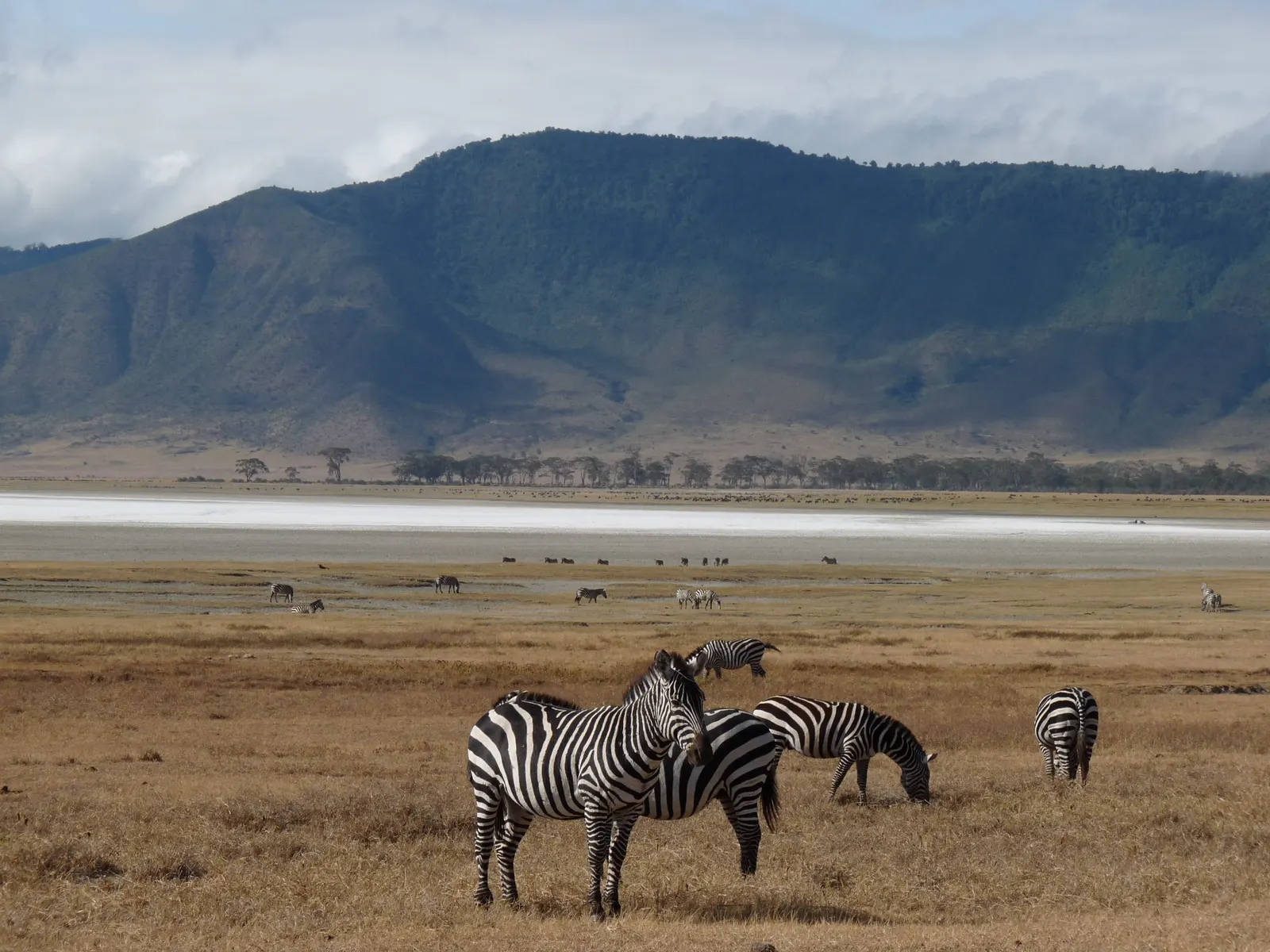
The floor covers roughly 260 square kilometres inside walls that rise several hundred metres above it, and within that space sits a genuine mix of habitat: open short-grass plains, the yellow-barked acacia stands of the Lerai forest, swampy ground, and the shallow soda water of Lake Magadi.
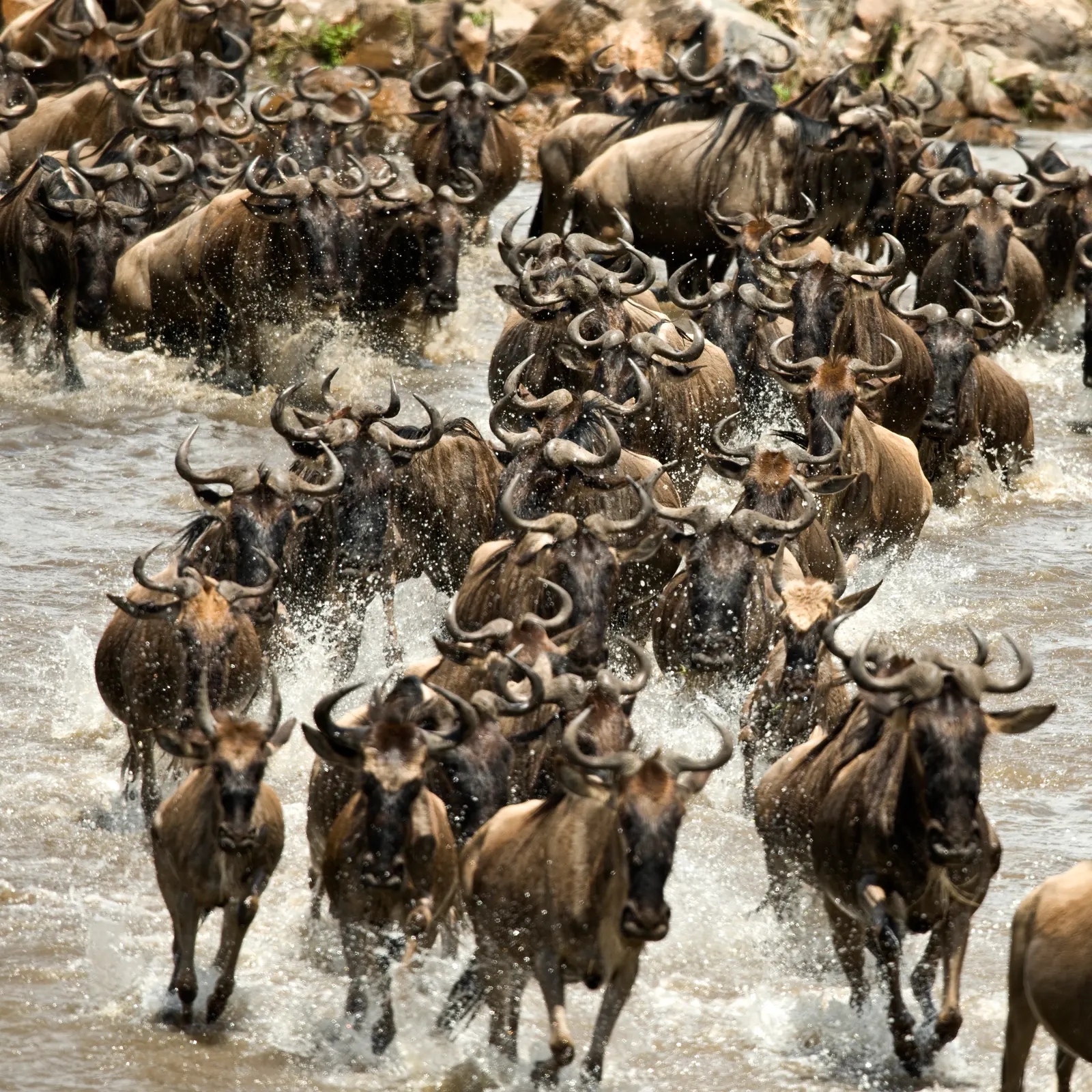
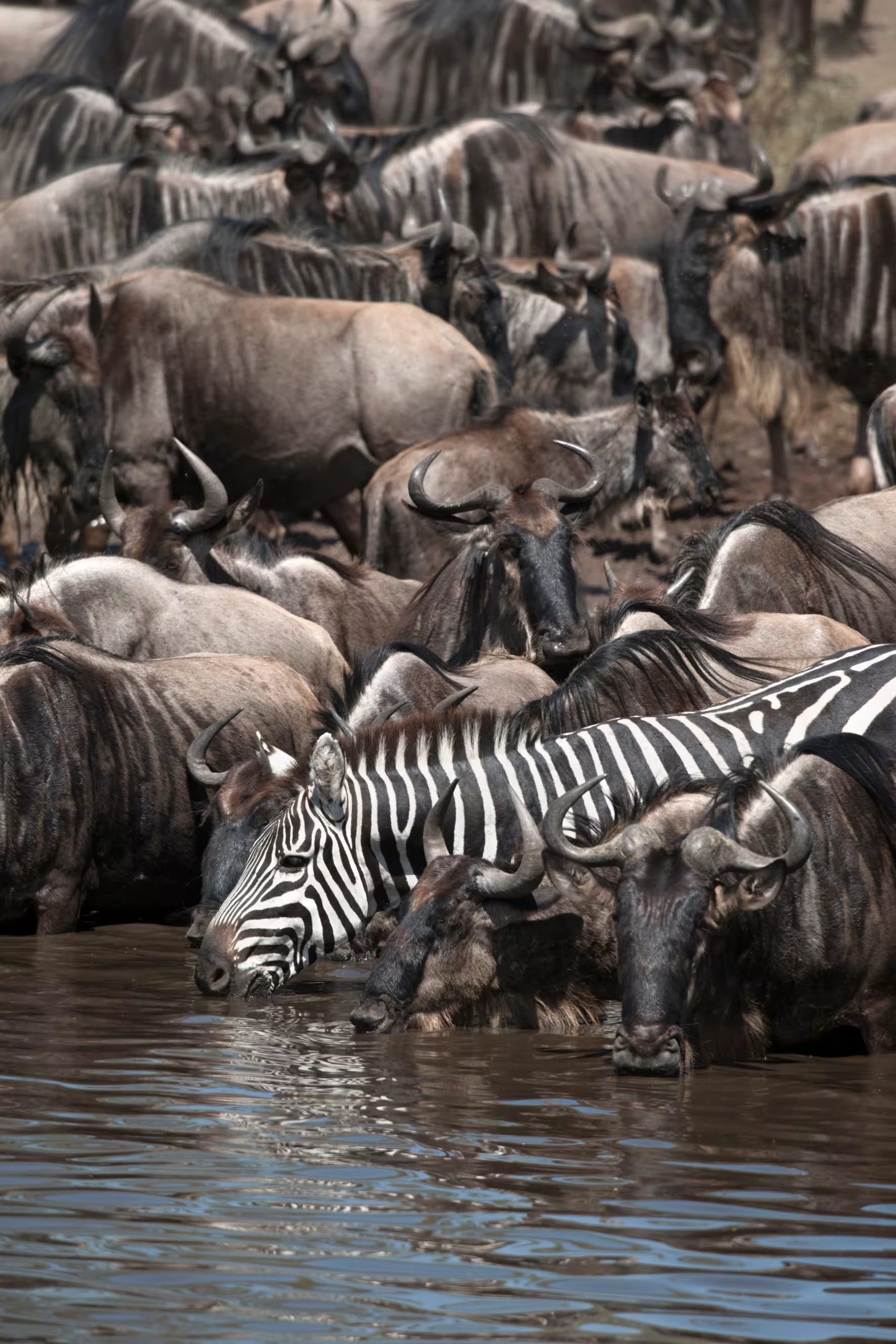
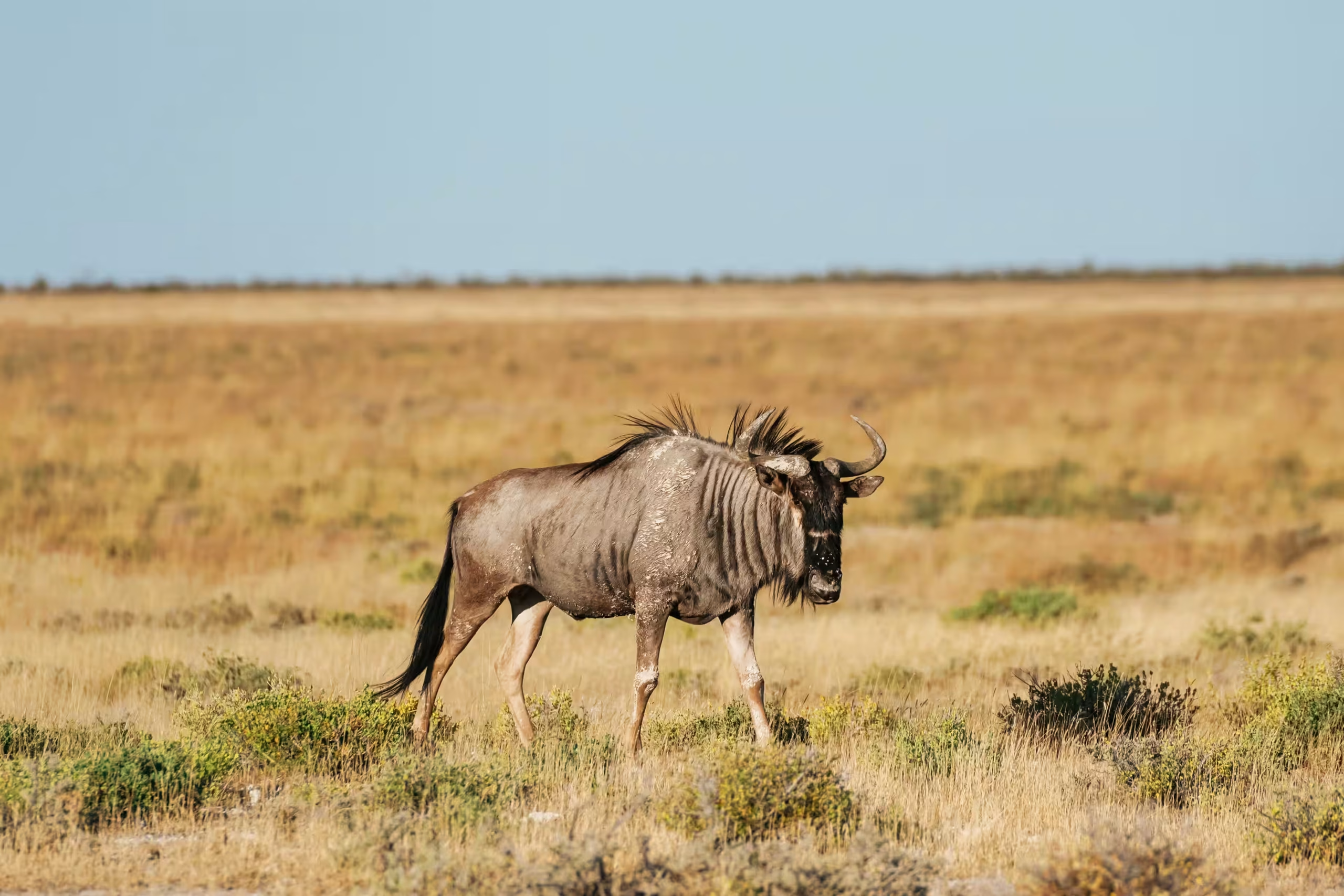
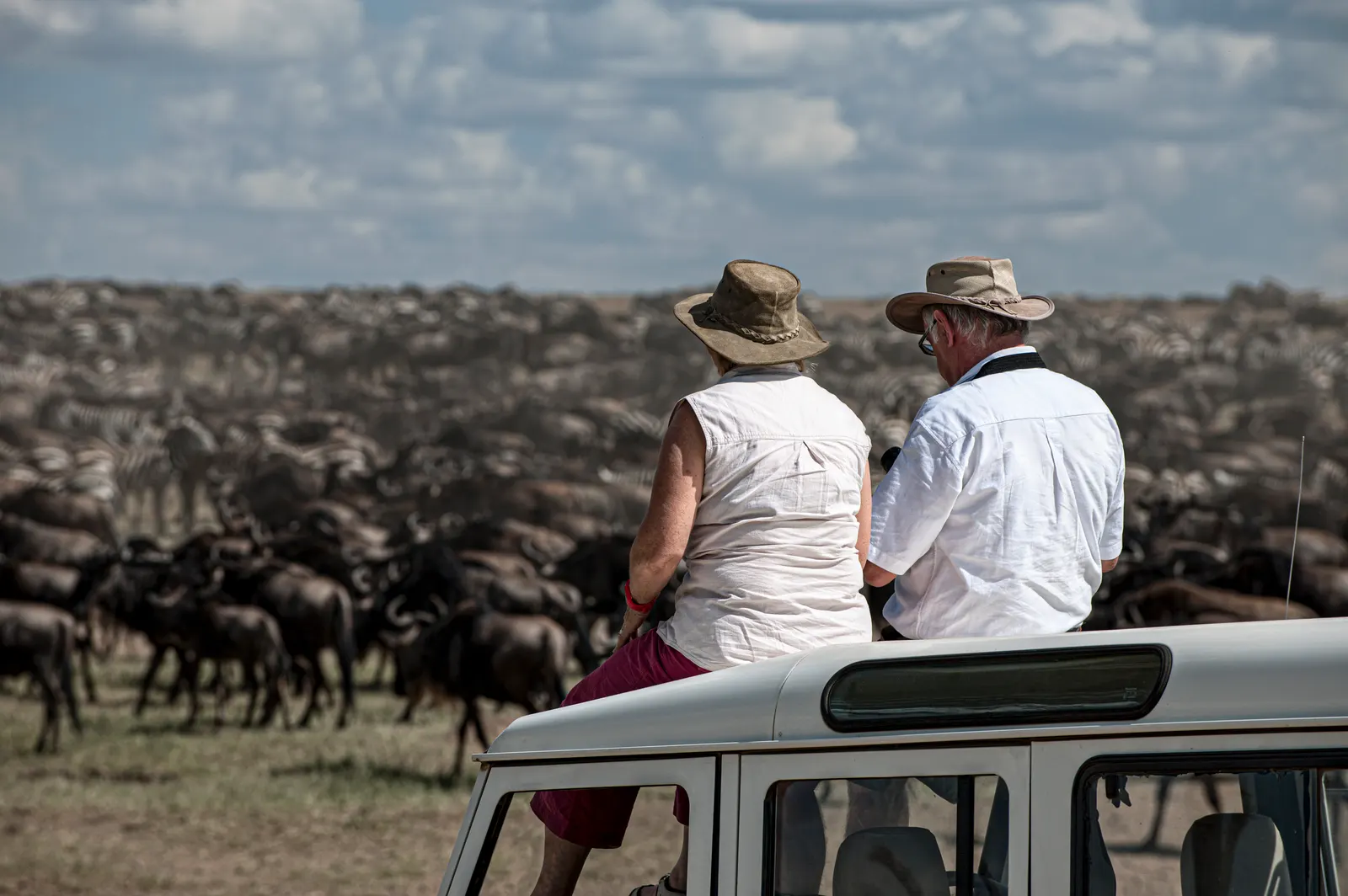
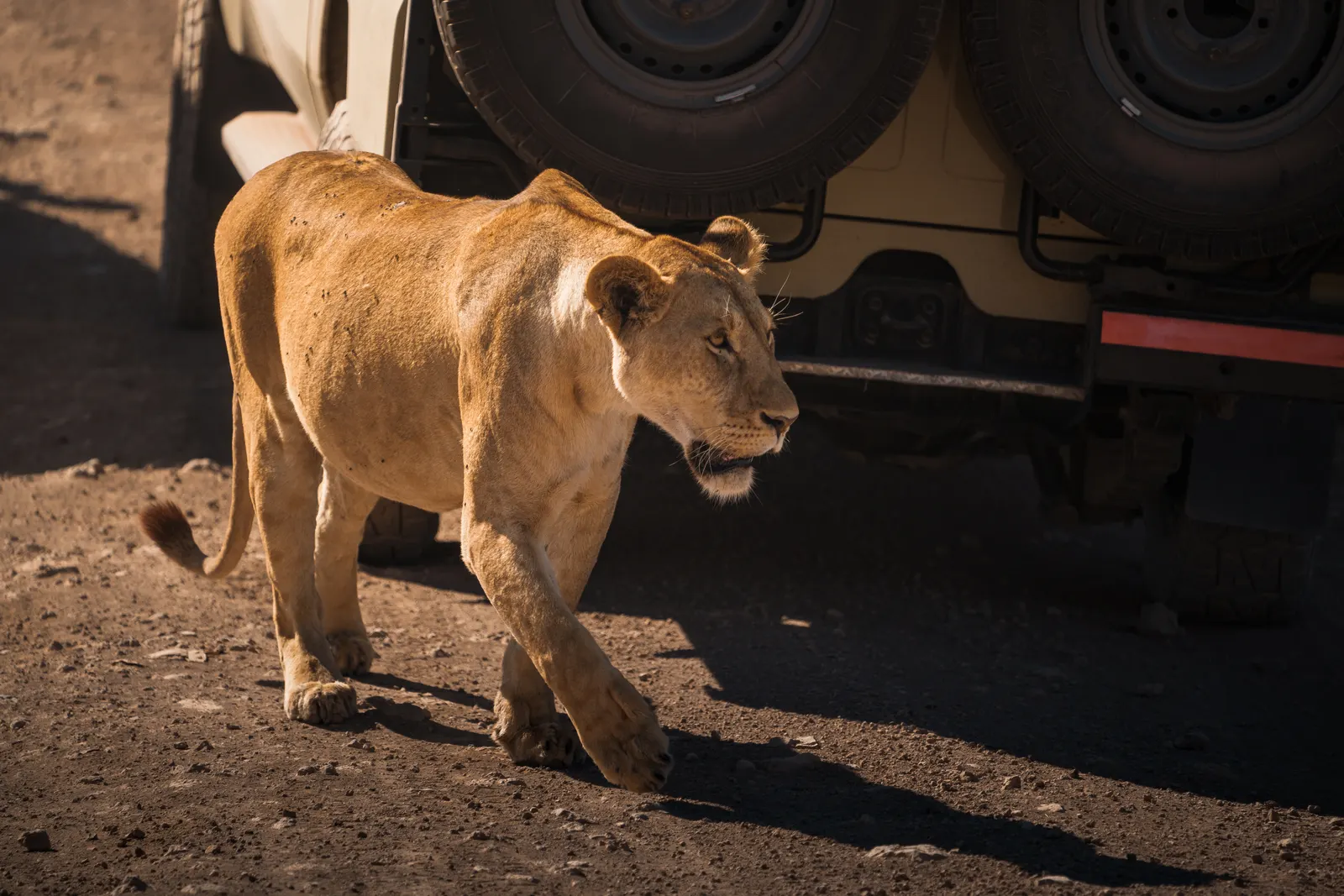
Because the crater’s wildlife is largely resident rather than migratory, density stays high most of the year, unlike the Serengeti, where the herds move on. Lion prides hold territories on the floor, spotted hyena run in some of the larger clans in East Africa, and a small, closely watched population of black rhino — the exact count is not published, but it is usually put at a few dozen animals — makes this one of the more reliable places in Tanzania to see one.
A few animals are missing. Giraffe are not found on the floor; the walls are thought to be too steep, or the grazing too poor, to be worth the climb. Leopard exist but are hard to spot on open grassland with nowhere to hide in a tree. Elephant on the floor are mostly older bulls — the same steep sides are a barrier for breeding herds travelling with young calves.
Ngoitokitok Springs: the lunch stop everyone makes
Vehicles cannot stop and picnic wherever they like — the floor has designated rest areas, and the one nearly everyone uses is Ngoitokitok Springs on the eastern side, a freshwater spring that also draws a resident pod of hippo close enough to watch over a packed lunch.
It gets busy in the late morning, for the plain reason that every vehicle on the floor is working to roughly the same descend-and-exit schedule. Black kites and other birds are used to open-sided vehicles and will take food from a hand or an unwatched plate, so keep lunch closed until you are actually eating it.
There is no lodge, shop or shaded seating beyond what the site itself offers, so what your vehicle packs is what there is for the day. Ask your operator what a crater-day lunch actually includes before you go, rather than assuming.
Crater costs at a glance (September 2026)| Fee | Who pays | Amount |
|---|
| Conservation area entry, adult | Per person, per 24 hours | $70.80 |
|---|
| Conservation area entry, child 5-15 | Per person, per 24 hours | $23.60 |
|---|
| Under 5 | — | Free |
|---|
| Crater service fee | Per vehicle, per descent | $295 |
|---|
Crater fees: what you pay and why
At the time of writing (September 2026), the Ngorongoro Conservation Area entry fee for a non-resident adult is USD 70.80 per person per 24 hours, and USD 23.60 for a child aged 5 to 15; under-5s are free. That fee covers the conservation area generally, not the crater floor itself.
Getting a vehicle down to the floor costs an additional USD 295 crater service fee, charged per vehicle per descent rather than per person, so a full vehicle spreads the cost further than a couple travelling alone. This is on top of the entry fee, not instead of it.
These are the published TANAPA/NCAA tariffs and can change without much notice, so treat them as current rather than fixed. For where fees like these actually go, see
our piece on park fees; for the wider area around the crater, see the
Ngorongoro guide.
Questions people ask
Is there a strict time limit on the Ngorongoro Crater floor?
Not a fixed hours cap by name. The rule is that the descent gate stops admitting new vehicles at 16:00 and every vehicle must be out by 18:00. The “six hours” people quote is how most operators actually use that window, driven by the per-vehicle crater fee and by animals going quiet in the afternoon heat.
What time do you have to leave the Ngorongoro Crater?
By 18:00, when the conservation area’s general driving hours end. No new vehicle is allowed to descend after 16:00, so anyone planning a late start should ask their operator whether that still leaves enough time on the floor.
How much does the Ngorongoro Crater cost in 2026?
At the time of writing (September 2026), non-resident entry is USD 70.80 per adult and USD 23.60 per child aged 5 to 15, per 24 hours, plus a USD 295 crater service fee per vehicle per descent. Under-5s are free.
Can you see the Big Five in the Ngorongoro Crater?
Lion, elephant, buffalo and black rhino are all realistic. Leopard is the hard one: it exists on the floor but has little cover on open grassland, so sightings are far less reliable than in wooded parks.
Why are there no giraffe in the Ngorongoro Crater?
There is no single confirmed reason. The most repeated explanation is that the crater’s steep walls are too difficult for giraffe to descend, or that the floor’s grazing does not suit a browser; either way, giraffe stay up on the rim.
Where do you eat lunch on a Ngorongoro Crater game drive?
At a designated picnic site rather than wherever you stop. Ngoitokitok Springs, on the eastern side, is the one most vehicles use, and it comes with a resident hippo pool and birds that will take food left unwatched.
How do you get down into the Ngorongoro Crater?
By vehicle, down one of a small number of steep descent roads from the rim, a drop of several hundred metres in a few kilometres. Most itineraries use a separate road to come back up, so the route in and out is not the same track.
Is the Ngorongoro Crater worth a full day?
Most visits are one descent of around six hours rather than a literal sunrise-to-sunset day, and the crater fee is charged per descent either way. Ask your operator what hours are actually planned before assuming which you are getting.
Travel it
Journeys built around this
Last updated 13 September 2026