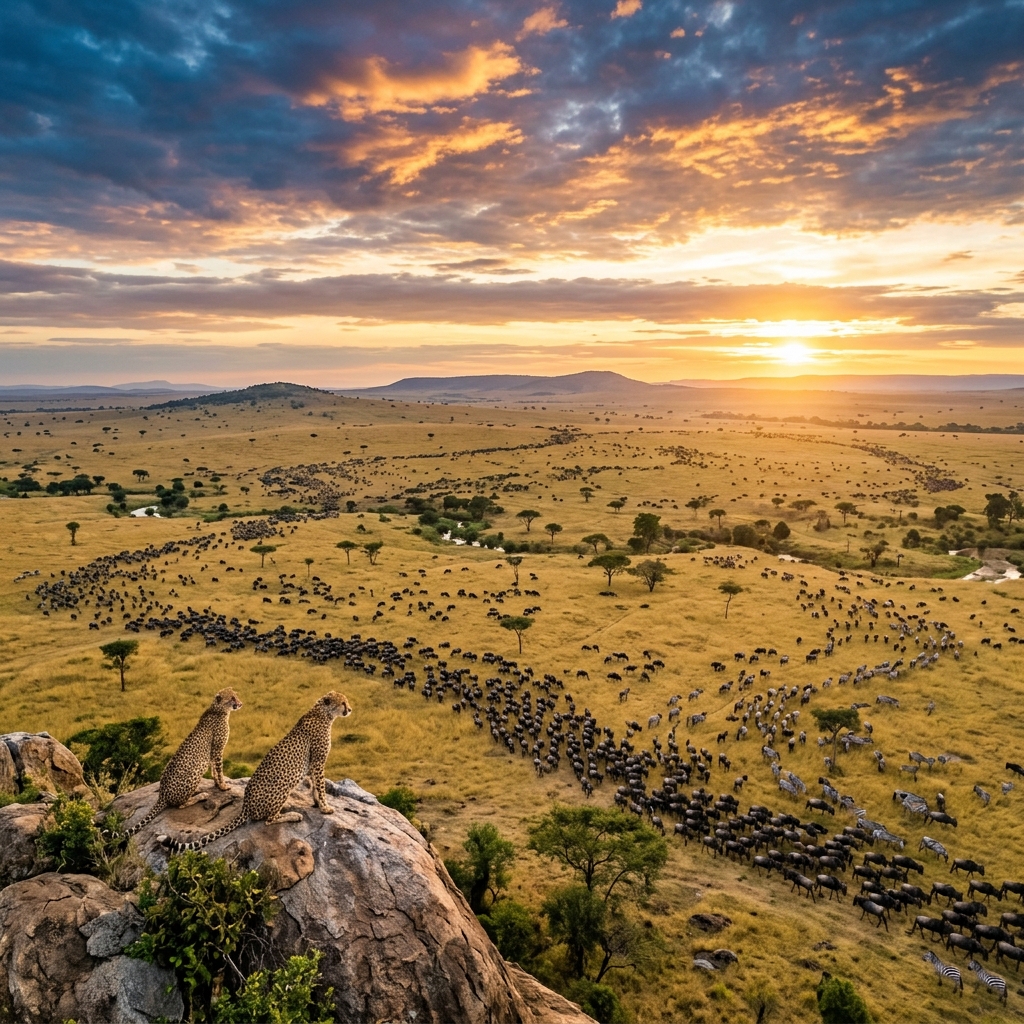
Tarangire holds the largest elephant population in northern Tanzania, an estimated 2,500 to 3,000 animals, in a park a fraction of the Serengeti’s size. The reason is water: the Tarangire River keeps flowing long after every other source for miles has dried up, and from June the whole ecosystem funnels towards it.
What follows is why the river matters as much as it does, what the dry season does to the rest of the park, how to watch a herd without crowding it, and what a concentration of elephants this size does to the baobabs they feed on.
The short answer
Tarangire holds the largest elephant population in northern Tanzania, an estimated 2,500 to 3,000 animals, because the Tarangire River is the only permanent water for miles once the dry season sets in from June. Herds of several hundred gather along its banks, alongside some of the region’s oldest baobab trees.
Why they come to the river: water in a dry landscape
The Tarangire River is fed from the highlands to the south and keeps a permanent flow even in the driest months, which makes it the exception in a landscape where most seasonal water sources vanish by July. Its course through the park is short, so the animals it draws are packed into a narrow band of country rather than spread across the whole park the way they are in the rains.
As the surrounding plains and swamps dry out, elephant move towards the river from well beyond the park’s own boundary, part of a wider seasonal pattern across the Tarangire-Manyara ecosystem in which herds range onto community land in the wet season, sometimes tens of kilometres from the park, and return to the river as it dries.
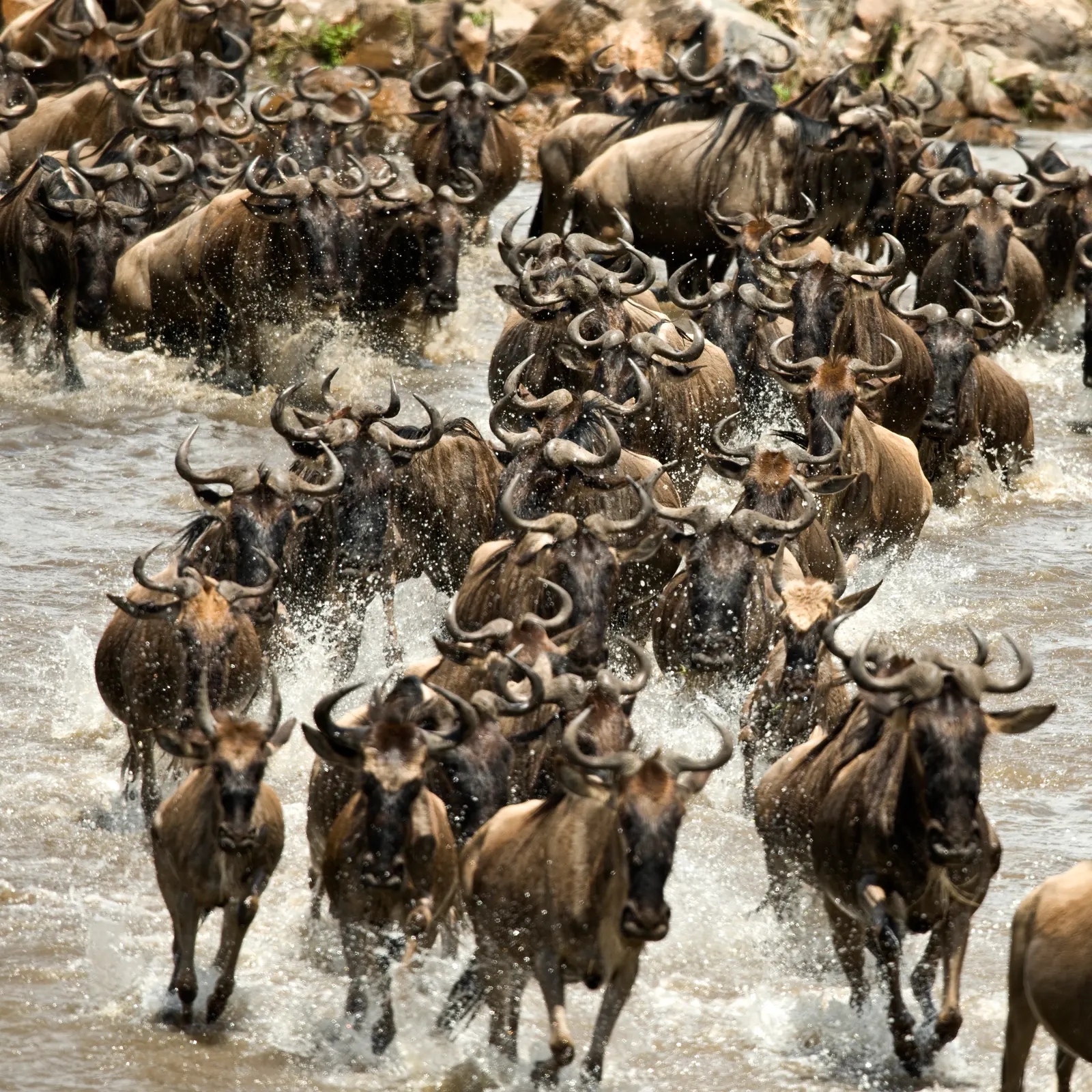
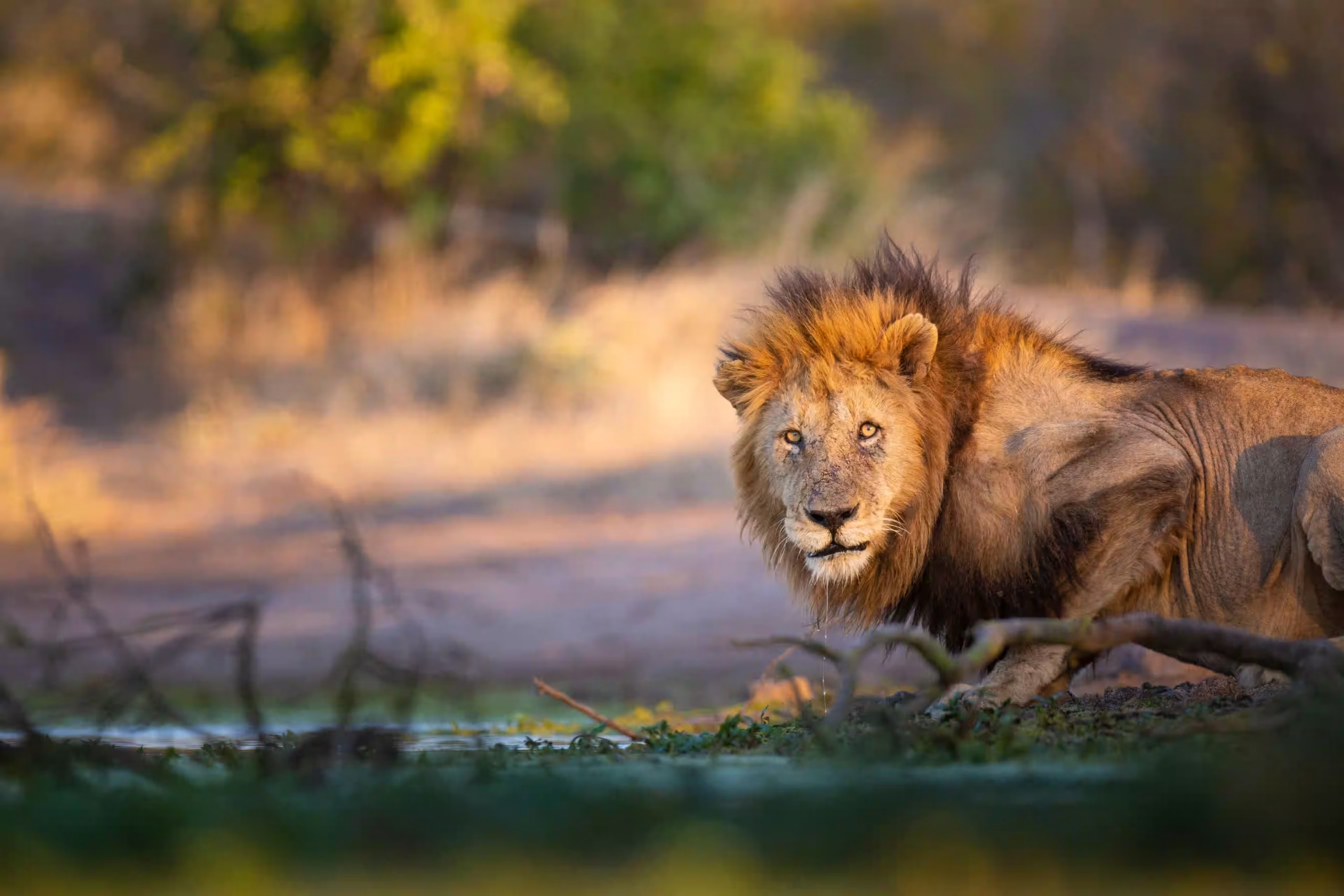
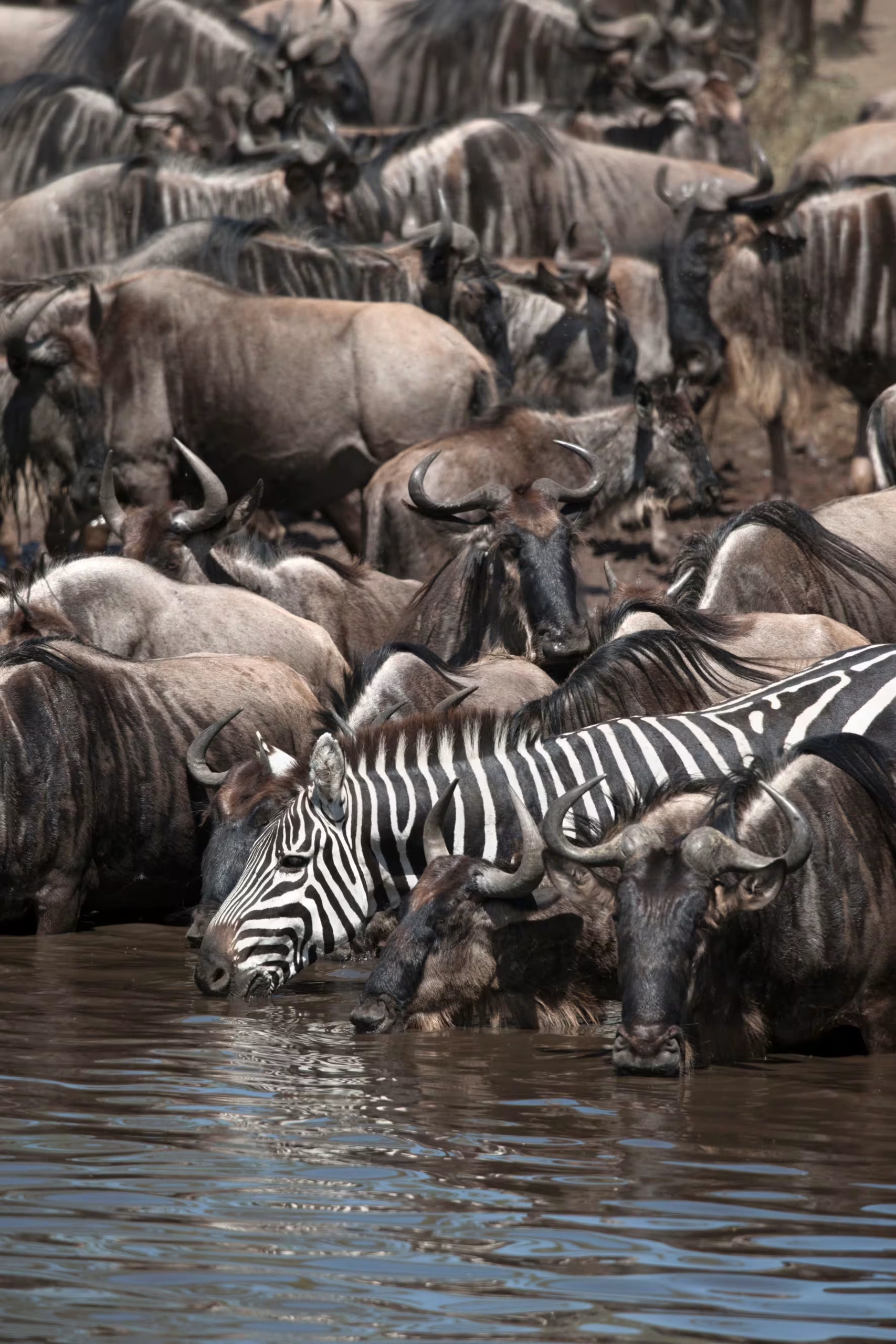
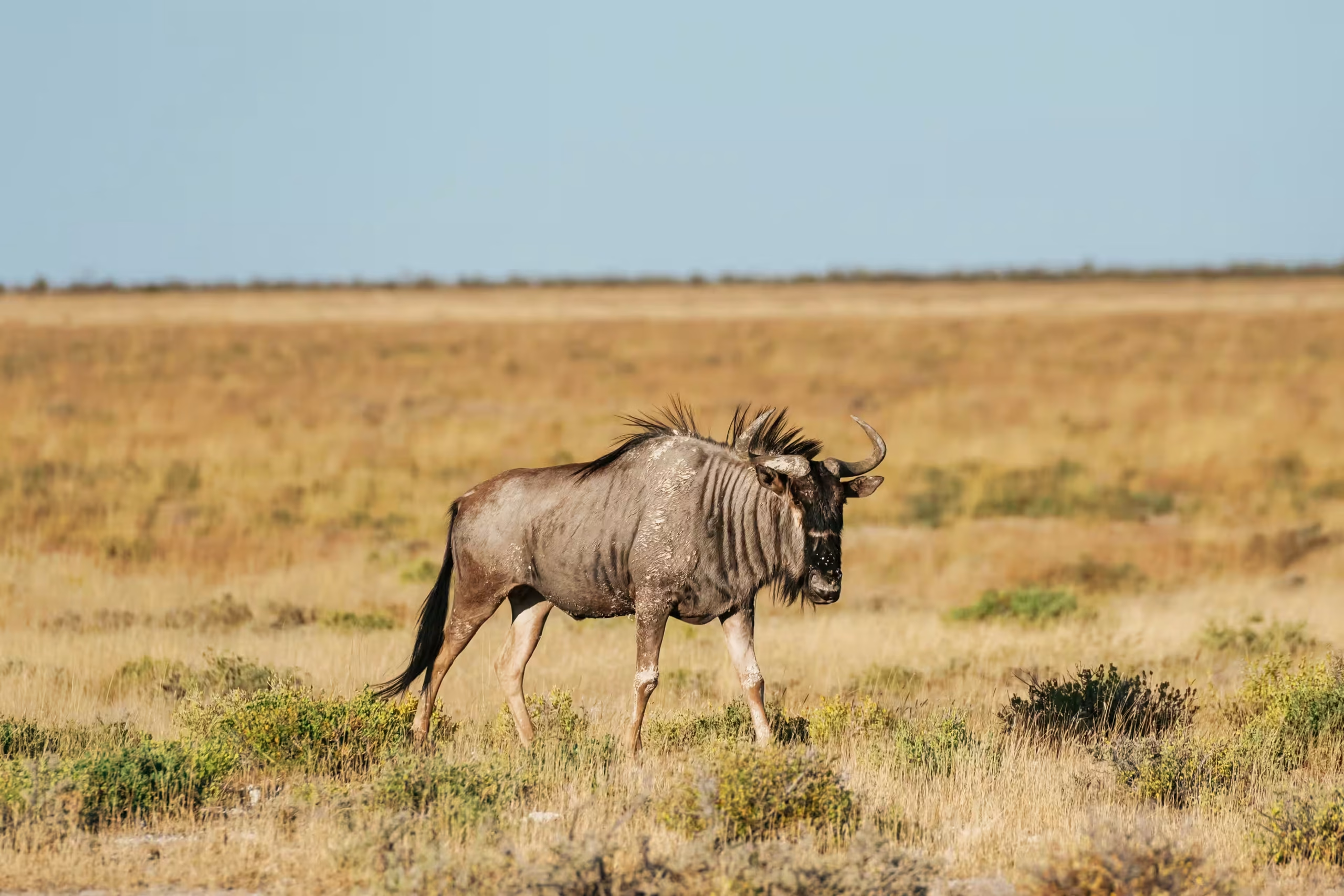
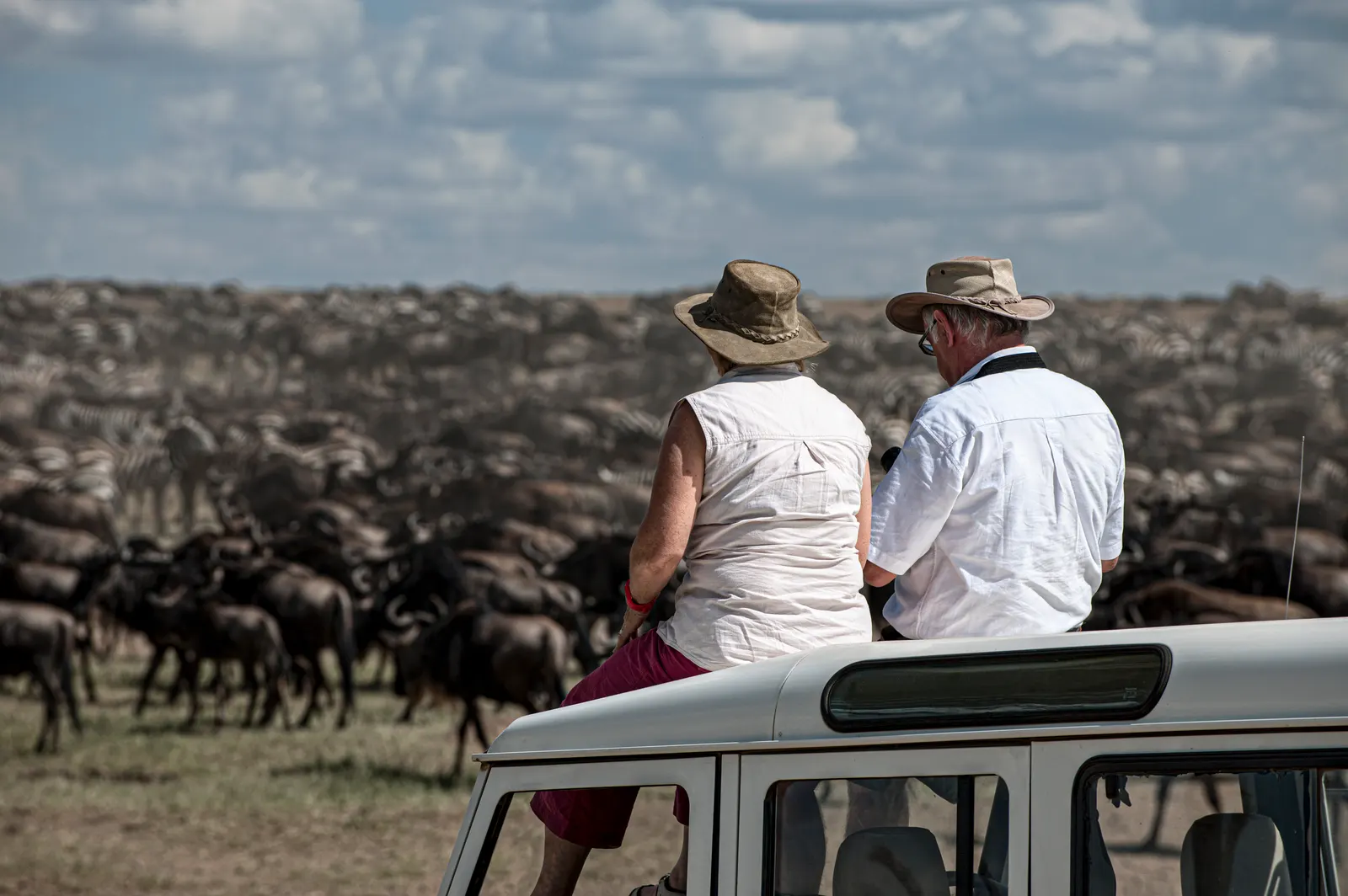
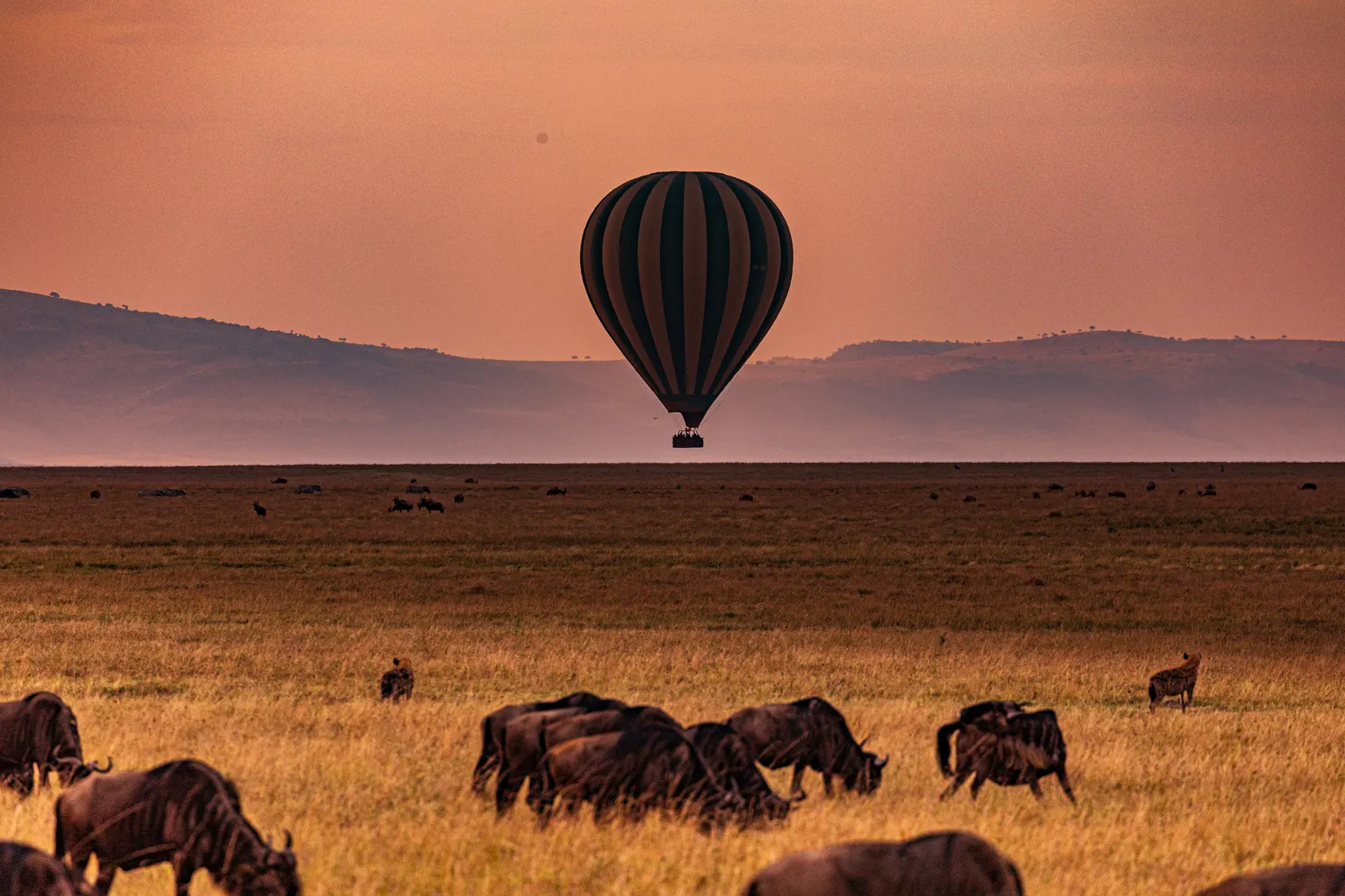
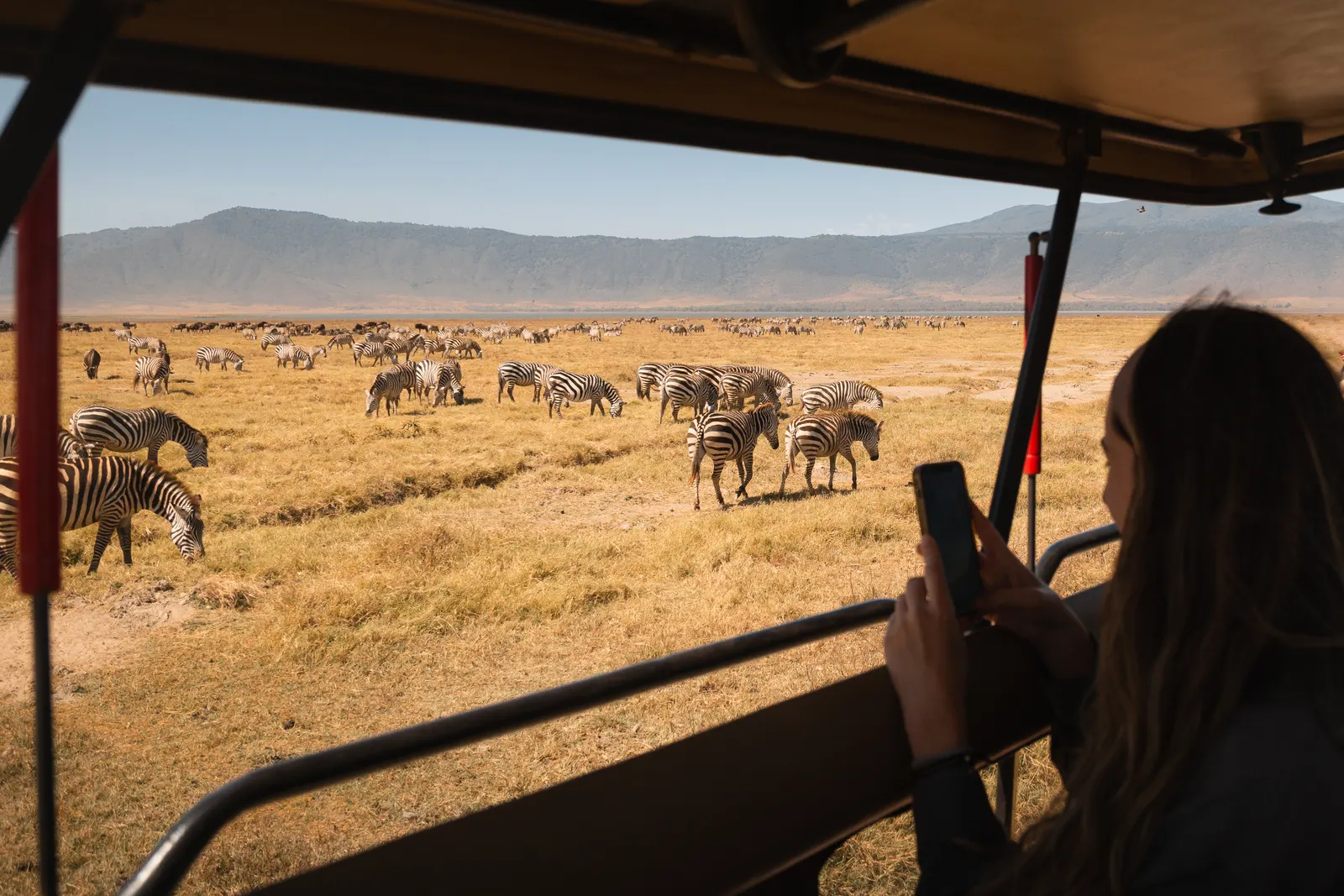
By August the river valley is carrying far more animals than the rains-season landscape ever shows, and elephant are only the most visible of them — buffalo, zebra and wildebeest follow the same water, and the predators that follow the herds are never far behind. Our
Tarangire: Elephants & Baobabs journey is timed for this exact stretch of the year, when the concentration is at its most reliable.
The dry season: what it does to the rest of the park
From June to October, Tarangire’s game viewing rivals anything else in the northern circuit, and it is entirely a function of the dry season. Elsewhere in the park, away from the river, the ground turns to dust, the grass is grazed down to bare earth, and most animals have already left it for the river corridor.
This concentration is also why the southern swamps, reachable on a full day away from the river itself, reward the effort — the biggest herds often gather there rather than at the more visited northern stretches near the main gate, and far fewer vehicles make the drive south to find them, even in the busiest months.
From November the rains return, the grass greens up within days, and the elephant disperse back across the wider ecosystem in family groups rather than the large aggregations the dry season produces. Game viewing in the wet season is quieter and less concentrated, which some travellers prefer for exactly that reason, even though the certainty of a large herd along the river is lower and several of the smaller seasonal camps close for the rains entirely.
Watching a herd properly
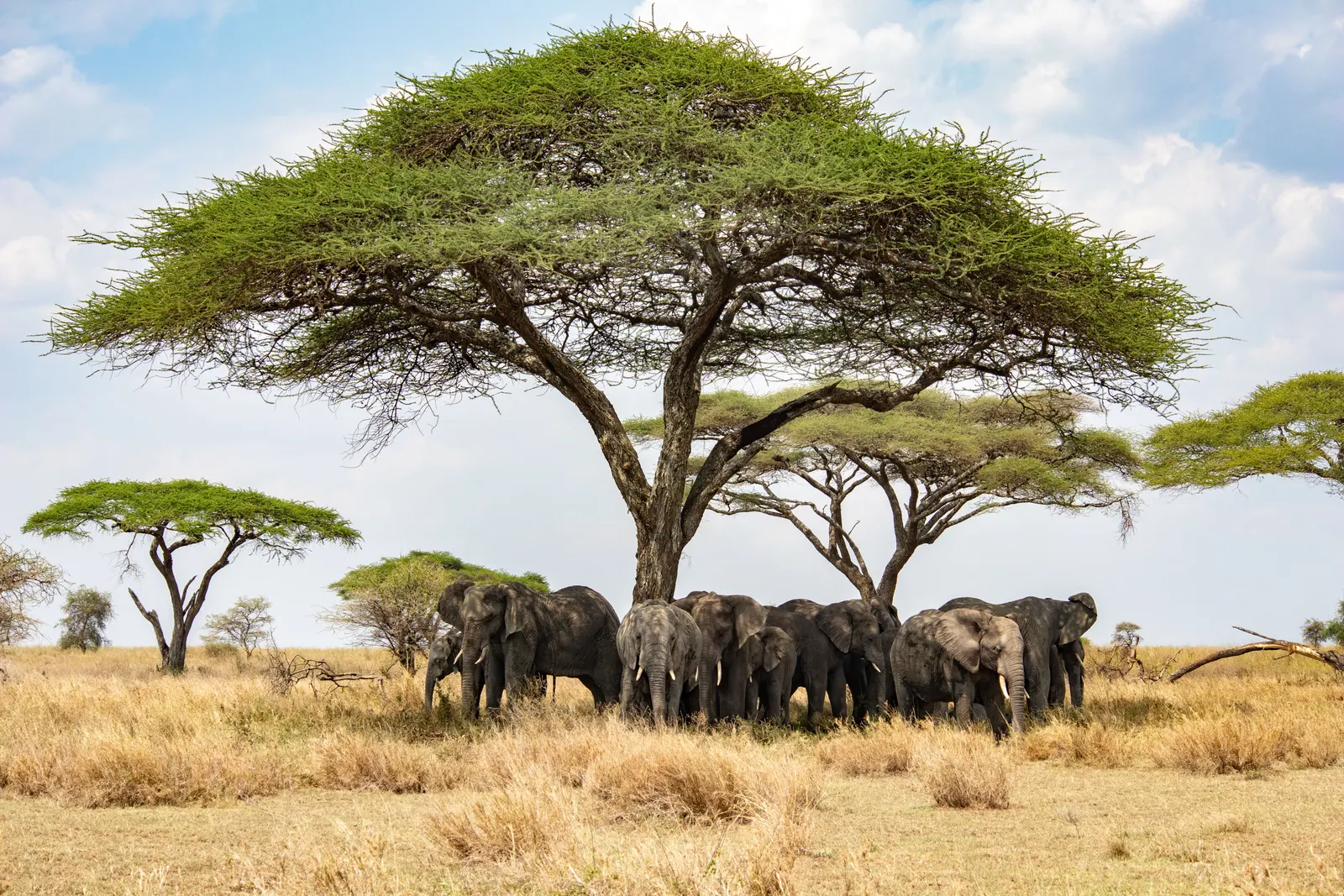
A family group is led by a matriarch, usually the oldest female, with related females and calves of several ages moving as one unit and rarely straying far from her. Bulls are typically solitary or in loose bachelor groups once they leave the family at around twelve to fifteen years old, and are the ones most often seen alone near the river at midday.
The behaviour worth watching for is subtler than a charge: raised ears held out rather than flat, a lifted trunk testing the air, or a family closing ranks around a calf are all signs a herd wants more space. A good guide reads these and backs the vehicle away before they escalate into a mock charge rather than after one has already started.
A bull in musth — recognisable by temporal-gland secretion running down the side of the face and a wet, dribbling penis sheath — is best watched from further back again and never approached head-on. Musth bulls are more unpredictable than the rest of the population, and guides who know the resident bulls by sight will usually say so before you are close enough to need telling.
The baobabs: what the elephants do to them
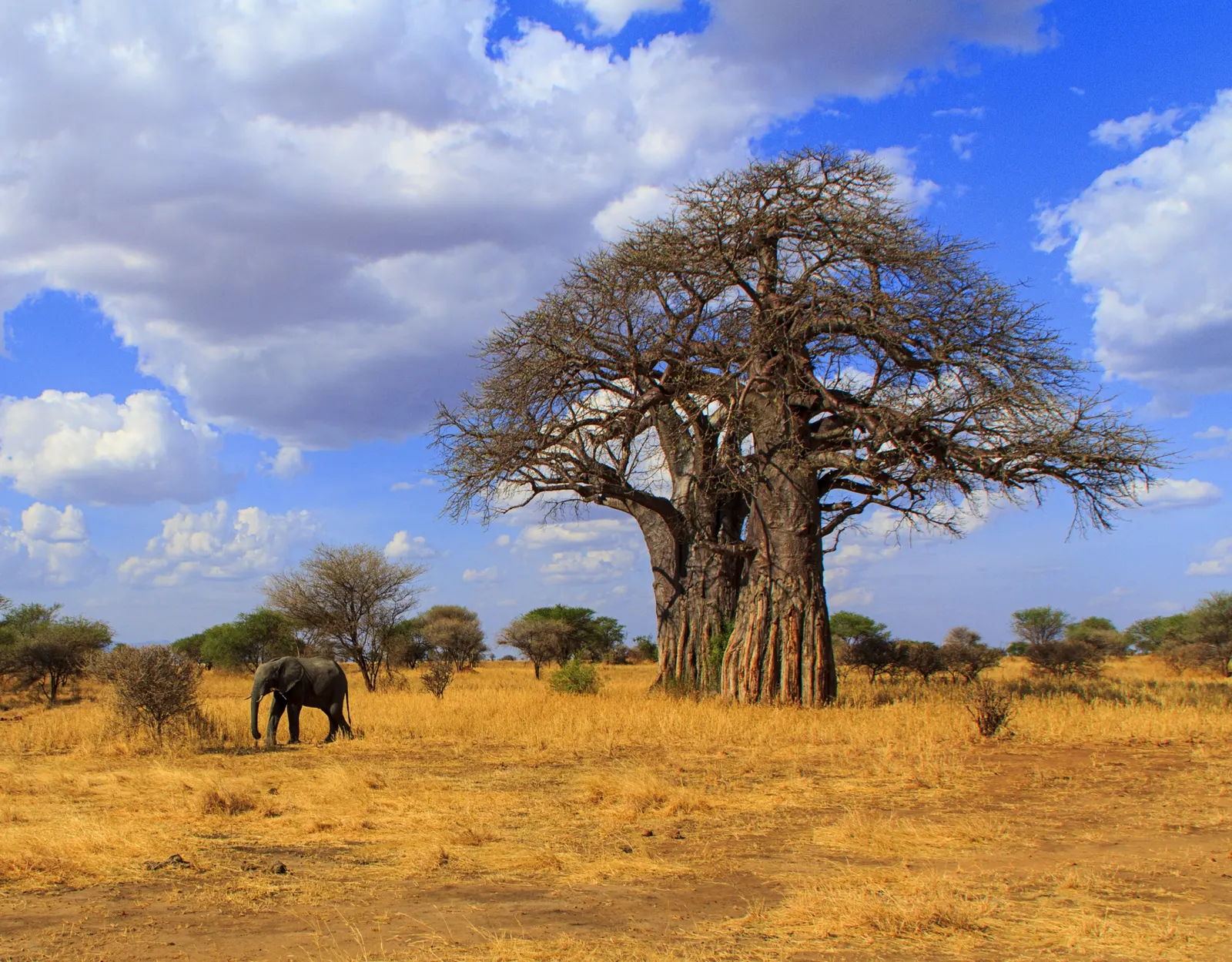
Tarangire’s baobabs are among the oldest living things most visitors will ever see close up, their swollen grey trunks visible for kilometres above the flat acacia scrub. Because the tree does not form annual growth rings the way most trees do, no individual trunk can be dated exactly, but many of the largest are widely thought to be several centuries old.
Elephants strip bark from the trunk with their tusks to reach the moist, fibrous wood underneath, especially when water is short and the river is the only easy alternative. The pale scars this leaves can last for decades, and on the most heavily used trees near the river the damage is visible from some distance, sometimes running most of the way around the trunk.
Most mature baobabs survive this for generations rather than being killed by it, and the hollows that open up in a scarred trunk become nesting and roosting sites for hornbills, barbets and smaller mammals that would otherwise have nowhere to shelter on an open plain — a tree that looks wounded is often, on closer look, supporting more life than an untouched one nearby. There is a genuine tension in it even so: a landscape carrying this many elephants asks a lot of the individual trees that feed and water them in the driest months, and not every baobab recovers from decades of the same bark being worked at. It is one of the few places where the density that makes the wildlife viewing so good is also, visibly, a cost the vegetation is paying — worth a conservation-minded look at Tarangire rather than only a postcard one.
Questions people ask
Why does Tarangire have so many elephants?
The Tarangire River is the one permanent source of water across a wide area once the dry season starts in June. Elephant, along with buffalo, zebra and wildebeest, converge on it from the surrounding land, producing the densest elephant concentration in northern Tanzania.
How many elephants live in Tarangire?
Estimates put the resident population at roughly 2,500 to 3,000, though the number moves with the season as animals disperse across the wider ecosystem in the rains and concentrate in the park when it dries out.
When is the best time to see elephants in Tarangire?
June to October, the dry season, when herds of several hundred gather along the river. From November to May much of the population disperses onto the surrounding plains, and sightings are smaller and less predictable.
Do elephants damage the baobab trees in Tarangire?
Yes. They strip bark from the trunk to reach the moisture and fibre stored inside, leaving pale scars that can last for decades. Most mature trees survive this for generations, and the hollows it opens up become shelter for birds and smaller animals.
How old are the baobabs in Tarangire?
Baobabs do not form annual growth rings, so an exact age is hard to give for any single tree. Many of the largest are widely thought to be several centuries old, though that figure is an estimate rather than a measurement.
Is Tarangire better than the Serengeti for elephants?
For sheer concentration in the dry season, yes — nowhere else in northern Tanzania gathers elephant in the same numbers along so short a stretch of river. The Serengeti has the wider range of species and the migration; Tarangire has the elephants.
How close can a vehicle get to an elephant herd?
Closer than is comfortable is not the aim. A good guide keeps the engine idling or off, gives a matriarch’s family group a wide, unhurried berth, and backs away at the first ear-flap or mock charge rather than waiting for a real one.
What else lives in Tarangire besides elephants?
Buffalo, giraffe, zebra, wildebeest, impala and eland in large numbers, tree-climbing lion, and species found almost nowhere else in the north — fringe-eared oryx, lesser kudu and the long-necked gerenuk.
Travel it
Journeys built around this
Last updated 13 September 2026