BOAT SAFARI
Nyerere: River, Plains & Boat Safari
Per guest, from:
$5,140
$857 per night
DESTINATIONS
SAFARI COLLECTIONS
LIFE ON SAFARI
WHY PLACES OF AFRICA
EXCLUSIVE OFFERS
Declared a UNESCO World Heritage site in 1982 and Africa's largest protected area, the former Selous Game Reserve was renamed Nyerere National Park in 2019. It is a landscape defined by water — the Rufiji River braids through it in a maze of channels, oxbow lakes and sandbanks, and that water makes possible the two things that set Nyerere apart from the northern parks.
Here you can leave the vehicle behind entirely and explore on foot or by boat.
BOAT SAFARI
Nyerere: River, Plains & Boat Safari
Per guest, from:
$5,140
$857 per night
BOTH SOUTHERN PARKS
Southern Explorer: Ruaha & Nyerere
Per guest, from:
$8,650
$865 per night
The best months by a clear margin. Game concentrates along the Rufiji and the lake system, walking conditions are ideal and every camp is open.
Brief afternoon showers, green landscapes and newborn antelope. Wild dog packs are typically denning, which makes them far easier to find.
Lush, dramatic and superb for birds, with migrants from Europe and Asia in residence. Some camps close from March and heavy rain can restrict access.
Iconic Nyerere Wildlife
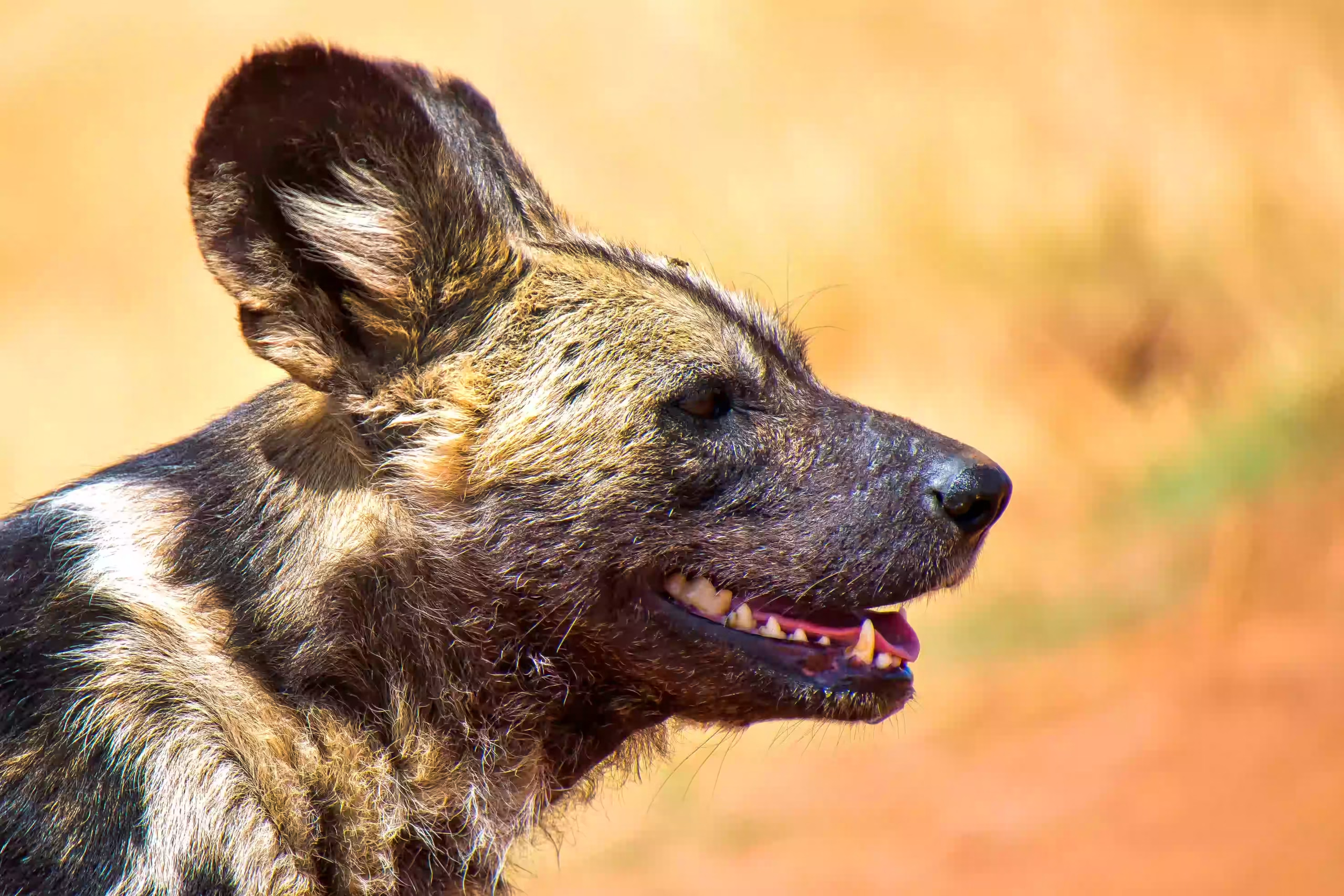
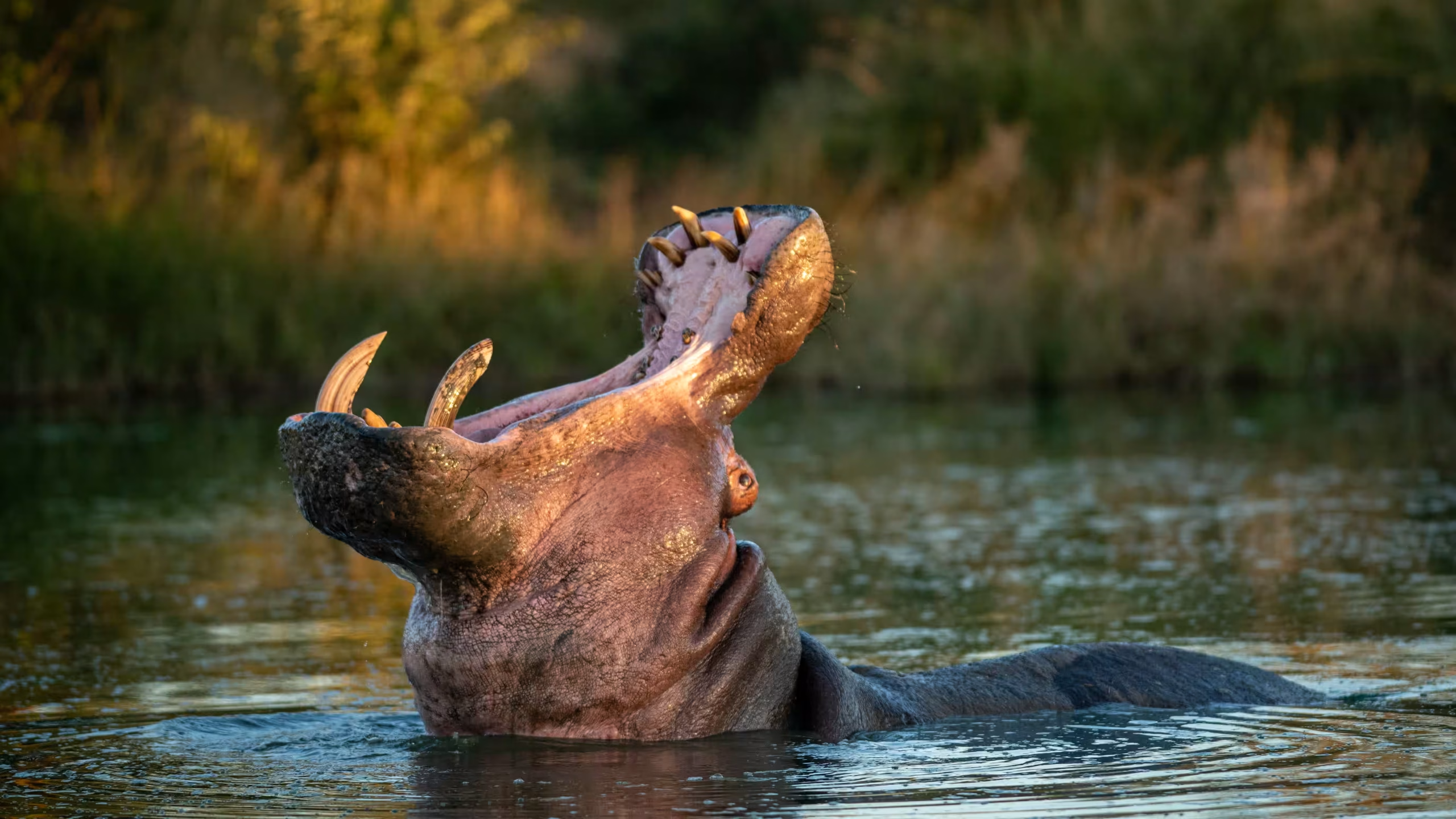
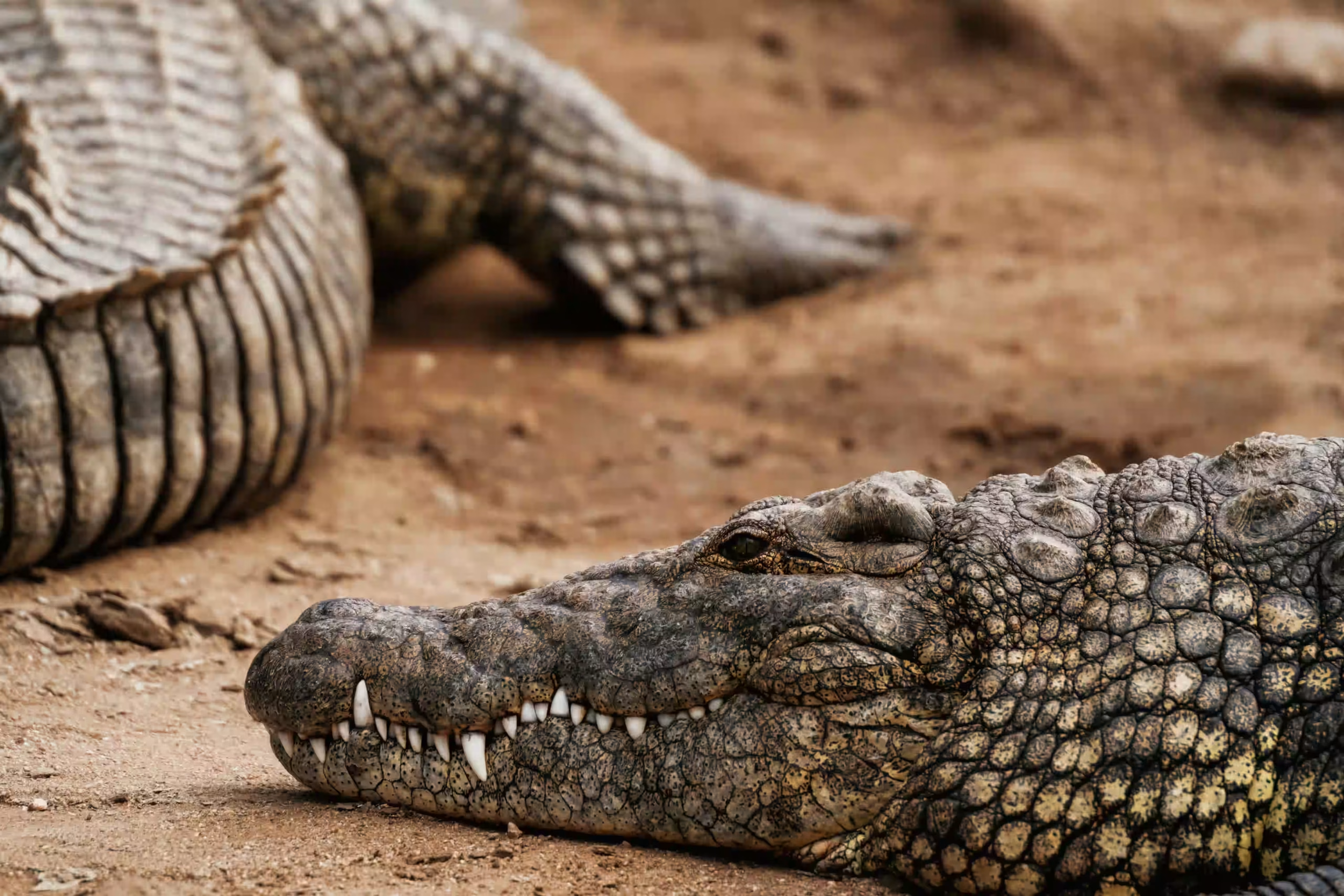
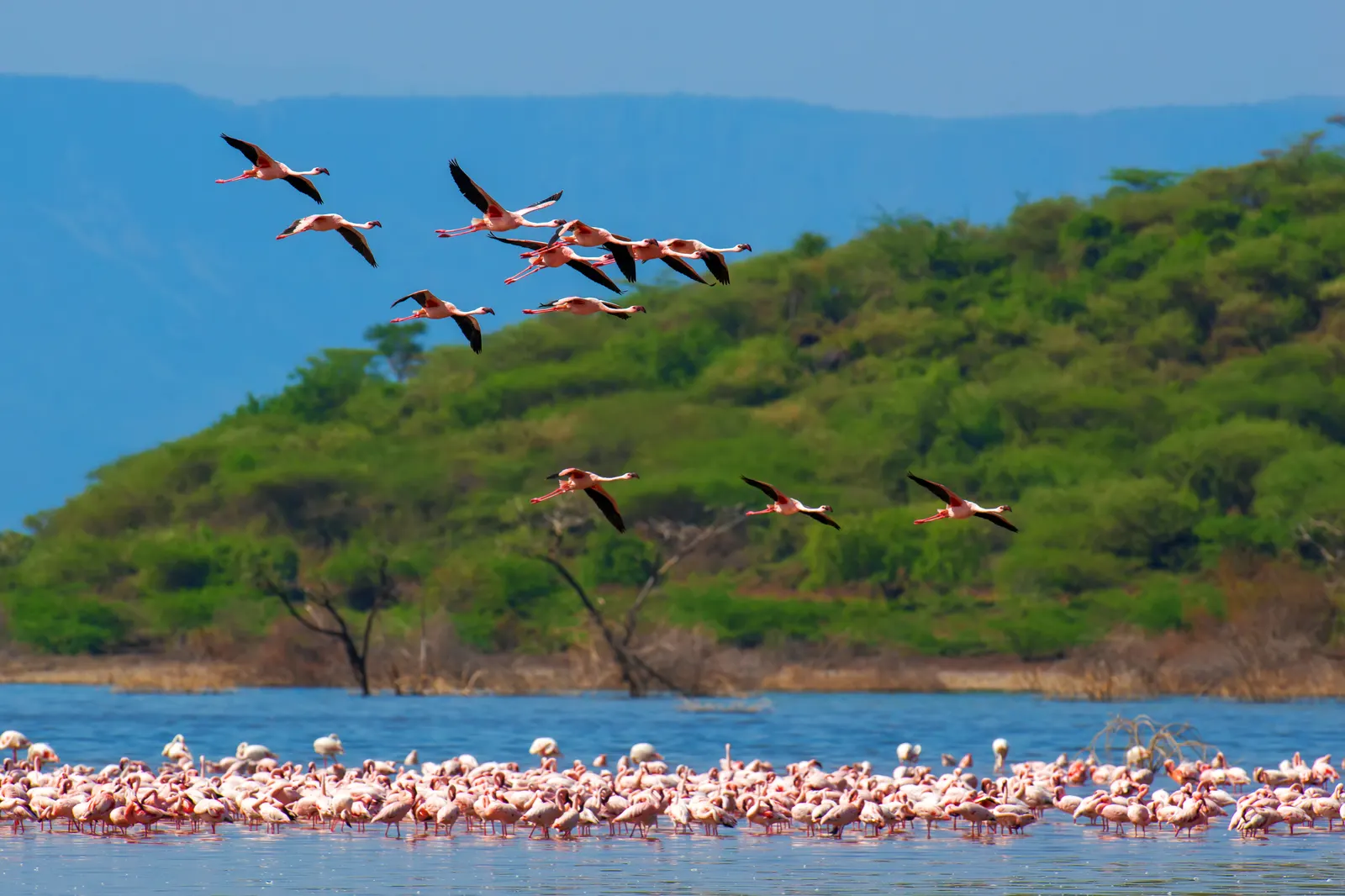
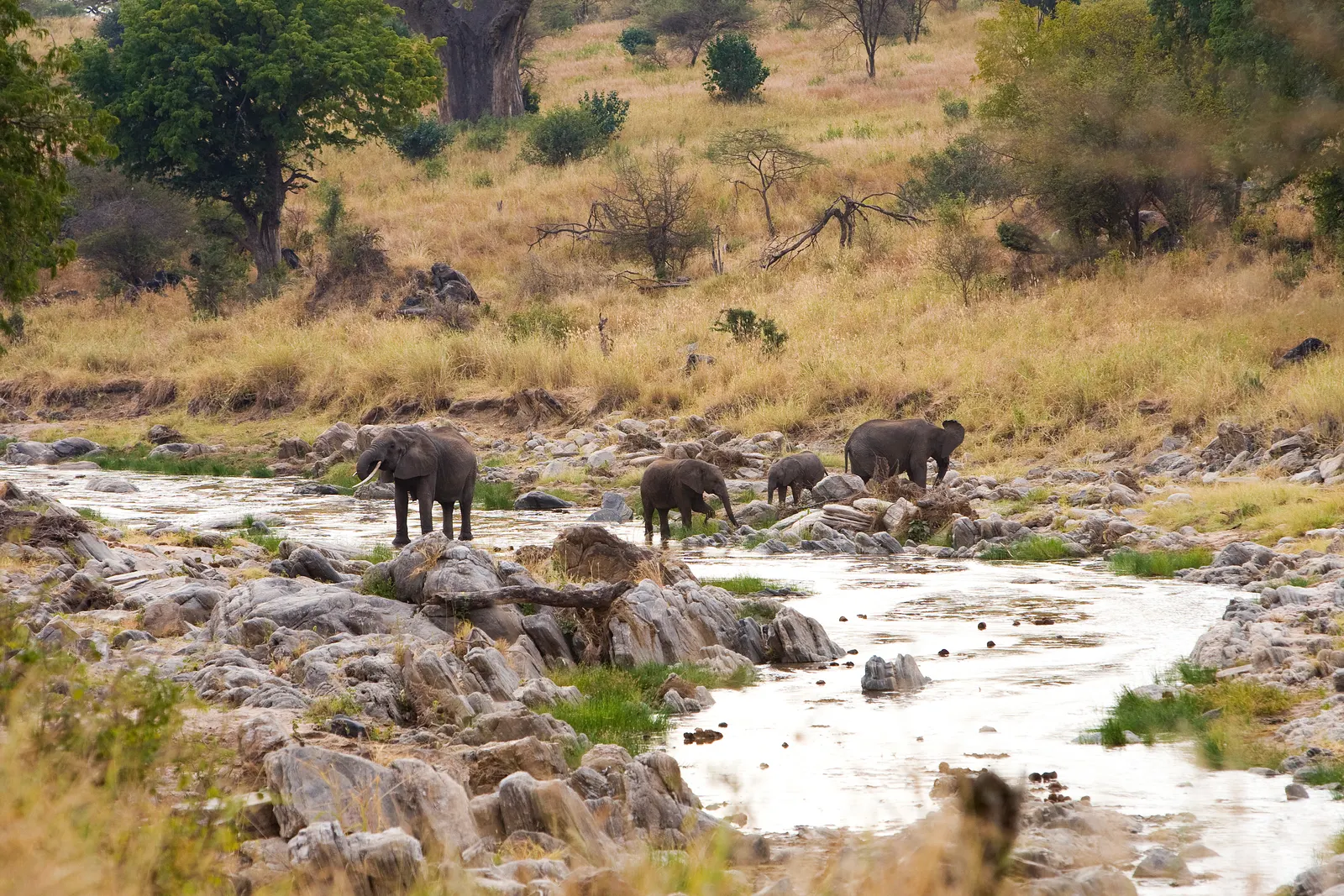
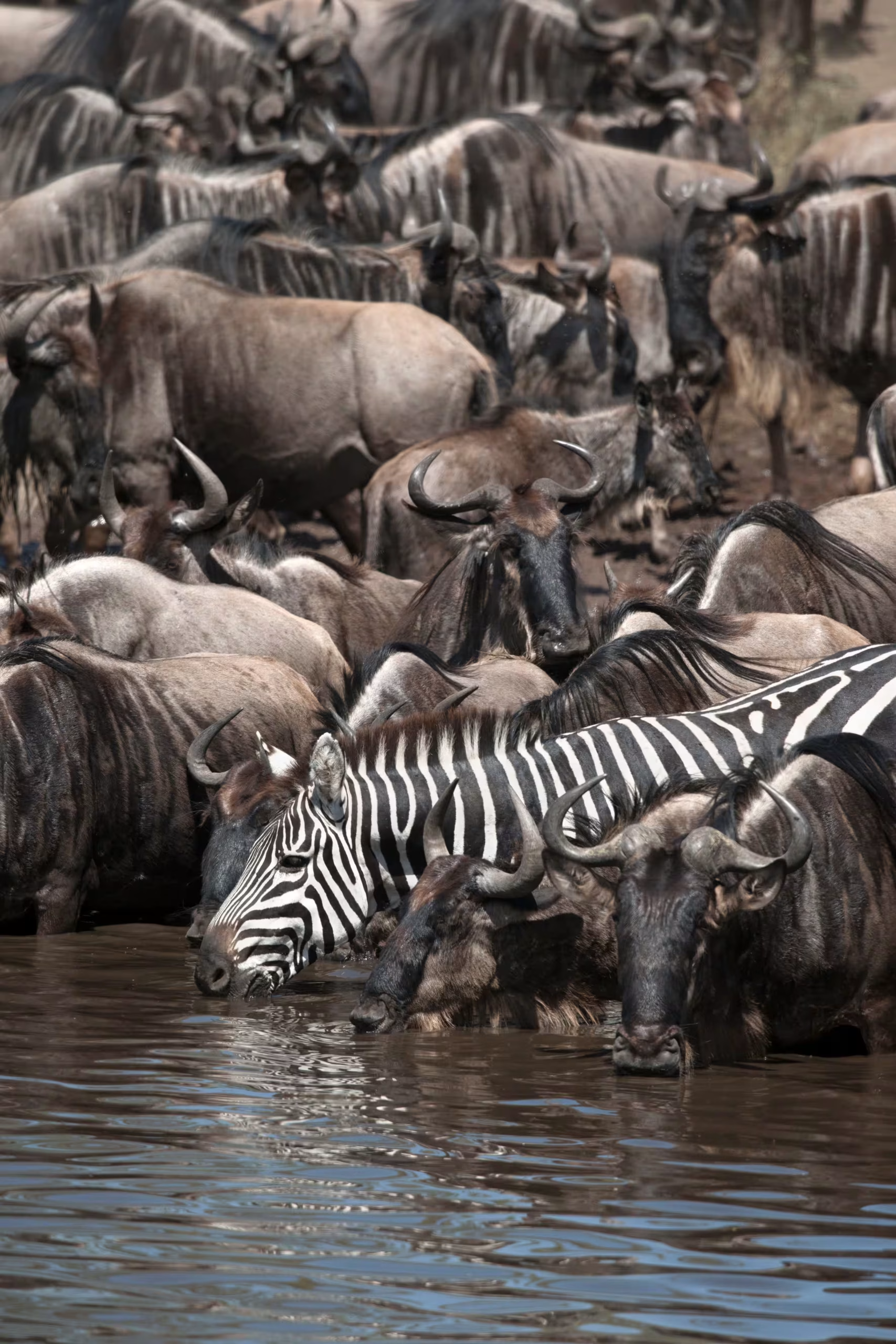
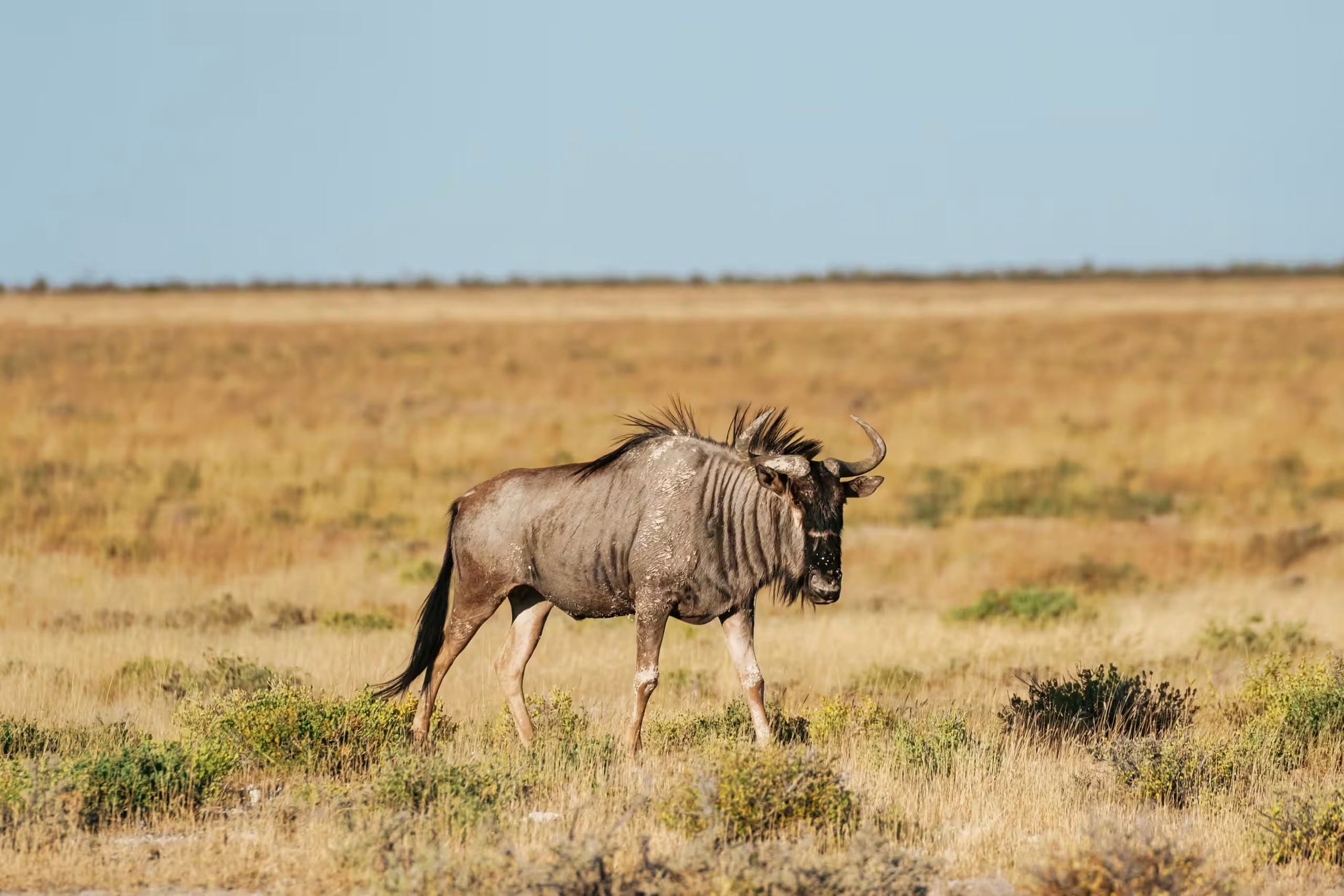
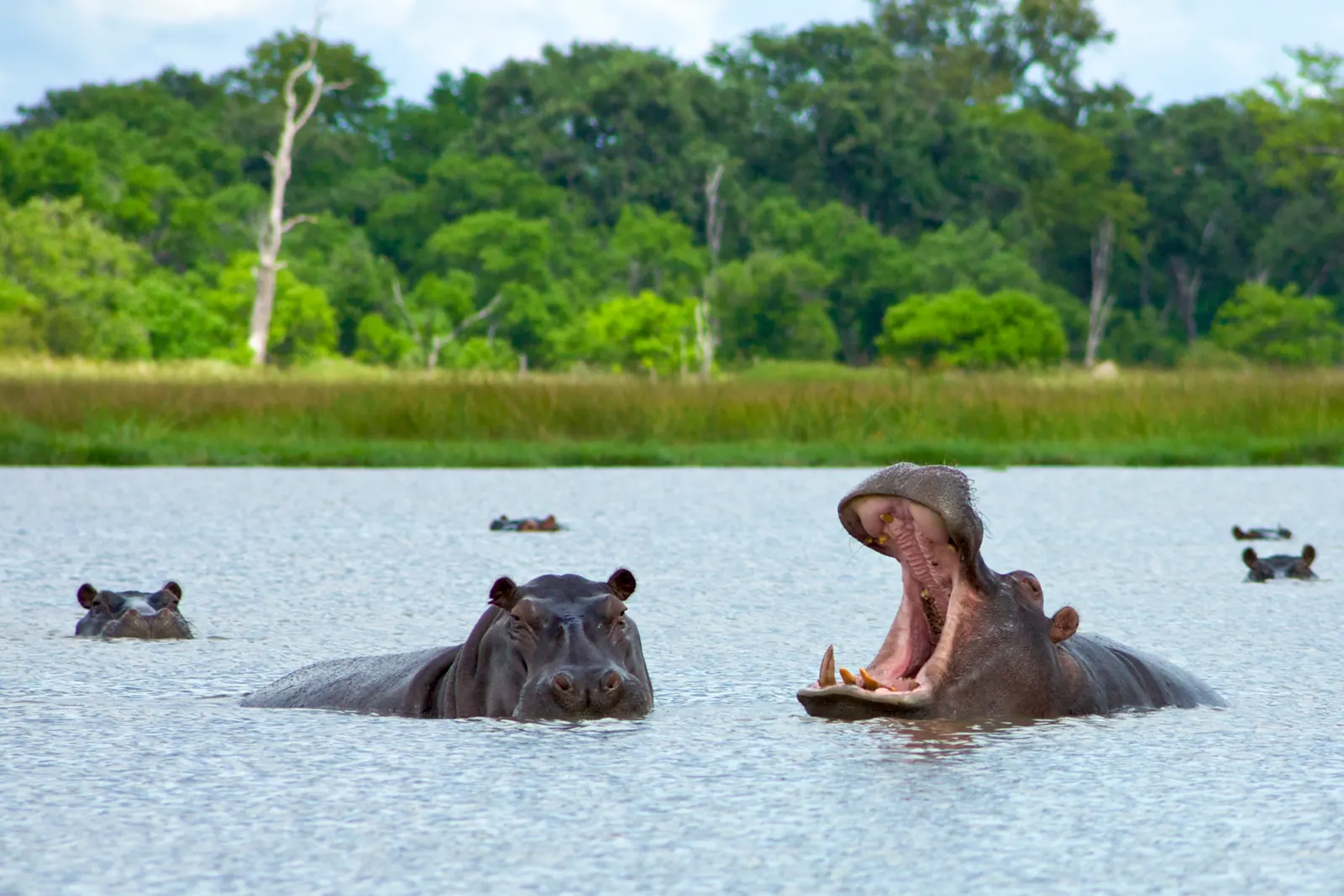
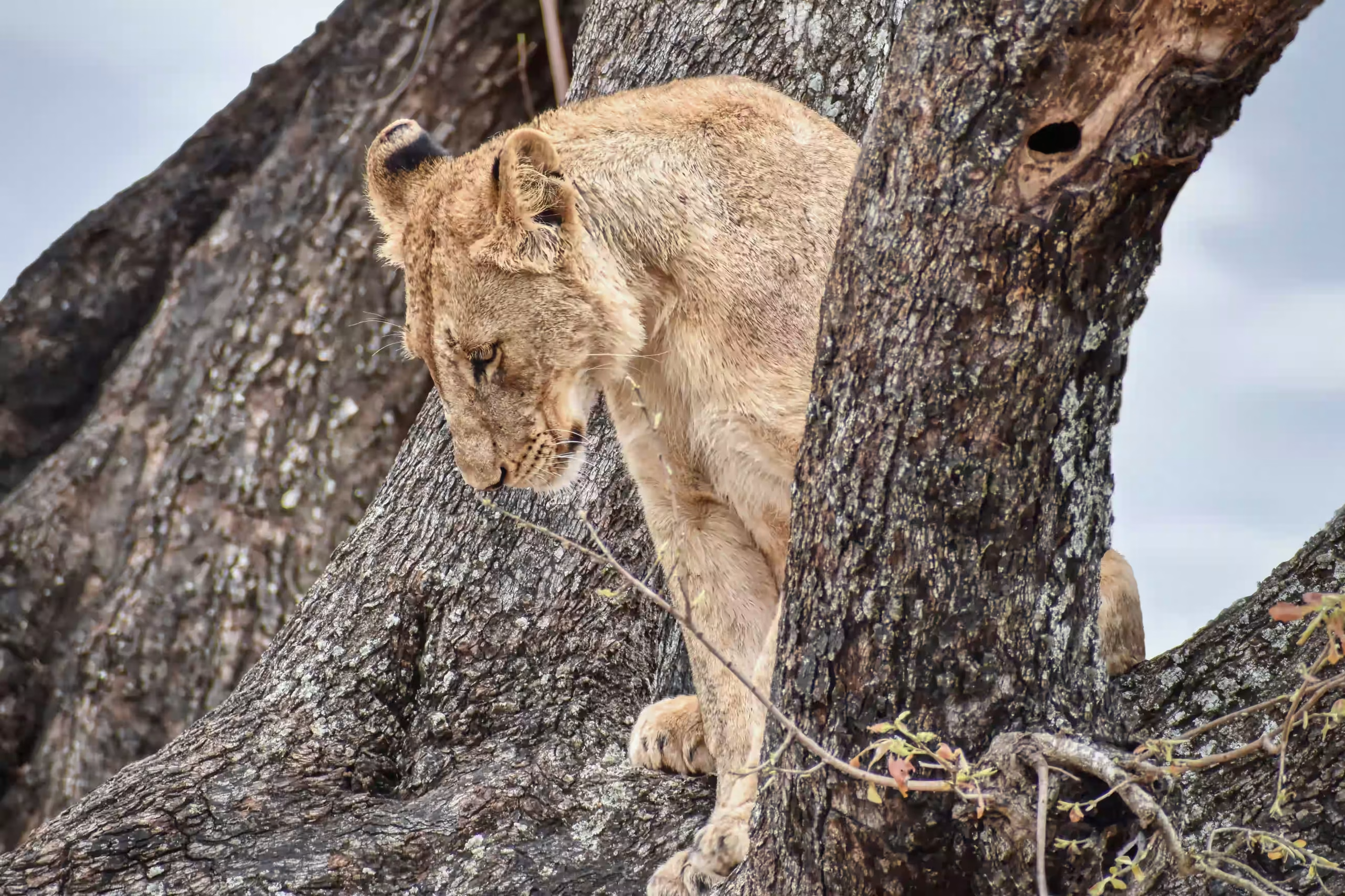
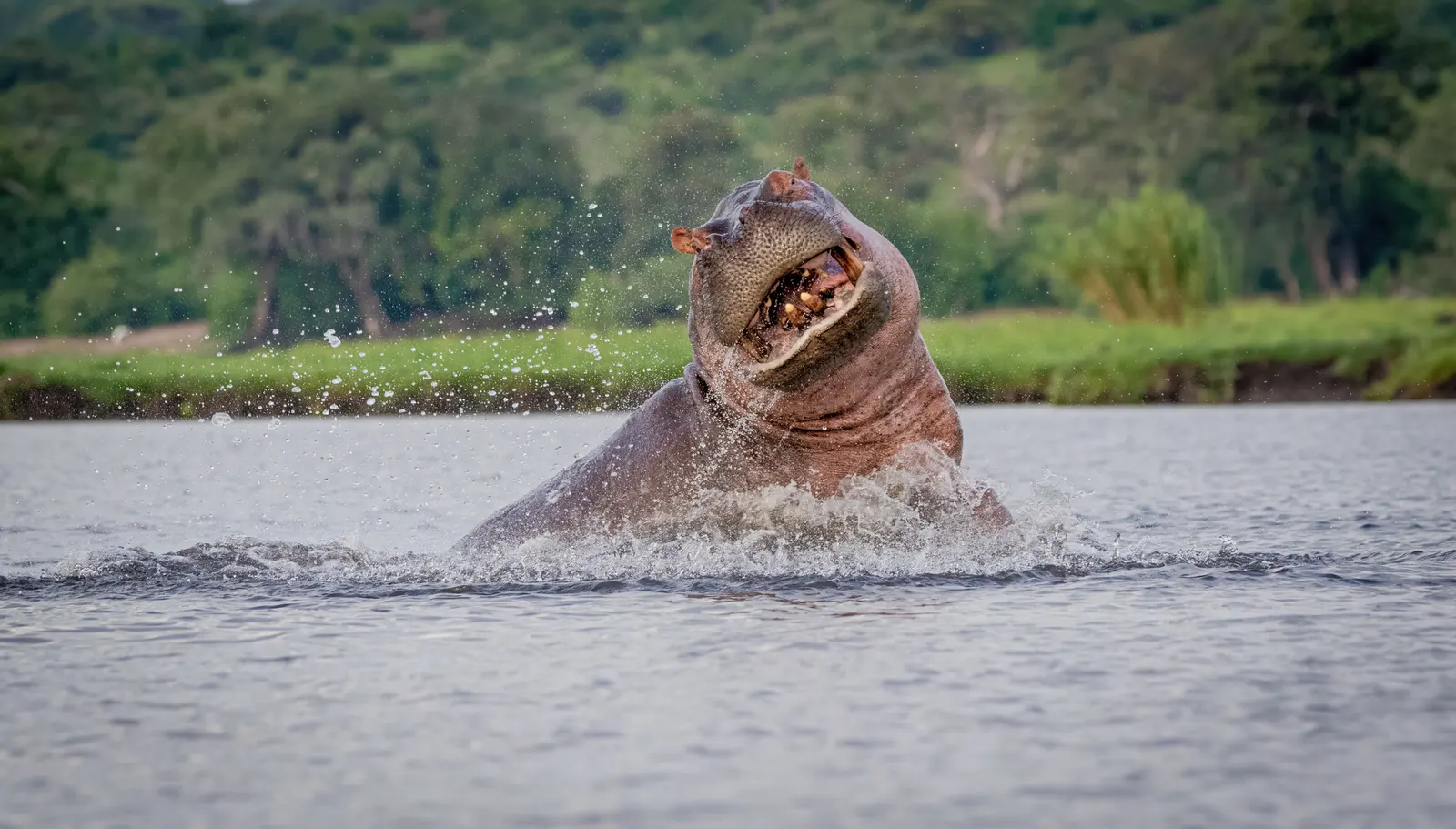
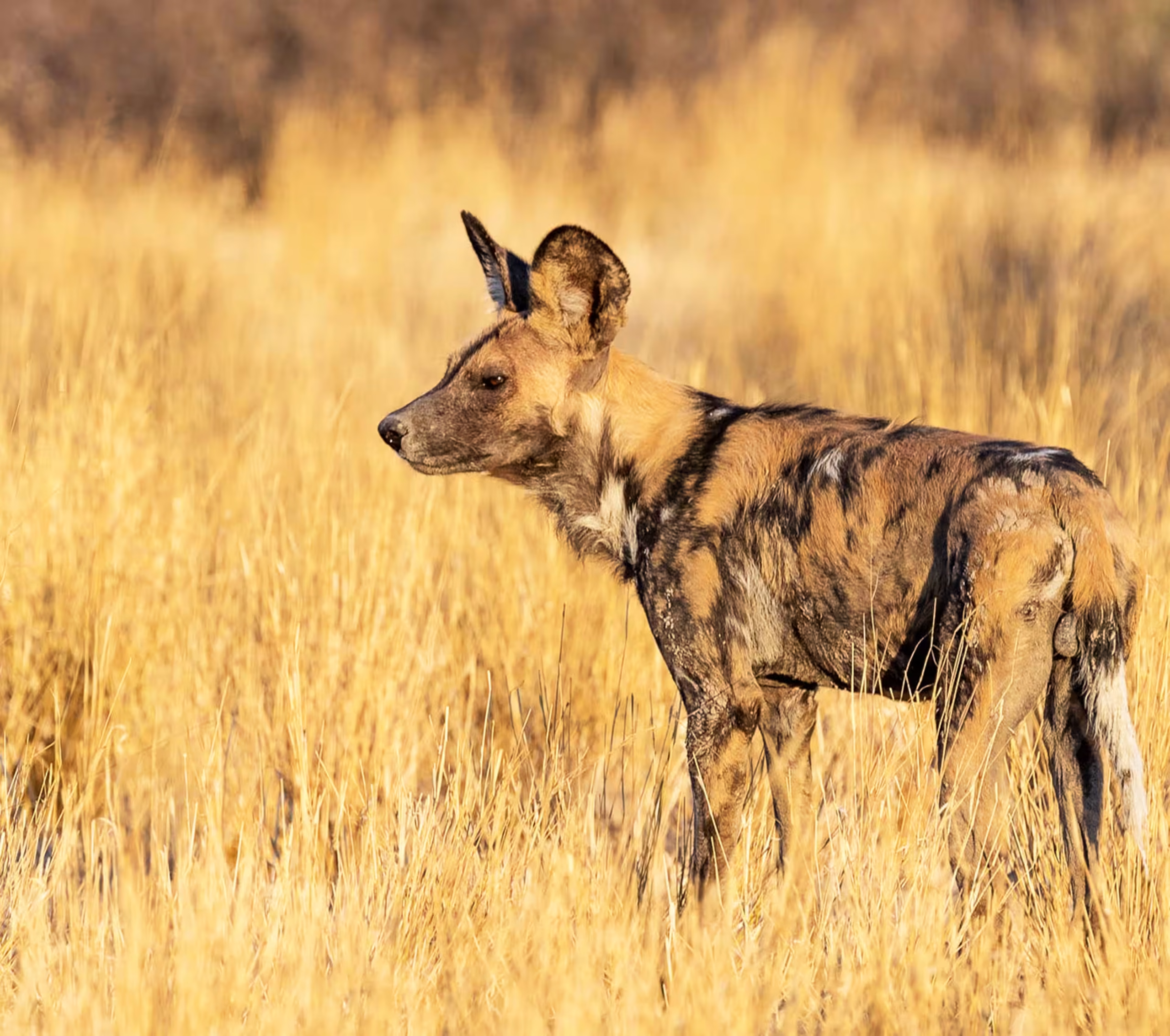
Nyerere holds the largest population of African wild dogs of any protected area on earth, alongside significant numbers of elephant, buffalo, hippo and crocodile. The Rufiji system supports huge concentrations of waterbirds, and the park's greater kudu, sable antelope and Lichtenstein's hartebeest are species you will rarely encounter in the north.
DISCOVER OUR SAFARIS →
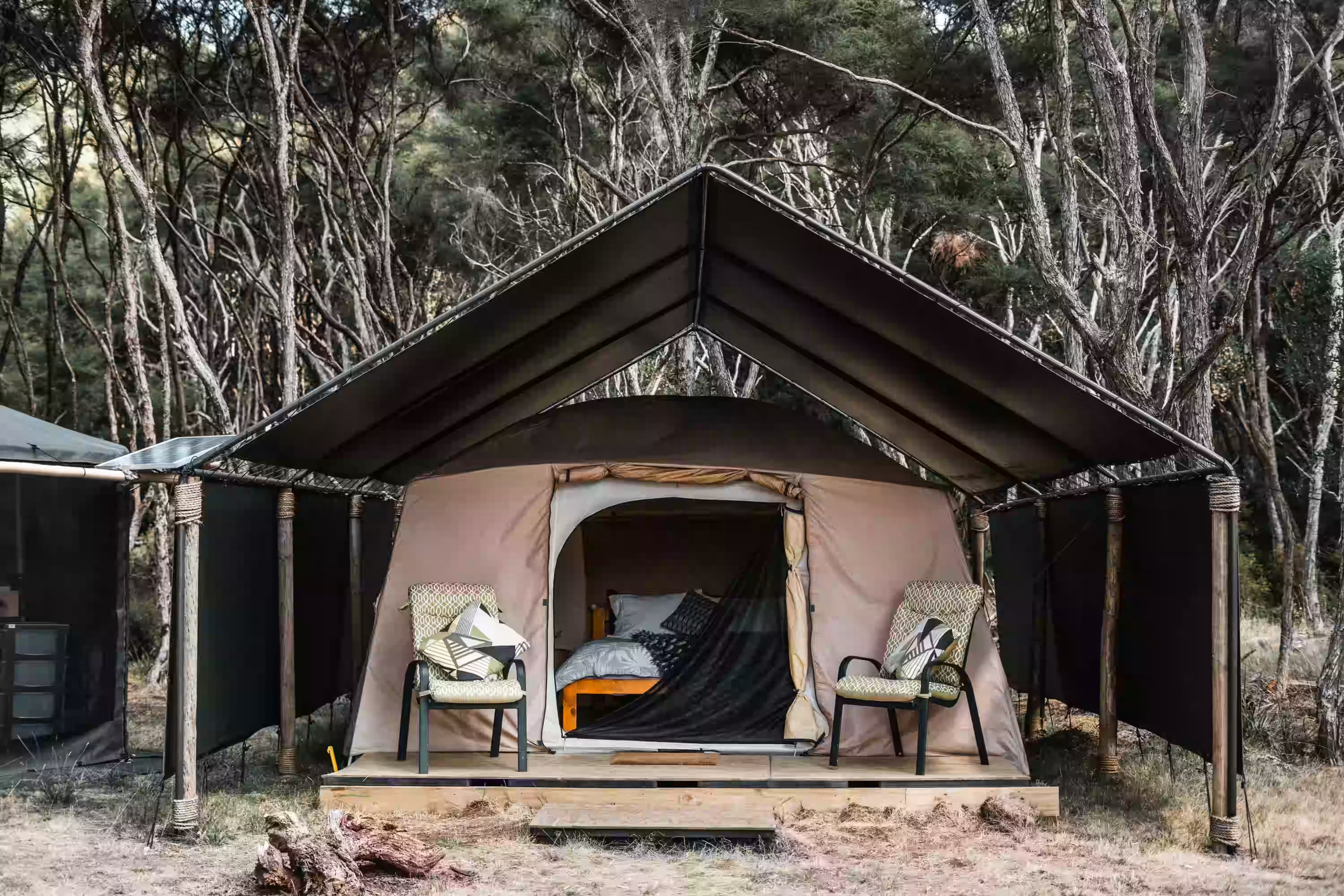
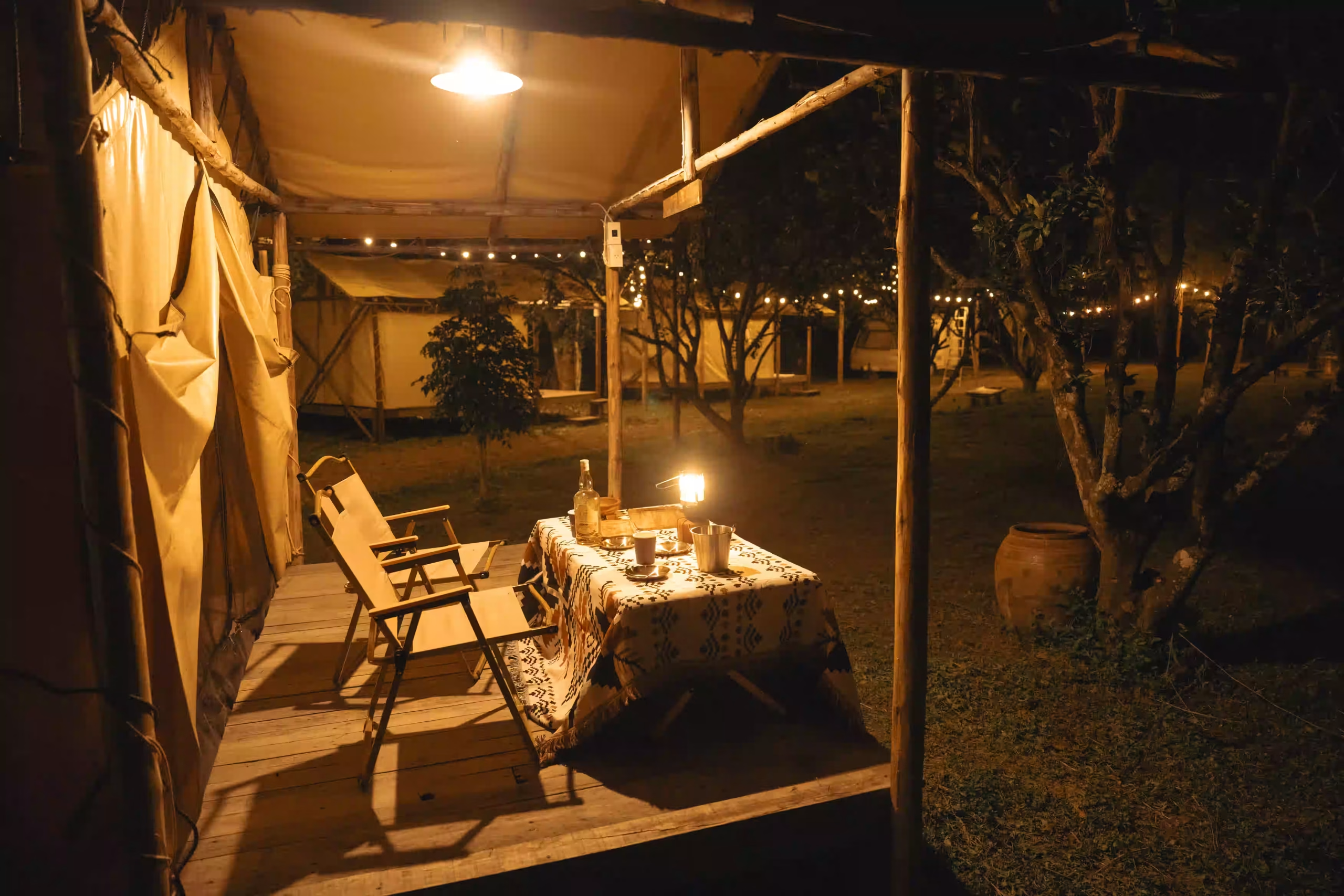
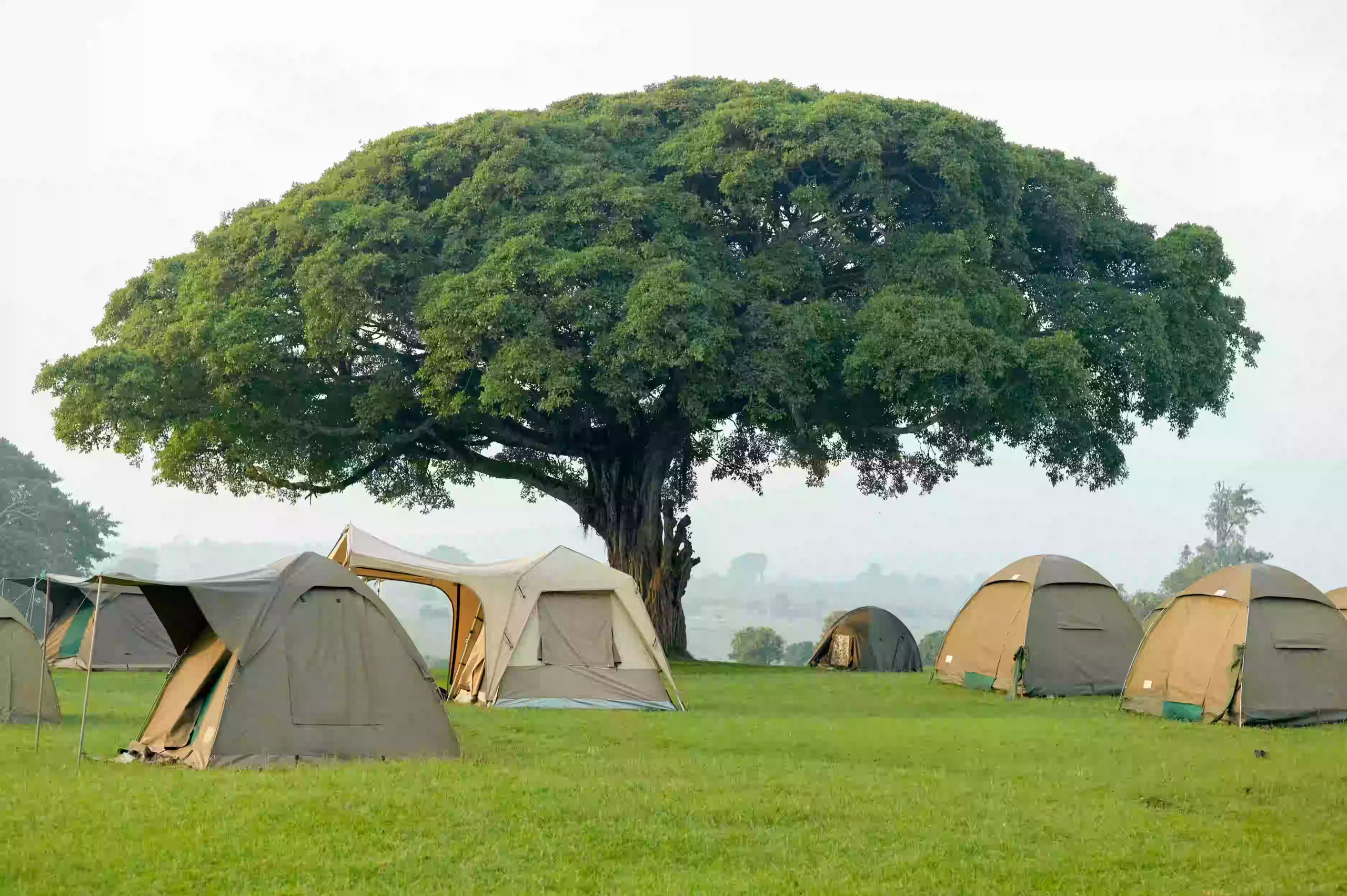
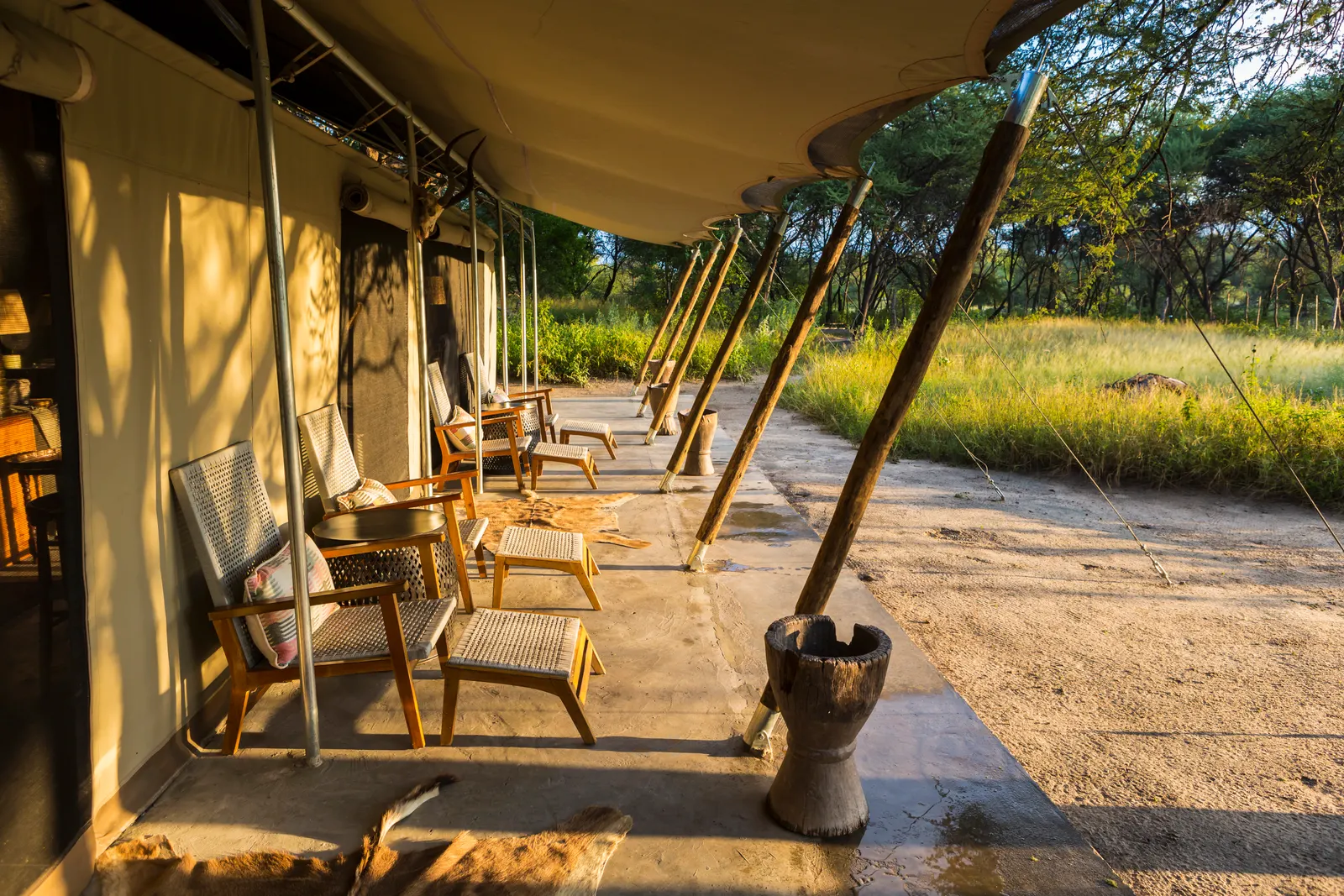
Every camp here sits on water — from simple riverside tents to the finest lodges in southern Tanzania.
● Rufiji Riverbank
Straightforward tented accommodation on a shaded stretch of the Rufiji, with hippo calling through the night. The most affordable way into the park.
From
Rates on request
● Rufiji River Bend
A long-established camp on a wide bend of the river with the best sundowner terrace in the park. Comfortable, unpretentious and very well guided.
From
Rates on request
● Lake Nzerakera
Thirteen tented suites strung along a palm-fringed lake, each with a private deck over the water. Exceptional guiding and one of the loveliest settings in Tanzania.
From
Rates on request
● Northern Hills
Stone-built open-fronted bandas on a breezy ridge away from the river, with a private airstrip and an emphasis on walking. The most refined stay in the southern circuit.
From
Rates on request
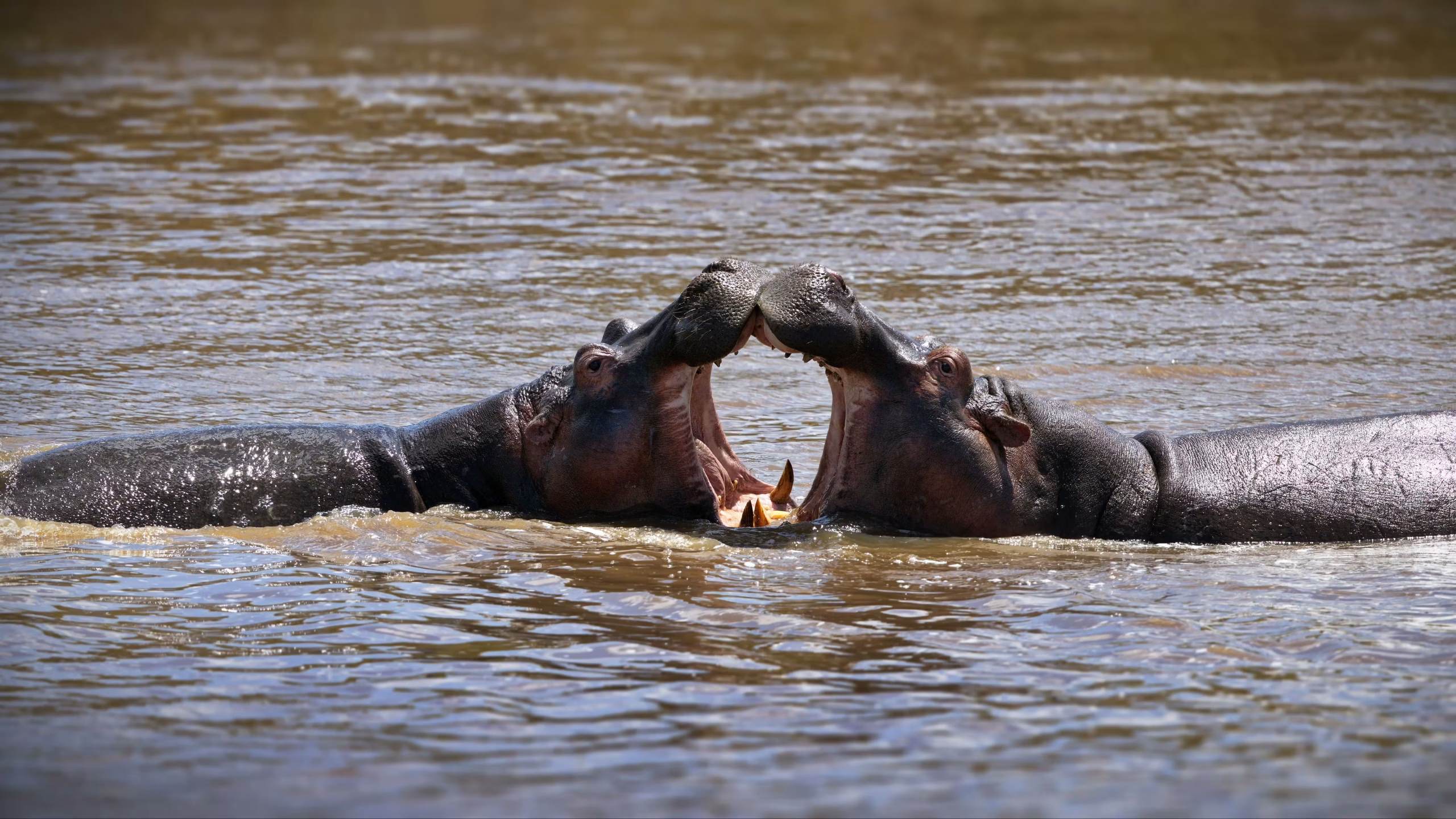
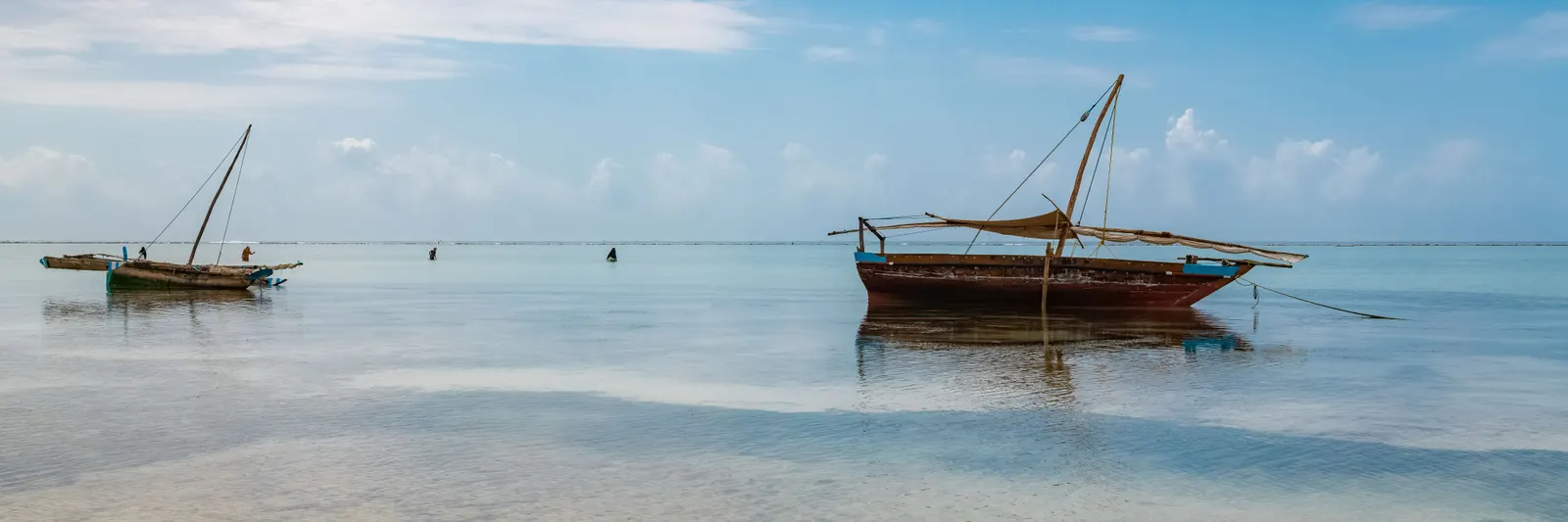
Drift among hippo pods, basking crocodiles and dense riverine birdlife. The Rufiji is the only place on a Tanzanian safari where a boat is the primary game-viewing vehicle rather than a novelty.
Enquire →
Nyerere permits proper multi-hour walking safaris with armed guides — tracking on foot through the miombo, reading signs and approaching game at ground level.
Enquire →
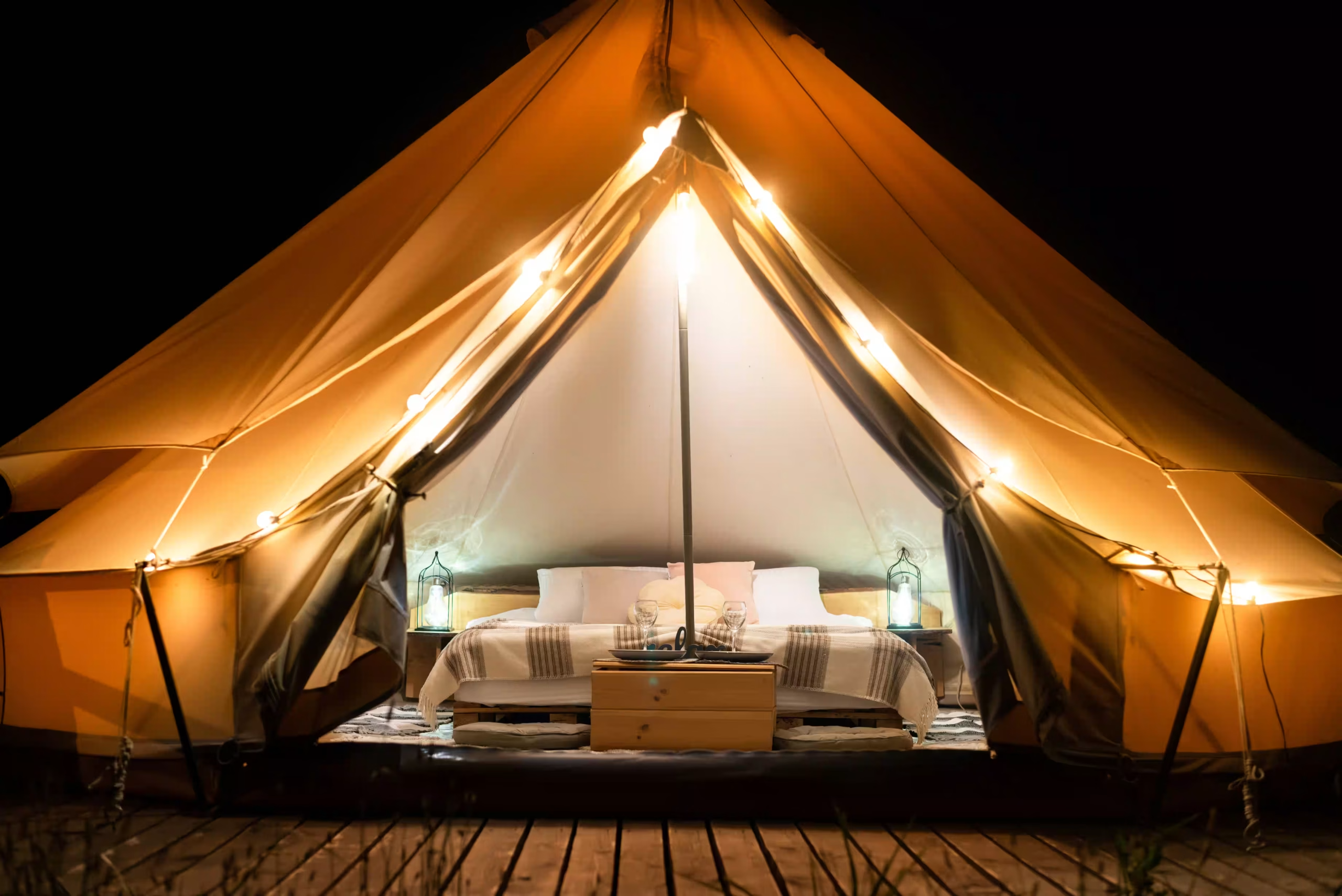
Spend a night in a light mosquito-net tent on a sandbank or in the bush, with dinner around the fire and hyena calling in the dark. Arranged by most of the better camps.
Enquire →GOOD TO KNOW
The things our guests ask most before they travel. Still unsure? Speak to a safari specialist — we reply within 24 hours.
Essentially yes. In 2019 the northern portion of the Selous Game Reserve — the photographic-safari area where all the tourist camps are — was upgraded to national park status and renamed Nyerere National Park, after Tanzania's first president. The southern portion retains the Selous name. Both names remain in common use for the same safari destination.
Two things: boat safaris and walking. The Rufiji River and its lake system allow proper water-based game viewing, which no northern park offers, and walking safaris here are a genuine multi-hour activity rather than a short stroll. It also has the world's largest wild dog population.
June to October is the prime season — dry, accessible and with game concentrated on the water. November and December are good value with green landscapes. Many camps close between March and May during the long rains, when access becomes difficult.
Most guests fly from Dar es Salaam — a scenic 45-minute light aircraft hop, with daily scheduled services that also connect to Zanzibar and Ruaha. Driving from Dar es Salaam takes 5-6 hours on a mixed road. There is also a slow but characterful train service to Kisaki.
From around USD 260 per person per day at the simpler riverside camps, up to USD 1,900 per person per day at Beho Beho. Light aircraft transfers from Dar es Salaam are typically USD 250-350 per person each way and are additional.
Four of the five are readily seen — elephant, buffalo, lion and leopard. Rhino are present in very small, heavily protected numbers and are effectively never seen by visitors. If ticking off the Big Five is the priority, Ngorongoro Crater is a better choice.
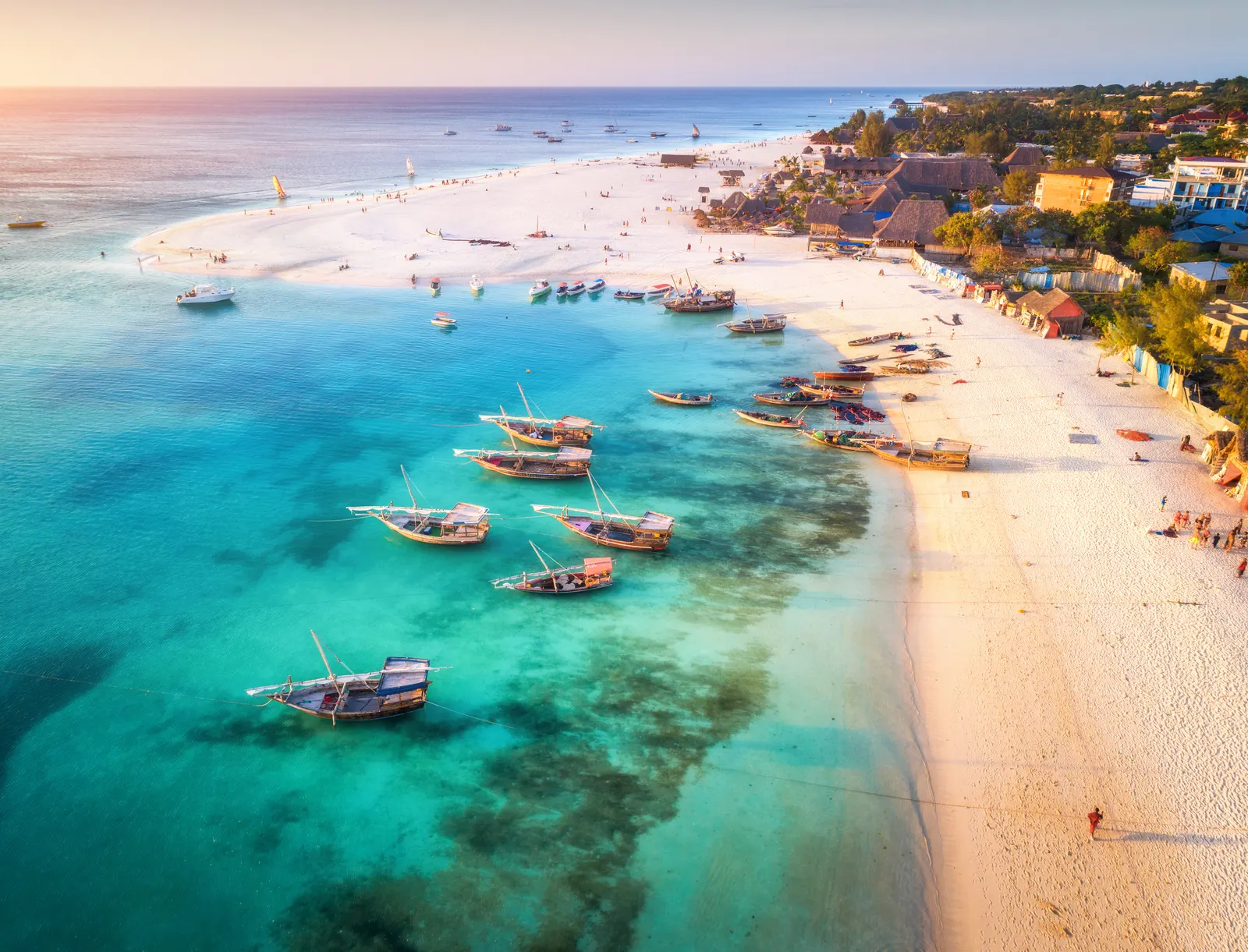
It is an excellent first safari for anyone who wants variety rather than sheer game density — the mix of driving, boating and walking keeps the days from feeling repetitive. It pairs particularly well with Zanzibar, since both are reached easily from Dar es Salaam.
Three nights minimum to make the flights worthwhile, and four allows a full day on the boat plus a proper walking safari and a fly-camping night. Most guests combine it with three nights in Ruaha or a beach extension.
Yes. All walking safaris are led by an armed, licensed walking guide and follow strict protocols on distance and approach. Boats are operated by trained skippers and carry life jackets. Both activities have an excellent safety record across the industry.
Have a question we haven't covered?
ASK A SAFARI SPECIALIST
"Every journey we craft is as unique as the traveller who takes it." — Places of Africa Safaris
Plan Your Safari
Tell us your dream — we'll craft it into reality, step by step.
✓Live Specialist
✓a real-time response.
Tell us a little about the trip you have in mind. A planner in Arusha will write back within one working day.
Talk to us through WhatsApp
Places of Africa SafarisPlanner