Places of Africa Safaris

Seven days on the Northern Circuit

Northern Circuit · Seven Days

Seven days on the Northern Circuit

Tarangire, Lake Manyara, the Ngorongoro Crater and the Serengeti — the four that earn the trip, paced so that the two you will remember get two nights each.

Duration 7 Days Parks Tarangire National Park, Ngorongoro Crater, Serengeti National Park
I — Overview

Safari Overview

This is the route almost every first safari in Tanzania should take, and the reason is geography rather than fashion. Tarangire, Manyara, Ngorongoro and the Serengeti sit on one road running north-west out of Arusha, so nothing is backtracked and every transfer day is spent inside a park rather than beside it. What separates a good version of this itinerary from a bad one is pacing, not parks. A seven-day circuit can be sold with six stops and a night in each, and it will look fuller on paper. It is a worse trip: you spend the week packing. So this one stops at four and gives two nights to Tarangire, two to the Ngorongoro rim and two to Seronera. The single-night stops are removed rather than shortened. You will see less on the map and more in the field.

Tarangire, Lake Manyara, the Ngorongoro Crater and the Serengeti — the four that earn the trip, paced so that the two you will remember get two nights each.
Tour Length 7 days / 6 nights
Country Tanzania
Start / End Arusha → Arusha
Accommodation Mid-range
Tour Type Private safari
Group Size 1–7+ Guests
Meal Plan Full board
Best Travel Period June – October, and January – March
Activity Level Easy — vehicle-based
Destination Highlights

Your Route Through Tanzania

Click any destination to explore it on the map.

IV — The Days

Day-by-Day Detailed Safari Itinerary

Multiple parks, several days -- and no wasted transfers. Every drive doubles as a game drive.

01
Arusha, and the drive south03°22′S 36°41′E
Day 1

Arusha, and the drive south

You are met at Kilimanjaro International and driven to Arusha, an hour west through coffee shambas and the foothills of Mount Meru. If your flight lands early there is time to eat properly and repack before the road south.

The drive to Tarangire runs down the Great North Road and then east onto the floor of the Rift. The landscape changes twice in ninety minutes — cultivated highland, then Maasai grazing country, then baobab. You will see your first giraffe from the tarmac.

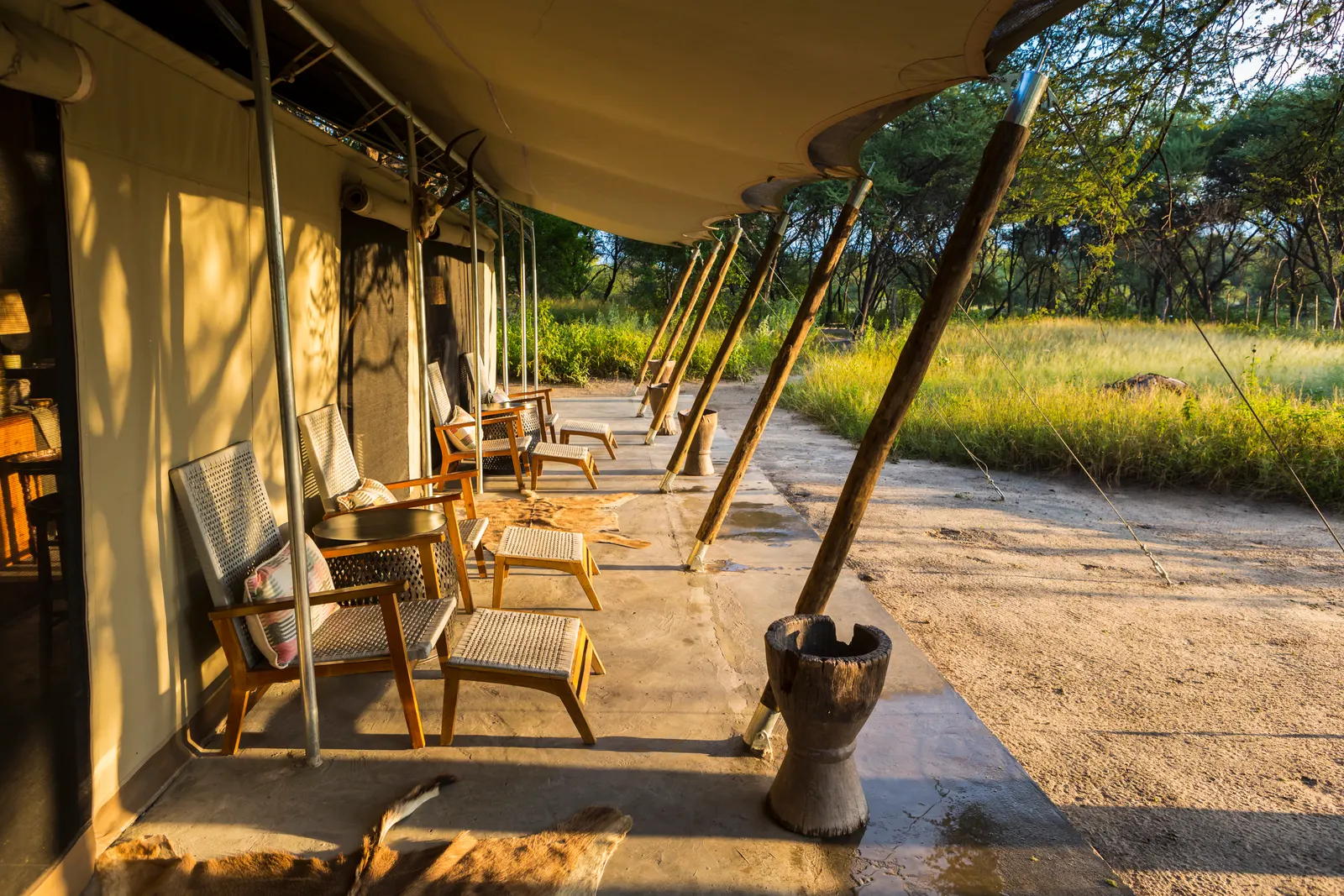
Camp is reached in time to wash and sit down before dark. Nothing is scheduled for this evening on purpose; the first night of a safari is for sleeping.
Drive
Route
MealsDinner
NightMbali Mbali Tarangire River Camp
02
Elephants, baobabs, and the river04°00′S 36°00′E
Day 2

Elephants, baobabs, and the river

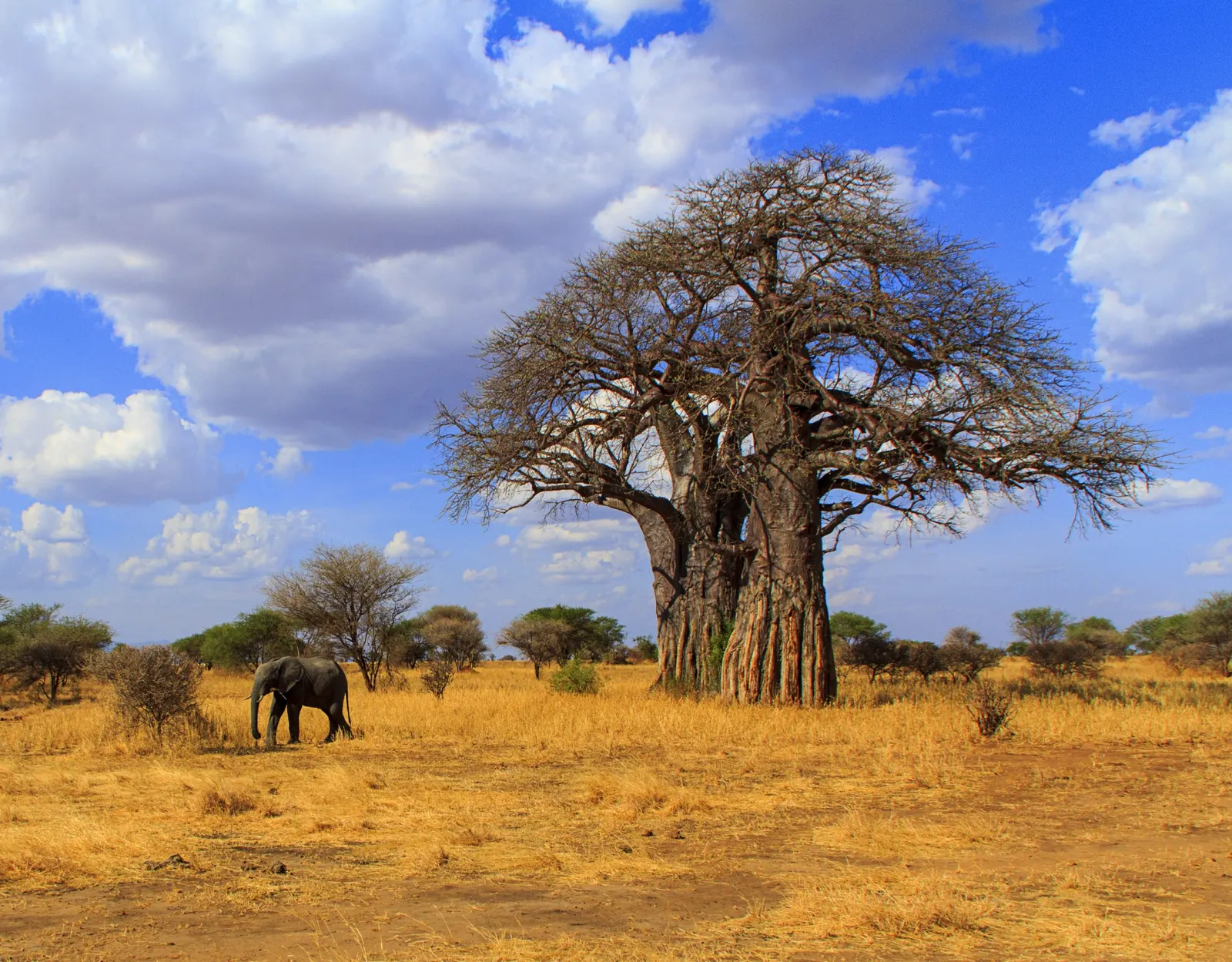
Tarangire in the dry season concentrates game along one river, and that is the whole reason to be here in these months. Elephant families come down to dig for water in the sand; between June and October the herds along the Tarangire River are the densest in the north.

The park is also the best baobab country on the circuit. They are not scenery — the trees are hollowed by elephants working the fibre for moisture, and the scars tell you how hard the last dry season was.

Look up as well as out. Tarangire holds more breeding bird species than any single habitat on earth, and the dry riverbed draws them into one place: yellow-collared lovebirds, hornbills, and the ashy starling that lives nowhere else.

Drive
Route
MealsBreakfast · Lunch · Dinner
NightMbali Mbali Tarangire River Camp
03
Manyara, then up the Rift wall03°30′S 35°50′E
Day 3

Manyara, then up the Rift wall

Lake Manyara is small and completely unlike the parks either side of it. The road enters under closed groundwater forest fed by springs at the base of the escarpment — fig and mahogany, blue monkeys overhead, and troops of baboon on the track.

The forest opens onto floodplain and the soda lake. Flamingo numbers swing wildly with the water level, so this is not a promise; some months there are thousands, some months there are none. Hippo pools at the northern end are reliable.

In the afternoon the road climbs the Rift wall. The view back over the lake from the top is the one everybody stops for. You reach the Ngorongoro rim in time for the temperature to drop — it is high here, and it is cold at night.

Drive
Route
MealsBreakfast · Lunch · Dinner
NightPakulala Safari Camp
04
Down into the crater03°10′S 35°35′E
Day 4

Down into the crater

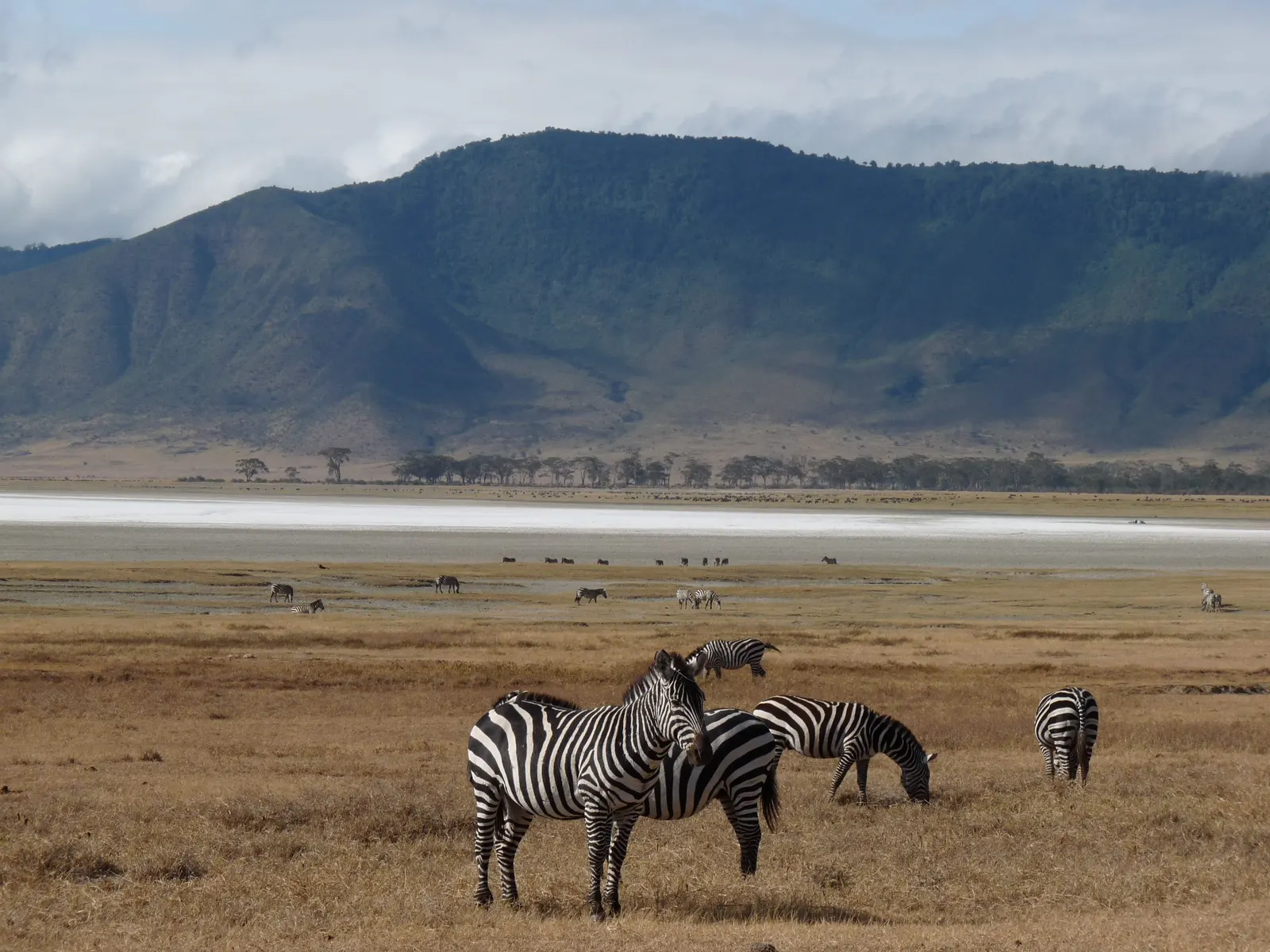
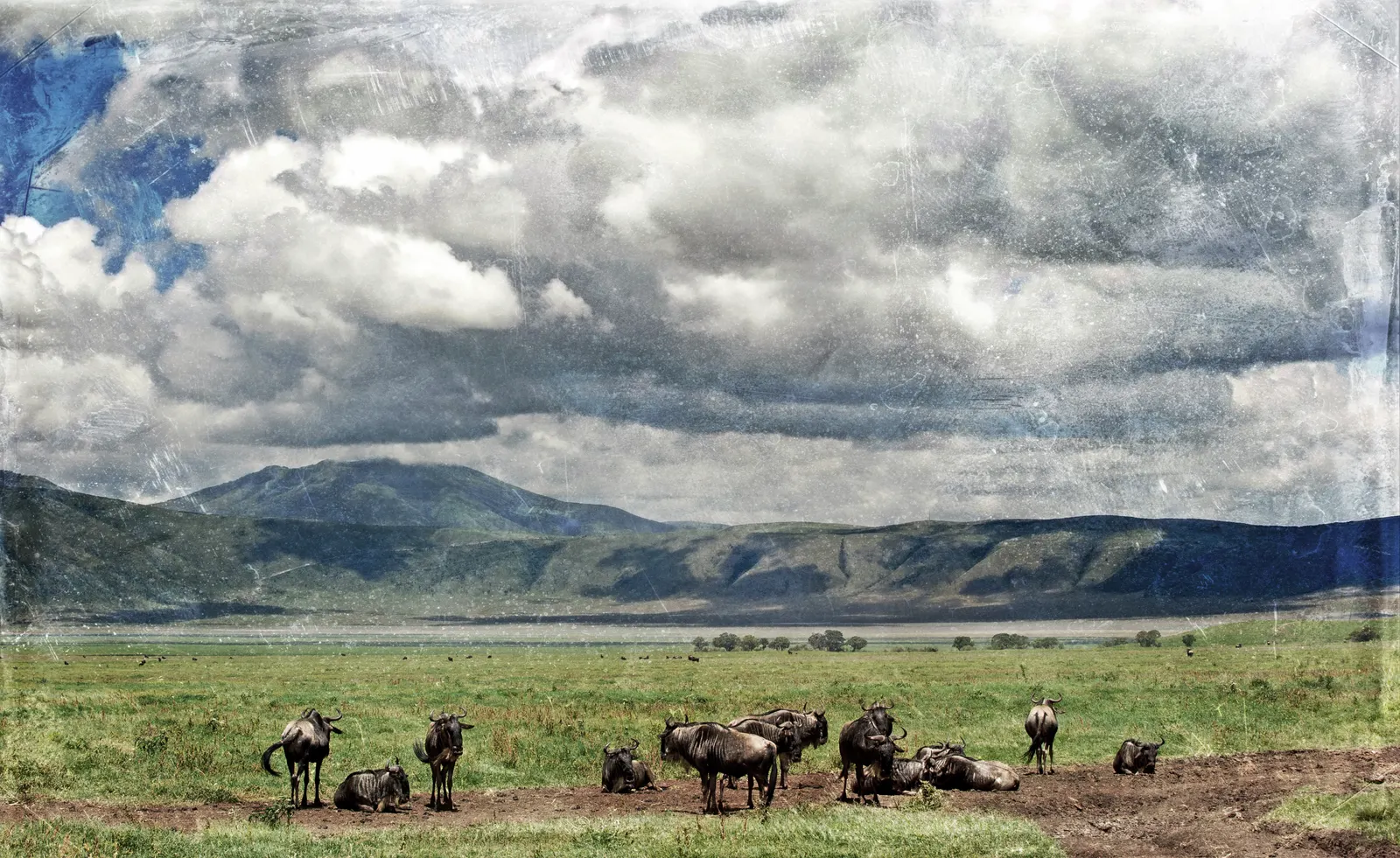
You descend six hundred metres onto the floor of a collapsed volcano twenty kilometres across. Because the walls are steep the animals largely stay, which is why the crater holds a density of game that nowhere else matches — roughly twenty-five thousand large animals inside 260 square kilometres.

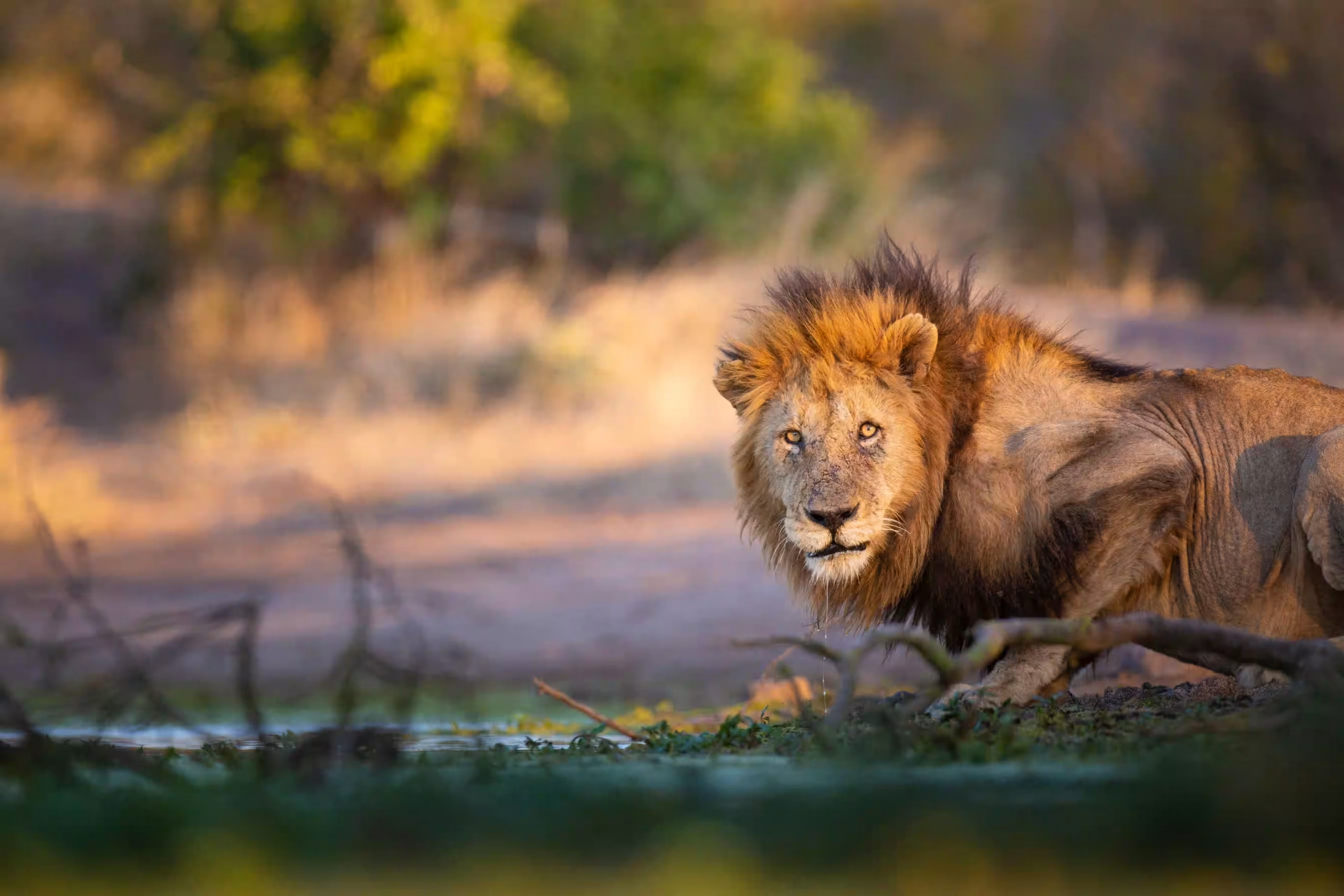
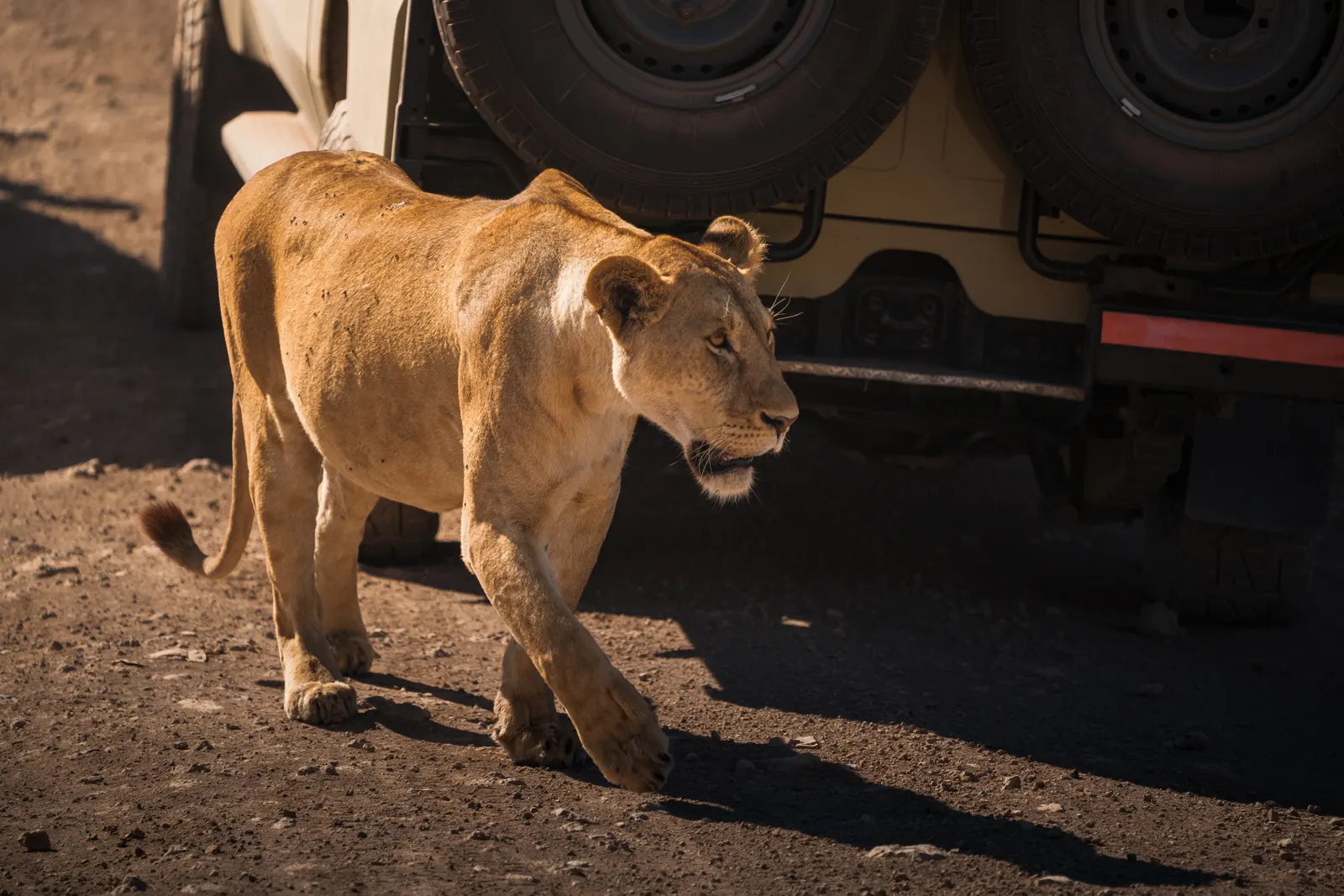
It is the most reliable place in Tanzania to see black rhino, and one of the few where lion, elephant, buffalo, leopard and rhino can be seen inside a single morning. The lions here are famously easy to find and famously inbred; the population has never recovered its diversity since the 1962 fly plague.

Vehicles must leave the floor by late afternoon, so this is a half-day by regulation rather than by choice. Lunch is taken at the hippo pool at Ngoitokitok, where the kites will take a sandwich out of your hand if you eat outside the vehicle.

Drive
Route
MealsBreakfast · Lunch · Dinner
NightPakulala Safari Camp
05
Across the plains to the Serengeti02°20′S 34°50′E
Day 5

Across the plains to the Serengeti

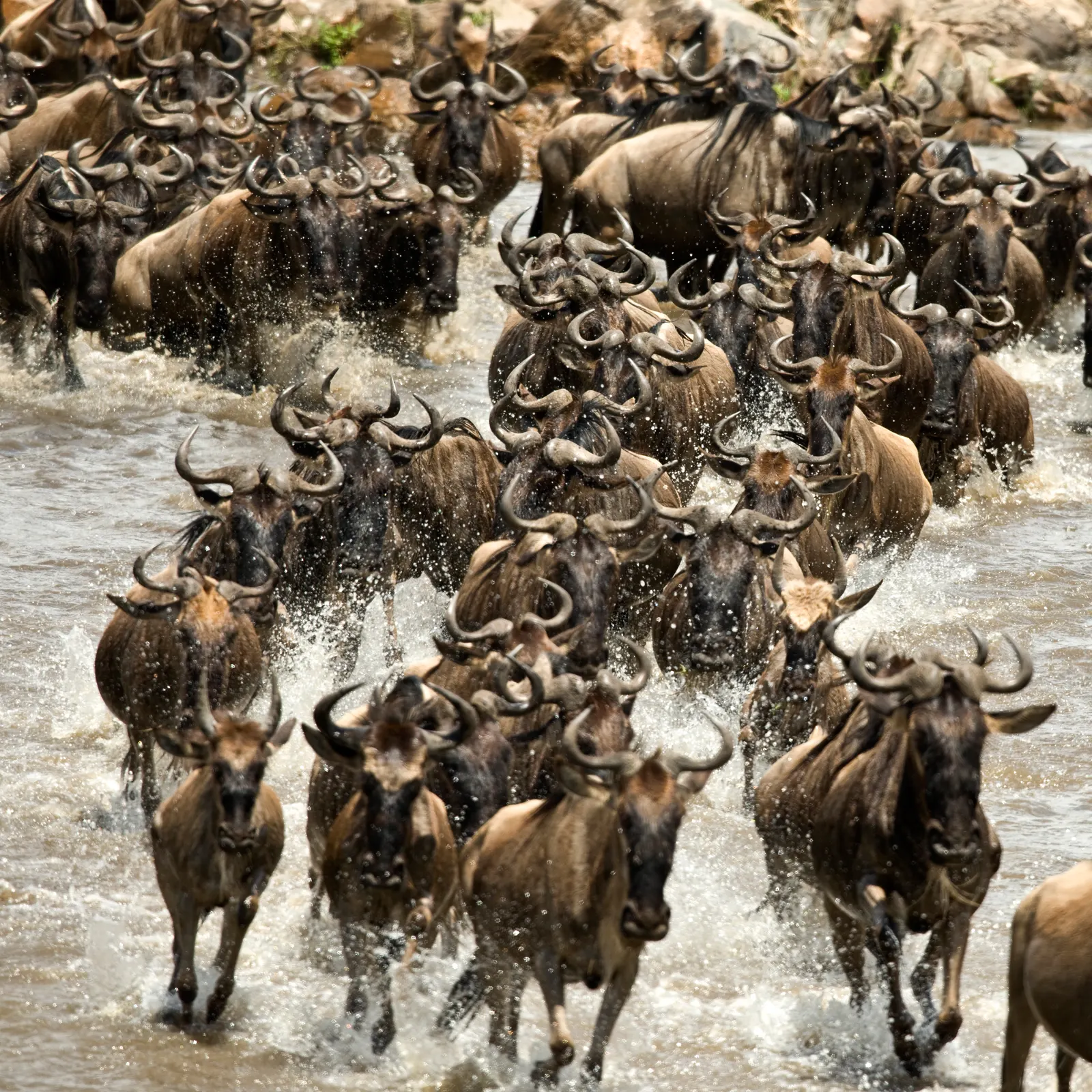
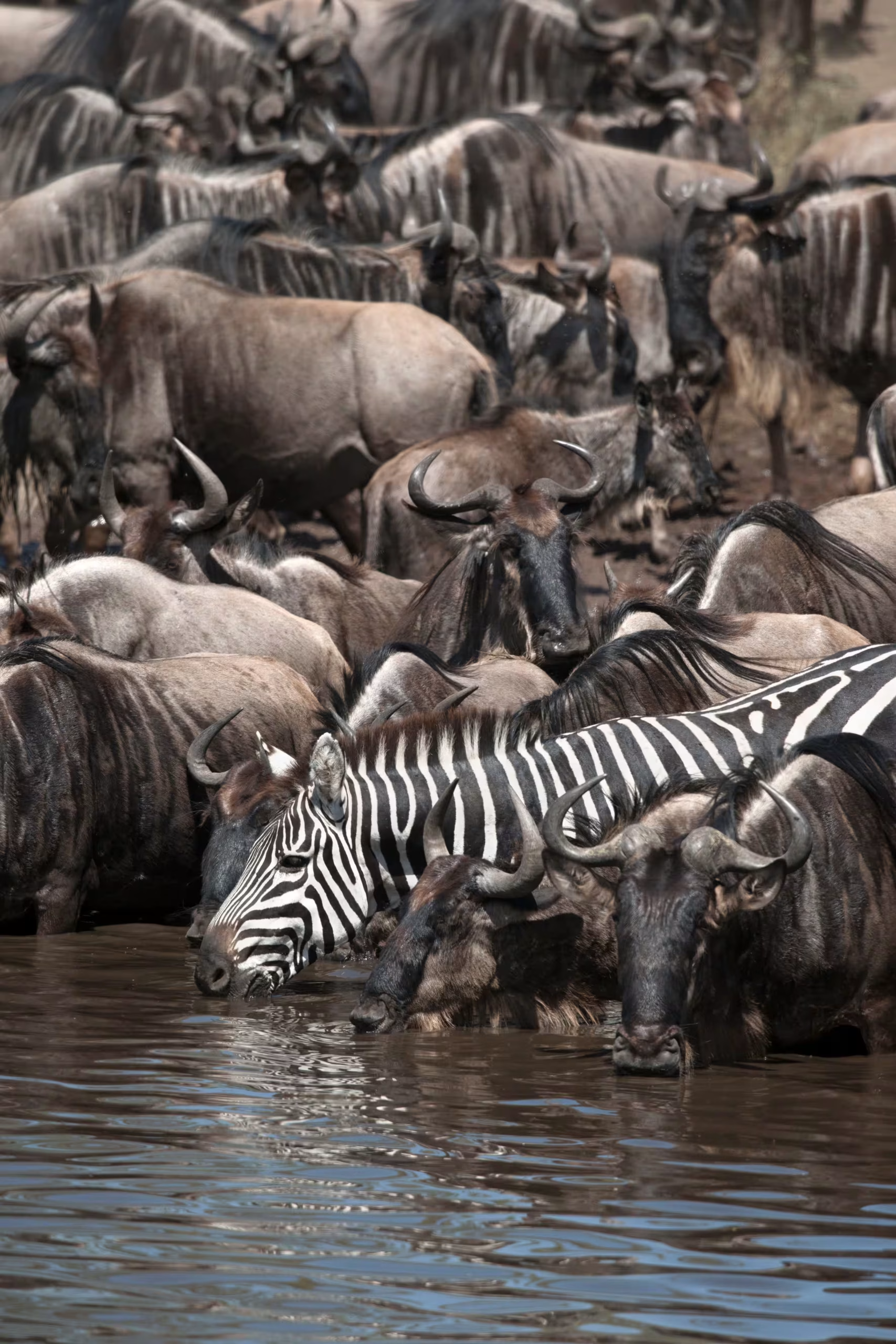
The road out of the conservation area crosses the short-grass plains of the southern Serengeti ecosystem — treeless, volcanic, and between December and March the calving ground for the entire migration.

Olduvai Gorge is on the way and worth the stop. The sequence of beds cut into the gorge wall holds nearly two million years of hominin occupation, and the small museum on the rim puts the Laetoli footprints in front of you rather than in a textbook.

You enter the park at Naabi Hill, where the plains give way to the kopjes and acacia of the Seronera valley. The last two hours are a game drive whether or not anyone calls them one.

Drive
Route
MealsBreakfast · Lunch · Dinner
NightKubu Kubu Tented Lodge
06
A full day in the Seronera valley02°26′S 34°49′E
Day 6

A full day in the Seronera valley

One full day, no transfer, no packing. This is the day the trip is built around and it is why the itinerary does not try to add a seventh park.

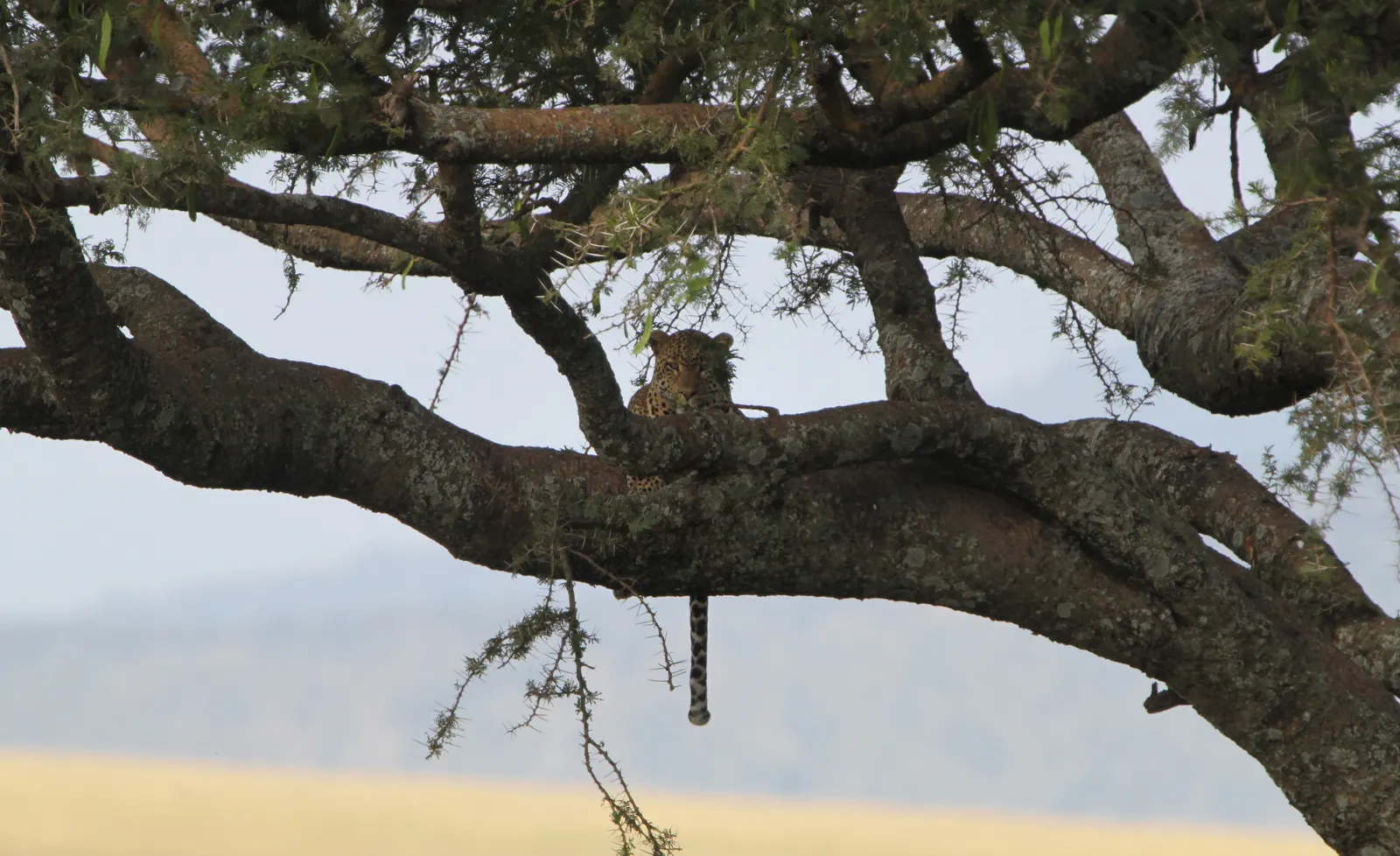
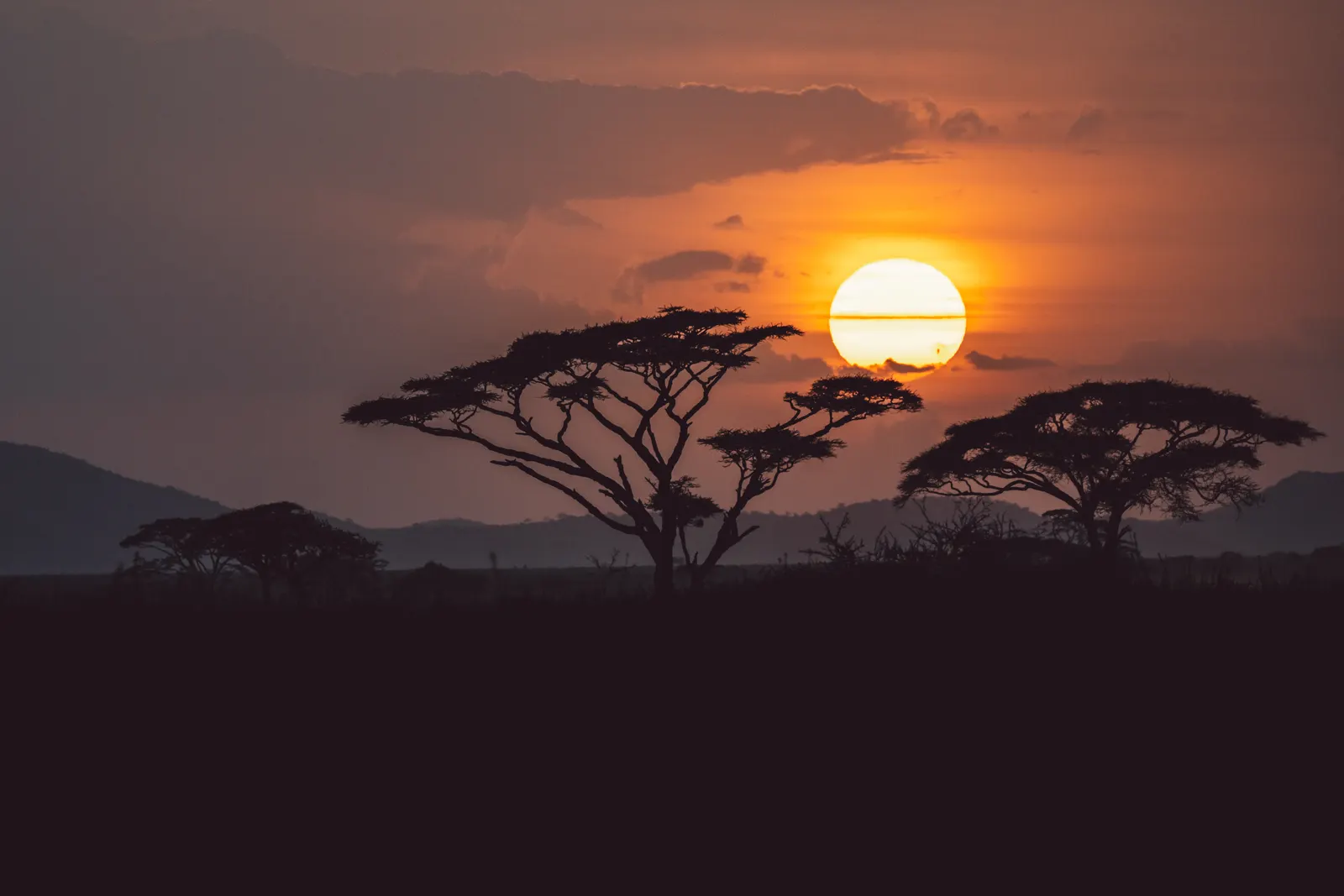
Seronera’s river holds water all year, and the fig and sausage trees along it are the most dependable leopard habitat in Tanzania. The granite kopjes standing out of the grass are lion furniture — shade, a vantage point, and safe ground for cubs.

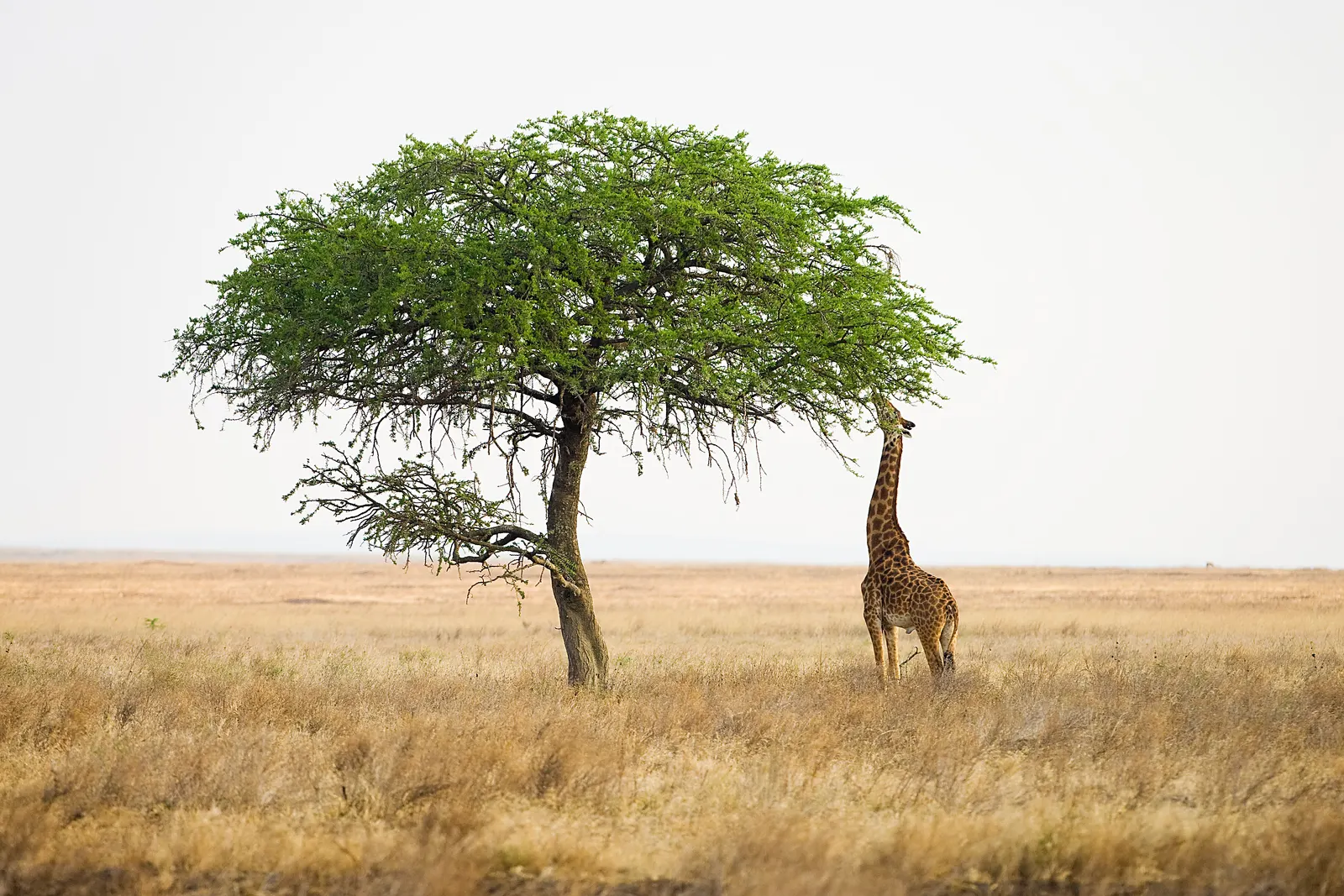
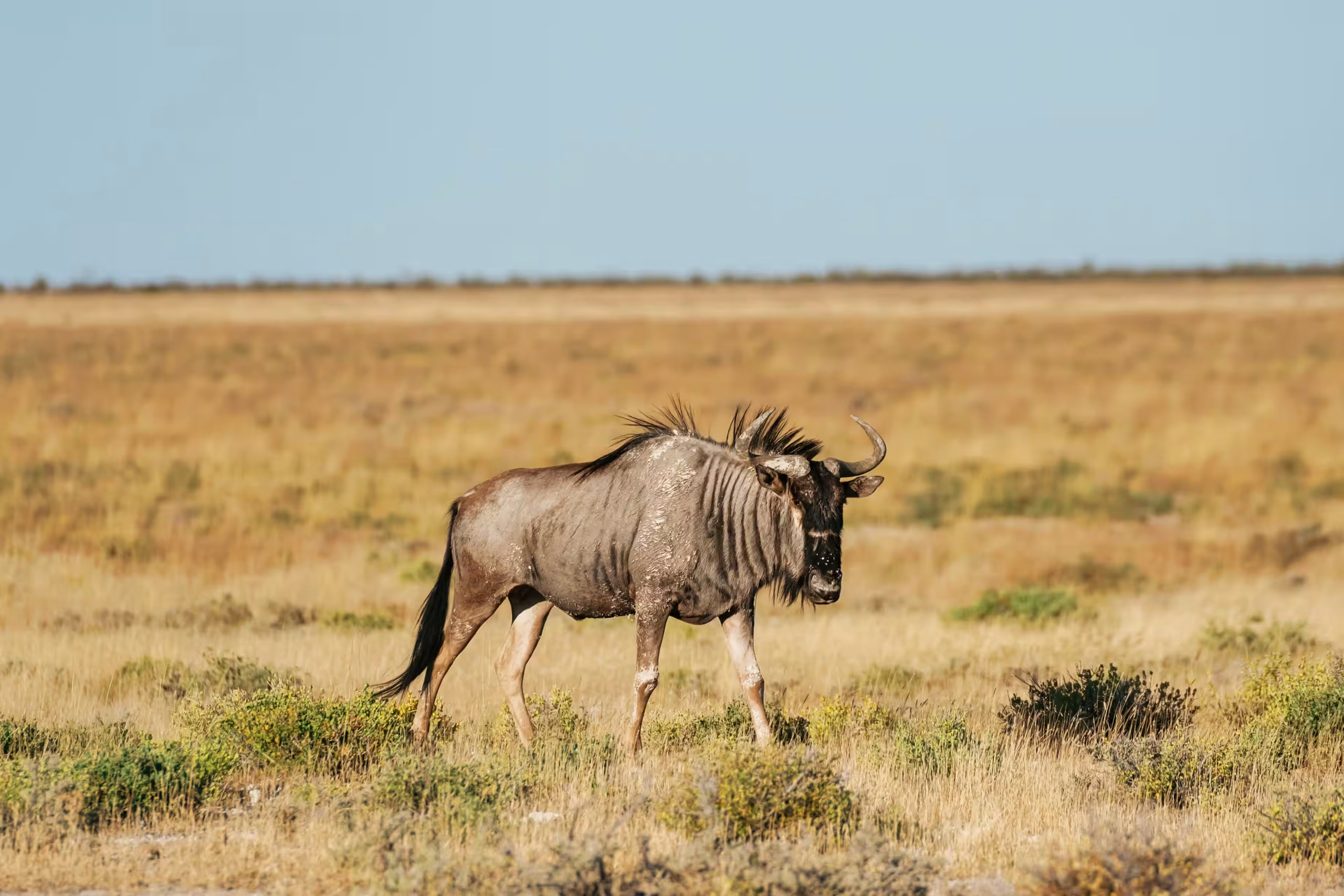
Where the migration is on this day depends entirely on the month, and any operator who tells you otherwise in advance is guessing. What is reliable in the Seronera valley is resident game: lion, leopard, cheetah on the open ground, elephant, buffalo, hippo, and giraffe in the acacia.

Drive
Route
MealsBreakfast · Lunch · Dinner
NightKubu Kubu Tented Lodge
07
Serengeti to Arusha03°22′S 36°41′E
Day 7

Serengeti to Arusha

A last game drive on the way to the airstrip, which in practice is the best drive of the week — early, cold, and the light is low enough that everything is still out.

From Seronera the usual route home is the light aircraft hop to Arusha, which takes about an hour and gives you the plains from above. The road is possible but it is a long day and it wastes one.

You are dropped at your hotel in Arusha or straight at Kilimanjaro International. If you are continuing to Zanzibar, connections leave from both.

Drive
Route
MealsBreakfast
Night

Budget Seven days on the Northern Circuit Prices

Single Supplement — ADD RATE
Budget rates not yet published. These figures are placeholders — do not quote them.
Group size 1 Person2 Persons3 Persons4 Persons5 Persons6 Persons7 Persons
ADD RATE ADD RATE ADD RATE ADD RATE ADD RATE ADD RATE ADD RATE ADD RATE
Rooms 1 Room 1 Room 2 Rooms 2 Rooms 3 Rooms 3 Rooms 4 Rooms

Mid-range Seven days on the Northern Circuit Prices

Single Supplement $1,140 per person
Group size 1 Person2 Persons3 Persons4 Persons5 Persons6 Persons7 Persons
Prices From 2026 $7,770 $5,470 $5,460 $4,890 $5,000 $4,690 $4,800
Rooms 1 Room 1 Room 2 Rooms 2 Rooms 3 Rooms 3 Rooms 4 Rooms

Luxury Seven days on the Northern Circuit Prices

Single Supplement $3,770 per person
Group size 1 Person2 Persons3 Persons4 Persons5 Persons6 Persons7 Persons
Prices From 2026 $17,910 $12,980 $13,840 $12,390 $13,030 $12,200 $12,680
Rooms 1 Room 1 Room 2 Rooms 2 Rooms 3 Rooms 3 Rooms 4 Rooms

High-end Seven days on the Northern Circuit Prices

Single Supplement — ADD RATE
High-end rates not yet published. These figures are placeholders — do not quote them.
Group size 1 Person2 Persons3 Persons4 Persons5 Persons6 Persons7 Persons
ADD RATE ADD RATE ADD RATE ADD RATE ADD RATE ADD RATE ADD RATE ADD RATE
Rooms 1 Room 1 Room 2 Rooms 2 Rooms 3 Rooms 3 Rooms 4 Rooms
Price Details

What's Included

✓ Included

All game drives in a private 4×4 with a roof hatch
A professional guide throughout, English-speaking
All accommodation as listed, full board
All national park and conservation area fees
Airport transfers, Kilimanjaro International
Drinking water in the vehicle throughout
Guide certification to confirm
Emergency evacuation cover — to confirm

✗ Not Included

International flights to and from Tanzania
Tanzania visa — USD 50, or USD 100 for United States passports
Travel insurance, which we ask every guest to hold
Balloon flight over the Serengeti
Drinks at the lodges, beyond what is listed
Tips for your guide and lodge staff
Personal spending and souvenirs
Anything listed under optional extras below
Interested in This Tour?Request a Free Quote

Mid-range Accommodations During Safari

Luxury Accommodations During Safari

VII — Add-Ons

Optional Safari Add-Ons

Priced separately and arranged on request.

Balloon over the Serengeti
Seronera · at dawn
USD 750 per person

Balloon over the Serengeti

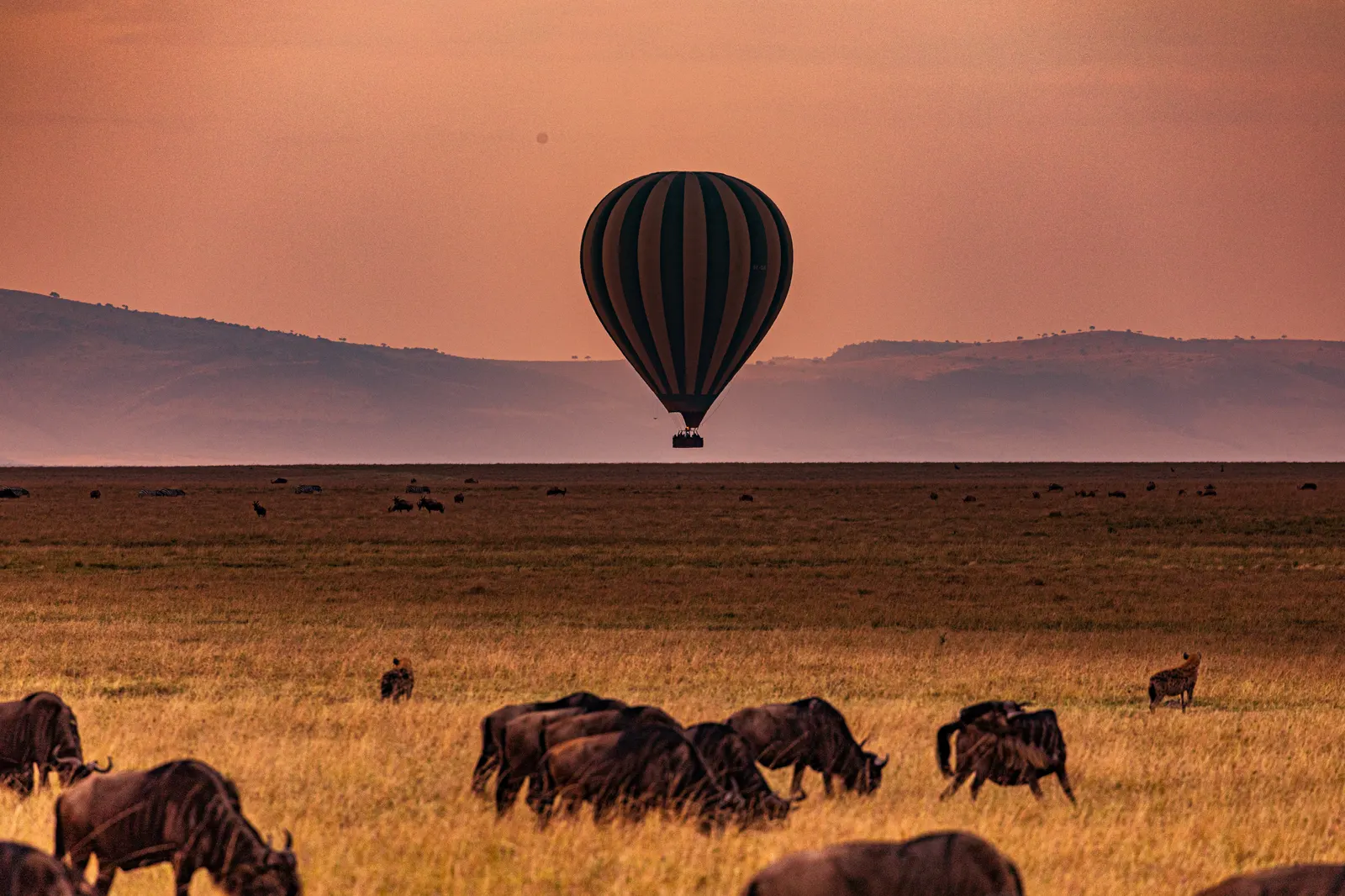
An hour over the plains at first light, landing to a breakfast set out in the grass. Weather-dependent and booked well ahead — balloons in the Serengeti sell out months before the high season.

A day with a Maasai family
Ngorongoro or Manyara
USD 100 per person, for 2 guests

A day with a Maasai family

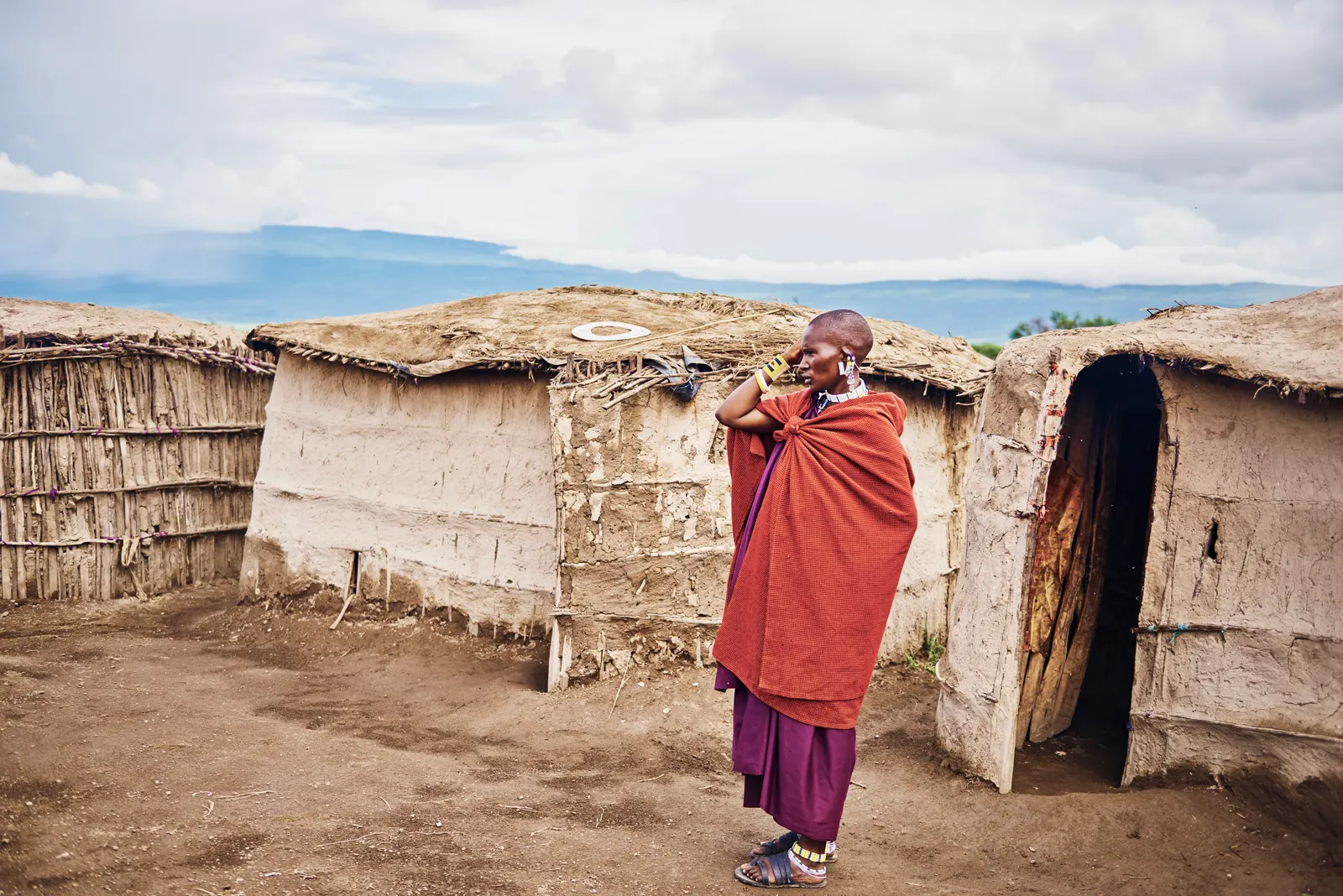
Not a staged boma visit. A half day arranged through families we work with directly, on the understanding that the payment goes to the household rather than to an intermediary.

A night in Arusha before you start
Before day 1
USD 250 per person, for 2 guests

A night in Arusha before you start

Most long-haul flights land in the evening. A night in Arusha means day 1 starts rested rather than at the end of twenty hours of travel, and it protects the trip if a bag goes missing.

Zanzibar, afterwards
After day 7 · 3–5 nights
From USD 1,340 per person, 3 nights

Zanzibar, afterwards

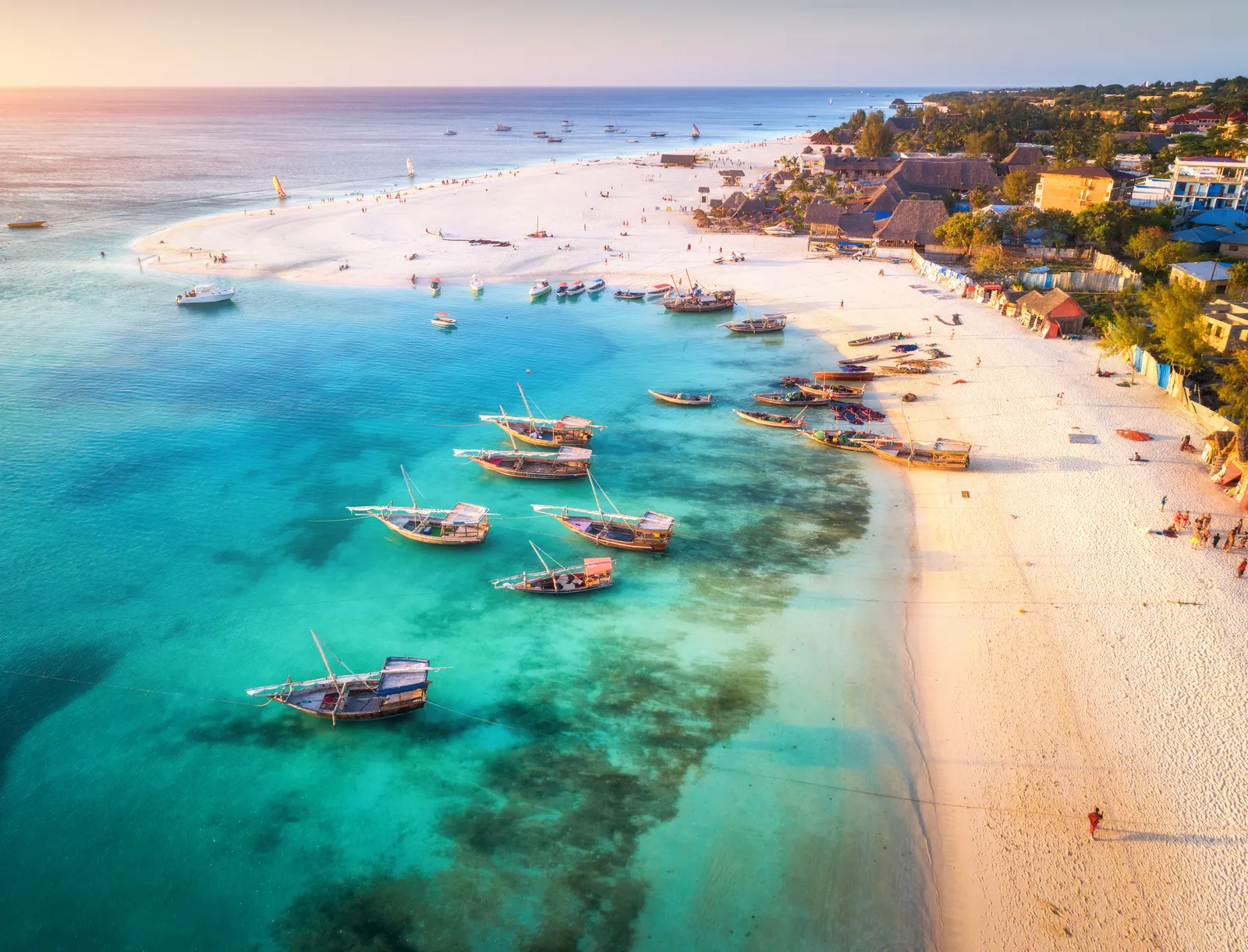
Flights leave Arusha and Kilimanjaro daily and take under two hours. The usual shape is three nights on the east coast or in Stone Town, added to the end rather than squeezed into the middle.

VIII — The Ground

Where the Safari Takes You

Four parks, one ecosystem, along the floor and rim of the Great Rift Valley.

01

Tarangire National Park

02

Ngorongoro Crater

03

Serengeti National Park

Best Time to Travel

Best Time to Do This Safari

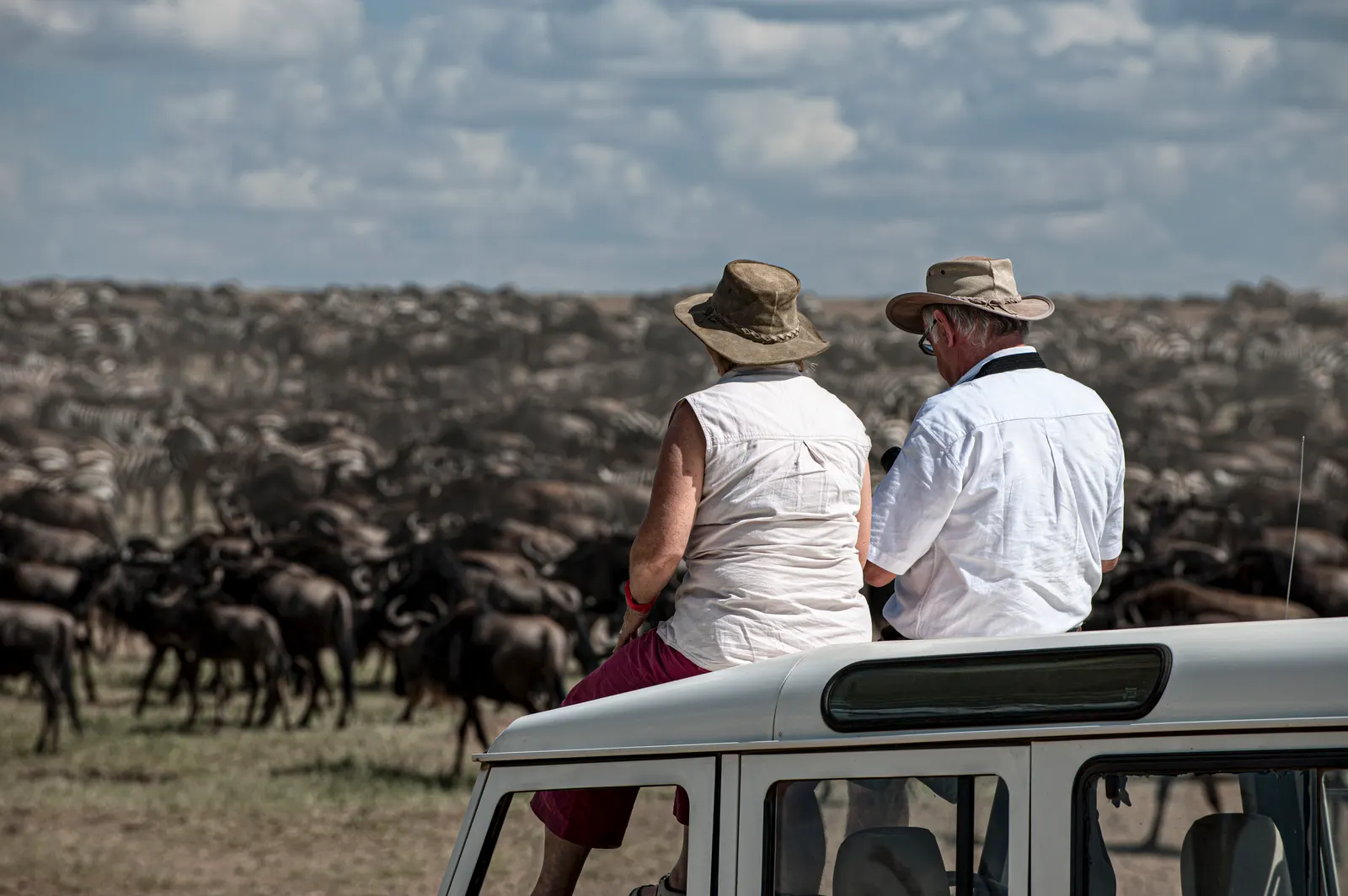
June to October is the long dry season and the most popular time to come. Water is scarce, so game concentrates at rivers and pools and becomes far easier to find. Grass is low, which matters more than people expect — you can see cats at a distance. The north of the Serengeti holds the migration through these months. January to March is the second dry window and the calving season on the southern plains. Half a million wildebeest calves are born inside about three weeks, and the predator activity that follows is the most concentrated of the year. Fewer vehicles than July. November brings the short rains. They are usually brief afternoon storms rather than washouts, the landscape turns green, and rates drop. It is an underrated month if you do not mind mud. April and May are the long rains, and we will tell you honestly that this is not the time to do this particular route. Some tracks become difficult, some camps close, and the grass is high enough to hide a lion at thirty metres. If these are the only weeks you have, we would rather build you something different than sell you this.

Flights

Flight Recommendation

Fly into Kilimanjaro International (JRO). It is 45 minutes from Arusha and it is the airport this itinerary is built around. Nairobi and Dar es Salaam both work but both add a day. Arrive the day before if you can. Long-haul flights into JRO tend to land in the evening, and starting a seven-day safari on no sleep costs you the first two days of it. Coming home, the itinerary ends in Arusha on day 7. If you are flying out the same evening we will get you to JRO in time; if you are going on to Zanzibar, the flight leaves from either Arusha airport or JRO and takes under two hours. Tanzania requires a visa for most passports — USD 50, or USD 100 for United States citizens, valid up to 90 days. Apply online in advance rather than on arrival.

XII — Why Us

Why Book With Us

01

01 Arusha-based, and Tanzanian-owned We are not a booking agent forwarding you to an operator. The vehicles, the guides and the office are ours, in Arusha, which is why we can change a plan mid-trip when the animals do something unexpected.

02

02 Four parks, not six This itinerary deliberately covers less ground than a seven-day circuit can. Two nights in the places worth two nights is the single biggest improvement you can make to a first safari.

03

03 One guide for the week The same person from the airport to the airstrip. A guide who has watched you for three days knows whether you want the leopard or the light, and starts driving to it without being asked.

04

04 We will tell you not to come in April There are weeks when this route is not worth doing, and we would rather move you or lose the booking than take money for a trip we know will disappoint.

Good to know

Frequently Asked Questions

Everything travellers ask before booking this safari.

Your safari price typically includes park fees, professional driver-guide, 4x4 safari vehicle with pop-up roof, accommodation on the tier you select (budget camping, mid-range lodges, or luxury lodges), all meals during the safari, drinking water in the vehicle, and airport transfers.
Generally excluded: international flights to/from Tanzania, visa fees, travel insurance, tips for the driver-guide and lodge staff, alcoholic and soft drinks, personal expenses (laundry, souvenirs), optional activities such as hot air balloon flights or night drives.
Most visitors need a visa. Citizens of the US, UK, EU, Canada, Australia and many other countries can obtain a Tanzania tourist visa on arrival or online (eservices.immigration.go.tz). Single-entry tourist visa costs US$50 (US$100 for US passport holders). Passport must be valid 6+ months beyond travel date.
A Yellow Fever certificate is required if you arrive from a Yellow Fever endemic country. Most travellers also take anti-malaria medication — consult your doctor 4–6 weeks before travel. Recommended (not required) vaccines include Hepatitis A & B, Typhoid, and routine boosters.
Tanzania is a year-round destination. The dry seasons (June–October and January–February) offer the best game viewing. The Great Migration river crossings in northern Serengeti typically peak July–September. The green season (March–May, November) brings lush landscapes, fewer tourists and lower prices.
Pack light, neutral-coloured clothing (khaki, olive, beige — avoid bright colours and dark blue/black). Layers are essential. Bring a warm fleece for Ngorongoro Crater, hat, sunglasses, comfortable walking shoes, binoculars, camera with extra batteries, and a soft duffel bag (hard suitcases don't fit safari vehicles). Bush flight luggage limit is usually 15kg.
Tanzania is one of the safest safari destinations in Africa. Petty theft can occur in Arusha and Dar es Salaam — use hotel safes and avoid displaying valuables. Inside parks and lodges you are completely safe. Your driver-guide is professionally trained in wildlife behaviour and emergency procedures.
Yes — Tanzania safaris are wonderful for families. Most lodges welcome children from age 6+; some luxury lodges require minimum age 8 or 12. Children pay reduced rates (often 50–75% of adult price). We can adjust the itinerary with shorter drives, child-friendly lodges with pools, and cultural activities.
A 30% non-refundable deposit is required to confirm your booking. Balance is due 60 days before arrival. We accept bank transfer (SWIFT), credit card (3% surcharge), and PayPal. All prices in US Dollars. A receipt and confirmation voucher are issued immediately on deposit.
More than 60 days before arrival: 30% deposit retained. 30–60 days: 50% of total trip cost. Less than 30 days: 100% of total trip cost. We strongly recommend travel insurance covering trip cancellation, medical emergencies, and emergency evacuation.
Most lodges in the northern circuit have Wi-Fi in main areas — often slow but enough for messages. Mobile signal (Vodacom, Airtel) covers much of Tarangire, Lake Manyara, parts of central Serengeti, and Ngorongoro rim. Deep in the Serengeti you may have limited or no signal — embrace the digital detox.
Tipping is appreciated but not mandatory. Industry guidelines: US$20–30 per day for driver-guide (from whole group, not per person), US$10–15 per day for camp/lodge staff (in the communal tip box), US$5–10 for porters at airports. Tips best in clean US dollar notes.
Loading itinerary…
Saved Trips