Places of Africa Safaris

Eleven days in the south

Southern Circuit · Eleven Days

Eleven days in the south

An eleven-day southern Tanzania safari: four nights on the Rufiji in Nyerere, a light-aircraft hop, four nights in two Ruaha camps. Boat, walk, night drive.

Duration 11 Days Parks Nyerere National Park, Ruaha National Park, Dar es Salaam
Overview

Safari Overview

The south of Tanzania has two very large parks and almost no visitors, and the reason is not quality. It is that Nyerere and Ruaha are 350 kilometres apart with mountains between them, and by road each is a full day from Dar es Salaam. Driven, this circuit costs you three days in a vehicle looking at farmland. Flown, it costs you four short flights and nothing else. So this itinerary flies everything. A night in Dar to protect the first departure, four nights on the Rufiji in Nyerere for the boat and the walking and a night drive, a scheduled hop of about ninety minutes west to Ruaha, and four nights there split between two camps because one camp cannot cover a park that size. Then Dar again, and home or Zanzibar. What you give up is the Serengeti, the crater and the migration; if those are the trip, this is not it. What you get is river safari by boat, walking with a ranger, two night drives, lion prides of twenty, kudu and sable alongside the animals you expected, and whole mornings without seeing another vehicle. June to October only; the rest of the year the south does not work, and we say so below.

An eleven-day southern Tanzania safari: four nights on the Rufiji in Nyerere, a light-aircraft hop, four nights in two Ruaha camps. Boat, walk, night drive.
Tour Length 11 days / 10 nights
Country Tanzania
Start / End Dar es Salaam → Dar es Salaam
Accommodation Mid-range
Tour Type Private fly-in safari
Group Size 1–7+ Guests
Meal Plan Full board
Best Travel Period June – October
Activity Level Moderate — optional walks of 2–3 hours
Destination Highlights

Your Route Through Tanzania

Click any destination to explore it on the map.

The Days

Day-by-Day Detailed Safari Itinerary

Multiple parks, several days -- and no wasted transfers. Every drive doubles as a game drive.

01
Dar es Salaam, and nothing else06°52′S 39°12′E
Day 1

Dar es Salaam, and nothing else

You land at Julius Nyerere International on the southern edge of Dar es Salaam and are met at the door. The city hotel is fifteen kilometres away, which in Dar traffic is anything from half an hour to an hour, and that is the only driving you do on this trip.

This night is here because the light-aircraft circuit to the southern parks leaves in the morning and does not wait for a delayed international flight. Arriving the evening before is the difference between a safari that starts on day 2 and one that starts on day 3 with a missed seat to explain.

Repack tonight into a soft bag. The aircraft you board tomorrow carries luggage in a pod under the wing, the weight limit is set by the airline rather than by us, and hard cases are refused at the check-in desk, not politely. The figure is 15 kilograms on most southern-circuit carriers; we confirm yours with the ticket.
DriveJulius Nyerere International (DAR) · city hotel 15 km, 30–60 min
Route
MealsDinner
NightHotel Blue Sapphire
02
Fly to the Rufiji, and out on the water07°45′S 38°15′E
Day 2

Fly to the Rufiji, and out on the water

The flight south-west from Dar takes about forty-five minutes and drops you at an airstrip in the northern sector of Nyerere National Park, the part of the old Selous Game Reserve that was gazetted as a national park in 2019. By road the same journey is 230 kilometres and most of a day; the aircraft buys you that day back and you spend it in the park.

Camp is on or near the Rufiji, the largest river in Tanzania, and the reason this park is on the itinerary at all. It runs through a network of oxbow lakes and channels lined with borassus palm, and in the dry season it is the only water for a long way south.

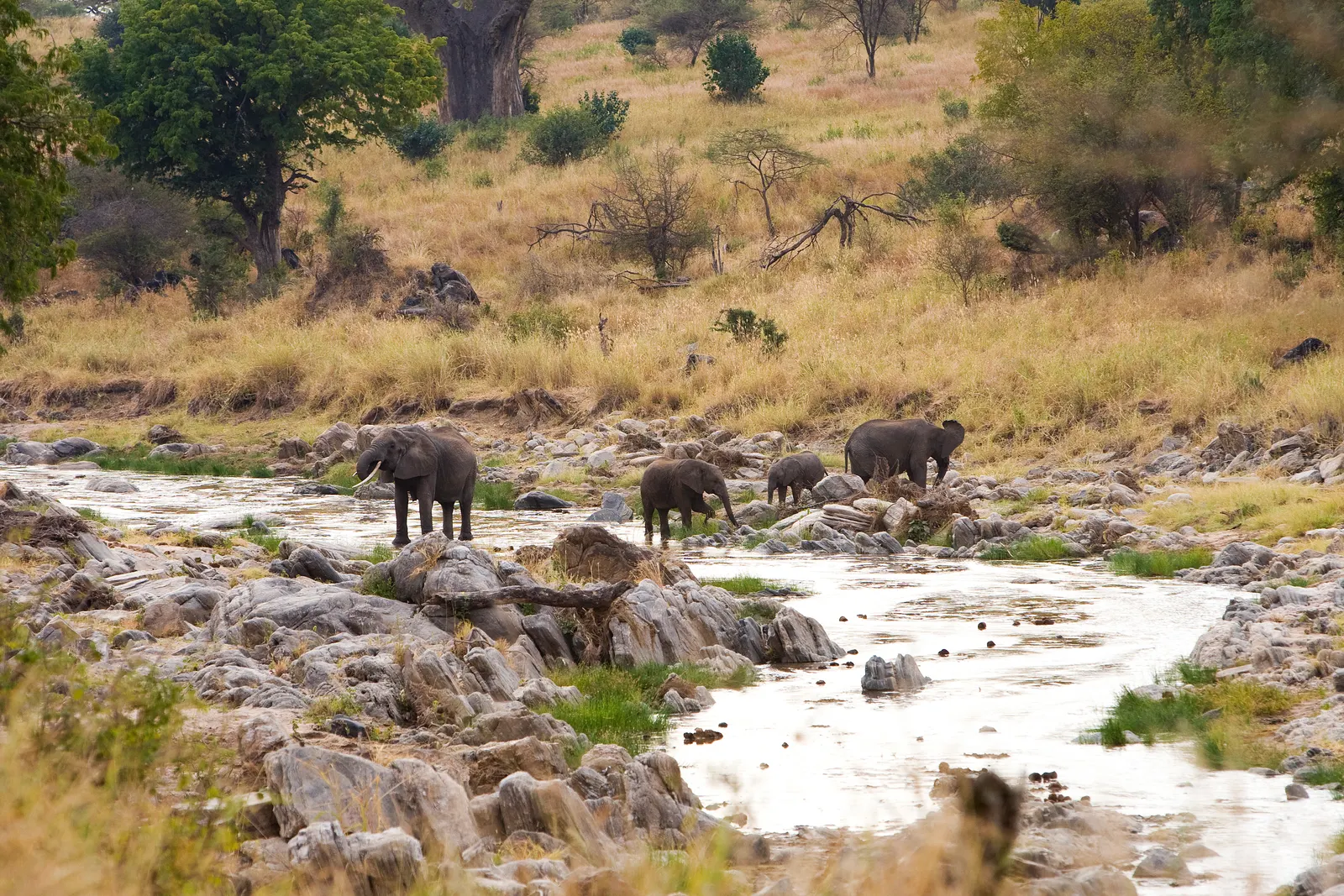
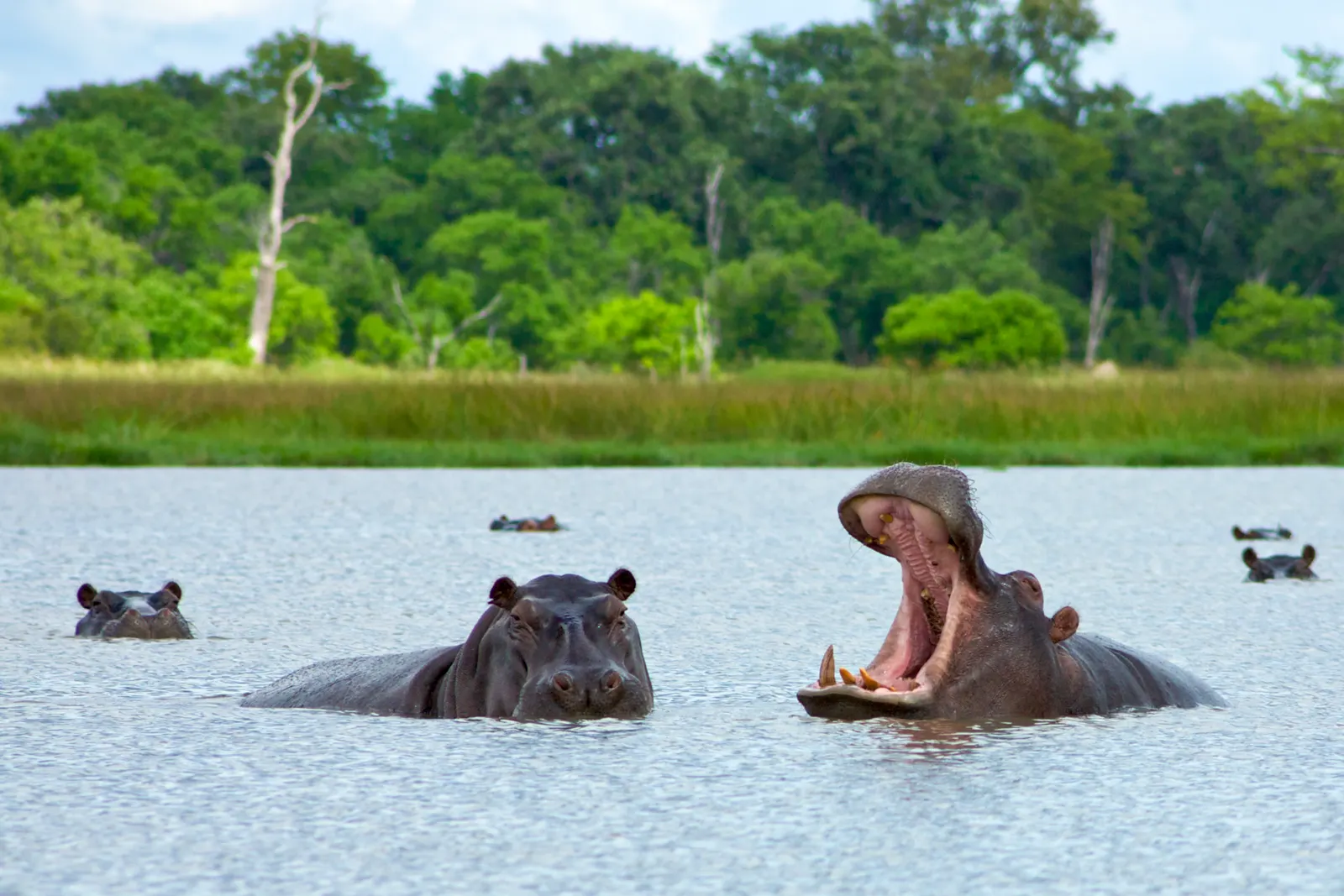
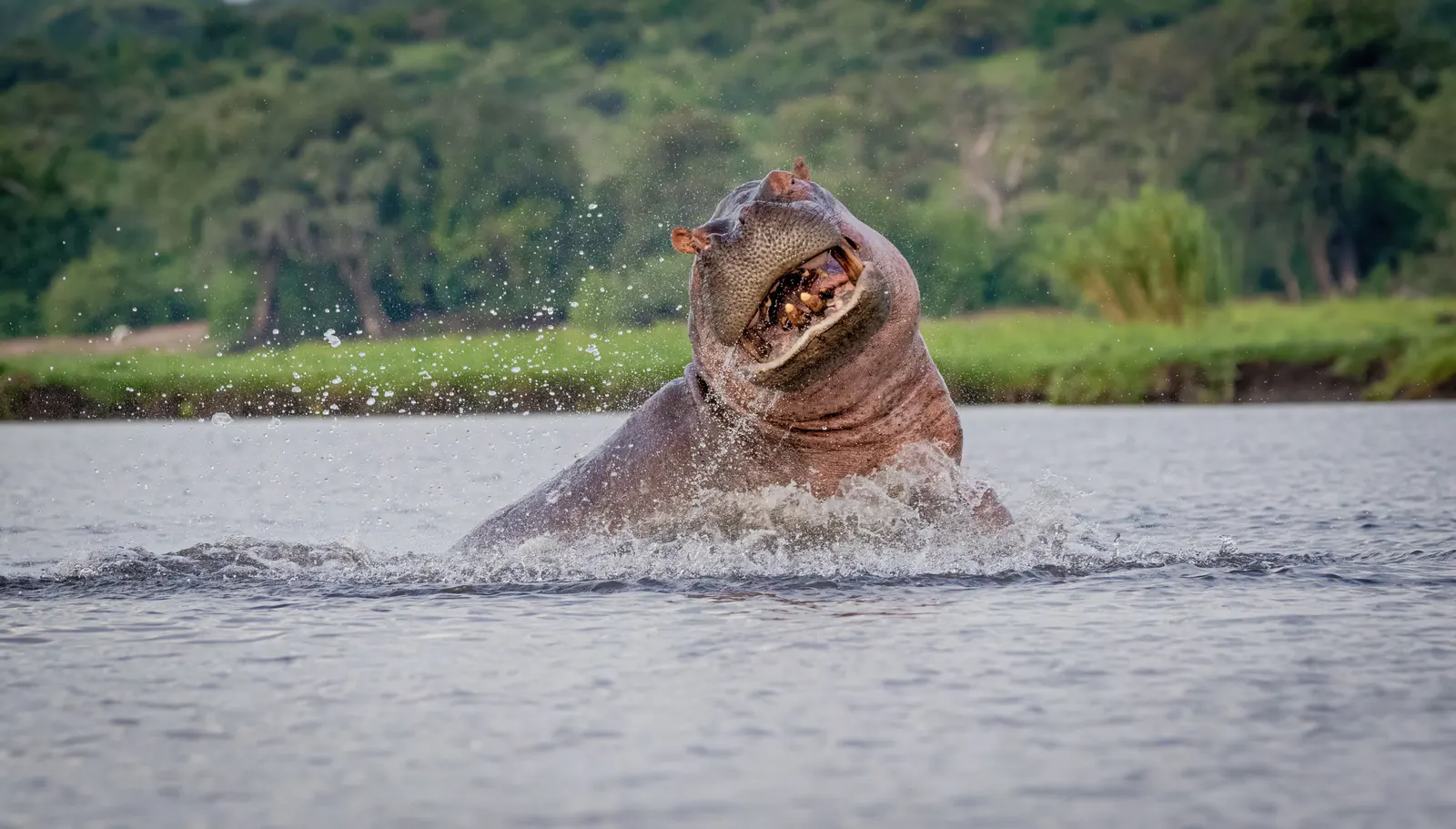
The first activity is by boat, in the late afternoon. Hippo in pods of thirty and forty, crocodile on every sandbank, and elephant coming down through the palms to drink at the hour the light goes orange. You see the bank from the water, which is a view a vehicle cannot give you anywhere in the north.

Drive
Route
MealsBreakfast · Lunch · Dinner
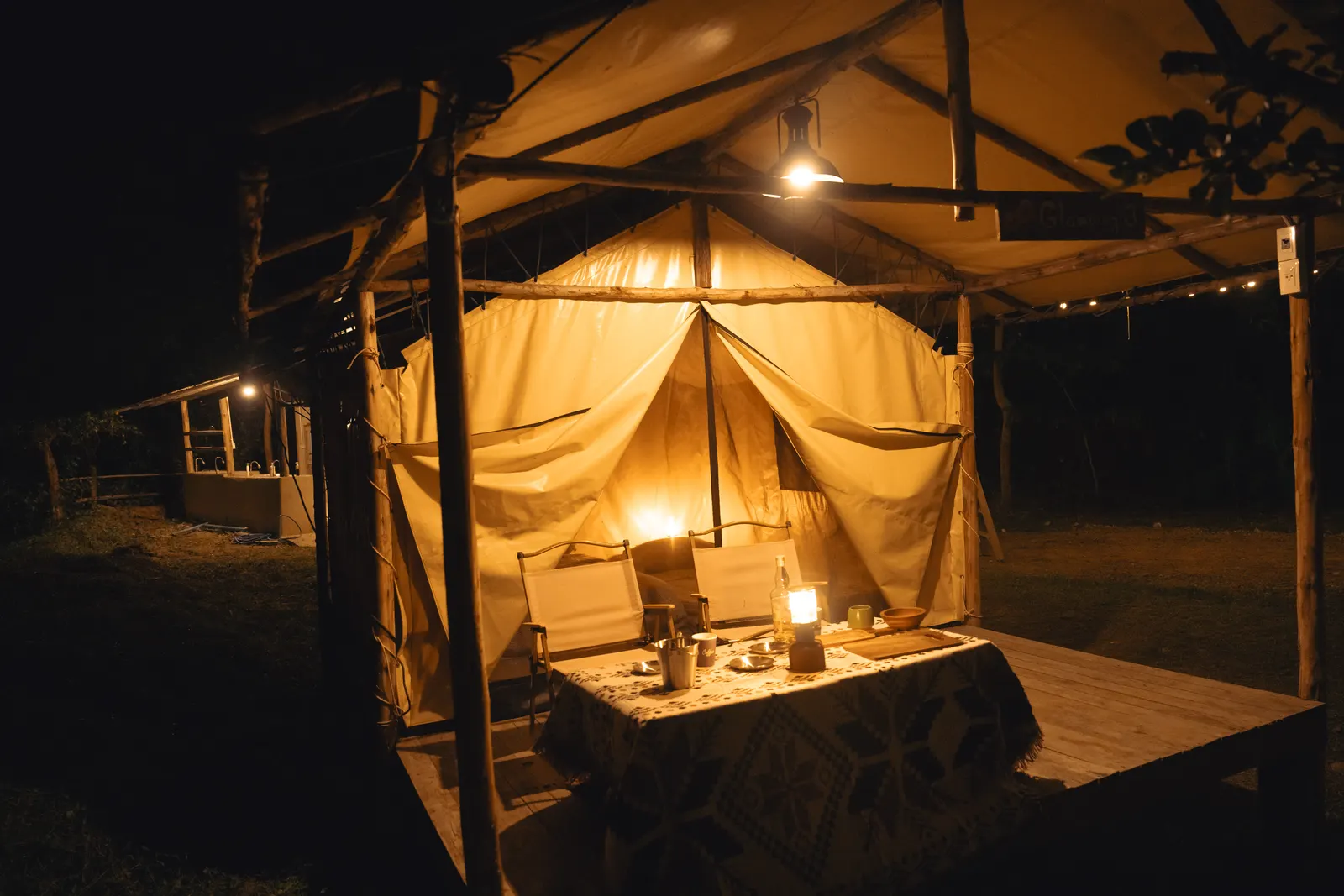
NightSelous Impala Tented Camp
03
On foot in the morning, by vehicle after07°48′S 38°10′E
Day 3

On foot in the morning, by vehicle after

Walking is permitted in Nyerere with an armed park ranger, and the northern sector is the right ground for it: flat, open woodland between the lakes, with sight lines. You leave at first light and walk for two to three hours, slowly, and you will not cover more than six or seven kilometres.

What a walk gives you is everything the vehicle hides. Tracks in the sand and how old they are, the smell of a buffalo herd before you see it, dung beetles, the dry-season bird traffic at a shrinking pool. Large animals are seen at a distance and left there; that is the point of the ranger and the rule of the walk. The minimum age is sixteen, and it is not negotiable.

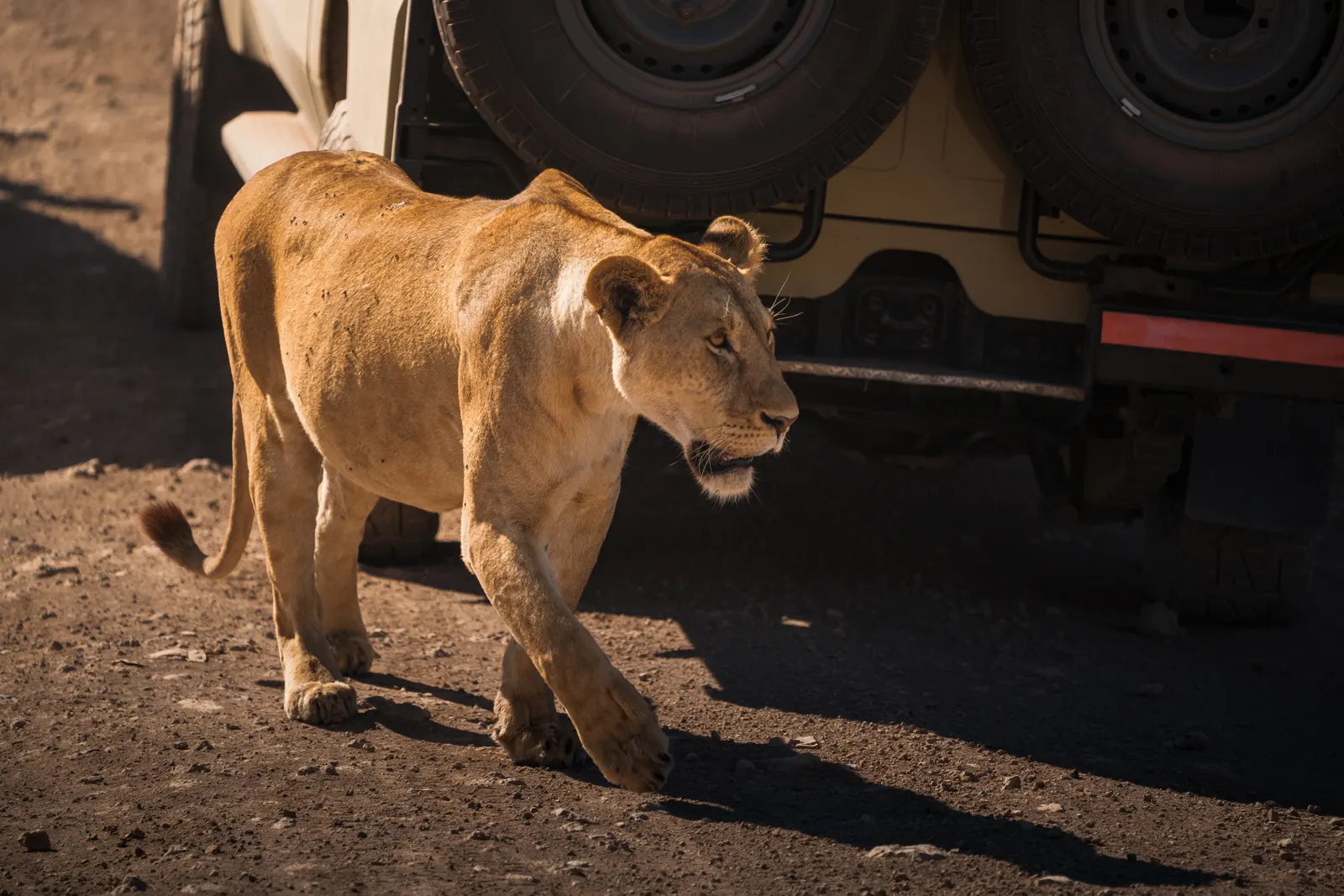
After lunch and the hot hours in camp, an afternoon game drive around the lake circuit. Nyerere holds one of the largest remaining wild dog populations in Africa, and the lakes are where they are most often found. They are not a promise on any given day. Lion, giraffe and large numbers of impala and waterbuck are.

DriveFull day in the park · walk of 2–3 hours
Route
MealsBreakfast · Lunch · Dinner
NightSelous Impala Tented Camp
04
The lakes by day, the park after dark07°50′S 38°05′E
Day 4

The lakes by day, the park after dark

A full day on the vehicle, working the chain of lakes — Tagalala, Manze, Nzerakera and the channels between them. In the dry season these are where the game concentrates and where the predators wait for it, and a morning spent moving slowly between them is the best game viewing in the northern sector.

Nyerere is one of the parks licensed for night drives; the Serengeti and the crater are not, which is one reason to come south. After dinner you go out for around two hours with a filtered spotlight. Genet, civet, bushbaby, porcupine and the eyes of things in the grass you cannot name until the guide does. Leopard is possible and not promised.

The night drive permit is a park fee on top of the entry fee and is included in the rate or charged separately — to confirm. The minimum age is normally sixteen, on insurance grounds rather than park rules, and the drive is quietly cold; bring a fleece.

DriveFull day in the park · night drive of about 2 hours
Route
MealsBreakfast · Lunch · Dinner
NightSelous Impala Tented Camp
05
A full day on the Rufiji07°43′S 38°20′E
Day 5

A full day on the Rufiji

The last full day in Nyerere is given to the river, because the boat is what this park does that Ruaha does not. A long morning outing downstream through the channels and into the open Rufiji, with breakfast taken on a sandbank if the crocodiles are somewhere else.

The birdlife on the water is the densest of the trip. African skimmers on the sand, fish eagles on every second dead tree, kingfishers of five species, carmine bee-eaters in their colonies in the cut banks from September. Bring binoculars even if you are not a birder; you will be one by lunch.

Upstream the river narrows into Stiegler’s Gorge, where the Julius Nyerere hydropower dam now stands. It is worth saying plainly: the dam has changed the river above the gorge, and the northern sector you are in sits below it. The boat does not go into the gorge. A late-afternoon drive or a second short boat trip closes the day, whichever the guide judges better for the light.

DriveFull day on the river and in the park
Route
MealsBreakfast · Lunch · Dinner
NightSelous Impala Tented Camp
06
Over the Udzungwa to Ruaha07°41′S 34°55′E
Day 6

Over the Udzungwa to Ruaha

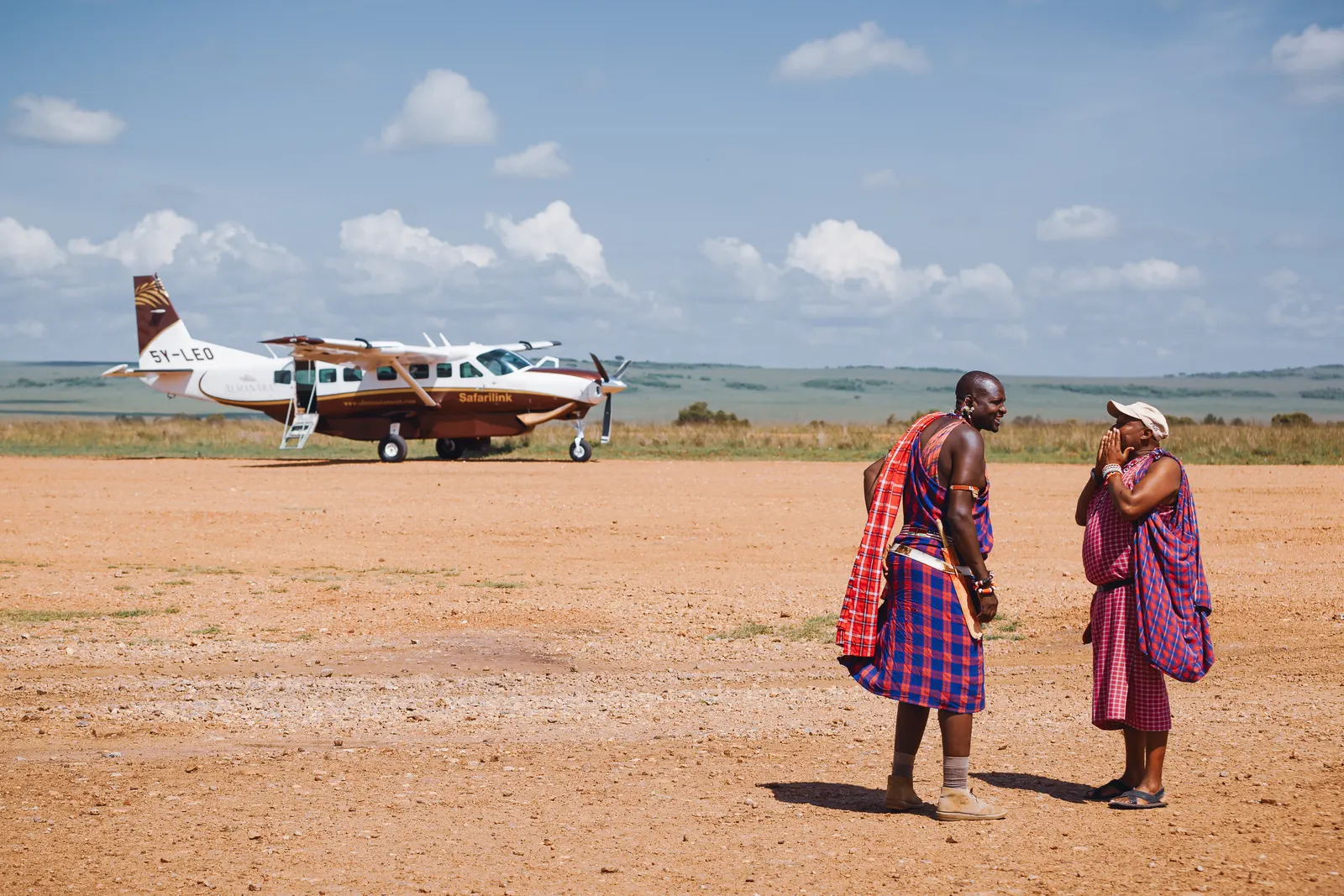
The hop west is the reason this itinerary exists. Nyerere and Ruaha are about 350 kilometres apart with the Udzungwa Mountains and a long day of bad road in between; the scheduled light-aircraft circuit does it in around an hour and a half, sometimes with a stop at another strip to pick up or drop other guests. It is a shared flight, not a charter, and the timing is the airline’s.

Ruaha is a different country. You climb from the Rufiji lowlands to a plateau at 750 to 1,000 metres, the palms give way to baobab and granite kopjes, and the air is drier. At around 20,000 square kilometres it is the largest national park in Tanzania and it sees a fraction of the visitors the Serengeti does.

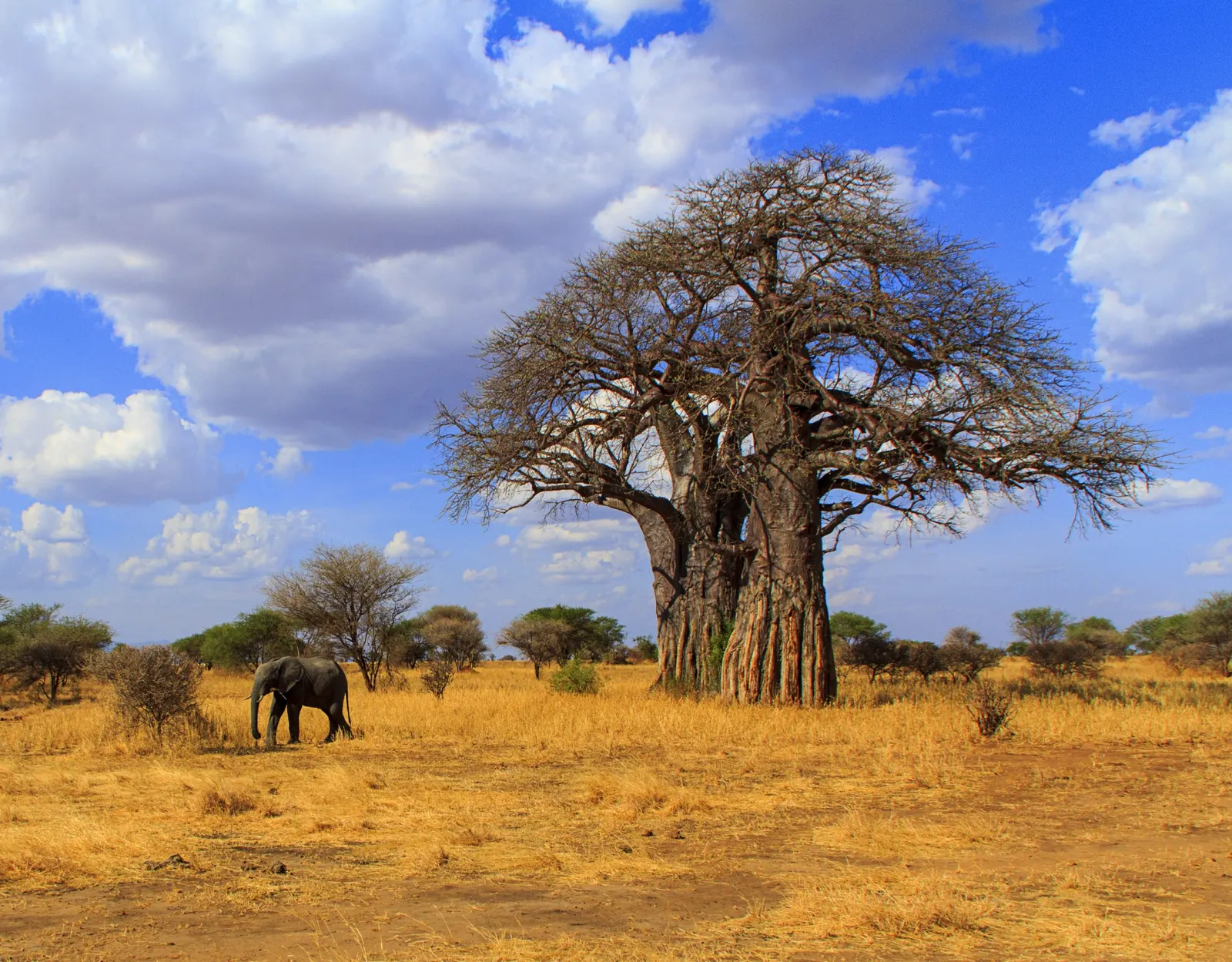
The first camp is in the central part of the park, in reach of the Great Ruaha River and the sand rivers that feed it. The afternoon drive from the airstrip to camp is the introduction: elephant, giraffe, and the first greater kudu standing under a baobab, which is a sight the north cannot show you.

Drive
Route
MealsBreakfast · Lunch · Dinner
NightRuaha River Lodge
07
The Great Ruaha, and the lions that live on it07°35′S 34°58′E
Day 7

The Great Ruaha, and the lions that live on it

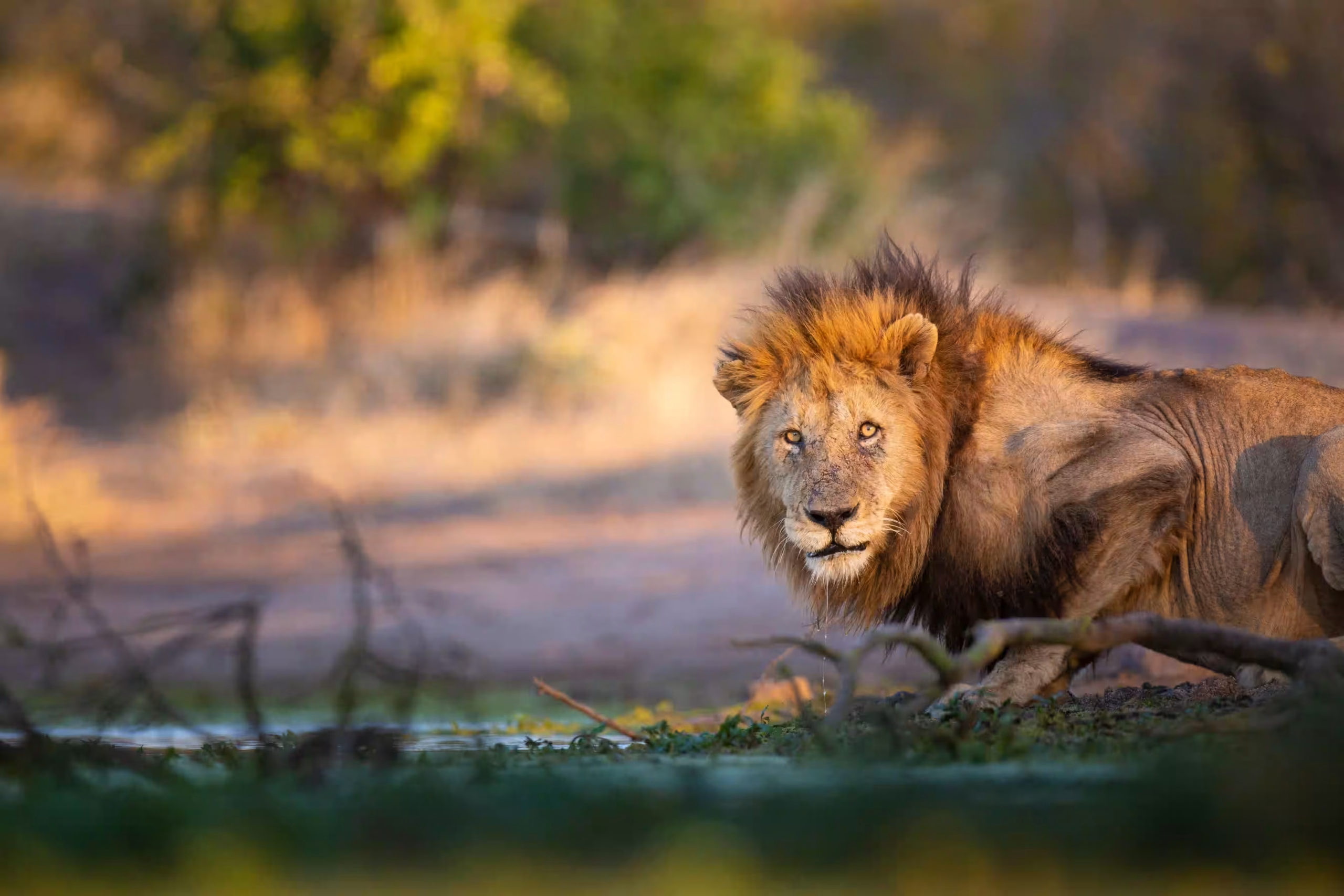
A full day on the river circuit, which in the dry months is where everything in central Ruaha ends up. The Great Ruaha drops to a chain of pools between July and October, and buffalo herds of several hundred come to them with lion following. Ruaha holds one of the largest lion populations of any park in Africa, and the prides here are big — fifteen and twenty animals is normal.

The other reason to spend a whole day here is the overlap. Ruaha is where the southern miombo woodland meets the East African acacia savannah, so greater and lesser kudu, sable and roan share ground with the impala and zebra you already know. Nowhere else on a Tanzanian route puts both lists in one drive.

Leopard is resident along the river and seen often enough to be worth looking for and not often enough to be promised. Cheetah are on the open ground to the south. Elephant are everywhere, in numbers that rival Tarangire, and noticeably more wary of vehicles; give them room.

DriveFull day in the park
Route
MealsBreakfast · Lunch · Dinner
NightRuaha River Lodge
08
South to the second camp07°57′S 34°42′E
Day 8

South to the second camp

Ruaha is big enough that one camp cannot cover it, which is why the four nights are split. Today is a transfer, but a transfer inside the park is a game drive with luggage, and the guide takes the long way. The road south-west leaves the river circuit for open miombo and the sand rivers of the park’s southern part.

This is the emptier ground. Vehicle numbers in central Ruaha are low by northern standards; down here on a dry-season morning you may see none. The trade is that game is more spread out and the sightings come from reading a sand river rather than following a radio.

The second camp sits on or near a sand river in the south or west of the park, and the change of ground is deliberate: cheetah on the open plains, wild dog denning in the woodland between June and August, and a walking option in the morning that the central circuit is too busy for.

Drive
Route
MealsBreakfast · Lunch · Dinner
NightMdonya Old River Camp
09
On foot at dawn, and out after dark07°55′S 34°45′E
Day 9

On foot at dawn, and out after dark

A morning walk with an armed ranger, two to three hours along a sand river before the heat. Ruaha walking is different from the Rufiji: drier, more broken ground, and the animals are further off and warier. You will track rather than watch. Minimum age sixteen again.

The middle of the day is hot here in the dry months — 30 °C and more by noon — and the camp is the right place to be. The afternoon drive starts late, at four, and runs until the gate rules close it at dusk.

Then a night drive, permitted in Ruaha as in Nyerere, for the nocturnal animals the day hides: aardwolf, honey badger, serval on the open ground, and the lion prides on the move, which is when they actually hunt. The permit fee is to confirm and the drive is limited to around two hours by park rules.

DriveFull day in the park · morning walk · evening night drive
Route
MealsBreakfast · Lunch · Dinner
NightMdonya Old River Camp
10
Last drive, then the flight to Dar06°52′S 39°12′E
Day 10

Last drive, then the flight to Dar

A last drive in the cool of the morning on the way to the airstrip. The flight east to Dar takes around two hours, sometimes via another strip, and puts you on the coast by early afternoon; the change from 750 metres and dry heat to sea level and humidity is immediate.

The night in Dar is here for the same reason the first one was. Scheduled bush flights are late often enough that connecting them to an international departure the same evening is a gamble we will not take with your ticket. If your flight home leaves after midnight it can sometimes work; ask and we will say honestly.

The afternoon is free. The Msasani peninsula has the fish market and the craft market at Mwenge if you want them; a shower and a chair facing the Indian Ocean is the more common choice.

Drive
Route
MealsBreakfast · Lunch · Dinner
NightHotel Blue Sapphire
11
Dar es Salaam, and home06°52′S 39°12′E
Day 11

Dar es Salaam, and home

Breakfast, and the transfer to Julius Nyerere International in time for your flight. Allow more time than the distance suggests; Dar traffic is the least predictable thing on this itinerary.

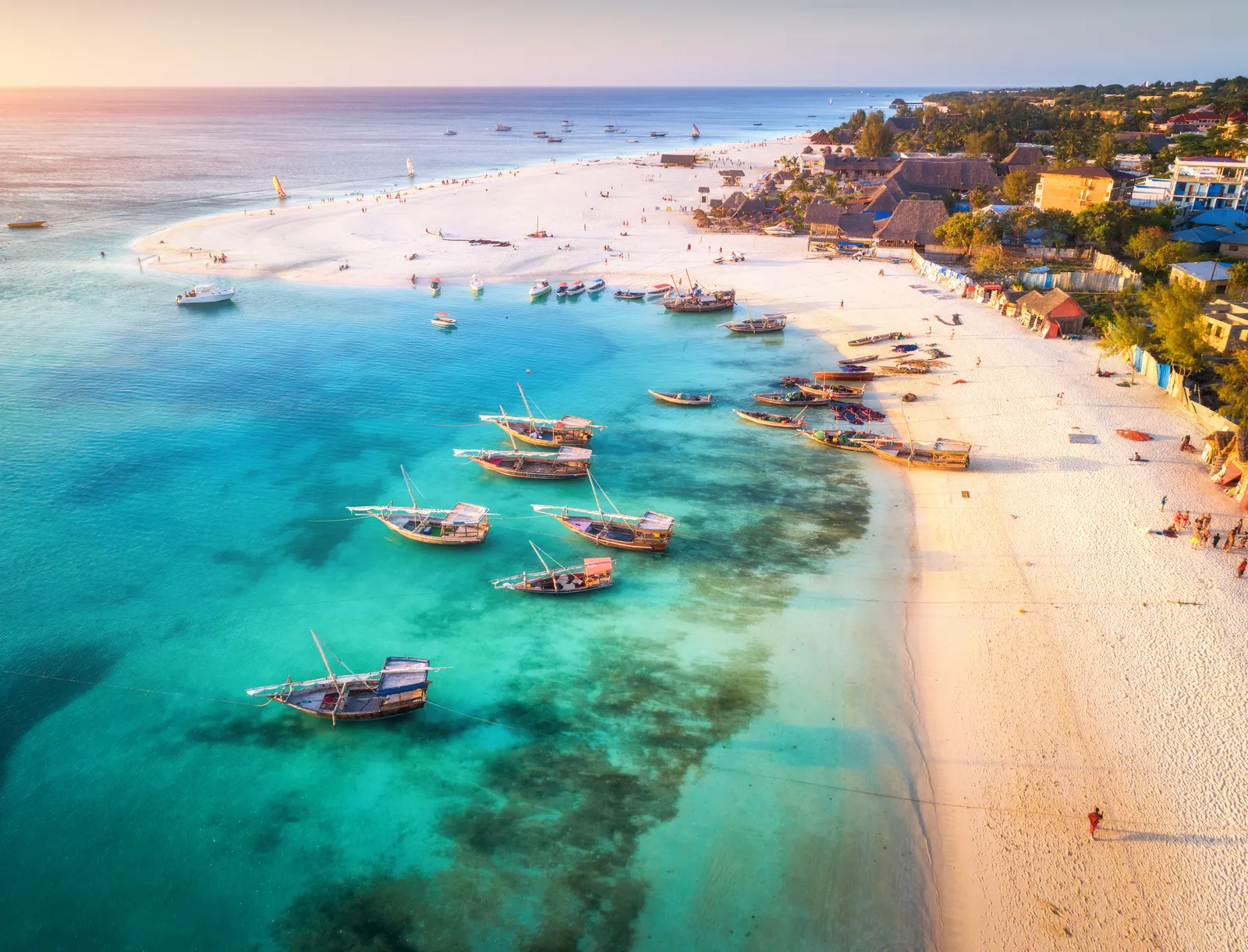
If you are going on to Zanzibar, the flight from Dar takes twenty minutes and leaves several times a day, and the ferry takes two hours. Three or four nights on the east coast after ten nights in the bush is the most common ending, and the one we would suggest.

The trip ends where it started. Eleven days, two parks, four flights and no long road transfers — which is the shape we think the south deserves.

DriveHotel to Julius Nyerere International · 30–60 min
Route
MealsBreakfast
Night
Camps

Accommodation & Comfort Level

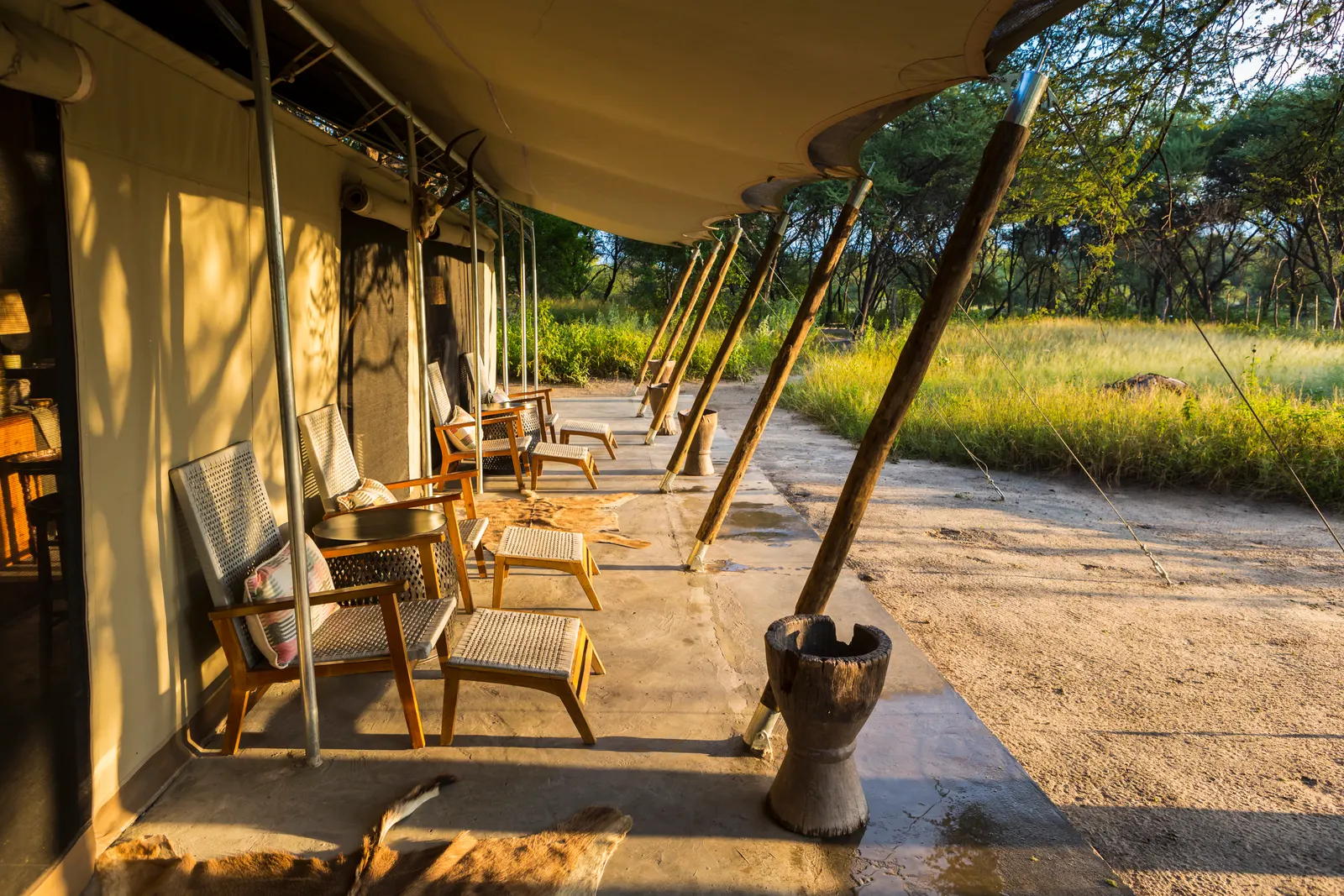
Mid-range Accommodations During Safari

Luxury Accommodations During Safari

Add-Ons

Optional Safari Add-Ons

Priced separately and arranged on request.

Zanzibar, afterwards
After day 11 · 3–5 nights
From USD 1,340 per person, 3 nights

Zanzibar, afterwards

Twenty minutes by air from Dar, or two hours by ferry. After ten nights in the bush, three or four on the east coast or in Stone Town is the ending most guests choose, and the one that makes the flights back through Dar worth it.

Fly-camping in Ruaha
Days 8–9 · one night
USD 230 per person

Fly-camping in Ruaha

A night out under a mosquito net on a sand river with a ranger and a fire, walked to from the second camp. Offered only by some camps and only in the dry months; it replaces one of the tented nights rather than adding to them.

A second night drive in Nyerere
Day 3 or 5
USD 80 per person

A second night drive in Nyerere

The itinerary includes one night drive in each park. A second in Nyerere, on the lake circuit after the walking day, is the cheapest way to improve the odds of leopard and wild dog after dark.

Private charter instead of the scheduled circuit
Days 2, 6 and 10
USD 1,880 per person, for 2 guests

Private charter instead of the scheduled circuit

The scheduled flights stop at other strips and run to the airline's clock. A private charter goes when you do and straight there, which buys an extra game drive on each transfer day. Expensive, and worth it for a group of four or more.

The Ground

Where the Safari Takes You

The two largest national parks in Tanzania, and the city that connects them.

01

Nyerere National Park

02

Ruaha National Park

03

Dar es Salaam

Rates

Price & Additional Costs

Budget Eleven days in the south Prices

Single Supplement — ADD RATE
Budget rates not yet published. These figures are placeholders — do not quote them.
Group size 1 Person2 Persons3 Persons4 Persons5 Persons6 Persons7 Persons
ADD RATE ADD RATE ADD RATE ADD RATE ADD RATE ADD RATE ADD RATE ADD RATE
Rooms 1 Room 1 Room 2 Rooms 2 Rooms 3 Rooms 3 Rooms 4 Rooms

Mid-range Eleven days in the south Prices

Single Supplement $2,050 per person
Group size 1 Person2 Persons3 Persons4 Persons5 Persons6 Persons7 Persons
Prices From 2026 $10,890 $8,730 $9,370 $8,670 $9,070 $8,650 $8,940
Rooms 1 Room 1 Room 2 Rooms 2 Rooms 3 Rooms 3 Rooms 4 Rooms

Luxury Eleven days in the south Prices

Single Supplement $3,760 per person
Group size 1 Person2 Persons3 Persons4 Persons5 Persons6 Persons7 Persons
Prices From 2026 $17,520 $13,640 $14,850 $13,580 $14,320 $13,560 $14,090
Rooms 1 Room 1 Room 2 Rooms 2 Rooms 3 Rooms 3 Rooms 4 Rooms

High-end Eleven days in the south Prices

Single Supplement — ADD RATE
High-end rates not yet published. These figures are placeholders — do not quote them.
Group size 1 Person2 Persons3 Persons4 Persons5 Persons6 Persons7 Persons
ADD RATE ADD RATE ADD RATE ADD RATE ADD RATE ADD RATE ADD RATE ADD RATE
Rooms 1 Room 1 Room 2 Rooms 2 Rooms 3 Rooms 3 Rooms 4 Rooms
Price Details

What's Included

✓ Included

Scheduled light-aircraft flights Dar → Nyerere → Ruaha → Dar
All game drives in a 4×4 with a roof hatch — shared camp vehicle or private vehicle, to confirm by tier
Boat safaris on the Rufiji as described
Walking safaris with an armed park ranger, age 16+
All accommodation as listed, full board
All national park entry and concession fees
Airport and hotel transfers in Dar es Salaam
Drinking water in the vehicle throughout
Night drive permits — included or extra, to confirm
Guide certification to confirm
Emergency evacuation cover — to confirm

✗ Not Included

International flights to and from Tanzania
Tanzania visa — USD 50, or USD 100 for United States passports
Travel insurance, which we ask every guest to hold
Drinks at the camps, beyond what is listed
Tips for guides, rangers, boat crew and camp staff
Excess baggage on light aircraft beyond the airline's soft-bag limit
Personal spending and souvenirs
Anything listed under optional extras below
Interested in This Tour?Request a Free Quote
Best Time to Travel

Best Time to Do This Safari

June to October is the season for this route, and we mean that more strictly than in the north. The Great Ruaha drops to pools, the Rufiji lakes shrink, and everything that needs water is on it. Grass is short, the sand rivers are walkable, and the wild dogs are denning in the woodland from June to August, which is the best chance of seeing them. September and October are the driest and hottest, with days in Ruaha above 35 °C. They are also the best game months of the year there. If heat is a problem for anyone in your group, June and July are cooler and nearly as good. November brings the first rains to the south and a green flush that photographs well, with rates falling. It is possible, and Nyerere in particular is good for birds. Game is more spread out and the afternoon storms are real. December to May is the wet season, and from March to May most of the camps in both parks close. The Rufiji floods, the sand rivers run, tracks close and the airstrips can go with them. We do not sell this itinerary for those months. If they are the only weeks you have, we would rather build you the north.

Flights

Flight Recommendation

Fly into Julius Nyerere International (DAR), not Kilimanjaro. The southern light-aircraft circuit is based in Dar and the whole itinerary is built around its morning departures. Arriving at Kilimanjaro means a domestic flight south and a lost day. Arrive the evening before day 2 at the latest; day 1 is that evening. Bags on the bush flights must be soft and within the airline’s limit, usually 15 kilograms including hand luggage. We can store a hard case at the Dar hotel for the ten days. Coming home, you are in Dar by early afternoon on day 10 and fly out on day 11. If you are going on to Zanzibar the flight takes twenty minutes and can leave on day 10 afternoon or day 11 morning; we will advise which is safer for your bush-flight arrival. Tanzania requires a visa for most passports — USD 50, or USD 100 for United States citizens, valid up to 90 days. Apply online in advance; the queue at Dar after an evening arrival is long.

Supplementary Costs

Supplementary (not included) costs

Why Us

Why Book With Us

01

01 We send guides here on purpose The south is the circuit our own guides ask to be posted to, because the parks are empty and the guiding is real. We build this route because we like it, not because it is easy to sell.

02

02 Flown, not driven Every transfer on this itinerary is by air. We could quote a cheaper driven version and we choose not to, because three days of road for two parks is a bad trade and you would tell us so afterwards.

03

03 Two camps in Ruaha, not one Ruaha is four times the size of the Masai Mara. A single camp shows you one circuit. Moving once, inside the park, doubles what you see for the cost of a morning’s packing.

04

04 We will tell you not to come in April From March to May the south closes. We would rather move your dates or build you a northern route than take a booking for a trip we know will disappoint.

Good to know

Frequently Asked Questions

Everything travellers ask before booking this safari.

Your safari price typically includes park fees, professional driver-guide, 4x4 safari vehicle with pop-up roof, accommodation on the tier you select (budget camping, mid-range lodges, or luxury lodges), all meals during the safari, drinking water in the vehicle, and airport transfers.
Generally excluded: international flights to/from Tanzania, visa fees, travel insurance, tips for the driver-guide and lodge staff, alcoholic and soft drinks, personal expenses (laundry, souvenirs), optional activities such as hot air balloon flights or night drives.
Most visitors need a visa. Citizens of the US, UK, EU, Canada, Australia and many other countries can obtain a Tanzania tourist visa on arrival or online (eservices.immigration.go.tz). Single-entry tourist visa costs US$50 (US$100 for US passport holders). Passport must be valid 6+ months beyond travel date.
A Yellow Fever certificate is required if you arrive from a Yellow Fever endemic country. Most travellers also take anti-malaria medication — consult your doctor 4–6 weeks before travel. Recommended (not required) vaccines include Hepatitis A & B, Typhoid, and routine boosters.
Tanzania is a year-round destination. The dry seasons (June–October and January–February) offer the best game viewing. The Great Migration river crossings in northern Serengeti typically peak July–September. The green season (March–May, November) brings lush landscapes, fewer tourists and lower prices.
Pack light, neutral-coloured clothing (khaki, olive, beige — avoid bright colours and dark blue/black). Layers are essential. Bring a warm fleece for Ngorongoro Crater, hat, sunglasses, comfortable walking shoes, binoculars, camera with extra batteries, and a soft duffel bag (hard suitcases don't fit safari vehicles). Bush flight luggage limit is usually 15kg.
Tanzania is one of the safest safari destinations in Africa. Petty theft can occur in Arusha and Dar es Salaam — use hotel safes and avoid displaying valuables. Inside parks and lodges you are completely safe. Your driver-guide is professionally trained in wildlife behaviour and emergency procedures.
Yes — Tanzania safaris are wonderful for families. Most lodges welcome children from age 6+; some luxury lodges require minimum age 8 or 12. Children pay reduced rates (often 50–75% of adult price). We can adjust the itinerary with shorter drives, child-friendly lodges with pools, and cultural activities.
A 30% non-refundable deposit is required to confirm your booking. Balance is due 60 days before arrival. We accept bank transfer (SWIFT), credit card (3% surcharge), and PayPal. All prices in US Dollars. A receipt and confirmation voucher are issued immediately on deposit.
More than 60 days before arrival: 30% deposit retained. 30–60 days: 50% of total trip cost. Less than 30 days: 100% of total trip cost. We strongly recommend travel insurance covering trip cancellation, medical emergencies, and emergency evacuation.
Most lodges in the northern circuit have Wi-Fi in main areas — often slow but enough for messages. Mobile signal (Vodacom, Airtel) covers much of Tarangire, Lake Manyara, parts of central Serengeti, and Ngorongoro rim. Deep in the Serengeti you may have limited or no signal — embrace the digital detox.
Tipping is appreciated but not mandatory. Industry guidelines: US$20–30 per day for driver-guide (from whole group, not per person), US$10–15 per day for camp/lodge staff (in the communal tip box), US$5–10 for porters at airports. Tips best in clean US dollar notes.
Enquire

Shall we begin?

Tell us when you would like to travel and we will send you a tailored quotation.

Loading itinerary…
Saved Trips